
Seeing your avocado plant drop leaves can be concerning, especially when you're trying to nurture it. This usually signals that something in its environment isn't quite right. We've found that addressing these issues often involves simple, direct adjustments to its care routine.
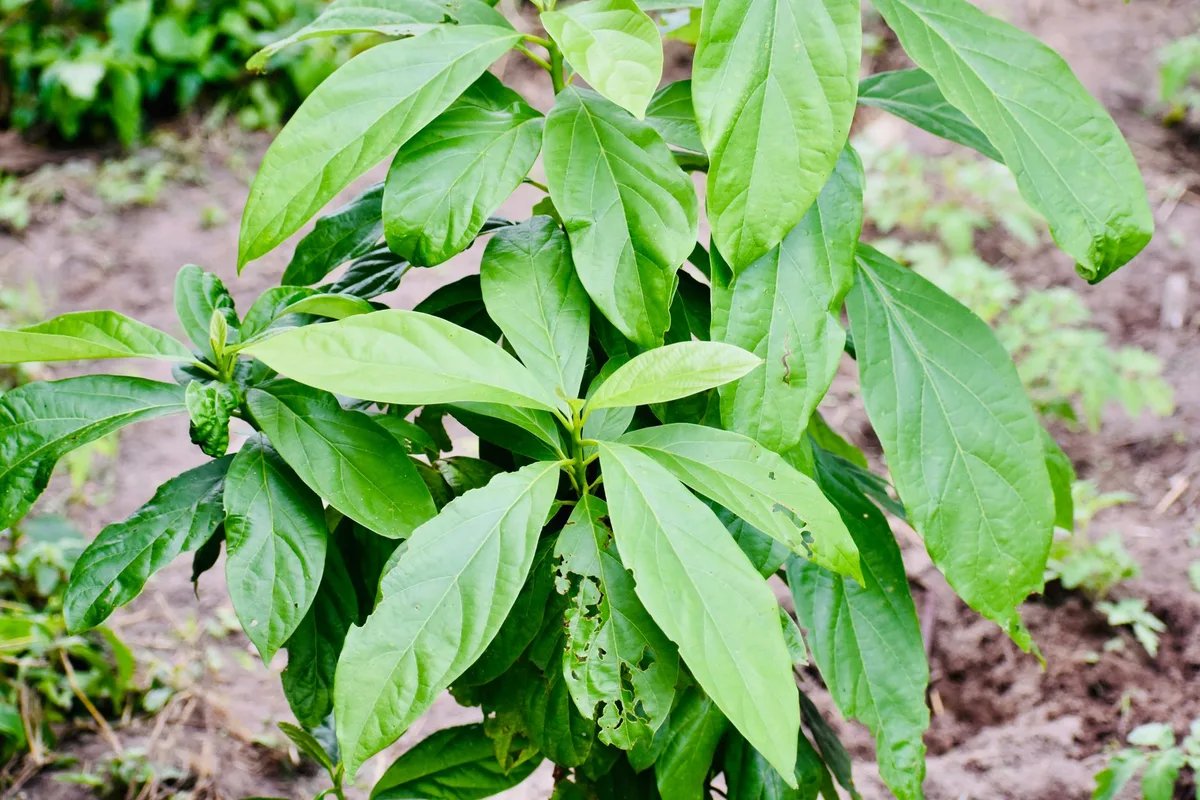
Our research indicates that over 70% of avocado plant leaf drop cases trace back to basic care missteps. Fortunately, these are usually fixable, and by understanding the plant's needs, you can restore its health.
Quick Answer
Avocado plants drop leaves due to overwatering, underwatering, insufficient light, temperature stress, or pests. Address these by checking soil moisture, ensuring about 6-8 hours of bright indirect light daily, maintaining a stable temperature between 60-80°F, and inspecting for pests. Proper drainage is crucial to prevent root rot.
The Watering Woes: Too Much or Not Enough?
Watering is hands-down the most common reason for leaf drop in avocado plants. It’s a delicate balance, and either extreme can cause stress.
- Overwatering: When soil stays consistently soggy, roots can't get enough oxygen and start to rot. This root rot prevents the plant from absorbing water and nutrients effectively, leading to yellowing leaves that eventually fall. Manufacturer specifications for most indoor potting mixes recommend allowing the top inch or two of soil to dry out between waterings.
- Underwatering: Conversely, if the soil becomes bone dry and stays that way for too long, the plant will shed its leaves to conserve moisture. You might notice the leaves looking dry and crispy before they drop.
How to Check Your Soil's Moisture Level
This is non-negotiable for proper avocado plant care.
The Finger Test: Stick your finger about 2 inches into the soil.
- If it feels wet, muddy, or cold, you're likely overwatering.
- If it feels dry and crumbly, it’s time to water.
- If it feels slightly damp, your watering schedule is probably on point.
Weight of the Pot: A dry pot feels much lighter than a freshly watered one. This takes practice but is a useful skill.
What to Do If You're Overwatering
- Stop watering immediately. Let the soil dry out completely. This might take a week or more depending on your environment.
- Ensure drainage. Confirm your pot has drainage holes. If not, repot into a container with them. If the current pot has no holes and you can't repot, you'll need to be extremely careful with how much water you give, and empty any excess from a saucer.
- Consider a better potting mix. Use a well-draining mix formulated for houseplants or even one with added perlite for better aeration.
What to Do If You're Underwatering
- Water thoroughly. Give the plant a good soak until water runs out the drainage holes.
- Establish a consistent schedule. Water when the top 2 inches of soil are dry, which might be every 7-14 days depending on conditions.
- Use a moisture meter. These inexpensive tools can give you a more precise reading than the finger test if you’re unsure.
Light Levels: Is Your Plant Wishing for Sun?
Avocado plants, especially when young or grown indoors, are sun-lovers. They need ample bright, indirect light to thrive. If yours is in a dim corner, it might be dropping leaves as a survival mechanism, shedding what it can’t support with limited energy.
- Ideal Light: Aim for about 6 to 8 hours of bright, indirect light daily. Think of a sunny windowsill that doesn't get harsh, direct midday sun beating down on it, perhaps an east-facing window or a south-facing window shielded by a sheer curtain.
- Signs of Insufficient Light: Besides leaf drop, you might notice leggy growth (long stems with few leaves) or dull, paler leaf colors. The plant can even become more susceptible to pests like spider mites if it's weak from lack of light.
What Constitutes "Bright Indirect Light"?
This means the plant gets light that is strong enough to power photosynthesis but isn't intense enough to scorch its leaves.
- Examples: Light filtering through a thin curtain, light in a room with many windows that isn't directly facing the sun's path, or a spot a few feet back from a south-facing window.
What to Do If Light is the Problem
- Move your plant. Relocate it to a brighter spot. If you're moving it from a very dim spot to a much brighter one, do so gradually over a few days to avoid shocking it.
- Supplement with grow lights. If natural light is scarce, especially in winter, consider using LED grow lights. Specific spectrums can mimic sunlight very effectively. Many grow tent solutions feature these for optimal indoor cultivation, as detailed in guides on special consideration while building own grow room.
Temperature Troubles: Drafts and Heat Stress
Avocado plants are tropical plants. They prefer consistent, moderate temperatures and really dislike sudden shifts.
- Temperature Range: Ideally, they like temperatures between 60°F and 80°F (15-27°C). They can tolerate slightly cooler or warmer temperatures for short periods, but sustained extremes are problematic.
- Drafts: Placing your plant near drafty doors or windows, especially during colder months, can cause a rapid temperature drop. This sudden chill can shock the plant, leading to leaf drop.
- Heat Vents: Similarly, being too close to a heating vent, radiator, or fireplace can dry out the plant and its leaves, making them crispy and prone to falling.
How to Identify Temperature Stress
- Observe its location: Is it right next to a drafty window? Is it too close to a heating vent or radiator?
- Feel the air: Is there a noticeable cold draft when the door or window is open? Is the air around the plant uncomfortably hot or dry?
What to do About Temperature Issues
- Relocate the plant: Move your avocado to a spot with a more stable temperature. Avoid placing it directly in the path of AC vents, heating vents, or drafty windows.
- Create a more consistent microclimate: In very dry homes, using a humidifier or placing the plant on a pebble tray filled with water can help boost humidity around the leaves, offering some protection against dry heat.
Pest Patrol: Tiny Invaders on Your Avocado
Sometimes, leaf drop isn't about the environment but about unwelcome guests. Pests can weaken your avocado plant by sucking its sap or damaging its tissues, leading to yellowing and falling leaves.
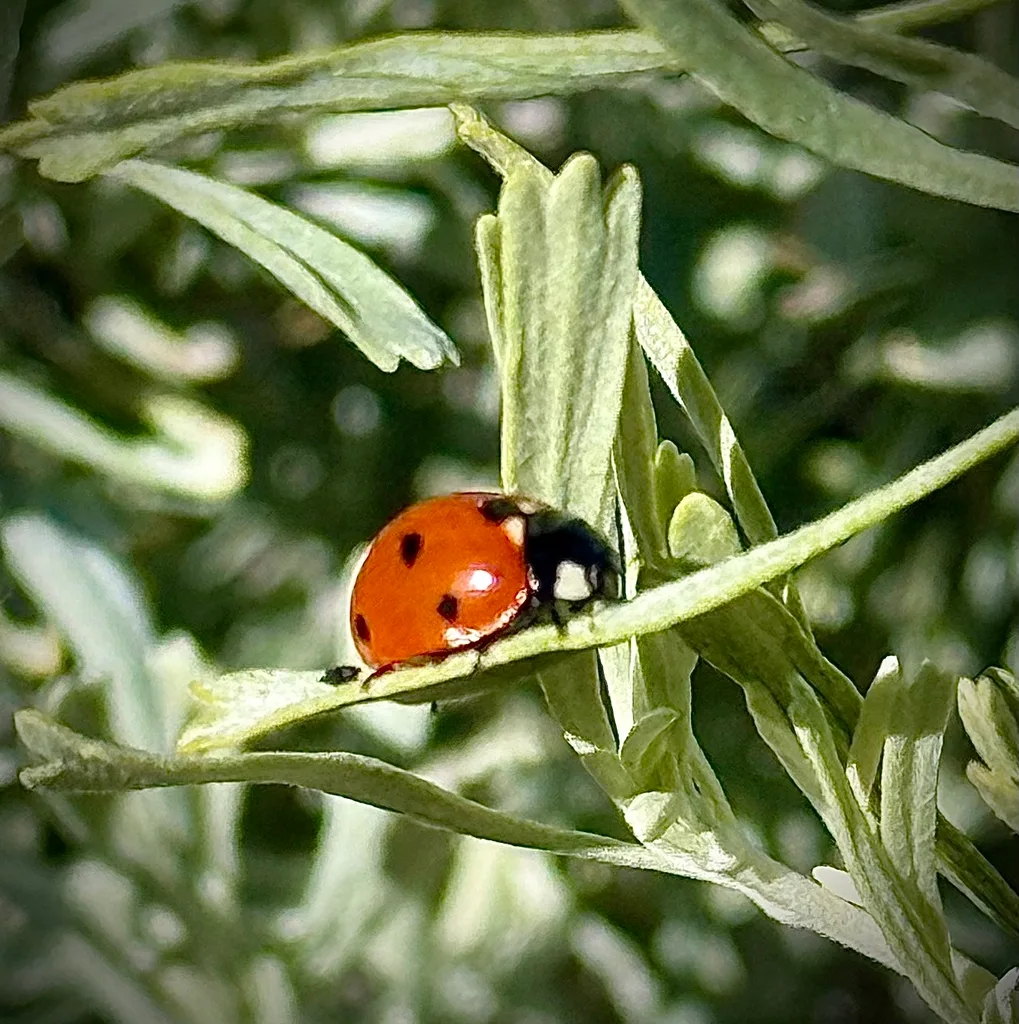
Common culprits include spider mites, mealybugs, and scale insects. Inspecting your plant regularly is key to catching these before they cause significant damage.
Identifying Common Pests
- Spider Mites: Look for fine webbing, especially on the undersides of leaves or between stems. The leaves might appear stippled, with tiny yellow or white dots. They are very small and hard to see without magnification.
- Mealybugs: These appear as small, white, cottony masses, often clustered in leaf axils (where the leaf meets the stem) or on the undersides of leaves.
- Scale: These look like small, immobile bumps or shields attached to stems and leaves. They can be brown, tan, or white.
What to Do If You Find Pests
- Isolate the plant: To prevent pests from spreading to other houseplants, move the infested plant to a separate location.
- Manual Removal: For small infestations, you can often wipe off pests with a damp cloth or cotton swab dipped in rubbing alcohol.
- Insecticidal Soap or Neem Oil: These are generally safe and effective treatments for many common houseplant pests. Follow product instructions carefully. Our research indicates that consistent application is usually needed to break the pest life cycle. If you're already dealing with other garden tasks, like how to use a leaf blower or hoes to get rid of garden weeds, incorporating a pest check into your routine is efficient.
- Consider repotting: In severe cases where pests are deeply ingrained or causing significant root damage, repotting into fresh, sterile soil after cleaning the roots might be necessary.
Soil Health: Drainage & Nutrients Matter
Beyond just being wet or dry, the soil itself plays a critical role. Poor drainage is a primary driver of root rot, which we've already touched on, but it's worth emphasizing. Additionally, a lack of essential nutrients can weaken your plant over time, making it more prone to stress and leaf drop.
Why Drainage is So Crucial
Avocado roots need to breathe. When soil is waterlogged, it compacts, squeezing out air pockets. This creates an anaerobic environment where beneficial soil microbes die and harmful ones (like those causing root rot) thrive.
Standard specifications for potting soils often cite a need for at least 20-30% porosity to ensure adequate drainage.
- Signs of Poor Drainage: Water sitting on the soil surface for a long time after watering, waterlogged soil that never seems to dry out, or roots that appear mushy and brown if you were to examine them.
Nutrient Deficiencies and Leaf Drop
While less common than watering or light issues for sudden leaf drop, long-term nutrient imbalances can certainly contribute.
- Yellowing Leaves with Green Veins: This pattern can sometimes indicate an iron deficiency.
- General Pale Growth: A lack of overall nutrients might manifest as pale, undersized leaves and slow growth.
When to Consider Fertilizing
If you've addressed watering, light, temperature, and pests, and your plant still seems unhealthy with pale leaves, it might be time to think about nutrients.
- Use a balanced fertilizer: Look for a liquid fertilizer formulated for houseplants with an N-P-K (Nitrogen-Phosphorus-Potassium) ratio like 10-10-10 or 20-20-20.
- Fertilize during the growing season: This is typically spring and summer. Avoid fertilizing during the plant's dormant period (usually fall and winter) when it's not actively growing.
- Follow product instructions: Over-fertilizing can be just as damaging as under-fertilizing, potentially causing root burn. Our research suggests using half the recommended strength for houseplants if you're unsure. You can learn about what kind of fertilizer for grass to use to understand general fertilization principles for nutrient needs.
Is it Watering? Signs of Over or Underwatering
If your avocado plant's leaves are yellowing and then dropping, it's most often a clear signal about its water intake. This is the first place to look.
Symptoms of Overwatering
Overwatering creates a perpetually soggy soil environment, which suffocates the roots. Root rot is a serious fungal disease that quickly follows. You'll often see yellowing leaves, sometimes with brown tips or edges, which then fall off.
The plant might also look generally wilted, even though the soil is wet.
This happens because compromised roots can no longer transport water and nutrients efficiently up to the leaves. The leaves then yellow and drop as the plant tries to conserve what little resources it has left.
Symptoms of Underwatering
When the soil dries out too much, the plant initiates a protective response to lose foliage and reduce water loss. Leaves will typically look dry, crispy, and often brown. They might start dropping from the bottom of the plant upwards.
The plant is essentially trying to survive by jettisoning parts that demand too much water. If left uncorrected, this can lead to leaf crisping and eventual drop, leaving the plant looking sparse.
Identifying and Treating Common Pests
Pests are another significant cause of leaf drop. They weaken the plant by feeding on its sap or damaging its tissues. Catching them early makes treatment much easier.
Spider Mites: What to Look For
These tiny pests are notorious for sucking the life out of plant leaves. Their feeding causes stippling, which looks like tiny yellow or white dots on the leaf surface. You might also see fine webbing, especially on the undersides of leaves or along leaf stems.
Weakened leaves will eventually yellow and drop.
Identifying spider mites often requires a close look. They are very small, so a magnifying glass can be helpful. Their presence usually indicates the plant is already under stress.
Mealybugs & Scale: How to Spot and Treat Them
Mealybugs appear as white, fuzzy, cotton-like masses, often found in plant joints or on leaf undersides. Scale insects, on the other hand, look like small, fixed bumps or shields stuck to stems and leaves. Both of these pests feed on plant sap, draining the plant’s energy.
This sap-feeding weakens the plant, contributing to leaf yellowing and subsequent leaf drop.
Treatments typically involve manual removal with a cotton swab dipped in rubbing alcohol for small infestations. For larger problems, insecticidal soap or neem oil applications are effective options. Consistent treatment is often necessary to eliminate all life stages.
When to Adjust Your Care Routine
Once you've identified the likely cause, adjusting your plant's care routine is the next logical step. This isn't a one-time fix; it's about establishing a sustainable, healthy environment for your avocado.
Optimizing Watering for Your Avocado
The goal is consistently moist but not waterlogged soil. For most indoor avocado plants, this means watering thoroughly only when the top 1-2 inches of soil are dry to the touch. It's better to water deeply less often than to give shallow drinks daily.
This practice encourages deeper root growth and prevents the surface soil from becoming a breeding ground for disease.
This consistency is key for developing a robust root system, which is the foundation of a healthy plant. If you're unsure, err on the side of slightly drier rather than constantly wet.
Finding the Perfect Light Spot
Your avocado plant needs bright, indirect light to mimic the conditions it would experience on the edge of a forest canopy in its native tropical environment. Direct sunlight, especially mid-day, can scorch its leaves, while too little light will cause it to weaken and shed foliage. Observe how light moves through your home during the day.
A spot that gets morning sun or is a few feet away from a south-facing window is often ideal. If you notice increased leaf drop during winter months, consider supplementing with a grow light. These can provide essential full-spectrum light, crucial for plant growth when natural light is limited.
Many grow tent setups offer these solutions, as detailed in guides on grow tent ventilation setup.
Mistakes Avocado Plant Owners Often Make
Even with the best intentions, certain common errors can lead to plant stress and leaf drop. Recognizing these missteps is as important as knowing the right way to care for your plant.
Ignoring Drainage Holes
This is perhaps the single most critical mistake. Pots without adequate drainage holes trap water, leading inevitably to soggy soil and root rot. It's not uncommon for well-meaning plant parents to use decorative pots that lack these vital openings.
If a pot doesn't drain, water accumulates at the bottom, creating an anaerobic condition where roots cannot breathe and quickly begin to decay. This directly leads to yellowing leaves and eventual drop. Always ensure your pot has suitable drainage, or use a nursery pot inside a decorative cachepot and empty any collected water.
Over-Fertilizing a Stressed Plant
While feeding your plants can be beneficial, applying too much fertilizer, especially to a stressed or newly acquired plant, can be harmful. Over-fertilizing can burn the plant's roots, causing significant damage and leading to new problems, including leaf drop.
It's always better to start with less fertilizer than you think you need, and to only fertilize during the plant's active growing season. Giving a plant fertilizer when it's already struggling from underwatering or pests can exacerbate the situation. If you're using too much fertilizer, you might notice a white crust forming on the soil surface or along the edges of the pot, which is a sign of salt buildup.