Boxwood Hedge Turning Yellow: A Gardener’s Troubleshooting Guide
Seeing your usually lush, green boxwood hedge start to turn yellow can be a real cause for concern. Don't worry though; this is a common issue, and usually, there’s a straightforward solution once we pinpoint the exact problem. Think of this as your step-by-step guide to diagnosing and fixing your unhappy boxwood.
Our research indicates that understanding the root cause is the first step to restoration. As of 2026, common issues range from simple watering errors to more complex pest infestations, with solutions varying widely based on the specific symptoms.
Quick Answer
Boxwood hedges turn yellow due to issues like improper watering, nutrient deficiencies, pest attacks, or disease. Check soil moisture first; dry soil means water more, while soggy soil indicates drainage problems. Inspect leaves closely for pests like boxwood leaf miners, and signs of disease.
Addressing the specific cause, whether it's adjusting water, fertilizing, or treating pests, will restore the plant's green color.
First Things First: What Does "Yellow" Look Like?
Before we dive deep into potential causes, it's important to look closely at how your boxwood is yellowing. Are we talking about a few scattered leaves, or is the entire hedge affected? Is the color a pale, washed-out green-yellow, or more of a vibrant yellow?
Sometimes the older, inner leaves turn yellow while new growth stays green, or vice versa. The pattern of discoloration gives us valuable clues about what is going on beneath the surface.
Let's Play Detective: Common Causes for Yellow Boxwood
This section is where we really get into the nitty-gritty of what might be wrong. We’ll break down the most frequent culprits, helping you identify the specific issue affecting your boxwood.

Water Woes: Too Much or Too Little?
This is hands-down the most common reason for plant distress, and boxwood is particularly sensitive to how it's watered. Neither extreme is good for your hedge, and each can lead to that tell-tale yellowing.
- Underwatering: When it's hot and dry, and you haven't been watering consistently, your boxwood can get stressed. Leaves will start to yellow and may feel a bit brittle to the touch. This often appears first on the outer edges or tips of the branches. To ensure proper hydration, aim for at least one inch of water per week, delivered slowly and deeply.
- Overwatering (or Poor Drainage): This is just as damaging, if not more so. If the soil stays constantly wet, the roots can't get enough oxygen. They begin to suffocate, and root rot can set in, preventing the plant from absorbing water and nutrients. You might notice yellowing accompanied by wilting, even when the soil is wet.
How to Check Soil Moisture:
Stick your finger about two inches into the soil near the base of the hedge.
- If it feels dry, your boxwood likely needs more water.
- If it feels wet and soggy, you’ve likely got an overwatering or drainage issue.
The Fix for Water Problems:
- For Underwatering: Water deeply and consistently. Slow, thorough watering allows moisture to penetrate the root zone.
- For Overwatering/Poor Drainage: Improve soil aeration by amending with organic matter like compost or bark. Ensure the planting site isn't a low spot where water collects. If drainage is consistently poor, you might need to reconsider planting boxwood in that exact location. For established hedges, ensure you're only watering when the top few inches of soil feel dry. This careful attention to moisture levels prevents many common problems.
Nutrient Deficiencies: Is It Hungry?
Sometimes, yellowing leaves are a sign that your boxwood isn't getting the essential nutrients it needs to stay healthy and green. Nitrogen is often the main player here.
- Nitrogen Deficiency: This is probably the most frequent nutrient-related cause of yellowing. Nitrogen is crucial for producing chlorophyll, the pigment that makes leaves green. When nitrogen is scarce, older, lower leaves often turn yellow first, gradually fading while new growth might remain greener for a while. This uneven yellowing between old and new growth is a key indicator.
- Other Micronutrients: Less common but still possible are deficiencies in things like iron or magnesium. These can cause various forms of chlorosis (yellowing), sometimes appearing as yellowing between the leaf veins while the veins themselves stay green.
How to Check for Nutrient Issues:
The pattern of yellowing is your biggest clue. If the oldest leaves yellow first and growth seems sluggish, a nutrient deficiency is likely.
The Fix for Nutrient Problems:
- Fertilizing: Use a balanced, slow-release fertilizer formulated for shrubs or evergreens. Look for one that contains nitrogen, phosphorus, and potassium, along with essential micronutrients. Follow the product's instructions carefully to avoid over-fertilizing, which can cause other problems. Applying it in spring, as new growth begins, is ideal. For lawn areas adjacent to your hedge, consider what kind of fertilizer for grass to use carefully so you don't negatively impact the hedge.
- Composting: Top-dressing the soil around the base of the hedge with compost can also provide a slow release of nutrients and improve soil structure. This is a gentler approach that also boosts overall soil health.
- Soil Testing: For recurring or severe issues, a soil test can be invaluable. Your local cooperative extension office can help you get a precise analysis of your soil's nutrient levels, guiding you to the exact amendments needed. This offers an incredibly precise way to tackle deficiency, ensuring you're addressing the specific mineral imbalance.
Pests: Tiny Critters Causing Big Problems
Don't overlook the microscopic invaders. A variety of pests can weaken your boxwood, leading to yellowing leaves and overall decline.
- Boxwood Leaf Miner: These are perhaps the most notorious pests targeting boxwood. The larval stage burrows inside the leaves, feeding and causing the leaf tissue to turn yellow, pale green, or even brown. You might see small, yellowish blisters on infected leaves.
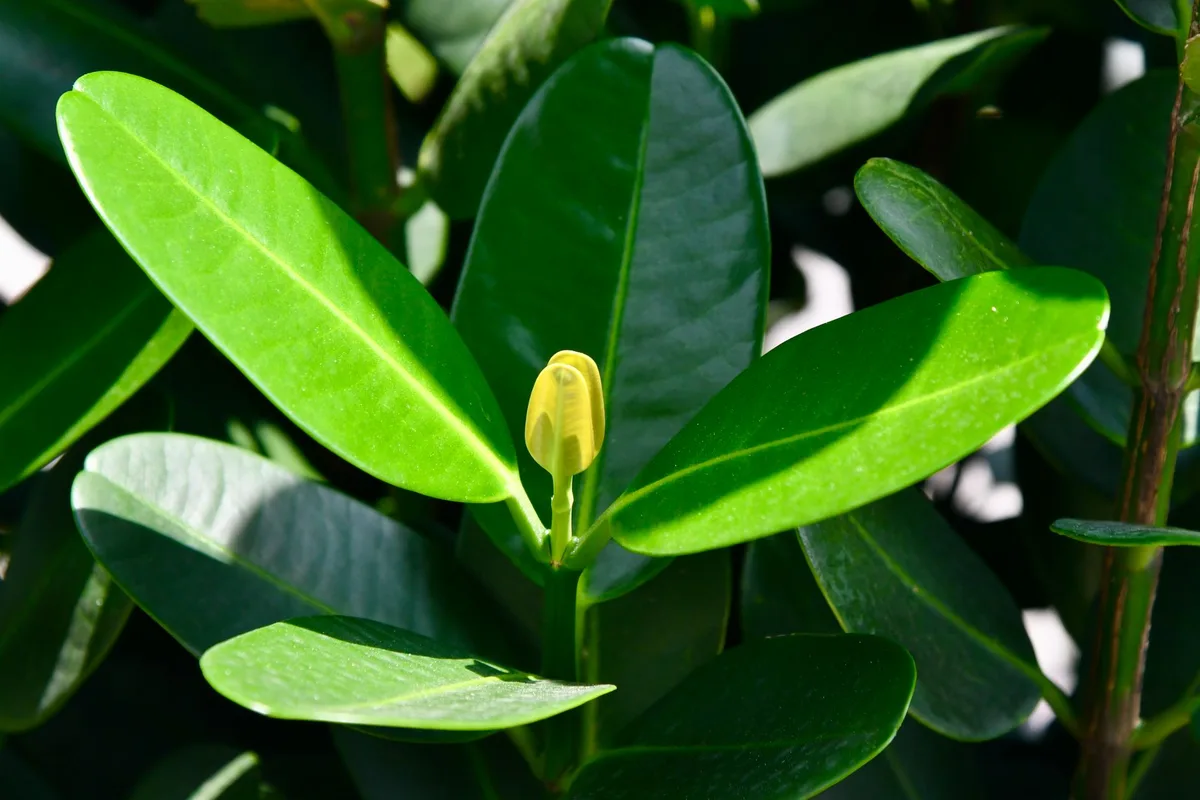
*   **How to Check:** Look closely at individual leaves for the tell-tale blisters or discolored patches. Squeezing a suspected leaf might reveal tiny maggots inside if the infestation is active.
*   **The Fix:** For minor infestations, carefully remove and destroy affected leaves. For more significant problems, insecticidal soaps or horticultural oils can be effective, especially when applied to catch the adult insects before they lay eggs. Timing is critical, so research the life cycle in your specific region.
Spider Mites: These tiny arachnids thrive in dry, dusty conditions. They suck the sap from the leaves, causing stippling (tiny yellow or white dots). If left unchecked, this damage can spread, turning leaves yellow and eventually causing them to drop. Fine webbing on the leaves is another sign.
- How to Check: Look for the fine webbing and the distinct stippling on the leaves, tiny dots where the mites have fed.
- The Fix: A strong blast of water from the hose can knock them off and may be enough for small infestations. Increasing humidity around the plant, if possible, can also help deter them. Insecticidal soaps or neem oil are also effective treatments.
Integrated Pest Management:
Often, a combination of methods works best. Good cultural practices, like proper watering and avoiding plants placed too closely together, increase natural resistance. Regularly inspecting your plants is key to catching problems early.
If you are dealing with multiple pest issues, consider looking into general garden pest control strategies that might offer broader solutions.
Diseases: Fungal and Bacterial Issues
While pests and watering are more common, certain diseases can also cause your boxwood to turn yellow. These often require prompt identification and action.
Boxwood Blight: This is a serious fungal disease that's become a significant threat to boxwood worldwide. It typically starts with dark or brown spots on the leaves, accompanied by yellowing. Stem lesions and rapid leaf drop follow. It can spread quickly, especially in humid conditions or when plants are stressed.
- How to Check: Look for distinctive dark spots on the leaves and dark streaks on the stems. The widespread yellowing and subsequent leaf drop are strong indicators.
- The Fix: Prevention is paramount. Ensure good air circulation, avoid overhead watering, and always purchase disease-free plants from reputable sources. If you suspect boxwood blight, consult with your local horticultural extension office immediately. Severely infected plants often need to be removed to prevent spread.
Root Rot: As mentioned under overwatering, root rot is a fungal disease that thrives in persistently wet soil. Damaged or suffocating roots can't transport water and nutrients effectively, leading to yellowing, wilting, and eventual plant death.
- How to Check: Symptoms often mimic drought stress, yellowing and wilting, even though the soil is saturated. The lower leaves may droop and turn yellow.
- The Fix: The best defense is good drainage. If a plant is already suffering from root rot, recovery can be challenging, but improving soil conditions and ensuring the plant dries out between waterings offers the best chance.
Disease Prevention:
- Sanitation: Always clean your pruning tools between plants, especially if you suspect disease.
- Airflow: Ensure your boxwood hedge has good air circulation around it. Avoid overcrowding.
- Watering Practices: Water at the base of the plant in the morning, allowing foliage to dry quickly.
Environmental Stress: It's Not Always a "Problem"
Sometimes, your boxwood might turn yellow simply because it's reacting to its environment. These stresses can be temporary or require adjustments to its placement or care.
Sunburn or Heat Stress: A sudden, intense heatwave, especially if your boxwood isn't accustomed to direct sun, can cause leaf scorching. The affected leaves might turn yellow, then brown. Newly planted boxwood is particularly vulnerable.
- The Fix: If possible, provide temporary shade during extreme heat, especially for young or newly transplanted plants. Ensure consistent, deep watering during hot spells.
Winter Damage: Boxwood is evergreen, but it can still suffer from harsh winter conditions. Cold, drying winds can desiccate the foliage, leading to browning or yellowing. Fluctuating temperatures can also cause stress.
- The Fix: This damage is often cosmetic and will improve with new growth in spring. For very young plants in harsh climates, a burlap wrap can offer protection against wind and sun.
Salt Damage: If your hedge is located near a road where de-icing salts are used, the salt spray can accumulate on the foliage. This can lead to yellowing, browning, and leaf tip burn.
- The Fix: Consider using salt-tolerant plants if you're in a high-salt area. If your boxwood is already there, try rinsing the foliage with fresh water after a salt application, if feasible.
When dealing with environmental stresses, observant gardening is key. You're looking for external factors rather than internal disease or pest issues. Understanding your local climate and the specific conditions of your garden site will help you anticipate and mitigate these stresses before they cause significant yellowing.
Putting It All Together: Your Next Steps
Now that we've explored the most common reasons for yellowing boxwood, it's time to figure out which one applies to your situation. This involves careful observation and a systematic approach to diagnosis. Think of yourself as a plant doctor, gathering symptoms to prescribe the right treatment.
Check the Soil Moisture
Your boxwood's root system is the first place to look. Grab a trowel or simply use your finger and dig down about two inches near the base of the hedge.
- If the soil feels dry or crumbly, your plant is likely thirsty. In this case, focus on consistent, deep watering.
- If the soil feels wet, heavy, or waterlogged, you might be overwatering or dealing with poor drainage. The roots are essentially drowning out there.
This simple test is often the quickest way to rule out or confirm major water-related issues. Proper soil moisture is fundamental for healthy roots.
Inspect for Pests
Next, get up close and personal with the foliage. Look for any signs of tiny invaders that might be sucking the life out of your boxwood.
- Examine leaves and stems for small insects, webbing, or discolored spots.
- Pay special attention to the undersides of leaves and new growth, as pests often hide there.
- If you see any suspicious little critters, try to identify them using a magnifying glass or a plant identification app.
A thorough pest inspection can reveal problems like spider mites or tiny leaf miners before they cause irreversible damage. Early detection is key for effective pest control.
Examine Leaf and Stem Issues
Beyond pests, look for distinct physical signs on the leaves and stems. This can help differentiate between diseases and other stressors.
- Are there any dark spots, lesions, or unusual growths on the leaves or stems?
- Check if the yellowing is uniform or if it's concentrated in specific patterns, like between leaf veins.
- Are affected leaves brittle, wilted, or showing signs of blight?
These visual cues are critical for identifying specific diseases like boxwood blight or physical damage from environmental factors.
Consider Recent Changes
Think back to what's happened in your garden recently. Changes in care routines or environmental conditions can trigger yellowing.
- Did you recently change your watering schedule, fertilize, or plant something new nearby?
- Have there been any extreme weather events like prolonged heatwaves, heavy rains, or frost?
- Were any new products used around the hedge, such as de-icing salts or herbicides?
Understanding the timeline of these changes can often point directly to the cause of the boxwood's distress. For example, yellowing after a heatwave suggests water stress.
Think About Your Location
The specific spot where your boxwood is planted plays a huge role in its health. Environmental factors unique to its location can create stress.
- Is your hedge in full sun, partial shade, or deep shade? Boxwood generally prefers partial shade.
- Is it exposed to strong winds or near de-icing salt sources like a driveway?
- Does the soil in that particular spot tend to stay wet, even after rain?
Evaluating the site conditions helps determine if the problem is due to the environment itself or how the plant is interacting with it. If your lawn is also struggling, learning the best lawn fertilizer might indirectly help improve the overall health of your garden's microclimate.
