
Frost is coming. Your butternut squash is still green. And you're wondering if butternut squash can ripen off the vine so you don't lose the whole harvest.
The answer is yes, but it comes with a major condition.
Only squash that has reached a certain maturity level will actually finish ripening after you pick it. University extension research shows the key indicator is the hardness of the rind. A squash that passes the fingernail test has a real chance of curing into a sweet, long-lasting winter staple.
But a squash picked too green won't ripen no matter how long you wait.
Let's walk through the situation you're facing and what your options actually are.

Image source: YouTube / S&K Greenhouse (YouTube thumbnail (fair-use with source credit))
Quick Answer
Yes, butternut squash can ripen off the vine. But only if the skin is already hard. A soft green squash will not ripen.
It will rot or shrivel instead. The fingernail test is your best guide. Hard skin means you can save it.
Problem / Pain Point
Frost is Coming, Squash is Still Green
This is the moment every gardener dreads. The forecast shows a hard freeze in three days. Your butternut squash plants are still covered in green fruit.
The vines are healthy, but the squash haven't turned that familiar tan color yet.
You have two bad options. Leave them on the vine and risk losing everything to frost damage. Or pick them early and hope they ripen in storage.
Both choices feel like a gamble. The good news is that with the right information, it's not a gamble at all. It's a decision based on clear signs.
The Disappointment of Harvesting Too Early
The other side of this problem is the squash that never made it. Maybe you picked them in a panic. Maybe you were just impatient.
Either way, you ended up with a pile of green, hard squash that slowly shriveled over winter. Or worse, they softened and rotted before you got to eat them.
That's the real pain point here. You put months of work into those plants. You watered them, weeded them, and watched them grow.
Losing the harvest to bad timing stings. And the common advice online makes it worse. You hear "squash will ripen off the vine" without the details that actually matter.
The details about maturity, curing, and the difference between a squash that can be saved and one that's a lost cause.
| This squash can be saved | This squash is a lost cause |
|---|---|
| Skin is hard, cannot be punctured by a fingernail | Skin is soft, fingernail leaves a dent |
| Skin has started to turn tan or beige | Skin is completely green |
| Stem is dry and corky | Stem is green and moist |
| Squash feels heavy for its size | Squash feels light or hollow |
Core Explanation / How It Works
Why Squash Can Ripen Off the Vine
Butternut squash is a winter squash. That means it's harvested when fully mature, not when it's still growing like summer squash. The plant's natural life cycle has a built-in buffer.
Once the fruit reaches a certain stage, it can continue converting starches to sugars even after being separated from the vine.
This is called post-harvest ripening. It's the same process that happens with tomatoes, bananas, and apples. But the key difference is that squash needs a specific set of conditions to do it properly.
You can't just throw a green squash on the counter and expect it to turn sweet.
The Difference Between Ripening and Curing
This is where most people get confused. Ripening and curing are not the same thing. Ripening is the process of starches turning into sugars.
It's what makes the squash taste sweet. Curing is the process of the skin hardening and the moisture content evening out. It's what allows the squash to store for months.
A squash that is already mature enough to ripen needs to go through a curing phase first. That means warm temperatures, good airflow, and time. The curing phase heals any small cuts or bruises on the skin.
It also thickens the rind so the squash can survive long-term storage.
What's Actually Happening Inside
Inside the squash, enzymes are converting complex carbohydrates into simple sugars. This is why a freshly harvested squash often tastes bland. Give it a few weeks in the right conditions, and the flavor deepens.
The texture also changes. Moisture evaporates slowly through the skin. The flesh becomes denser and creamier.
University of Minnesota Extension research confirms that properly cured butternut squash can store for two to three months under ideal conditions. Some varieties last up to six months. But the quality depends entirely on the squash's maturity at harvest.
A squash that was too green will never develop that sweet, nutty flavor. It will stay bland and watery.
The Decision Tree: Is Your Squash Worth Saving?
This is where you stop wondering and start checking. Grab the squash in question and run through these four checks. Each one eliminates a possible outcome.
By the end, you'll know exactly what to do.
Check #1: Is the Skin Hard?
Press your fingernail into the skin. If it leaves a dent or a scratch, the squash is not mature enough. It will not ripen off the vine.
If your fingernail bounces off without leaving a mark, the squash has developed a hard rind. That's a good sign. It means the protective layer is in place.
Check #2: What Color is the Skin?
Fully mature butternut squash is a warm tan or beige color. Green patches mean the squash is still developing. The more green you see, the less likely it will ripen completely.
If the squash is more than 50% green, your chances drop significantly. If it's entirely green, you're better off cooking it now or composting it.
Check #3: How's the Stem Looking?
The stem is a direct window into the squash's maturity. A dry, corky, brown stem means the squash was ready to harvest. A green, moist, flexible stem means the squash was still receiving nutrients from the vine.
That squash is not ready to ripen off the vine. It will likely shrivel or rot in storage.
Check #4: Is Frost Actually Imminent?
This changes everything. If temperatures are forecast to drop below 30°F, you have to harvest regardless of the squash's maturity. Frost damage turns squash into mush.
Even a light frost can soften the skin and introduce rot. In that case, you pick everything. Then you sort through the decision tree to see which ones are worth curing.

Image source: YouTube / Hillside Urban Garden (YouTube thumbnail (fair-use with source credit))
The Decision Branches
| Condition | What to Do | Expected Outcome |
|---|---|---|
| Hard skin, tan color, dry stem | Cure immediately, then store | Excellent, will store 2-6 months |
| Hard skin, some green patches, dry stem | Cure and hope for further ripening | Good, may finish ripening in 2-3 weeks |
| Hard skin, mostly green, green stem | Cure but check frequently | Fair, may partially ripen, use first |
| Soft skin, any color, green stem | Do not cure. Cook now or compost | Poor, will not ripen, will rot |
| Frost is imminent, any condition | Harvest everything, then sort | Follow above rows based on individual checks |
Step-by-Step Process: How to Ripen Butternut Squash Indoors
If your squash passed the checks, here's how to give it the best chance of becoming a sweet, storage-worthy winter staple. Follow these steps in order. Skipping any of them reduces your chances of success.
Harvesting the Right Way
Use pruning shears or a sharp knife. Cut the stem about two to three inches above the squash. Do not twist or break the stem off.
That wound is an entry point for bacteria. A long stem also helps prevent moisture loss during storage. Handle the squash gently.
Bruises and cracks are invitations for rot.
Cleaning and Prepping
Brush off loose dirt with your hands or a soft brush. Do not wash the squash. Water introduces moisture that can lead to mold.
If there are stubborn patches of soil, let them dry and brush them off later. Washing is the number one mistake people make right after harvest.
The Curing Phase
This is the most important step. Your squash needs warmth, airflow, and time. The ideal curing temperature is 75 to 85°F.
Humidity should be around 50 to 70 percent. A garage, a covered porch, or a spare room with a space heater and a fan can work. Spread the squash out in a single layer.
Do not pile them on top of each other. Give them space for air to circulate.
Curing takes 10 to 14 days. During this time, the skin hardens further. Small cuts heal over.
The moisture content inside the squash evens out. Turn the squash every few days so all sides get exposure to the air.
The Ripening Phase
After curing, the squash enters the ripening phase. This is when the starches convert to sugars. The process continues slowly over the next several weeks.
You don't need to do anything special. Just keep the squash in a cool, dark, dry place. The ideal temperature drops to 50 to 55°F at this point.
If you notice the squash starting to develop tan patches where it was green, that's a sign it's ripening. If it stays green and starts to shrivel, it was too immature. Use it immediately or compost it.
Moving to Long-Term Storage
Once the skin is fully hardened and the color is consistent, your squash is ready for storage. Place it on a shelf or a rack in a cool, dark, dry area. A basement or a root cellar works well.
Keep the temperature between 50 and 55°F. Humidity should stay around 50 to 70 percent.
Check your squash once a month. Remove any that show signs of soft spots or mold. One rotten squash can spoil the entire batch.
Properly stored butternut squash can last two to six months depending on the variety and the conditions.
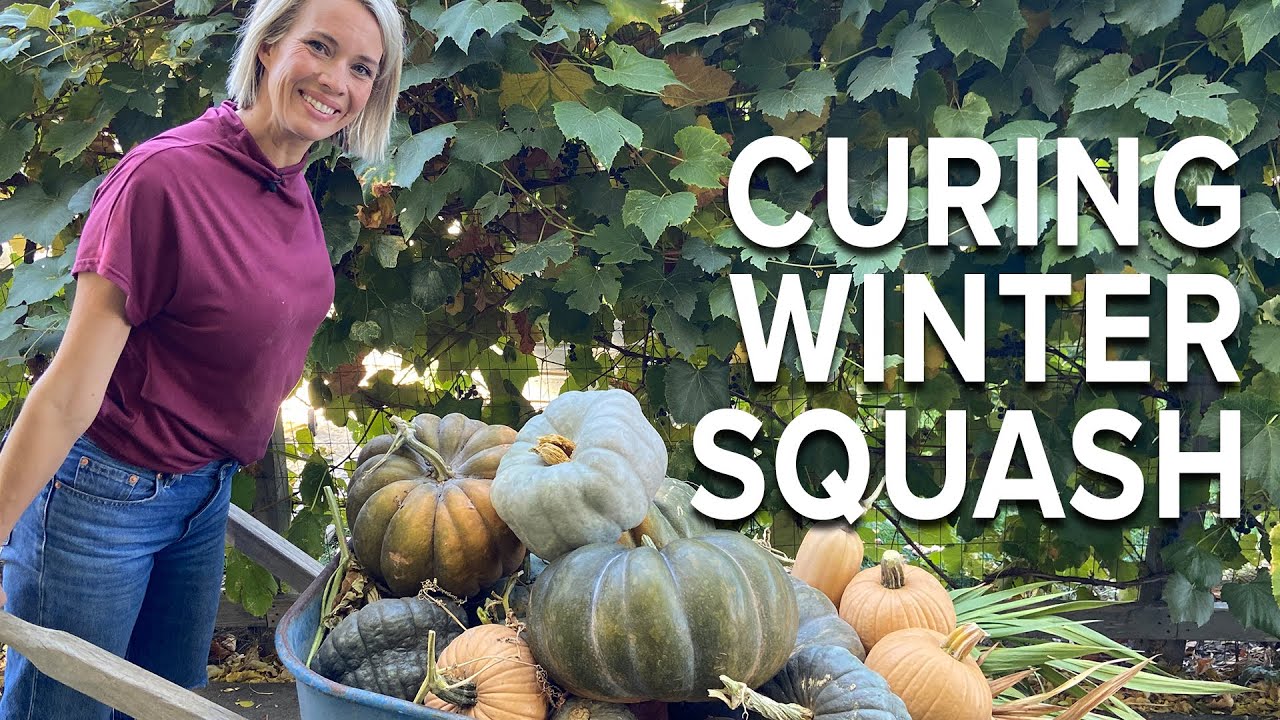
Image source: YouTube / Modern Gardener (YouTube thumbnail (fair-use with source credit))
If you're setting up a dedicated space for curing and storage, you might find some useful tips in our grow tent setup guide for controlling temperature and humidity. The principles of airflow and climate control transfer directly to squash storage.
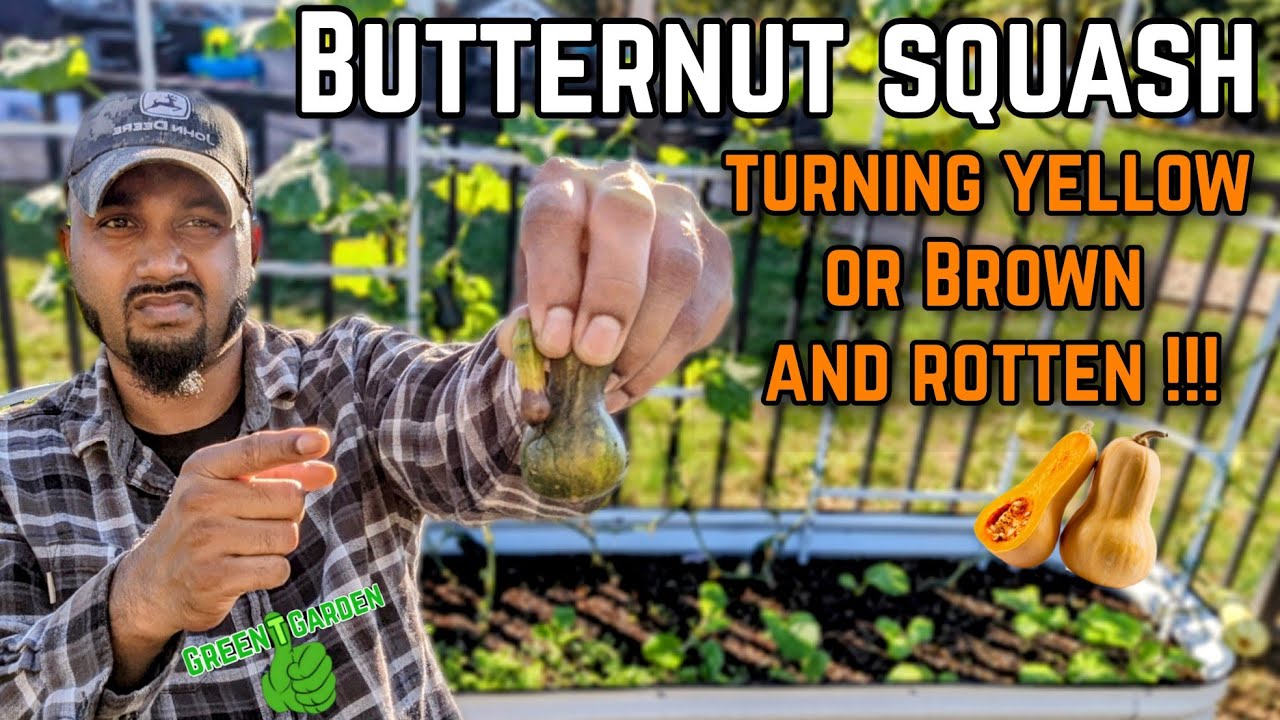
Image source: YouTube / GreenTGarden (YouTube thumbnail (fair-use with source credit))
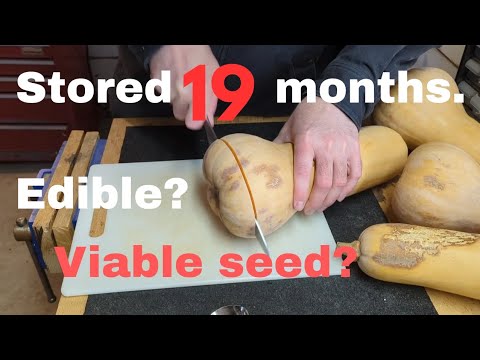
Image source: YouTube / UPnorth Homestead (YouTube thumbnail (fair-use with source credit))