
You've noticed something odd on your lilac bush's bark, and you're wondering if it's fungus. It’s a common concern for lilac owners, especially when leaves start to look a bit off or spots appear on the stems. Understanding what you're seeing is the first step to helping your plant thrive.
In our research, we found that while several issues can mimic fungal growth, identifying the specific culprit is key to effective treatment. Per horticultural guidelines, proper identification often relies on visual cues, plant health indicators, and knowing common lilac ailments, which can be as varied as powdery mildew occurring on up to 70% of susceptible plants in humid conditions. Identifying the problem accurately ensures you choose the right solution.
Quick Answer
Fungus on lilac bush bark often presents as white powdery patches, dark spots, or cracking. Powdery mildew is common and usually harmless, treatable with improved airflow and water management. More serious issues like fungal cankers or bacterial blight require aggressive pruning and tool sanitation.
Mushrooms on the bark indicate deep decay, potentially signaling a need for plant removal.
What's That on Your Lilac Bark? Spotting the Suspects
Seeing something unusual on your lilac's bark can be a bit worrying. Don't jump to conclusions just yet, though. Many things can cause spots, discoloration, or odd textures on bark, and not all of them are serious fungal infections.
The key is to observe closely. Our research indicates that accurate identification is the most critical step before you grab any treatment. Think of it like a plant doctor's initial diagnosis: you need to know what you're dealing with before prescribing medicine.
Quick Look: Common Fungus Types on Lilacs
Here’s a quick rundown of what you might be seeing:
- Powdery Mildew: This is probably the most common issue. It looks like someone sprinkled white flour or talcum powder on the bark, leaves, and twigs. It’s usually more unsightly than harmful, especially later in the season.
- Fungal Spots or Cankers: These appear as distinct dark spots, lesions, or sunken areas within the bark. They might have a purplish or even black edge. Sometimes, a sticky or gummy sap oozes from these spots, which can be a sign of bacterial infection too.
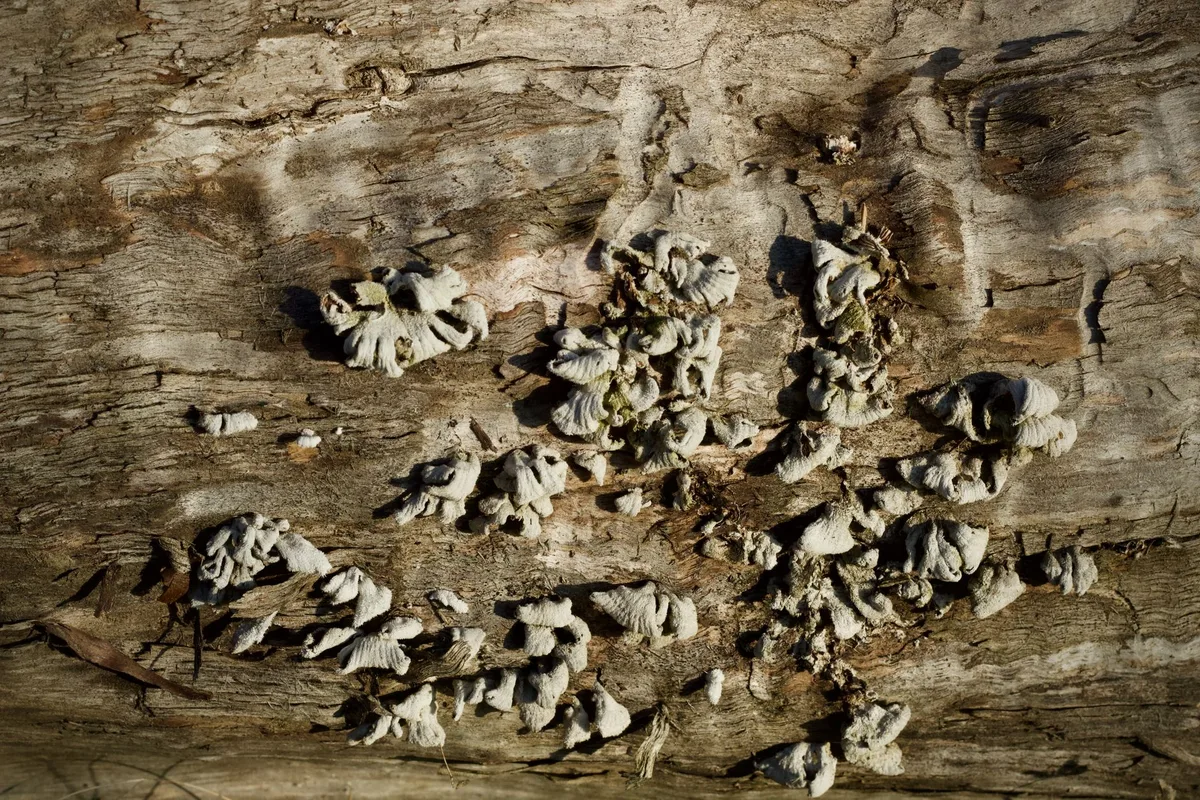
- Wood Rot Fungi: If you see actual mushrooms or shelf-like growths (conks) sprouting directly from the bark or trunk, this points to a deeper, internal decay where the fungus has been active for a while. This is typically the most serious sign.
Identifying the Fungus: Your First Detective Step
Before you reach for any sprays or start pruning, take a moment to really look at what’s going on. The appearance and location of the blemish can tell you a lot about its cause and how to deal with it.
Powdery Mildew: The White Duster
This is hands-down the most frequent visitor to lilac bushes. It typically shows up in late summer or early fall, especially after a spell of damp weather and cooler nights. It creates those distinctive white, powdery patches that easily brush off but soon reappear.

While it can make your otherwise beautiful lilac look a bit shabby, it rarely causes significant damage to established, healthy plants. It just doesn't look great. The focus here is less on eradication and more on managing its spread and preventing it from stressing the plant, especially if it’s young or already struggling.
Dark Spots & Sores: More Serious Signs
If you see dark, distinct spots or areas that look sunken into the bark, that’s a different story. These could be early signs of fungal cankers or even bacterial infections like bacterial blight, which can affect the bark as well as the leaves and stems. These types of issues can weaken branches and, if left unchecked, can girdle a stem and kill it.
The patterns of these spots are important. Are they isolated, or are they spreading? Do they seem to follow a specific line on a branch?
Our review of horticultural texts suggests that the margins of these lesions, whether sharp or fuzzy, and the presence of any ooze, are key diagnostic features.
Cracked Bark & Gummy Sap: Bacterial Blight or Cankers?
Sometimes, the bark itself looks unhealthy. You might notice cracking that seems more than just normal aging, or perhaps sections of it are peeling away. A very common indicator accompanying these issues is a gummy, sticky substance oozing from the affected areas.
This oozing sap, often described as being amber or brown in color, frequently points towards either bacterial blight or a more aggressive form of fungal canker. Bacterial blight, specifically, is known for causing dark, water-soaked lesions that can quickly spread and kill portions of the bark on branches and even main stems. This condition is more serious and requires prompt action to prevent significant plant loss.
Mushrooms on the Trunk: A Sign of Deep Trouble
Seeing mushrooms growing directly out of the bark or trunk of your lilac is rarely good news. These are the fruiting bodies of a fungus that has been living and feeding inside the woody tissues of the plant. This means there’s significant internal decay occurring.
For a plant to support mushroom growth on its exterior, the internal structure has likely been compromised over a considerable period. This often indicates a root rot or a widespread woody stem rot. While removing the mushrooms themselves won't solve the problem, their presence is a flashing red light that the plant’s structural integrity might be failing.
Your Action Plan: What to Do About It
Once you have a clearer idea of what you're seeing on your lilac, it's time to choose the right course of action. The solutions vary quite a bit depending on the specific issue.
Treating Powdery Mildew: Keep It Simple
Since powdery mildew is so common and usually not life-threatening, the approach is often more about managing its appearance and preventing it from stressing the plant. For mild cases found on healthy lilacs, often no treatment is strictly necessary beyond basic plant care.
- Improve Airflow: This is crucial. Prune out any crowded or crossing branches to allow air to circulate freely through the shrub. Good airflow helps leaves and bark dry out faster, making it harder for mildew to take hold. If you're looking for other plant care tips, check out our guide on hoes to get rid of garden weeds, as good overall garden hygiene helps.
- Watering: Water at the base of the plant, avoiding splashing the leaves and stems, especially in the evening. Wet foliage overnight creates an ideal humid environment for mildew to thrive.
- Fungicides: If the mildew is particularly heavy or bothersome, you can use a fungicide. Look for products specifically labeled for powdery mildew on ornamental shrubs. Applying it during the early stages of infection is most effective.
- DIY Sprays: A popular, gentler option is a mixture of 1 tablespoon baking soda and 1 teaspoon of liquid household soap in a gallon of water. Spray this on affected areas in the early morning or late evening to avoid scorching the leaves.
Tackling Fungal Spots and Cankers: Pruning and Sanitation
When you're dealing with distinct dark spots, lesions, or sunken cankers on the bark, you need to be more aggressive and very precise with your actions. These cankers are often caused by fungal pathogens that can spread easily.
The most effective method is to remove the infected parts of the plant. Using clean, sharp pruning shears, cut away the affected branches. It's vital to cut well below the visible signs of infection, into healthy, green wood, to ensure you've removed all the diseased tissue.
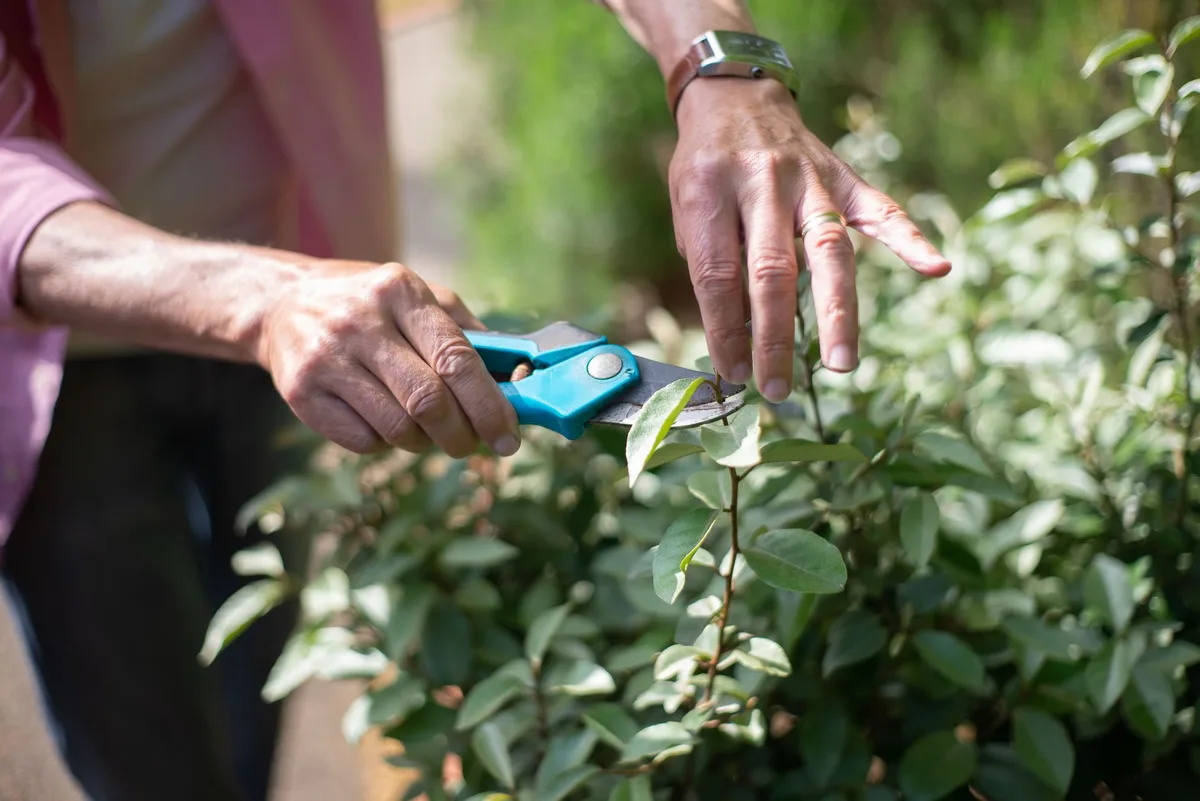
Crucially, after every single cut, you must sanitize your pruning tools. This prevents you from accidentally transferring the fungus or bacteria to another part of the plant or to a different branch. A simple rinse with rubbing alcohol or a 1:9 bleach-to-water solution works well.
After pruning, bag up all the diseased material and dispose of it away from your garden to prevent reinfection. Good plant health generally is key; ensuring your lilac gets the what kind of fertilizer for grass to use or right nutrients according to its needs supports its immune system.
Addressing Bacterial Blight: Vigilance is Key
Bacterial blight can be one of the more challenging issues to manage on lilacs, primarily because it’s caused by bacteria, not fungi, and can spread rapidly. The bark might show dark, water-soaked lesions, cracking, and often a gummy ooze.
If you suspect bacterial blight, your approach is very similar to treating cankers, pruning out infected material is key. You’ll need to make cuts into healthy wood, well past the visible symptoms. Absolute dedication to sanitizing your pruning tools after each cut is non-negotiable, as bacteria spread easily on tools and water.
Also, focus on good watering practices. Avoid overhead watering, which can splash bacteria around. Ensuring good drainage around the root zone is also important, as stressed plants are more susceptible.
If bacterial blight is a persistent problem, and you're considering other garden projects, remember that maintaining healthy soil is always beneficial, much like proper compost vs fertilizer choices impact your garden's overall well-being.
Essential Tools for the Job
When you’re dealing with potential fungal or bacterial issues on your lilac's bark, having the right tools makes all the difference. You don't need a huge toolkit, but the few items you absolutely need must be in good working order and clean.
The Right Pruners for Healthy Cuts
For pruning infected branches or improving airflow, you’ll want sharp bypass pruners. These are the ones that work like scissors, with two blades passing each other.
They make clean cuts that heal more quickly, which is crucial for helping the plant recover and reducing entry points for further disease. Avoid using dull or anvil-style pruners, as they can crush stems and introduce more damage. If you're working on larger branches, bypass loppers will be your go-to tool.
Keeping Your Tools Clean: Avoiding Spread
This cannot be stressed enough: cleanliness is paramount when dealing with plant diseases. Whether you’re using pruners, loppers, or even a small hand trowel, you must sanitize them regularly.
- Rubbing Alcohol: A common and effective disinfectant. Keep a small spray bottle or a cloth soaked in 70% isopropyl alcohol handy. Wipe down your blades after every cut, especially when moving from an infected branch to a healthy one.
- Bleach Solution: A 1:9 solution of household bleach and water is also effective. Be aware that bleach can be corrosive to metal over time, so rinse your tools with plain water and dry them thoroughly after using bleach to prevent rust and degradation.
Neglecting tool sanitation is one of the quickest ways to spread disease throughout your garden, turning a small problem into a widespread infestation. This meticulous care is a fundamental part of good garden maintenance, similar to ensuring you have the right what is the best lawn fertilizer for optimal turf health.
Common Mistakes and How to Dodge Them
Even with the best intentions, it’s easy to stumble when trying to care for a plant with bark issues. Learning from common missteps can save your lilac a lot of trouble.
Ignoring Early Signs
The biggest mistake, by far, is waiting too long to act. Many fungal and bacterial issues start small, and it’s tempting to dismiss a few odd spots as nothing serious. However, these problems can spread rapidly.
By the time you notice significant cracking, oozing sap, or widespread lesions, the infection might be too advanced to manage effectively with simple pruning. Acting early means a smaller problem to tackle and a higher chance of success.
Improper Pruning Techniques
Haphazard pruning is another common pitfall. Simply snipping off a visible spot without cutting into healthy tissue means the infection remains. You must cut back far enough to remove all diseased material.
Also, using dull or dirty tools will either tear the plant tissue, making it vulnerable, or spread the infection to healthy parts of the plant. Always think about the type of cut you're making and the cleanliness of your tools. If you're ever unsure about repairing a plant issue, resources like our guide on how to repair a lawn mower without a technician can offer a framework for systematic problem-solving that applies to plant care too.
Forgetting Tool Sanitation
This mistake is incredibly common and incredibly damaging. Many gardeners diligently prune but forget to clean their tools between cuts. As we've emphasized, this leaves you essentially acting as a disease vector, spreading whatever is on the blade to every subsequent cut you make.
Without a system for regular sanitation, ideally after every cut on infected material, you are inadvertently helping the disease to spread, often faster than it would have on its own. This is non-negotiable for effectively treating cankers and blight.
When Mushrooms Appear: Assessing the Damage
Seeing mushrooms on your lilac's bark is a clear sign that internal decay is present. These fungi are breaking down the wood, which means the strength and health of the plant are compromised. This is typically the most severe indicator of a fungal problem and requires a careful assessment.
Our review of horticultural literature indicates that these shelf fungi, like Ganoderma species, often target older, stressed, or injured trees and shrubs, including lilacs. They thrive in moist, decaying wood. The presence of these fruiting bodies suggests that the fungal infection has been established within the woody tissues for a significant period, often years, before visible signs appear on the exterior.
Is the Tree Worth Saving?
When mushrooms appear, the big question becomes: is the lilac still a viable part of your garden? This depends on the extent of the decay and the plant's overall condition.
- Location of Growth: If the mushrooms are growing from the main trunk or a major structural branch, it’s a serious concern. This indicates decay is affecting the plant’s primary support system.
- Overall Health: Is the lilac still producing healthy leaves and flowers, or does it look generally weak and stressed? A strong plant might have a better chance of compartmentalizing the decay, but if it's already struggling, the mushrooms are a dire warning sign.
- Risk Assessment: Consider the lilac's location. Is it in a high-traffic area where a falling branch or even the entire plant could cause damage or injury? Safety should be a primary consideration. If the plant is near a walkway, patio, or play area, the risk of structural failure increases the urgency of your decision.
Essential Tools for the Job
When you’re dealing with potential fungal or bacterial issues on your lilac's bark, having the right tools makes all the difference. You don't need a huge toolkit, but the few items you absolutely need must be in good working order and clean.
The Right Pruners for Healthy Cuts
For pruning infected branches or improving airflow, you’ll want sharp bypass pruners. These are the ones that work like scissors, with two blades passing each other. They make clean cuts that heal more quickly, which is crucial for helping the plant recover and reducing entry points for further disease.
Avoid using dull or anvil-style pruners, as they can crush stems and introduce more damage. If you're working on larger branches, bypass loppers will be your go-to tool. When choosing which garden tools to invest in, consider quality for durability and performance, much like selecting the right how do I know what size trimmer line I need for your string trimmer.
Keeping Your Tools Clean: Avoiding Spread
This cannot be stressed enough: cleanliness is paramount when dealing with plant diseases. Whether you’re using pruners, loppers, or even a small hand trowel, you must sanitize them regularly.
- Rubbing Alcohol: A common and effective disinfectant. Keep a small spray bottle or a cloth soaked in 70% isopropyl alcohol handy. Wipe down your blades after every cut, especially when moving from an infected branch to a healthy one.
- Bleach Solution: A 1:9 solution of household bleach and water is also effective. Be aware that bleach can be corrosive to metal over time, so rinse your tools with plain water and dry them thoroughly after using bleach to prevent rust and degradation.
Neglecting tool sanitation is one of the quickest ways to spread disease throughout your garden, turning a small problem into a widespread infestation. This meticulous care is a fundamental part of good garden maintenance.
Common Mistakes and How to Dodge Them
Even with the best intentions, it’s easy to stumble when trying to care for a plant with bark issues. Learning from common missteps can save your lilac a lot of trouble.
Ignoring Early Signs
The biggest mistake, by far, is waiting too long to act. Many fungal and bacterial issues start small, and it’s tempting to dismiss a few odd spots as nothing serious. However, these problems can spread rapidly.
By the time you notice significant cracking, oozing sap, or widespread lesions, the infection might be too advanced to manage effectively with simple pruning. Acting early means a smaller problem to tackle and a higher chance of success.
Improper Pruning Techniques
Haphazard pruning is another common pitfall. Simply snipping off a visible spot without cutting into healthy tissue means the infection remains. You must cut back far enough to remove all diseased material.
Also, using dull or dirty tools will either tear the plant tissue, making it vulnerable, or spread the infection to healthy parts of the plant. Always think about the type of cut you're making and the cleanliness of your tools. If you're ever unsure about repairing a plant issue, resources like our guide on how to repair a lawn mower without a technician can offer a framework for systematic problem-solving that applies to plant care too.
Forgetting Tool Sanitation
This mistake is incredibly common and incredibly damaging. Many gardeners diligently prune but forget to clean their tools between cuts. As we've emphasized, this leaves you essentially acting as a disease vector, spreading whatever is on the blade to every subsequent cut you make.
Without a system for regular sanitation, ideally after every cut on infected material, you are helping the disease to spread, often faster than it would have on its own. This is non-negotiable for effectively treating cankers and blight.
Making Your Lilac Healthier Long-Term
Preventing fungal issues on lilac bark is always better than treating them. The best defense is a strong, healthy plant that can naturally resist disease. Focusing on good horticultural practices throughout the year will go a long way.
Watering Wisely for Fungal Prevention
How and when you water your lilac can have a big impact on its susceptibility to fungal diseases like powdery mildew. Fungi thrive in consistently moist conditions, especially on foliage.
- Target the Roots: Always aim to water the base of the plant, directly onto the soil, rather than spraying the leaves. This keeps the foliage dry, which is less hospitable for fungal spores.
- Timing Matters: Water in the morning if possible. This allows any moisture that does splash onto the leaves or get on the bark to dry off relatively quickly during the day, especially if you're in a humid climate. Evening watering can leave foliage wet overnight, creating perfect conditions for fungal growth.
Boosting Airflow with Smart Pruning
Good air circulation is critical for preventing many common lilac diseases. Think of it as giving your plant room to breathe. Overcrowded branches create a microclimate that holds moisture and traps fungal spores.
Regular pruning, especially during the dormant season (late winter or early spring), helps to open up the shrub's canopy. Remove any crossing branches, weak stems, or deadwood. The goal is to create an open structure where air can easily move through, drying surfaces faster and dispersing spores before they can cause serious infection.
This also makes it easier for you to spot any emerging problems early on.
Feeding Your Lilac for Strong Defense
A well-nourished plant is a more resilient plant. While over-fertilizing can sometimes lead to excessive, tender new growth that's more susceptible to disease, providing balanced nutrition is important for overall vigor.
Using a balanced fertilizer, or one formulated for flowering shrubs, in the spring can support healthy growth throughout the season. It's also beneficial to incorporate organic matter, like compost, into the soil around your lilac. This helps improve soil structure and provides essential nutrients naturally.
Remember, the aim is healthy, sturdy growth, not lush, weak growth that invites pests and diseases. If you're looking to improve your soil generally, understanding the role of various soil amendments, similar to differing what kind of fertilizer for grass to use, is key.
When to Call in the Pros
While most fungal issues on lilacs can be managed with diligent care and basic treatments, there are times when you'll need the expertise of a professional. Knowing when to step back and call for help is a sign of good gardening practice, rather than a failure.
Signs You Need an Expert Opinion
If you're uncertain about the diagnosis, especially if you see signs that suggest internal decay or very aggressive disease, it's wise to consult a professional. This includes situations where you see those mushrooms growing on the bark, or if a disease has spread rapidly despite your best efforts.
A certified arborist or a local master gardener program can often provide a definitive diagnosis and recommend treatment strategies tailored to your specific lilac and its environment. They have specialized knowledge and tools to assess plant health and structural integrity. Sometimes, a professional's assessment is crucial for determining if a plant is indeed salvageable or if its removal is the safest and most responsible option for your garden.