
Your holly tree looks dead. Don't panic yet. That brown, bare, or brittle-looking tree you're staring at might be taking a normal seasonal nap.
Many gardeners jump straight to removal before running the simplest checks.
A 2025 guide from the University of Illinois Extension notes that over 60% of winter holly questions turn out to be normal dormancy or freeze stress. Knowing the difference saves time, money, and a perfectly healthy tree. Let's start with the first thing you need to figure out.
Quick Answer
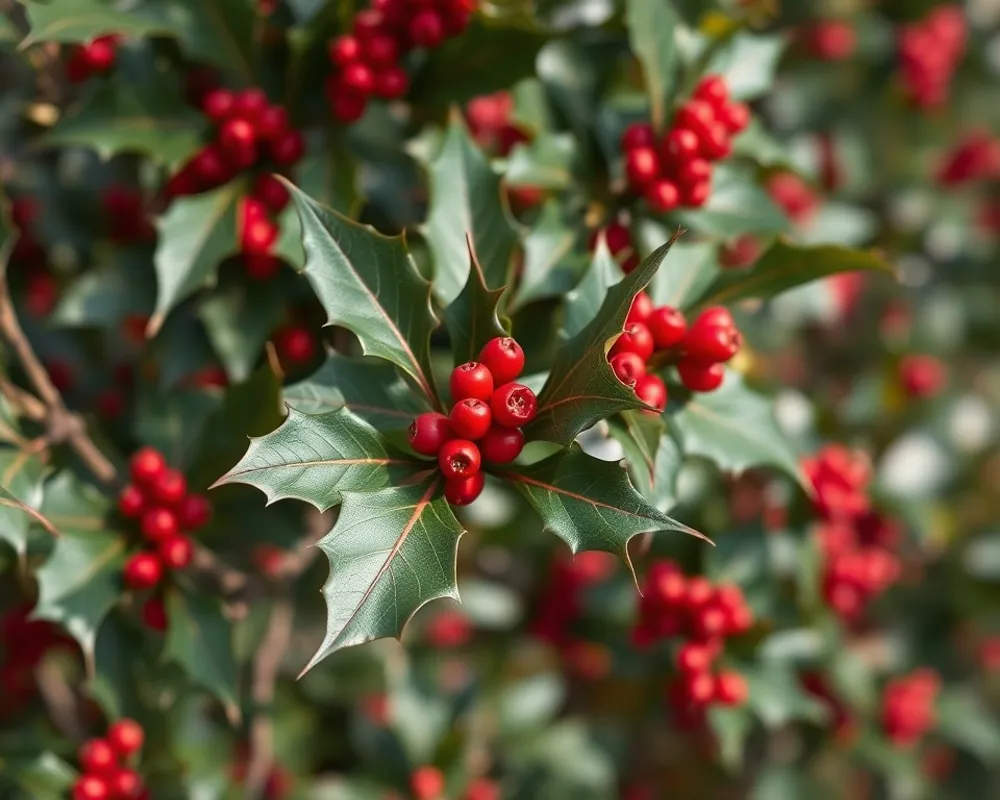
Your holly tree looks dead but it may not be. Deciduous hollies lose leaves every winter. Evergreen hollies can freeze and turn brown.
Use the scratch test to check for green cambium. Wait until late spring before giving up. Most holly trees recover with proper care.
First, Know What Kind of Holly You Have
Evergreen vs. Deciduous: Why It Matters
Holly isn't just one kind of plant. The genus Ilex includes both evergreens and deciduous species. American holly (Ilex opaca) and English holly (Ilex aquifolium) hold their leaves year-round.
Winterberry (Ilex verticillata) drops every single leaf in fall.
That distinction changes everything. If your holly is a deciduous variety and it's winter, bare branches are normal. If it's an evergreen and the leaves are brown, you have a real problem to investigate.
Check the tag or take a close look at the leaf shape. Evergreen hollies have thick, glossy, spiny leaves. Deciduous hollies have thinner, softer leaves that fall off when temperatures drop.
Knowing which type you own is the first fork in this decision tree.
The Seasonal Factor: What Time of Year Is It?
Timing is your best clue. A holly that looks dead in January is dramatically different from one that looks dead in July.
In late fall and winter, deciduous hollies enter full dormancy. They stop circulating water and sap. Branches may look gray and brittle.
That's not death, it's survival mode. Evergreen hollies also slow down but keep their leaves.
In spring and summer, brown leaves mean something else. You're likely looking at freeze damage from a late frost, root rot from wet soil, or pest pressure. The USDA Plant Hardiness Zone Map can help you know your region's last frost date.
That date is crucial for timing your assessment.
If it's early spring, wait a few weeks before making any harsh decisions. Many hollies leaf out late, even after severe winter dieback.
The Step-by-Step Diagnosis Workflow
Use these four simple tests in order. They work on both evergreen and deciduous hollies. Perform them gently.
You don't want to damage living tissue while checking.
| Test | What to Look For | What It Means |
|---|---|---|
| Scratch test | Green cambium under bark | Branch is alive |
| Snap test | Branch bends without snapping | Wood is still living |
| Bud inspection | Swollen green buds present | Tree will leaf out |
| Root check | Firm white roots | Root system is healthy |
Step 1: The Scratch Test (Cambium Check)
Take a small branch near the trunk. Use your thumbnail or a clean knife to scratch away a thin strip of outer bark.
Look at the layer underneath. If it's green and moist, the branch is alive. If it's brown, tan, or dry, that branch is dead.
Test several branches at different heights. A tree can be partly dead and partly alive.
Scratch close to the trunk, not at the tip. The cambium near the main stem stays viable longer.
Step 2: The Snap Test (Branch Flexibility)
Pick a thin twig about the thickness of a pencil. Bend it gently.
A living holly branch bends without snapping. It feels flexible and maybe a bit rubbery. A dead branch breaks cleanly with a dry snap.
It might even feel hollow.
Try this on a few branches from different sides of the tree. If most branches snap, the tree is in serious trouble. But one or two brittle tips don't mean the whole tree is gone.
Step 3: Bud Inspection (Look for Swellings)
Examine the tips of the branches and the leaf nodes. Even on a deciduous holly, living buds look slightly swollen and may show a hint of green.
Dead buds are shriveled, black, or fall off when you touch them. On evergreen hollies, check the leaf axils for tiny developing buds. If you see any signs of green swelling, the tree is planning to grow.
No buds at all in late spring is a bad sign. But some hollies produce buds very late, especially after a cold winter.
Step 4: Root Check (Dig Gently)
If the above tests are inconclusive, check the roots. Use a hand trowel to carefully expose a few roots near the base. Don't dig deep, six inches is enough.
Healthy holly roots are firm, white or light tan, and smell like earth. Dead or rotting roots are brown, mushy, and may have a sour or foul smell. Root rot from Phytophthora fungi is common in poorly drained soil.
If the roots look healthy but the top looks dead, the tree still has a chance. If the roots are rotten, recovery is unlikely.
Common Causes of a "Dead-Looking" Holly
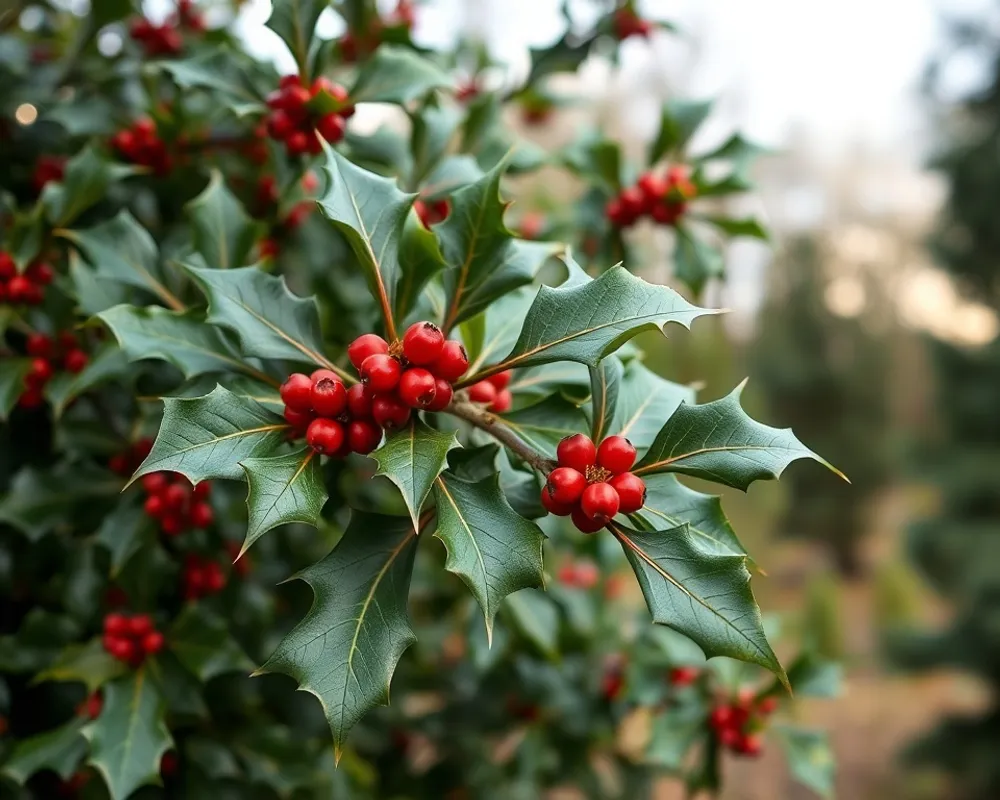
Dormancy (Normal for Deciduous Hollies)
This is the most common and least alarming cause. Deciduous hollies drop all leaves in late fall and stand bare through winter. They look exactly like dead sticks.
But dormancy has clear signals. The branches remain flexible. The bark stays smooth and intact.
Buds are present, just waiting for spring warmth. No action is needed, just patience.
Freeze Damage and Winter Burn
Evergreen hollies can suffer winter burn, especially in exposed sites or after a sudden temperature drop. Leaves turn brown, curl, or develop black spots.
The damage is often cosmetic. If the cambium is still green, the tree will push new leaves in spring. Prune off dead leaves and branches only when new growth starts.
Don't prune during a freeze. You'll open wounds that can't heal.
Root Rot from Poor Drainage
Holly hates wet feet. If your tree sits in heavy clay or a spot that holds water, root rot is likely. The leaves turn yellow, then brown, and the tree looks like it's dying from the top down.
This is serious. Improve drainage by adding organic matter or moving the tree to a raised bed. Water only when the top two inches of soil are dry.
Compost mixed into the soil can help break up heavy clay over time. The same principles apply to container plants where drainage is equally critical.
Scale Insects and Sooty Mold
Scale insects look like tiny brown or white bumps on stems and leaves. They suck sap and excrete a sticky substance called honeydew. That honeydew grows black sooty mold, which blocks sunlight.
A severe infestation can make the tree look half dead. Check the undersides of leaves and along stems. If you see spots or black coating, treat with horticultural oil in early spring.
Drought Stress or Salt Damage
Holly has shallow roots that dry out quickly. During a dry summer, leaves may curl, brown at the edges, and drop. Salt from road de-icers can cause the same symptoms, especially on trees near driveways.
Water deeply during dry spells, especially for the first two years after planting. If salt is the issue, flush the soil with fresh water and consider a physical barrier like burlap in winter.
Weeding around the base also helps reduce competition for moisture. Using the right garden hoe makes quick work of shallow weeds without disturbing holly roots.
What to Do Based on Your Diagnosis
Once you've run through the tests, you need a clear action plan. The right response depends entirely on what you found.
If It's Just Dormant — Wait and Watch
Do nothing. That's the hardest thing for most gardeners to accept.
Dormant deciduous hollies need cold weather to rest. They'll leaf out naturally when soil temperatures reach about 50°F. Water only if the ground is completely dry.
Don't prune. Don't fertilize.
Pruning during dormancy removes the buds that would become spring leaves. Wait until you see actual green growth. Then you can shape the tree if needed.
If It's Freeze-Damaged — Prune Only Dead Wood
Freeze damage looks dramatic but is often superficial. Leaves may be brown and crispy while the branches are still alive.
Wait until late spring to prune. New growth will tell you exactly where the living tissue ends. Cut back to a healthy outward-facing bud or to the main branch.
Use clean, sharp pruners to avoid tearing the bark.
Don't remove more than one-third of the tree in a single season. Multiple light prunings over two years are safer for a stressed holly.
If It's Root Rot — Improve Drainage Immediately
Root rot is the most urgent problem. The fungus Phytophthora thrives in wet soil and can kill a holly tree in weeks.
Stop watering immediately. Let the soil dry out. If the tree is in a low spot, consider transplanting it to a raised mound or a better-drained area.
Amend the soil with organic matter to improve aeration.
A soil pH test can also help. Holly prefers acidic soil between 5.0 and 6.5. Alkaline soil combined with poor drainage is a recipe for root rot.
Adding fertilizer meant for grass won't help here. This is a drainage issue, not a nutrition one.
If It's Pests — Treat with Horticultural Oil
Scale insects and spider mites are the most common pests on holly. They're easy to miss until the tree looks half dead.
Apply horticultural oil in early spring before new growth starts. The oil smothers overwintering eggs and adult insects. Follow the label instructions for dilution rates.
One application is usually enough for light infestations.
For heavy infestations, a second treatment two weeks later may be needed. Always spray in the evening or on a cloudy day to avoid leaf burn.
If It's Truly Dead — When to Remove and Replace
A holly tree is truly dead when every branch snaps dry, the cambium is brown from top to bottom, and the roots are rotten. At that point, no amount of waiting will bring it back.
Remove the tree to prevent pests and diseases from spreading to other plants. Dig out as much of the root system as you can. Replace with a holly variety suited to your site conditions.
Consider Japanese holly (Ilex crenata) for wetter areas or yaupon holly (Ilex vomitoria) for drier spots. Both are more forgiving than English or American holly.
Mistakes to Avoid When Assessing a "Dead" Holly
Pruning Too Early
This is the most common mistake we see in our research. Gardeners prune brown leaves in late winter, only to realize in April that they cut off living buds.
Brown leaves on evergreen hollies often stay attached even when the branch is alive. The leaf itself is dead, but the bud at its base is fine. Wait until you see new green growth before making cuts.
Overwatering a Stressed Tree
When a holly looks bad, the natural instinct is to give it more water. That's often the exact wrong move.
Overwatering suffocates the roots and encourages fungal disease. Holly roots need oxygen. If the top two inches of soil are already moist, adding water only makes things worse.
Using the Wrong Soil or Mulch
Holly hates heavy clay and alkaline soil. Planting in poor conditions sets the tree up for chronic stress.
Mulch helps, but only if applied correctly. Pile mulch right against the trunk and you trap moisture against the bark. That leads to rot and insect damage.
Keep mulch two to three inches deep and pulled back from the trunk by a few inches.
How Long Should You Wait Before Giving Up?
Patience is your best tool here. Most hollies that look dead in winter will show signs of life by mid-spring.
For deciduous hollies, wait until late May before deciding the tree is gone. Some varieties leaf out as late as early June after a hard winter. For evergreens, give them until early summer.
New buds can emerge slowly.
The International Society of Arboriculture (ISA) recommends waiting through a full growing season before declaring a tree dead. That means watching from spring through fall. If no new growth appears by the end of summer, the tree is unlikely to recover.
Don't rush. A holly that you think is dead in March might surprise you by July.
When to Call an Arborist (and What They'll Do)
Some situations need professional help. You should call an ISA-certified arborist if:
- The tree is large and close to your house
- Root rot has spread to other nearby plants
- You've done the scratch test and buds check but still can't tell
- The tree is a valuable specimen or has sentimental value
An arborist will do a more thorough assessment. They may use a resistograph to measure wood density or take a soil sample for lab analysis. They can also recommend treatments that aren't available to homeowners.
Cost varies by region, but a consultation typically runs between $75 and $200. That's cheaper than removing and replacing a mature holly tree.
Preventing Future "Looks Dead" Scares
Proper Planting Depth and Soil
Most holly problems start at planting time. The root ball should sit slightly above ground level, not below it.
Dig the hole twice as wide as the root ball but no deeper. Backfill with native soil mixed with compost. Water deeply once after planting, then let the soil settle naturally.
Watering Schedule for Your Climate
Holly needs consistent moisture but not constant wetness. Water deeply once a week during dry spells for the first two years. After that, the tree is drought-tolerant.
In sandy soil, water more often. In clay soil, water less. Adjust based on what your specific site needs, not a generic schedule.
Paying attention to when to fertilize lawn timing helps too, since holly care follows similar seasonal rhythms.
Winter Protection for Evergreen Hollies
Evergreen hollies lose water through their leaves all winter. If the ground is frozen, the roots can't replace that moisture. The result is winter burn.
Protect exposed trees with a burlap screen on the windward side. Water deeply before the ground freezes in fall. Apply a thick layer of mulch to insulate the roots.
A simple windbreak can make the difference between a healthy holly and another spring scare.
Frequently Asked Questions
Can a holly tree come back from brown leaves?
Yes, in most cases. Brown leaves on an evergreen holly don't mean the whole tree is dead. The leaf tissue may be damaged, but the buds and branches can still be alive.
Wait for new growth in spring. If the cambium is green, the tree will push fresh leaves.
Should I fertilize a holly that looks dead?
No. Fertilizing a stressed or dormant holly can do more harm than good. The tree can't use the nutrients effectively.
The salts in fertilizer can burn already damaged roots. Wait until you see active new growth in late spring. Then use a slow-release fertilizer formulated for acid-loving plants.
Is my holly dead if it lost all its leaves in winter?
Not necessarily. It depends on the variety. Deciduous hollies like winterberry drop all their leaves every fall.
That's normal. If your holly is an evergreen variety and lost all its leaves, that's a serious problem. Run the scratch test and check the buds before making any decisions.
How do I know if my holly tree has root rot?
Dig down about six inches near the base of the tree. Healthy roots are firm, white, and smell like fresh soil. Rotten roots are brown, mushy, and have a sour smell.
If the soil stays wet for more than three days after rain, root rot is likely.
Can I save a holly tree with winter burn?
Usually yes. Winter burn damages the leaves but not the branches. The tree will look brown and crispy, but new growth will emerge from the buds.
Wait until late spring to prune. Don't remove the brown leaves yourself. Let the tree push them off naturally.
Final Takeaway
Your holly tree looks dead, but it probably isn't. Most cases turn out to be dormancy, freeze damage, or a treatable issue. The scratch test, snap test, and bud inspection will tell you the truth in minutes.
Give the tree a full growing season before you give up. Water wisely. Prune only when you see new growth.
Keep the soil healthy and well-drained. With a little patience, you'll likely see green again. That's the thing about hollies, they're tougher than they look.