The question of how often to replace soil in raised beds is a common one, and the good news is that you likely don't need to do a full dump and refill every single year. In our research, we've found that maintaining healthy soil is more about consistent replenishment and care than complete overhauls. Keeping your raised beds productive involves understanding what your soil needs over time.
Think of it like tending to a good garden plant; you feed it, you give it nourishment, and it thrives. Similarly, soil in raised beds can be managed with regular additions of organic matter rather than a costly, yearly replacement. Manufacturer specifications for many bagged soil mixes, for instance, often indicate they are formulated for longevity when amended properly.
Quick Answer
You generally don't need to replace raised bed soil annually. Replenishing nutrients with 2-4 inches of compost each season is usually sufficient. Full replacement is rare, typically only needed for disease issues or severe neglect.
How Often Should You Really "Top Off" Your Raised Beds?
The core idea behind raised bed gardening is creating an ideal environment for your plants, and that environment relies heavily on the quality of your soil. Over time, the organic matter in your raised beds will decompose, nutrients will be used up by plants, and some compaction can occur. This isn't necessarily a bad thing; it's a natural process.
However, it means your soil will eventually need a little help to keep performing at its best.
Your goal isn't to sterilize and replace the soil every year, which would be costly and wasteful. Instead, we focus on maintaining and improving the soil's structure and nutrient content. This approach is far more sustainable and beneficial for your garden for the long haul.
It's Not a One-Size-Fits-All Answer
The frequency of soil replenishment isn't written in stone; it's more of an educated assessment based on what's happening in your garden. Several factors influence how quickly your raised bed soil breaks down or becomes depleted. Understanding these variables will help you decide whether a simple top-off or something more significant is needed.
Here are the main things we look at:
- What did you grow last season? Some plants are much hungrier than others.
- Did you add compost or other organic matter? Regular amendment is key.
- How is the soil looking and feeling? Physical inspection tells a lot.
- Are your plants happy? Plant performance is a direct indicator.
Let's Figure Out Your "Soil Refresh Schedule"
Instead of a strict calendar date, think about this as a guided check-in process. By observing your beds and plants, you can tailor your soil management to your specific needs for the season, possibly even into 2026.
Assess Last Season's Growth
The types of plants you grew have a significant impact on nutrient depletion.
- Heavy Feeders: If you grew a lot of energy-intensive crops like tomatoes, corn, squash, peppers, or leafy greens like kale and spinach, they really drew heavily on the soil's nutrients. These plants require a lot of nitrogen and other minerals to produce well. The more you harvested from them, the more it likely depleted your soil's reserves.
- Light Feeders/Cover Crops: Plants like beans, peas, and root vegetables (carrots, radishes) are generally less demanding. Legumes, in particular, actually add nitrogen back into the soil through symbiotic relationships with soil bacteria, which can enrich it naturally. If you planted a cover crop, like vetch or rye, and tilled it back into the soil, you've added significant organic matter and nutrients.
Look at What You Added (or Didn't Add)
Your track record with amending your soil plays a huge role in its current condition.
- Consistent Composting: If you've consistently added a good layer of compost to the top of your raised beds every fall or spring, you've likely been replenishing nutrients and improving soil structure year after year. This is the best long-term strategy for soil health. High-quality compost can act as a slow-release nutrient source and helps with moisture retention.
- No Amendments: If you planted your raised beds and rarely added any compost or other organic amendments, the soil structure will likely have broken down considerably. Without regular input, the soil can become less aerated and depleted of essential nutrients, impacting plant vigor.
Get Your Hands Dirty (Literally!)
This is where you actually get a feel for the soil's condition.
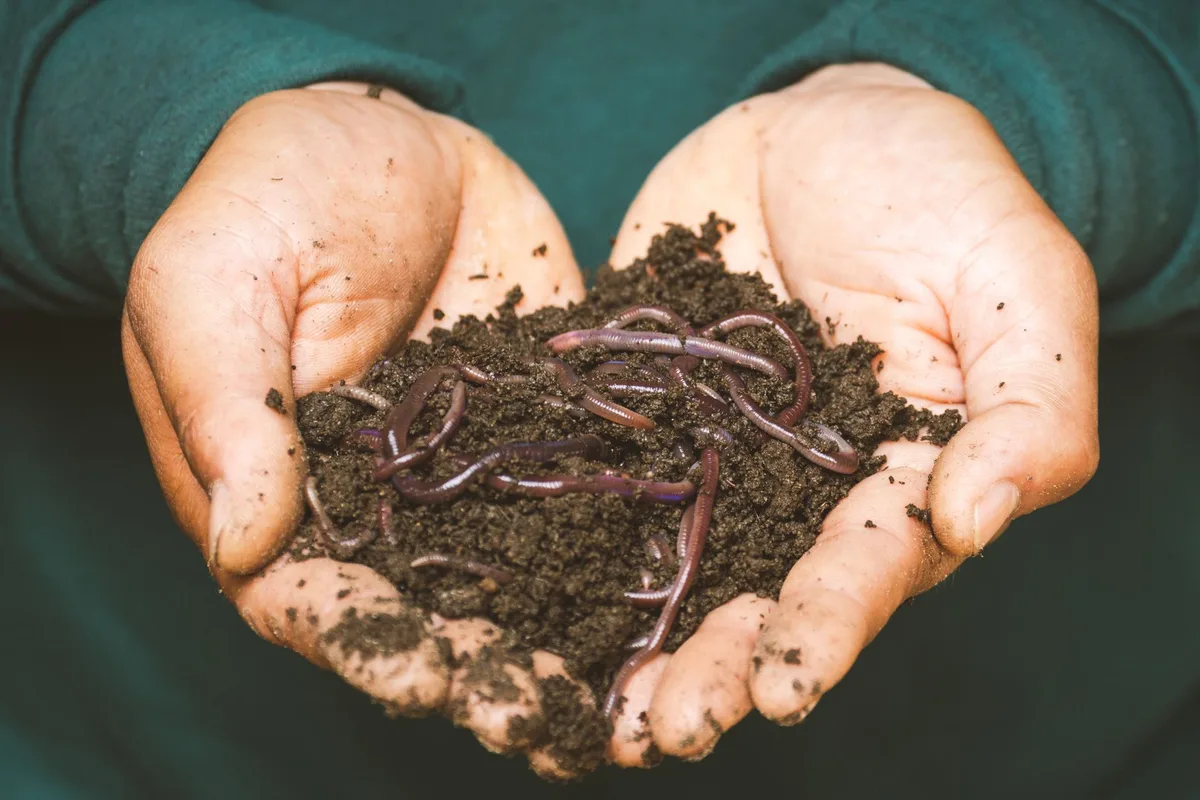
- Texture and Feel: Dig down a few inches into your raised beds, ideally in a few different spots. Does the soil feel loose, crumbly, and airy? Or is it dense, hard, and compacted?
- Crumbly and Loamy: This is ideal. It indicates good organic matter content and aeration. Keep up your current soil management practices.
- Hard and Dense: This suggests the organic matter has largely broken down, and the soil particles have settled closely together. This reduces air pockets, hinders water drainage, and makes it difficult for plant roots to penetrate.
- Drainage: Observe how your soil handles water. When you water, does the moisture absorb relatively quickly, or does it sit on the surface like a puddle for a long time? Poor drainage is a clear sign that the soil structure is failing to provide adequate aeration and movement of water through the soil profile.
- Life: Look for signs of soil life, such as earthworms. The presence of beneficial organisms is a strong indicator of a healthy soil ecosystem that is actively decomposing organic matter and cycling nutrients.
Observe Your Plants
Your plants themselves are often the most honest reporters of their environment.
- Poor Growth or Yellowing: If your plants consistently exhibit slow growth, stunted development, or leaves that are pale green or yellow (and you've ruled out common issues like inconsistent watering, pests, or diseases), it's a strong clue that the soil is not providing the necessary nutrients. This can be due to nutrient depletion or poor soil structure hindering nutrient uptake.
- Drought Stress: If your plants seem to dry out very quickly and wilt easily, even when you're watering consistently, it might indicate that the soil's ability to retain moisture has diminished. This often happens when the organic matter content has significantly decreased, as compost and other organic materials are crucial for holding water.
So, When Do I Actually Replace/Refresh?
Based on your assessment of last season's crops, the amendments you've added, and the physical condition of the soil and your plants, you can make an informed decision about what your raised beds need.
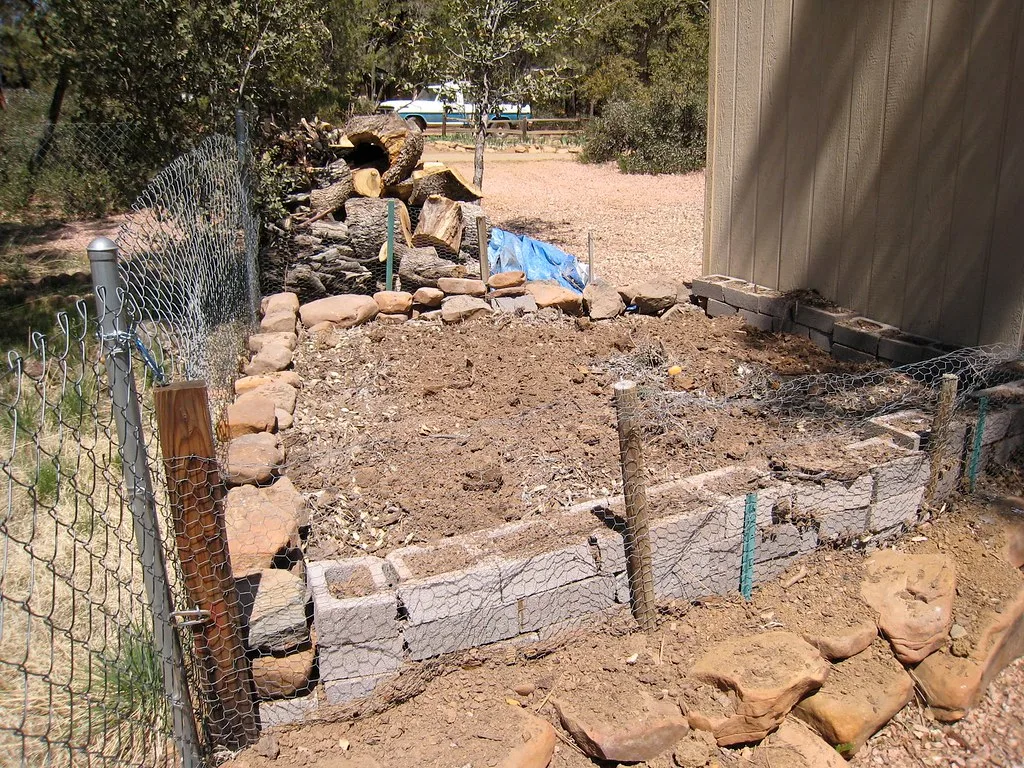
- You Probably Don't Need a Full Replacement (Most of the Time!): A complete soil replacement is a significant undertaking, involving removing all the old soil and filling the bed with entirely new material. This is typically only necessary in extreme cases. These might include a severe soil-borne disease outbreak (like root rot or aggressive fungal infections) that could persist if the old soil isn't removed. Another reason might be years of consistent neglect where no organic matter has been added, leading to a highly compacted, inert soil structure that’s beyond simple amendment.
- Focus on "Top Dressing" and Amendments: This is your go-to strategy for regular maintenance. Each season, add 2 to 4 inches of high-quality, finished compost or a well-balanced, specially formulated raised bed soil mix to the top of your existing bed. You can gently work this new layer into the top few inches of the old soil using a garden fork, or simply let earthworms and natural soil processes gradually incorporate it. This process replenishes depleted nutrients, adds fresh organic matter, and loosens the upper soil layers. For instance, adding compost is a widely recognized method for enriching soil, and recommendations for application rates often align with these figures, as confirmed by university extension data.
- Consider a Partial Refresh: If your soil is both significantly compacted and visibly exhausted after, say, 3 to 5 years of heavy vegetable gardening without much amendment, you might consider a partial refresh. This involves removing roughly 25-50% of the old soil from your raised beds and replacing it with fresh, high-quality soil and compost. This is a good middle ground, less work and expense than a full replacement, but more impactful than just a top dressing for severely depleted beds. This strategy can help breathe new life into tired soil without starting entirely from scratch, a method often discussed in horticultural resources.
Quick Tips for Happy Raised Bed Soil
Maintaining excellent soil in your raised beds is an ongoing practice that pays dividends in plant health and harvest yield. By adopting a few simple habits, you can significantly extend the life and productivity of your soil, reducing the need for costly replacements.
- Always Add Compost: This is your number one tool for soil health. Compost acts as a slow-release fertilizer, improves soil structure, enhances water retention, and supports beneficial microbial activity. Add a generous layer in the fall to allow it time to break down over winter, or in the spring before planting as a nutrient boost. When comparing soil amendments, compost consistently ranks high for its broad benefits. For those looking at specific soil needs, understanding the difference between compost and synthetic fertilizers is key; see our guide on compost vs fertilizer.
- Don't Compact: Avoid walking directly in your raised beds whenever possible. Compaction squeezes the air out of the soil, making it harder for roots to grow and water and nutrients to move through. Use designated pathways or broad planks to distribute your weight if you must step into very wide beds. Proper garden bed construction, as discussed in articles like special consideration while building own grow room, can also help minimize future compaction issues.
- Consider Cover Crops: Planting cover crops after your main harvest has concluded can dramatically improve soil structure, add organic matter, and suppress weeds. Crops like clover, vetch, or rye can be sown in the fall and then tilled into the soil in the spring before planting your main garden. This practice is a highly effective way to regenerate soil health naturally.
- Mulch is Your Friend: Applying a layer of organic mulch (such as straw, shredded bark, or compost) to the surface of your raised beds helps in several ways. It retains soil moisture, insulates the soil from extreme temperatures, suppresses weed growth, and as it breaks down, it adds organic matter back into the soil. This consistent addition of organic material is vital, much like ensuring the right oil level in mechanical equipment is crucial for performance, see details on how much oil does a lawn mower take for an analogy on maintaining operational components. The use of mulch is a fundamental aspect of sustainable gardening practices.