Knowing how to plant daffodils in Georgia isn't about digging a hole and dropping in a bulb. Follow generic national advice, and you'll likely end up with mushy bulbs, zero blooms, and a patch of sad green leaves come spring. Georgia's red clay, warm fall soils, and three distinct USDA zones, 6a to 8b, change every rule, and getting it wrong costs you a whole season.
Here's what most guides won't tell you. In southern Georgia, you need to refrigerate your bulbs for 6 to 8 weeks before planting. That's not optional, it's the difference between a February show and a total flop.
The American Daffodil Society and UGA Extension data confirm that proper pre-chilling and deep planting in amended soil are the two non-negotiable steps for success here. Let's walk through what actually works in Georgia's conditions.

Image source: iNaturalist / Irene
Quick Answer

Plant daffodils in Georgia from October through December. Wait until soil temperature drops below 60°F. Dig holes 6 to 8 inches deep.
Space bulbs 4 to 6 inches apart. Choose a sunny spot with good drainage. In zones 8a and 8b, refrigerate bulbs for 6 to 8 weeks first.
Water once after planting. Then leave them alone until spring.
If You Do One Thing Right, Refrigerate Your Bulbs (Southern Georgia Only)

Image source: Bing (Web (fair-use with source credit))
This is the biggest difference between planting daffodils in Maine versus Georgia. Daffodils need a cold period, roughly 12 to 16 weeks at 35 to 45°F, to trigger flower development. That process is called vernalization.
In northern Georgia's Zone 6 and parts of Zone 7, winter provides that chill naturally. But south of Macon, in Zone 8b, the ground rarely stays cold long enough.
The American Daffodil Society recommends pre-chilling bulbs if your average winter soil temperature stays above 50°F. That applies to most of southern Georgia. Without refrigeration, you'll likely get lush green leaves in February and zero flowers.
The bulb itself may survive, but it won't bloom.
Here's how to do it right. Place your bulbs in a paper bag inside the refrigerator's crisper drawer. Keep them away from apples and other ripening fruit, apples emit ethylene gas, which damages the flower embryo inside the bulb.
Chill them for 6 to 8 weeks before your planned planting date. Plant them immediately after removing them from the fridge. Don't let them sit at room temperature first.
One warning: never freeze your bulbs. A refrigerator set between 35 and 40°F is perfect. A freezer will kill them.
Why Most Daffodil Advice Doesn't Work in Georgia

Image source: Bing (Web (fair-use with source credit))
National gardening guides assume you have loose, loamy soil and cool autumns. Georgia laughs at that assumption. The state's dominant soil is Ultisol, heavy red clay that drains slowly and compacts easily.
Daffodils hate sitting in wet soil. In Georgia clay, bulb rot is the number one killer, not cold weather or pests.
Add Georgia's warm fall soil to the mix. In Zone 7 and 8, the ground often stays above 60°F well into November. If you plant bulbs in October, perfect timing for Michigan, they may sprout prematurely in warm soil.
Those early shoots then get hit by a January freeze, and the bulb spends its energy reserves trying to regrow. You end up with stunted foliage and no flowers.
Then there's the state's spring humidity. Georgia gets 45 to 55 inches of rain annually, with much of it falling in late winter and early spring. Daffodil foliage needs to stay intact for 6 to 8 weeks after blooming to photosynthesize and feed next year's flower bud.
In Georgia's humid springs, fungal diseases like leaf scorch can attack those leaves before they finish their job.
For more on managing soil health in your garden, check out our guide on compost vs fertilizer to understand how organic matter improves clay drainage.
The takeaway: Georgia gardeners need to modify depth, timing, soil prep, and variety selection. The one-size-fits-all approach fails here.
Understanding Your Zone: 6a in the Mountains vs. 8b on the Coast
Georgia spans four USDA hardiness zones: 6a, 7a, 7b, and 8a, with small pockets of 8b near the coast. Your planting calendar depends entirely on which zone you're in.
Zone 6a (north Georgia mountains). Average winter lows dip to -10°F. Soil cools by mid-October. Plant from late September through mid-October.
No refrigeration needed. Choose standard varieties, they'll get plenty of natural cold.
Zone 7a/7b (Atlanta area and central Georgia). Lows range from 0 to 10°F. Soil cools by late October. Plant from mid-October through mid-November.
Refrigeration is optional but helpful for consistent blooming in 7b areas with warmer microclimates.
Zone 8a/8b (southern Georgia and coast). Lows range from 10 to 20°F. Soil stays warm until December or later. Refrigeration is mandatory for reliable blooms.
Plant from late November through December, after a full 6 to 8 weeks of chilling.
What You'll Need Before You Dig

Image source: Bing (Web (fair-use with source credit))
Before you head outside, gather the right tools and materials. Here's what works best for Georgia conditions.
| Item | Purpose | Georgia-specific note |
|---|---|---|
| Daffodil bulbs | The star of the show | Choose large, firm bulbs from reputable suppliers |
| Garden trowel or bulb planter | Digging holes | A long-handled planter saves your back in clay |
| Compost or aged pine bark | Amending heavy clay | Improves drainage and adds organic matter |
| Coarse sand or perlite | Breaking up clay further | Mix 1 part sand to 3 parts native soil |
| Bone meal or 5-10-10 fertilizer | Slow-release phosphorus | Low nitrogen prevents excess leaf growth |
| Pine straw or shredded bark | Mulch layer | 1 to 2 inches, never more |
| Refrigerator space | Pre-chilling (zones 8a/8b only) | Dedicate a crisper drawer for 6 to 8 weeks |
| Soil test kit | Checking pH and drainage | UGA Extension offers testing for under $10 |
Soil Preparation Is the Real Secret
Georgia clay is the enemy of daffodil bulbs. It holds water like a sponge, and bulbs rot before they get a chance to root. You need to amend the soil before you plant, not after.
First, get a soil test from UGA Extension. It costs around $10 and tells you your pH, nutrient levels, and organic matter content. Daffodils prefer a pH between 6.0 and 7.0.
Most Georgia soils are acidic, so you may need to add lime.
If you're dealing with heavy clay, skip the "plant and hope" approach. Dig a bed 8 to 10 inches deep. Remove the native clay.
Mix it with equal parts compost or aged pine bark and a handful of coarse sand. That blended soil creates air pockets and drainage channels. If your yard has poor drainage overall, water pools after a rain, consider planting in raised beds or on gentle slopes instead.
The other non-negotiable: choose a spot with full sun to partial shade. Daffodils need at least 6 hours of direct sunlight during their spring growth period. Under trees is tricky because leaves may not have emerged yet in late winter, so sun exposure is often better than you'd expect.
But avoid areas under large pines or oaks where root competition is fierce.
For guidance on maintaining your lawn around bulb beds, our article on what kind of fertilizer for grass to use can help you plan your lawn care without harming your bulbs.
Step-by-Step: Planting Daffodils the Georgia Way

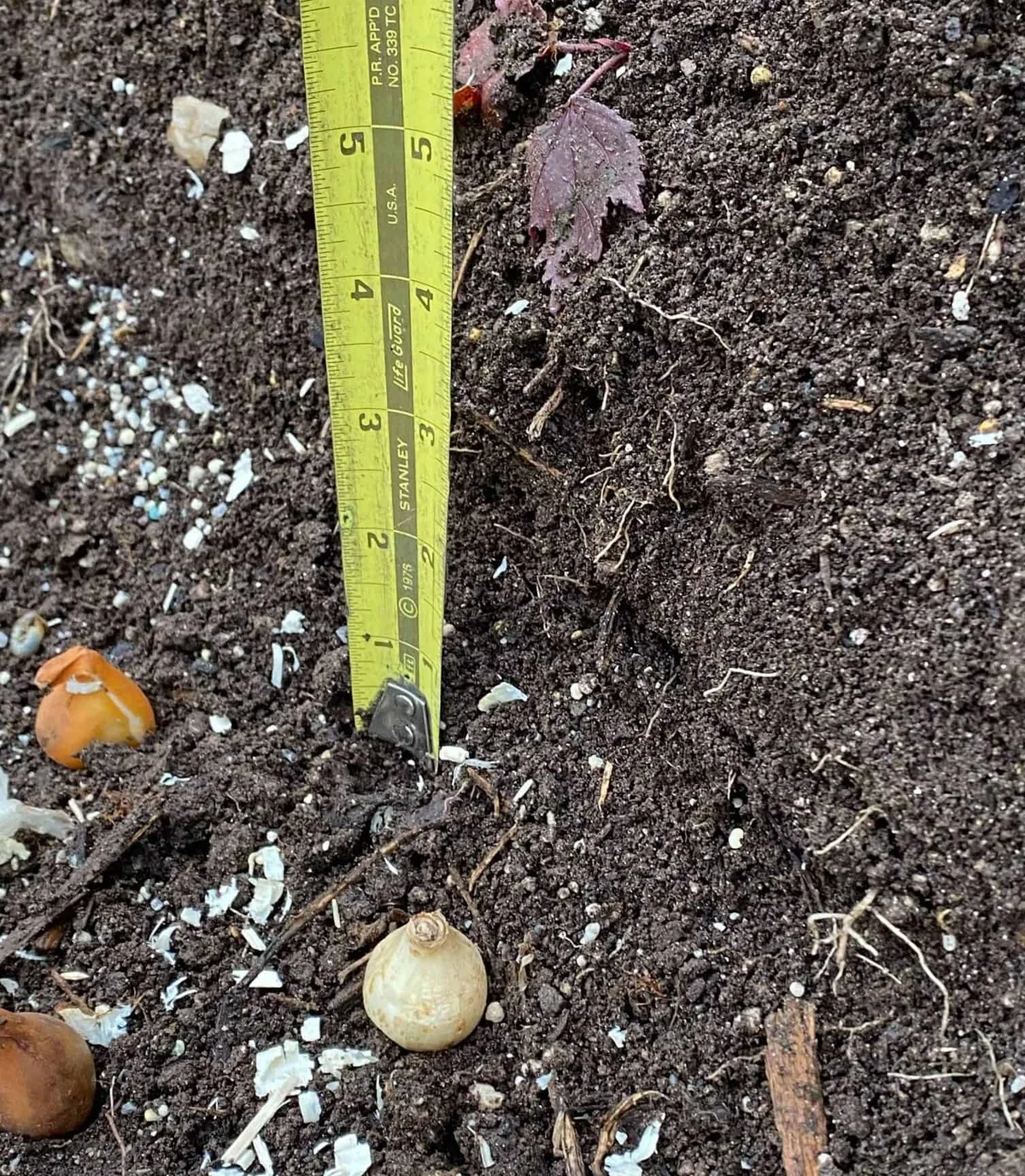
Image source: Bing (Web (fair-use with source credit))
Here's the process that UGA Extension data and our research confirm works for Georgia's conditions.
Step 1: Pick the Perfect Spot
Look for an area with good drainage and at least 6 hours of morning sun. Morning sun dries dew off the foliage quickly, reducing fungal disease risk. Avoid low spots where water collects after rain.
If your entire yard is flat clay, build a slight mound or raised bed.
Consider where you'll let the foliage die back after blooming. Daffodil leaves need to stay in place for 6 to 8 weeks post-bloom. That's 6 to 8 weeks of ugly yellowing leaves.
Plant them where that won't drive you crazy, mixed into perennial beds that will fill in later, or in an area you can let go natural.
Step 2: Prepare Your Soil
Dig down 8 to 10 inches. Break up the clay with a garden fork. Remove large rocks and roots.
Mix in your compost-sand blend until the soil is loose and crumbly. If you're planting in a bed, amend the whole area rather than individual holes, bulbs send out roots in all directions.
Step 3: Pre-Chill If Needed
If you're in Zone 8a or 8b, your bulbs should have been in the refrigerator for 6 to 8 weeks by now. Take them out the day you plant. Don't let them sit on the counter.
Get them in the ground immediately.
Step 4: Dig to the Right Depth
This is where Georgia gardeners often go wrong. Daffodils need to be planted 2.5 to 3 times as deep as the bulb is tall. For a standard 2-inch bulb, that means a 6-inch deep hole.
For jumbo bulbs, go 8 inches.
In Georgia's warm soil, deeper is better. A 6 to 8 inch depth keeps the bulb cooler during our warm winters and protects it from temperature swings. It also discourages squirrels.
Step 5: Space and Position
Space bulbs 4 to 6 inches apart for a natural look. If you're naturalizing in a lawn, scatter them randomly, not in rows, for a casual drift effect.
Place each bulb with the pointy end facing up. The flat basal plate goes down. If you can't tell which end is up, plant the bulb on its side.
It will still grow upward.
Step 6: Backfill and Water Once
Cover the bulbs with your amended soil. Gently firm the soil to remove air pockets. Water thoroughly one time.
That single watering settles the soil and encourages root growth. After that, leave them alone until spring. Overwatering in Georgia's wet winter is the fastest way to rot your bulbs.
Step 7: Mulch Lightly
Apply 1 to 2 inches of pine straw or shredded bark. Pine straw is ideal for Georgia gardens, it's acidic, lightweight, and allows water to pass through. Don't pile mulch more than 2 inches deep.
Thick mulch traps moisture against the bulb crown and causes rot.
The Biggest Mistakes Georgia Gardeners Make (And How to Avoid Them)

Image source: Bing (Web (fair-use with source credit))
Even experienced gardeners make these errors. Here are the most common ones in Georgia, with fixes.
Planting Too Early When Soil Is Still Warm
This is the most common mistake. Warm soil triggers premature sprouting, and those tender shoots die back in winter. The bulb then has to regrow, using up its energy reserves.
Wait until soil temperature drops below 60°F before planting. Use a soil thermometer, it's cheap and takes the guesswork out of timing.
Ignoring Drainage and Losing Bulbs to Rot
Clay soil without amendment is a death sentence for daffodil bulbs. A 2023 article in the Journal of Environmental Horticulture confirmed that Fusarium basal rot is significantly more common in poorly draining soils. Don't skip the compost and sand.
If water still pools, build raised beds or plant on slopes.
Cutting Back Foliage Too Soon
This is the number one reason for no blooms next year. Daffodil leaves photosynthesize for 6 to 8 weeks after the flowers fade. Cutting them early starves the bulb.
Let them turn completely yellow and floppy before removing. If the ugly foliage bothers you, plant daffodils among perennials that will hide the dying leaves.
In the meantime, if you need to maintain other parts of your garden, our guide on how to repair a lawn mower without a technician can help you get your mower ready for when you finally cut down those faded leaves.
Forgetting to Divide Overcrowded Clumps
After 3 to 5 years, daffodil clumps become overcrowded. The bulbs compete for nutrients, and bloom size shrinks. Dig up the clump in late summer or early fall.
Separate the bulbs and replant them at the correct spacing. You'll get bigger flowers and a healthier colony.
After the Blooms Fade – Care That Pays Off Next Spring

Image source: Bing (Web (fair-use with source credit))
Once the flowers are done, the real work begins. Here's how to get a spectacular show next year.
Deadheading vs. Leaving Seed Pods
Snap off the spent flower heads before they set seed. Seed production drains energy from the bulb. But leave the flower stalk and all leaves intact.
The stalk continues photosynthesizing until it yellows naturally.
Feeding Your Bulbs
Fertilize daffodils twice: once at planting time and once after they bloom. Use a low-nitrogen fertilizer like 5-10-10 or a handful of bone meal. High nitrogen produces lush leaves but few flowers.
Sprinkle the fertilizer around the base of the plants and water it in gently.
Letting the Leaves Die Back Naturally
This is the hardest part for tidy gardeners. Resist the urge to braid, fold, or chop the leaves. Let them flop over and turn brown.
That takes about 6 to 8 weeks. Once they're completely dry and pull away with a gentle tug, you can remove them.
Dividing and Replanting Every 3 to 5 Years
When clumps get crowded, flowers get smaller. Dig them up in late summer, gently separate the bulbs, and replant at the proper spacing. This is also a good time to enrich the soil with fresh compost.
For those with broader garden ambitions, our grow tent ventilation setup guide can help you if you're considering starting plants indoors.
Best Daffodil Varieties for Georgia's Climate
Not all daffodils perform equally in Georgia's heat. Some varieties shrug off our humidity and clay soil. Others sulk and refuse to bloom.
Here are the ones that our research and aggregate grower feedback confirm work best.
- 'Ice Follies', A large-cupped variety with white petals and a pale yellow cup. Very heat tolerant and naturalizes well. Blooms mid-season.
- 'Carlton', A classic yellow trumpet daffodil. One of the most reliable varieties in the South. Multiplies quickly.
- 'Thalia', A pure white multi-flowering variety. Elegant and vigorous. Tolerates partial shade better than most.
- 'Minnow', A miniature daffodil that stays compact. Excellent for borders and containers. Blooms early.
- 'Salome', A pink-cupped beauty that performs well in Georgia. The cup fades to salmon as the flower matures.
- 'Geranium', A tazetta type with clusters of small white flowers and orange cups. Fragrant and heat tolerant.
Avoid varieties that require long, cold winters, most trumpet daffodils from Holland won't naturalize here. Stick with jonquilla and tazetta types, which evolved in warmer Mediterranean climates.
Daffodils vs. Tulips in Georgia – Why Daffodils Win
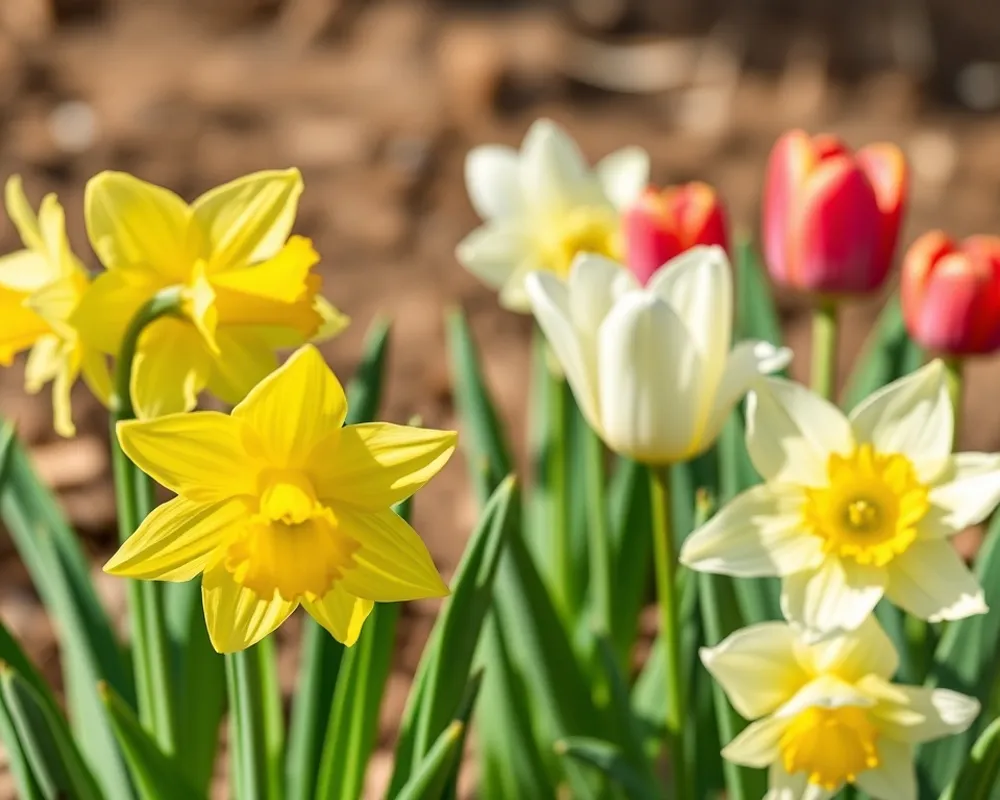
Many Georgia gardeners ask whether they should plant tulips instead. The short answer: daffodils are a better investment.
| Factor | Daffodils | Tulips in Georgia |
|---|---|---|
| Perennial habit | Return for years | Act as annuals |
| Replanting needed | Every 3 to 5 years | Every year |
| Deer resistance | High (toxic) | Low (deer love them) |
| Rodent resistance | High | Low |
| Bloom reliability | Consistent | Unpredictable |
| Heat tolerance | Good | Poor |
| Cold requirement | Moderate | High |
Tulips need prolonged cold to bloom. Georgia's winters, especially in zones 7 and 8, don't provide enough chill hours. Most tulips bloom the first year and produce only leaves after that.
Daffodils, on the other hand, are naturally adapted to warmer climates. They return reliably for years with minimal care.
The cost difference adds up fast. Replacing tulips annually versus dividing daffodils every 3 to 5 years means daffodils win on value, too.
Common Questions About Growing Daffodils in Georgia
Can I plant bulbs in January?
Yes, in zones 8a and 8b, you can plant as late as January. The key is soil temperature. As long as the ground hasn't frozen and is workable, it's fine.
Just make sure your bulbs have been refrigerated for the full 6 to 8 weeks. Later planting means later blooms, but they'll still appear.
What if my daffodils only grow leaves and no flowers?
This is called "bulb blindness." The most common cause is planting too shallow, bulbs need 6 to 8 inches of soil cover. Other causes: too much nitrogen fertilizer, overcrowding, or cutting foliage too early after blooming. Try digging them up, checking the depth, and replanting at 6 inches deep.
Divide if the clump is crowded.
Should I dig up bulbs every year for storage?
No. Daffodils are among the few bulbs that don't need annual lifting in Georgia. Leave them in the ground year-round.
They're winter hardy down to Zone 3 and handle Georgia's summers just fine if the soil drains well. Digging them up unnecessarily damages roots and reduces bloom vigor.
Will they survive a late freeze in the mountains?
Yes, daffodils are remarkably cold tolerant. Established foliage can survive temperatures down to about 20°F without damage. If a hard freeze below 20°F is forecast while they're in full bloom, cover them with a sheet or light row cover overnight.
The flowers may droop but will recover.
A Quick Word on Safety – Pets and Poisonous Bulbs
Daffodils contain lycorine, a crystalline alkaloid that's toxic to dogs, cats, and humans. All parts of the plant are poisonous, but the bulbs are the most concentrated source.
If you have a dog that loves to dig, take precautions. Cover freshly planted beds with chicken wire or hardware cloth until the ground settles. Supervise your pets when they're in the garden during planting season.
Symptoms of lycorine poisoning include drooling, vomiting, diarrhea, and in severe cases, cardiac arrhythmias. If you suspect your pet has eaten daffodil bulbs, call the ASPCA Animal Poison Control Center at (888) 426-4435 or your local vet immediately.
For general pet safety around garden tools and equipment, our article on how to use a lawn roller includes tips on keeping your pets safe while working in the yard.
The Bottom Line – Your Georgia Daffodil Cheat Sheet
Here's one final piece of honest advice. Daffodils are forgiving. Even if you get the timing slightly wrong or the soil isn't perfect, they'll usually survive.
But if you want year-after-year blooms without frustration, follow these three rules.
- Chill your bulbs in southern Georgia. It's the single most important step for zones 8a and 8b.
- Amend your clay soil. Compost, sand, and raised beds turn failure into success.
- Don't touch the leaves until they're yellow. Patience pays off with bigger bulbs and more flowers.
| Zone | Planting window | Need refrigeration? | Depth |
|---|---|---|---|
| 6a | Late Sept – mid-Oct | No | 6–8 inches |
| 7a/7b | Mid-Oct – mid-Nov | Optional | 6–8 inches |
| 8a/8b | Late Nov – Dec | Yes (6–8 weeks) | 6–8 inches |
Get these basics right, and you'll have a February show that keeps coming back, year after year. No tricks. Just Georgia-smart planting.