So you want to bring some green inside, but every time you try, the leaves turn yellow, the soil grows mold, or that cute little basil plant turns into a sad twig within two weeks. You're not alone. “How to start a garden inside the house?” is one of the most searched gardening questions out there, and the answer isn't a one-size-fits-all checklist. It's a decision tree, a set of choices based on your actual space, light, and schedule.
In our research, the single biggest factor that determines indoor gardening success isn't the quality of the potting mix or the price of your pots. It's light. According to the University of Minnesota Extension, light intensity directly dictates whether a plant thrives or merely survives indoors.
Once you understand the light in your home, everything else falls into place.

Image source: Bing (Web (fair-use with source credit))
Quick Answer
Start by measuring the natural light in your room. Low light means snake plants or pothos. Bright indirect light means herbs or peace lilies.
Direct sun means succulents. Pick a plant that matches your light level. Use a pot with drainage holes and well-draining soil.
Water only when the top inch of soil feels dry. Give it a few weeks to adjust. That's it.
Why Most Indoor Gardens Fizzle Out (and How to Avoid That)

Image source: Bing (Web (fair-use with source credit))
Most indoor gardens fail for three reasons, and none of them are about having a "black thumb." First, overwatering. It's the number one killer. People treat soil like a swimming pool instead of a sponge.
Second, poor light choices. You wouldn't put a desert cactus in a bathroom without windows, yet it happens all the time. Third, the wrong container.
A pot without drainage holes is a death sentence for most houseplants.
Let's break each one down.
Overwatering is tricky because it mimics underwatering, droopy leaves, yellowing. But the fix is different. Check the soil an inch down.
If it's wet, wait. If it's dry, water. Simple as that.
The peace lily in the photo above shows classic overwatering signs: yellow leaves with green veins.
Light mismatch is where the decision tree really starts. A snake plant can survive in a dim corner. Basil cannot.
If you put basil on a north-facing shelf, it's going to stretch and fade within a week. We'll talk more about choosing the right plant for your light in a moment.
Drainage is non-negotiable. Your pot must have at least one hole in the bottom. If you fall in love with a container that doesn't have drainage, use it as a cachepot, put a plastic nursery pot with drainage inside it.
That way you can lift the plant out, water it, let it drain, then put it back.
The One Rule That Changes Everything
Here it is: Match the plant to the space, not the space to the plant. You cannot force a low-light room to grow tomatoes. You cannot make a sun-drenched south window work for a fern that wants shade. The rule is simple, but most people ignore it because they fall in love with a plant at the nursery and bring it home without checking whether their home can support it.
Think of it like this: your indoor garden is a system. The inputs are light, water, air, and nutrients. The plant is the output.
Change the input, you change the result. The single most powerful input you control is light. Everything else, watering frequency, fertilizing schedule, even humidity, flows from that.
So before you buy a single pot or seed, go stand in the room where you want to garden. Look at the window. Which direction does it face?
Is there a tree outside blocking the sun? How many hours of direct sunlight does that spot get? If you've never measured, try using a light meter app on your phone or just observe over a full day.
Jot down the hours of direct sun. That number will tell you which path you're on.
What You Actually Need to Grow Indoors: The Core Factors
You don't need a greenhouse or a thousand-dollar setup. You need four things, and they all work together.
| Factor | What It Means | Easy Check |
|---|---|---|
| Light | Duration and intensity of natural or artificial light | South/west windows get the most; north gets the least |
| Water | How often and how much | Water when top inch of soil is dry |
| Soil | A mix that drains but holds moisture | Use potting mix, not garden soil |
| Air | Temperature and humidity | Most houseplants like 65–75°F and 40–60% humidity |
Light is the foundation. Without enough, plants can't photosynthesize. With too much, they burn.
As of 2026, affordable full-spectrum LED grow lights make it possible to garden in any room, but natural light is still the easiest starting point.
Watering is the most common variable. Overwatering and underwatering are both problems, but overwatering kills faster because it rots the roots. A good rule: water thoroughly until it drains out the bottom, then let the soil dry slightly before watering again.
The exact schedule depends on your pot size, plant species, and season.
Soil matters because it holds air and water in different ratios. Standard potting mix (peat moss, perlite, vermiculite) works for most houseplants. For succulents and cacti, use a mix with extra sand or perlite for faster drainage.
Never use garden soil indoors, it compacts and invites pests.
Air often gets overlooked. Indoor humidity in winter can drop below 30% in heated homes. Tropical plants (ferns, calatheas, marantas) need 50% or higher.
You can raise humidity with a pebble tray, a humidifier, or simply grouping plants together. Temperature swings near drafty windows or heating vents stress plants, so keep them away from both.
For a deeper dive on how to set up the ideal environment, our grow tent setup guide covers the same principles but on a larger scale, the same light, air, and water rules apply.
Find Your Starting Point: The 4 Indoor Garden Paths

Image source: Bing (Web (fair-use with source credit))
The photo above shows common houseplants and their light needs. Use it as a visual guide for your own path.
Path A: Low-Light Spaces (No Window, North-Facing, Dim Corners)
You have a spot that gets less than 50 foot-candles of light (think of a windowless bathroom or a dark office corner). Your best plants: snake plant, ZZ plant, pothos, philodendron, cast iron plant. These are the survivors.
They tolerate neglect and low light. They won't grow fast, but they'll stay alive. Water them even less, every two to three weeks in winter.
Path B: Edible Garden (Sunny Window or Grow Lights)
You want to grow food, herbs, microgreens, maybe lettuce. You need at least six hours of direct sunlight or a powerful LED grow light. Best plants: basil, mint, chives, parsley, cilantro, lettuce, microgreens.
These are fast growers. They need consistent moisture, regular fertilizing, and pruning. If you're serious about edibles, consider a small hydroponic countertop system, they take the guesswork out of watering.
Path C: Decorative Display (Medium to Bright Indirect Light)
You have an east- or west-facing window with bright but indirect light. This is the sweet spot for most houseplants. You can grow peace lilies, spider plants, monstera, ficus, calathea, and many more.
These plants reward you with lush foliage and occasional flowers. Water when the top inch dries out. Fertilize monthly in spring and summer.
Path D: Tech-Powered (Hydroponics & Smart Systems)
You want maximum control. You're willing to invest in a grow tent, ventilation, and automated watering. This path is for serious indoor gardeners who want year-round harvests.
It's also what many growers use for considerations before buying a cheap indoor grow tent, you need to plan for airflow, light leaks, and temperature control. This path isn't for beginners, but it's incredibly rewarding once you get it dialed in.
Your Step-by-Step Setup (Based on Your Path)
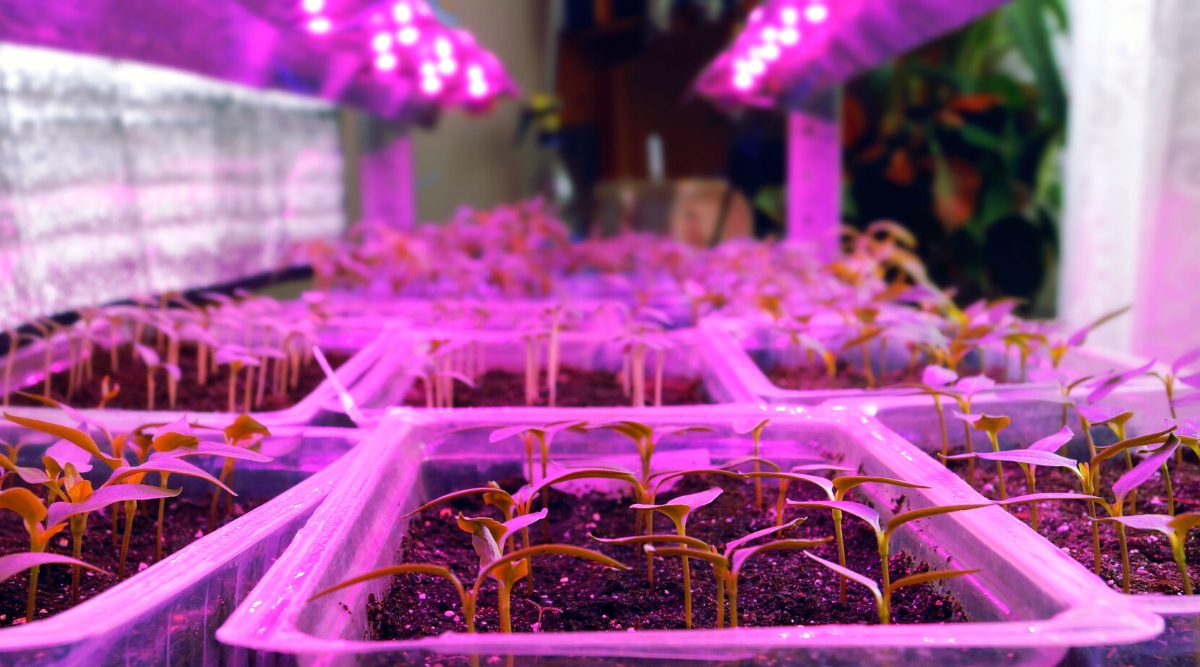
Image source: Bing (Web (fair-use with source credit))
Once you've chosen your path, setting up is straightforward. Here's the general process that works for any indoor garden.
Step 1: Gather your supplies. You'll need a pot with drainage holes (or a nursery pot inside a decorative cachepot), potting mix appropriate for your plant type, and a saucer to catch water. For Path B (edibles), you may also need a seed-starting tray and a grow light.
Step 2: Prepare the pot. Fill it about two-thirds full with dry potting mix. If you're transplanting from a nursery pot, loosen the root ball gently with your fingers before placing it in the new pot. The top of the root ball should sit about an inch below the rim.
Step 3: Backfill and water. Add more soil around the roots, pressing lightly to eliminate air pockets. Leave about half an inch of space below the rim to prevent overflow when you water. Then water thoroughly until it runs out the bottom.
This initial watering settles the soil.
Step 4: Place in the right spot. Refer to the light needs from your path. For Path A, that means away from direct sun. For Path B, directly in the sunniest window or under the grow light.
For Path C, bright indirect light. For Path D, inside your grow tent with controlled light cycles.
Step 5: Wait before fertilizing. Newly potted plants have enough nutrients in fresh potting mix for about four to six weeks. Don't add fertilizer right away, it can burn tender roots. After that, use a balanced liquid houseplant fertilizer at half-strength every two to four weeks during the growing season.
If you're starting from seeds, the same photo above shows what a healthy seedling setup looks like: small pots or trays under a grow light, with consistent moisture but not soaked. Seeds need warmer soil, about 70, 75°F, to germinate. A heat mat helps.
One more thing: don't move your plant around too much in the first few weeks. Plants acclimate to their spot. Moving them from a low-light spot to a bright window stresses them.
Pick a spot and stick with it for at least two weeks.
For a deeper look at how to choose the right size for your space, check out our grow tent size guide. It applies to any indoor garden, not just tents, the same principles of light coverage and air circulation hold true.
The 7 Mistakes That Will Kill Your Indoor Garden (and How to Fix Them)
Even if you follow the setup perfectly, these common errors can undo your progress. Let's run through them fast.
1. Overwatering. The top killer. You water on a schedule instead of checking the soil.
Fix it: stick your finger an inch into the soil. If it's damp, wait two more days. If it's dry, water.
2. Underwatering. Less common but still deadly. Some plants like peace lilies droop dramatically when thirsty.
Don't panic. Give them a thorough soak and they usually bounce back within hours.
3. Wrong light. You bought a plant that needs full sun and put it in a north-facing room. Fix it: either move the plant or add a grow light.
For low-light survivors, refer back to Path A.
4. No drainage. A pot without holes turns soil into mud. Roots rot.
Fix it: drill holes, use a nursery pot inside a cachepot, or repot immediately.
5. Ignoring pests. Spider mites, aphids, mealybugs, and fungus gnats show up fast. Fix it: inspect leaves weekly.
Catch them early with a spray of neem oil or insecticidal soap. Sticky traps catch gnats.
6. Using garden soil indoors. It's too heavy. It compacts, holds too much water, and brings outdoor pests inside.
Fix it: always use a sterile potting mix formulated for containers.
7. Moving plants around too much. Every move stresses them. Leaves drop.
Growth stalls. Fix it: pick a spot and leave it for at least two weeks. Rotate the pot a quarter turn each week so the plant grows evenly, but don't relocate it.
What This Really Costs: From $20 to $200+
You don't need to spend much to start. Here's a realistic breakdown based on your path.
| Item | Budget Option | Mid-Range Option |
|---|---|---|
| Pot with drainage | $3–$8 | $10–$25 |
| Potting mix (1.5 cu ft bag) | $5–$10 | $10–$15 |
| Plant (small nursery pot) | $5–$15 | $15–$40 |
| Grow light (if needed) | $15–$30 | $40–$100 |
| Saucer or tray | $1–$3 | $5–$10 |
| Total for one plant (no light) | $14–$36 | $25–$80 |
| Total with grow light | $29–$66 | $65–$180 |
For a small herb garden (three to five pots plus a basic LED light bar), expect around $60 to $120. For a full grow tent setup with fans and carbon filter, you're looking at $150 to $400.
The biggest hidden cost is electricity. A 20-watt LED grow light running 14 hours a day costs about $2 to $4 per month. A 300-watt setup (used in larger tents) can run $10 to $15 per month.
Plan for it.
If you're on a tight budget, start with one plant and one pot. Add more over time. The performance of cheap grow tent kits shows that budget gear works fine for beginners.
You don't need premium equipment to grow a healthy pothos or basil.
Two Real-Life Examples: Apartment Dweller vs. House with Sunroom
These examples show how the same process plays out differently depending on your space.
Example A: Sarah, apartment dweller. She lives in a one-bedroom with a single east-facing window. Light is moderate, about 200 foot-candles at the sill. She chooses Path C (decorative display).
She buys a snake plant and a pothos. Both tolerate her light. She waters every 10 to 14 days.
After six months, the snake plant has pushed out two new leaves. The pothos trails about 18 inches. Total cost: $32.
No grow light needed.
Example B: Mark, house with a sunroom. He has a south-facing sunroom with 12 hours of direct light. He chooses Path B (edible garden). He installs a small shelving unit with two LED grow lights for backup on cloudy days.
He grows basil, mint, cilantro, and lettuce. He waters every two to three days. He fertilizes weekly.
After eight weeks, he's harvesting enough basil for pesto and salad greens for dinner. Total cost: $180, including lights and seeds.
The lesson: Sarah's garden is lower effort and lower cost. Mark's garden is higher effort but produces food. There's no wrong choice.
It's about what fits your life.
How to Keep Your Garden Thriving Long-Term

Image source: Bing (Web (fair-use with source credit))
A healthy indoor garden needs ongoing attention, but it's not a second job. Here's what to do each season.
Spring and summer (growing season). Fertilize every two to four weeks with a balanced liquid fertilizer diluted to half strength. Prune dead or yellowing leaves. Repot if roots are circling the pot.
Increase watering frequency as days get longer and warmer.
Fall and winter (rest period). Most houseplants slow down. Water less often. Stop fertilizing.
Move plants away from cold drafty windows. If your home is dry (humidity below 30%), use a pebble tray or a small humidifier. Grouping plants together helps raise humidity naturally.
Year-round tasks. Wipe dust off leaves every few weeks with a damp cloth. Dust blocks light absorption. Check for pests weekly.
Rotate pots a quarter turn each week to keep growth even. Replace potting mix every 12 to 18 months or when it becomes compacted.
The tools in the photo above help with precision: a moisture meter tells you when to water, and pruning shears keep plants tidy. Both are worth the small investment.
For more on long-term care in controlled environments, our grow tent ventilation setup covers airflow, humidity, and temperature monitoring that applies to any indoor garden with lights.
Frequently Asked Questions
How often should I water indoor plants?
Check the soil. Stick your finger one inch deep. If it's dry, water.
If it's damp, wait. Most houseplants need water every 7 to 14 days. Succulents can go 2 to 3 weeks.
Herbs may need water every 2 to 3 days. Never water on a fixed schedule.
Can I grow vegetables indoors without sunlight?
Yes, but you need full-spectrum LED grow lights. Leafy greens like lettuce, spinach, and kale grow well under 12 to 16 hours of light per day. Tomatoes and peppers need stronger light and more space.
Without artificial light, vegetables won't produce fruit.
Why are my houseplant leaves turning yellow?
Yellow leaves usually mean overwatering or poor drainage. Check the soil. If it's soggy, let it dry out.
If the pot has no drainage, repot immediately. Yellow leaves can also signal too little light or a nutrient deficiency. Move the plant to a brighter spot and check your fertilizing schedule.
What are the best indoor plants for beginners?
Snake plant, pothos, ZZ plant, spider plant, and peace lily are the easiest. They tolerate low light, irregular watering, and average humidity. They also bounce back quickly from mistakes.
Start with one of these before trying finicky plants like ferns or calatheas.
How do I get rid of fungus gnats in my indoor garden?
Let the soil dry out between waterings. That kills the larvae. Place yellow sticky traps near the soil surface to catch adults.
For persistent infestations, use a layer of sand or small pebbles on top of the soil. This prevents gnats from laying eggs. Water from the bottom if possible.
Do I need to fertilize indoor plants in winter?
No. Most houseplants go dormant in winter. They stop growing.
Fertilizing during dormancy can burn the roots and cause salt buildup in the soil. Resume fertilizing in early spring when you see new growth. Use half the recommended strength for the first few feedings.
Your Decision Guide: Start Here
You've made it through every branch of the tree. Now it's time to act.
If you have low light and want ease: grab a snake plant or pothos, a pot with drainage, and standard potting mix. Water every 10 to 14 days. Total cost under $30.
You'll have a living plant in your space within a week.
If you want herbs and vegetables: get a sunny window or a basic LED grow light. Start with basil or microgreens. Use a seed tray and keep the soil moist.
Expect your first harvest in three to four weeks. Budget $60 to $100.
If you want a decorative jungle: pick one or two medium-light plants like peace lily or monstera. Place them in bright indirect light. Water when the top inch dries.
Add more plants over time as you gain confidence.
If you want full tech control: buy a small grow tent, full-spectrum lights, and an exhaust fan. Start with easy edibles. Automate watering and lighting.
This path costs more but gives you year-round harvests.
Your first step is simple. Stand in the room. Check the light.
Pick your path. Buy one plant. See how it goes.
Indoor gardening is a skill you build, not a test you pass. Start small, learn as you grow, and you'll have a thriving garden inside your house before you know it.