It’s that time of year again, and you’re staring at your butterfly bush, wondering if it’s just taking its sweet time waking up from winter or if it’s truly gone. Deciding if a plant has reached its end can be tricky, especially with woody shrubs that look barren for months. We've got the practical steps to help you figure it out.
Proper identification is key before you start any major pruning or replacement. As of 2026, garden research indicates that visual inspection combined with a simple mechanical test will confirm plant viability. Let's move from understanding your plant's current state to taking the right action.
Quick Answer
The key to telling if a butterfly bush is dead is a simple scratch test on its stems. Green beneath the bark means life. Brown, dry wood throughout suggests death.
Look for swelling buds in spring. If stems are brittle and brittle all the way down, it's likely time for removal.
Understanding the Problem: Is Your Butterfly Bush Really Dead?
That bare, woody structure you called your butterfly bush might have you worried, especially if it’s sitting there looking completely lifeless while other plants are starting to bud. It’s a common gardener's dilemma, and the answer isn't always straightforward. Many plants, including your beloved Buddleja davidii, have natural cycles of dormancy.

This means they appear dead for a significant period, usually through the fall and winter months, only to spring back to life when the weather warms. So, before you grab the shovel, let's dive into how to reliably distinguish between a plant that’s "sleeping" and one that's truly "gone."
Quick Answer: Signs of Life vs. Final Farewell
When trying to determine if your butterfly bush is dead, look for these core indicators. If you scrape a stem and find bright green tissue just under the bark, it’s alive and just dormant. Brown, dry, brittle wood indicates dead sections.
Persistent brittleness and lack of any green along the entire stem, from top to bottom, confirms death.
The Core: How to Tell a Dormant Bush from a Dead One
The process of diagnosing your butterfly bush involves a few easy checks, focusing on its woody structure and potential for regrowth. It's less about guesswork and more about observation, much like troubleshooting simple DIY repairs on outdoor equipment. Your goal is to find evidence of living tissue.
The Essential Scratch Test: Your First Clue
This is the most direct way to check for life. The scratch test exposes the inner layer of the stem, called the cambium, which is usually green when the plant is alive.
- How to do it: Select a few different stems on your plant. If some look particularly dead and brown, start there.
- Tools: You can use your fingernail, a small knife, or even pruning shears to carefully scrape away just the outermost layer of bark. You don't need to cut deep, just enough to see what’s underneath.
- What to look for:
- Bright Green: If you see a vibrant, healthy green color immediately below the bark, that part of the stem is alive. Even if the top is brown, this tells you the plant is still drawing water and nutrients and has the potential to regrow from this point upwards.
- Dull Green or Brown: If it's a duller green, or already brown or tan, that specific stem section is likely dead or dying. Continue scraping further down the stem to see if you hit green tissue.
This test is crucial because it bypasses the visual cues of dry, dormant wood and gets straight to plant physiology. It’s akin to checking the oil level in a mower; if the oil is low, you know there’s a problem with the system.
Assessing the Stems: Brittle vs. Bendy
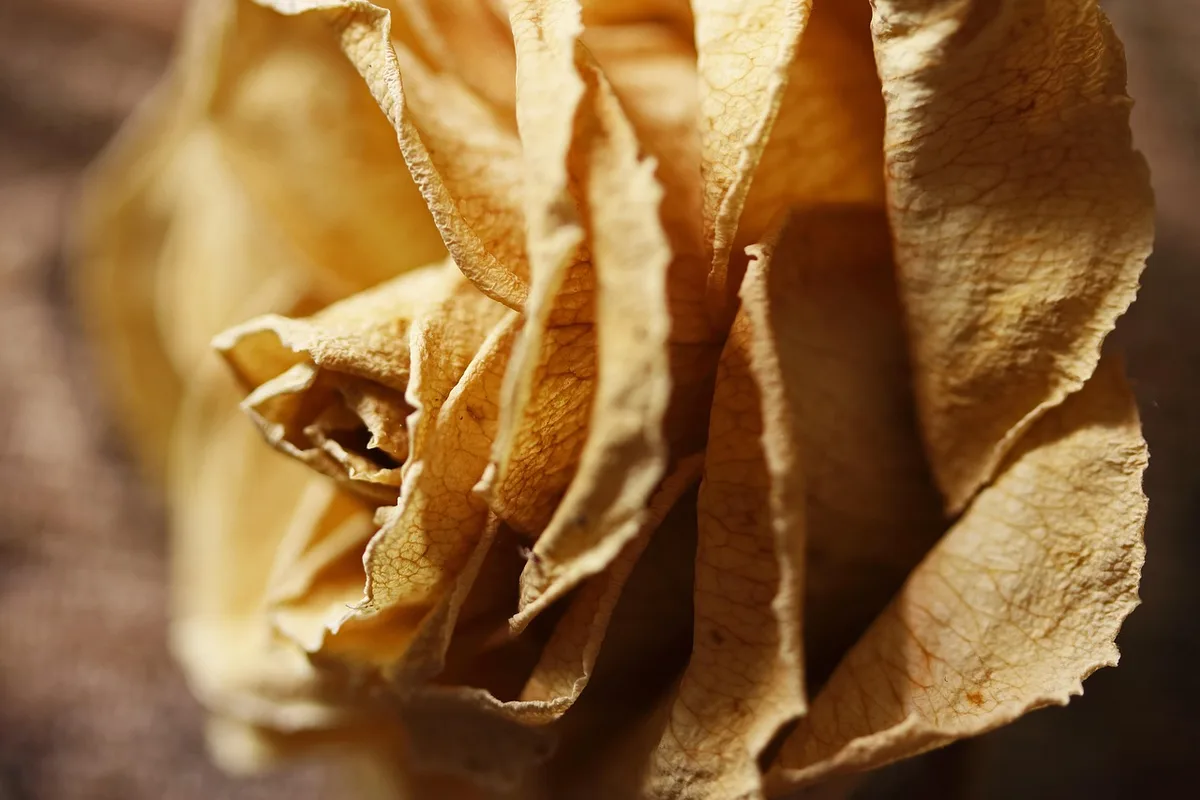
Beyond the scratch test, how a stem behaves when stressed can also tell you a lot. Living branches generally have a certain amount of flexibility, even when dormant. Dead wood has lost its moisture content and becomes prone to snapping.
- The Snap Test: Gently try to bend a stem.
- Live Stem: A live stem will usually bend significantly without breaking, as if it has some natural give. It might feel slightly rubbery. If it’s just dormant, it will feel firm but still have some pliability.
- Dead Stem: A dead stem will often feel stiff and brittle. When you try to bend it, it will snap cleanly and suddenly, often with a dry cracking sound.
- Consider the age of the stem: Older, thicker stems might be tougher to bend. It's best to test thinner, newer growth first. However, if even the main woody structure snaps easily, it’s a strong indicator of death.
This behavior aligns with how different materials react under stress, similar to how spray or brush paint differences manifest on fences. A flexible branch indicates a moisture content and internal structure that can support growth, while brittleness points to a loss of that vital cellular integrity.
Checking the Roots: The Foundation of Life
Sometimes, the above-ground parts of a plant might look completely dead, but the roots are still perfectly healthy and capable of sending up new shoots. It’s vital to check the root system, especially if the plant experienced harsh conditions over winter.
- Feel the Base: Gently poke around the base of the plant where it meets the soil. Healthy roots will feel firm.
- Watch for Rot: If the base feels mushy, soggy, or smells foul, that's a sign of root rot, often caused by overwatering or poor drainage. Root rot can be fatal, even if the above-ground stems haven't fully died yet.
- Look for Swelling: If there's any sign of small, white, fleshy root nubs or buds, that's a positive sign that the root system is alive.
Think of the roots as the engine of your plant. If the engine is intact, even if the body (stems and leaves) looks damaged, there’s a good chance of repair and revival. This is just one aspect of plant cultivation; for instance, understanding what kind of fertilizer for grass to use also focuses on nurturing the foundational elements of plant health.
Step 1: Winter Check – What to Look For Now
As winter winds down, your butterfly bush is likely still in its dormant state. This is the prime time for a preliminary assessment, even before you expect to see signs of new growth. You're looking for indications of survival or significant damage.
- No Leaves: This is normal. Butterfly bushes are deciduous, meaning they drop all their leaves in the fall. Don't let this fool you into thinking it's dead.
- Dry, Brown Stems: Most of the stems will appear dry and brown. This is where the scratch test becomes your best friend. If you scrape a few stems and find green, that's a good sign it survived the cold.
- Evidence of Winter Damage: Look for any split bark, broken branches, or dieback that seems to go deeper than just the outer layer. While some dieback is common, extensive damage might mean the plant struggled.
This initial check helps set expectations. It's similar to performing a basic inspection of outdoor equipment after a season of use to see what needs attention, like checking how to clean a lawn mower air filter before it’s needed again.
Step 2: Spring Awakening – Signs of Emerging Life
Once spring officially arrives and temperatures consistently rise, your butterfly bush should begin showing signs of waking up. This is when you can get a much clearer picture of its vitality. Patience is key, as some regions experience an earlier spring than others.
- Swelling Buds: Keep a close eye on the stems. You're looking for small swellings that indicate new buds are forming. These buds are the plant’s way of pushing out new leaves and flowers.
- Green Shoots from the Base: Even if the upper parts of the stems appear dead, look for tiny green shoots emerging directly from the ground at the base of the plant. This is a strong indicator that the roots are alive and sending up new growth.
- Slow Growth: If you're seeing very slow, minimal growth, it might mean the plant is recovering from stress. This doesn’t automatically mean it’s dead, but continued observation is needed.
If you're seeing these signs, especially the swollen buds or green shoots from the base, your butterfly bush is very likely alive and just needed a bit of time. You might then consider when to fertilize lawn areas or garden beds to support this new growth.
What Mistakes Might Fool You?
It’s easy to jump to conclusions when your butterfly bush looks barren. However, a few common misconceptions can lead gardeners to give up on a plant that’s perfectly capable of regrowing. Understanding these pitfalls can save you from unnecessary disappointment and effort.
One of the biggest mistakes is mistaking dormancy for death. Without leaves, a woody plant can look quite lifeless, especially to the untrained eye. Another error is focusing only on the upper stems and ignoring the critical root system below ground.
Mistaking Dormancy for Death
Butterfly bushes are deciduous plants. This means they naturally lose their leaves as temperatures drop and days shorten, entering a period of dormancy. This is a survival mechanism to conserve energy.
During dormancy, the plant's metabolic activity slows down dramatically. It’s not dead; it’s just resting. For instance, many trees and shrubs in temperate climates follow this pattern.
This state can last for several months, often through the entire cool season. So, seeing a bare plant in late winter or early spring doesn't mean it’s a lost cause, it’s likely just waiting for the right conditions to wake up.
Overlooking Root Issues
The health of the roots is paramount for any plant's survival. Sometimes, the visible damage or apparent death of a butterfly bush's above-ground parts can mask underlying problems with its root system. This is particularly true if the plant experienced prolonged waterlogging or extremely dry conditions.
If the roots have become waterlogged for an extended period, which can happen with poor drainage, they can begin to rot. Similarly, severe drought can kill the roots before the stems show obvious signs of wilt. Examining the roots, as previously discussed, is a critical step.
If the root ball is mushy, completely dry and brittle, or smells foul, the plant has a much lower chance of recovery, regardless of what the stems look like. You might need to address compost vs fertilizer needs for your soil to prevent future root issues.
When It's Probably Time to Let Go
After performing the scratch test and inspecting the roots, you might find yourself facing the unfortunate reality that your butterfly bush is indeed dead. There are a few definitive signs that indicate it's time to consider removal and replacement. Don't feel bad; sometimes, plants just don't make it, even with the best care.
If you've scraped multiple stems all the way down to the base and found nothing but brown, dry, brittle tissue, there's no living cambium layer to support new growth. Combine this with a root system that feels mushy, smells rotten, or crumbles to dust when touched, and the prognosis is grim. For example, if you were trying to revive a lawn mower and found the engine block was completely corroded, it would be beyond simple how to repair a lawn mower without a technician efforts.
Expert Tips for Butterfly Bush Care
To prevent your butterfly bush from reaching this point in future years, a few proactive care steps can make a significant difference. Proper siting and regular maintenance are key to ensuring your plant thrives and withstands seasonal changes. Think of this as part of good garden hygiene.
- Choose the Right Location: Butterfly bushes love full sun. They need at least six to eight hours of direct sunlight per day to flower well and maintain good health.
- Ensure Good Drainage: They absolutely detest "wet feet." Planting them in well-draining soil is crucial to prevent root rot. If you have heavy clay soil, consider amending it with compost or planting in raised beds.
- Prune Annually: While they do go dormant, an annual spring pruning can encourage bushier growth and more prolific blooms. Cut back the old wood to about 12-18 inches from the ground. This encourages new growth from the base.
- Water Wisely: Young plants need consistent watering to establish their root systems. Once mature, butterfly bushes are quite drought-tolerant. Water deeply but infrequently, allowing the soil to dry out somewhat between waterings.
These practices help build a resilient plant that’s better equipped to handle the stresses of winter and drier summer periods. This is similar to how regular maintenance on tools, like your how to use a leaf blower, extends their lifespan and effectiveness.
Recognizing Your Butterfly Bush's Needs: Seasonal Considerations
Understanding how your butterfly bush behaves throughout the year helps you distinguish between normal dormancy and genuine decline. Each season brings different expectations and care requirements. Paying attention to these seasonal cues is what separates a novice gardener from a more experienced one.
- Late Fall/Winter: This is the dormant period. Expect leaf drop and bare stems. The plant conserves energy by slowing down its growth processes.
- Early Spring: This is when you’ll look for signs of awakening, swollen buds and new shoots emerging from the base or lower stems. If no activity is visible by late spring, it warrants further investigation with the scratch test.
- Summer: During the growing season, butterfly bushes should be actively producing leaves and, importantly, flowers. If your plant fails to leaf out or bloom once the weather is consistently warm, it’s a cause for concern. Consistent fertilization in spring can help its summer performance; check what fertilizer to use in spring at your garden.
If your plant did show signs of life in spring but then failed to produce leaves or flowers by mid-summer, you’d need to re-evaluate its health. This might indicate a deeper issue with the root system’s ability to support vascular functions, or perhaps a nutrient deficiency that fertilizer alone can't fix. Some gardeners find that regular soil amendments can greatly improve plant vigor over time.
Final Verdict: Your Decision Guide
Deciding the fate of your butterfly bush comes down to a few key observations. Use the scratch test and visual inspection systematically. If you find green tissue under the bark and see evidence of a healthy, firm root system, your plant is likely just dormant and will recover.
However, if extensive scraping reveals only brown, dry wood all the way down, and the roots are mushy or brittle, it’s almost certainly dead. In such cases, it's best to remove the plant to make way for a new one, perhaps choosing a slightly different variety or planting location to ensure better future success.