It’s a sad sight when your once-vibrant dahlias start to droop and fade. If you've found yourself wondering "my dahlias are dying," you're probably looking for answers, fast. Garden troubles can be frustrating, but many common issues with these beautiful blooms are fixable with a little detective work.
We've all been there, staring at wilting leaves or spotted petals and feeling helpless. The good news is that figuring out what's wrong usually involves checking a few key areas: water, pests, diseases, and environmental factors. Let's get your dahlias back to their perky, blooming selves by following a solid diagnostic process.
Quick Answer
Dahlias die from underwatering, overwatering, root rot, or pest infestations. Common signs include wilting, yellow leaves, and browning edges. Proper soil moisture, pest control, and disease management are crucial.
Check soil dryness before watering; ensure good drainage for potted plants. Address pests like aphids promptly as they weaken the plant.
Unpacking the Symptoms: What Exactly Does "Dying" Look Like?
Before we can fix the problem, we need to understand exactly what's happening to your dahlias. "Dying" can mean a lot of different things in plant terms, and each symptom points to a different potential cause.

Wilting and Drooping
This is probably the most common visual cue that something is wrong. When a dahlia wilts, its leaves and stems lose turgor, making them appear limp and lifeless. It can be caused by too little water, but ironically, it can also be a sign of too much water if the roots are drowning and unable to take up any moisture.
Yellowing and Browning Leaves
Yellowing leaves (chlorosis) often indicate a nutrient deficiency or a problem with water uptake. If the yellowing starts at the bottom of the plant and moves upward, it points to a nutrient issue. Browning or crispy edges, on the other hand, usually signal too much sun, underwatering, or windburn.
Spots, Blight, and Mold
Visible spots on leaves, stems, or flowers can be indicators of various fungal or bacterial diseases. You might see distinct circles, irregular patches, or even a fuzzy gray mold, which is a strong sign of Botrytis blight. These issues often thrive in specific environmental conditions, so the appearance and location of the spots are important clues.
Flower Bud Issues
Sometimes, the plant looks generally okay, but the flower buds just won't develop or open. This can be due to stress from inconsistent watering, nutrient imbalances, or even pest activity like thrips damaging the buds before they can bloom. It's frustrating to see potential flowers literally disappear before your eyes.
The Watering Wobble: Too Much or Too Little?
Watering is incredibly important for dahlias. They like consistent moisture, but they absolutely cannot stand having their roots sit in waterlogged soil. This is where many gardeners run into trouble because overwatering symptoms can sometimes look a lot like underwatering symptoms.
Recognizing Underwatering Signs
If your dahlia is wilting, and you touch the soil near the base of the plant and it feels dry an inch or two down, you're likely dealing with underwatering. The leaves might also start to curl inward, feeling dry and papery to the touch. In severe cases, the entire plant might shut down and look severely wilted, even if the sun isn't blazing hot.
Identifying Overwatering Clues
When you’ve watered recently, but the soil remains soggy for days, that’s a major red flag for overwatering. The leaves will often droop and turn yellow, similar to underwatering, but the soil moisture content is the key differentiator. Saturated soil prevents roots from getting air, which leads to root rot, and a plant with rotten roots can't absorb any water, hence the wilting.
How to Fix Your Watering Habits
The best approach is to check the soil moisture regularly. Stick your finger about 2 inches into the soil. If it’s dry, it’s time to water.
If it’s moist, wait. For dahlias in the ground, water deeply at the base of the plant to encourage deep root growth. If they're in pots, make sure those pots have adequate drainage holes to let excess water escape.
This practice is essential for maintaining good plant health, much like keeping your lawn equipment serviced.
Tiny Terrors: Common Dahlia Pests
Pests are a constant battle for gardeners, and dahlias are unfortunately attractive to several common culprits that can seriously weaken or even kill your plants if left unchecked. Catching them early is key to preventing major damage.
Spotting Aphids and Spider Mites
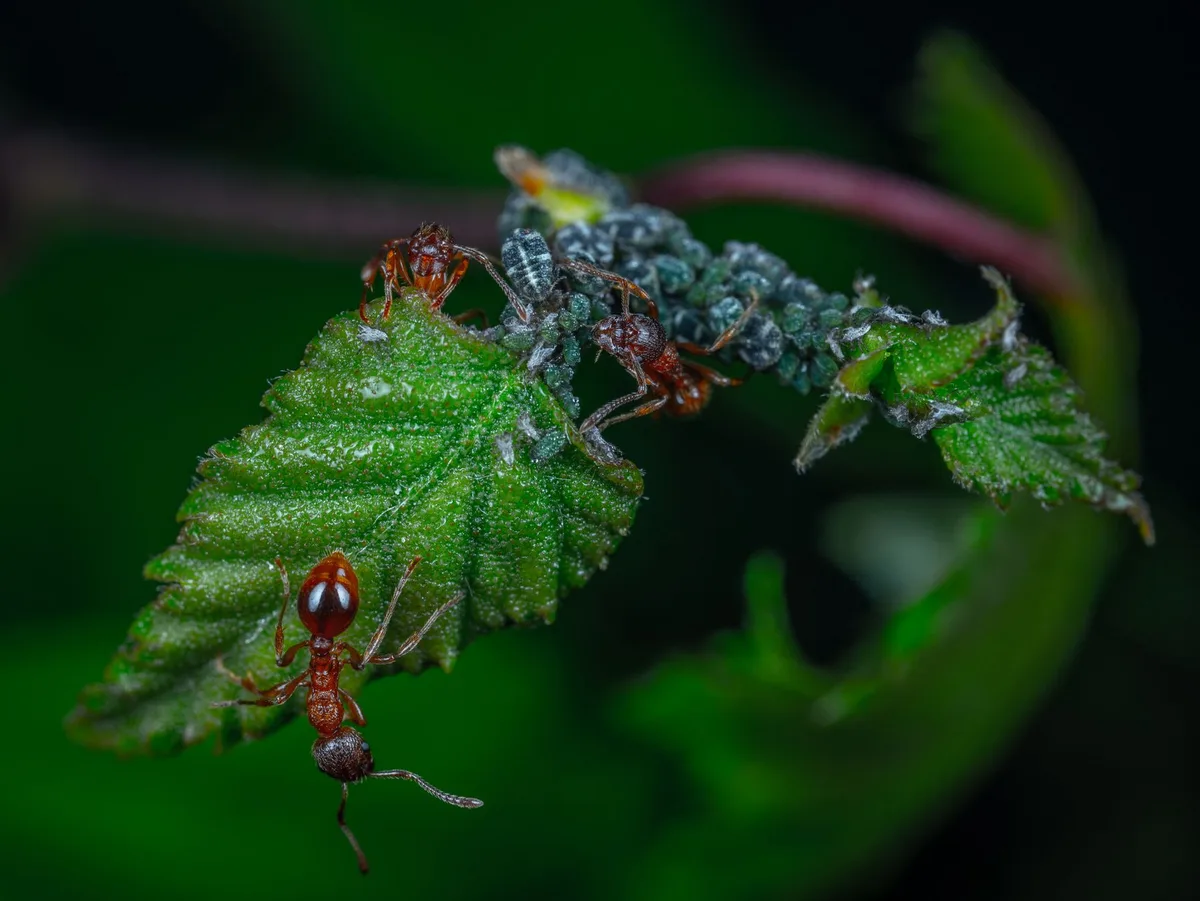
Aphids are small, soft-bodied insects that cluster on new growth, buds, and the undersides of leaves. They suck sap from the plant, causing distorted growth and yellowing. Look for tiny green, black, or sometimes red bugs.
Spider mites are even smaller and create fine webbing on leaves and stems, causing a stippled, dusty appearance and yellowing as they feed; they thrive in hot, dry conditions.
Dealing with Slugs and Snails
While not always visible, slugs and snails can decimate dahlia foliage, leaving ragged holes in the leaves. You'll often see their slimy trails nearby. They are most active at night or on damp, overcast days.
Identifying their distinct munching patterns is the tip-off here.
Effective Pest Control Strategies
For minor infestations of aphids, a strong blast of water from a hose can dislodge them. If that’s not enough, insecticidal soap or neem oil spray (applied according to label instructions, usually in the early morning or late evening) are effective and generally safe for beneficial insects. For slugs and snails, picking them off by hand, using beer traps, or applying slug bait are common methods.
Addressing pest issues early helps maintain your plant’s vigor, just as keeping weeds at bay with the right tools helps your plants thrive.
Disease Detectives: Fungal Friends and Other Ills
Beyond bugs, microscopic organisms like fungi and bacteria can wreak havoc on your dahlias. These diseases often thrive in specific environmental conditions, making prevention through good gardening practices just as important as treatment.

Battling Powdery Mildew and Botrytis
Powdery mildew appears as a white, powdery coating on leaves and stems. It’s usually cosmetic but can weaken the plant in severe cases. Botrytis blight, however, is more serious, presenting as a fuzzy gray mold that can quickly rot flowers, buds, and stems, especially in cool, damp weather.
As of 2026, effective management of these fungi relies heavily on improving air circulation and avoiding overhead watering.
Understanding Virus Possibilities
If your dahlias show unusual symptoms like mosaic patterns on leaves, ring spots, or stunted growth that doesn't fit other issues, they might have a virus. Unfortunately, most plant viruses cannot be cured, and plants infected with them are often best removed and destroyed to prevent spread to other healthy plants.
Disease Prevention and Treatment
Preventing fungal diseases like powdery mildew and Botrytis involves ensuring good air circulation between plants and avoiding wetting the foliage when watering, especially in the evening. If a disease strikes, remove affected leaves or plant parts immediately and dispose of them away from your garden. For severe cases, organic fungicides or specific chemical fungicides can be used, but always follow product instructions carefully.
Maintaining good garden hygiene, much like properly cleaning your lawn mower's air filter, helps prevent many problems before they start.
Beyond Water and Pests: Environmental Stressors
Even when you've got watering dialed in and pests are under control, your dahlias can still struggle due to environmental factors. Nature doesn't always cooperate, and plants can show signs of distress when conditions become unfavorable.
The Impact of Excessive Heat and Sun
Dahlias love sunshine, but prolonged periods of extreme heat can cause them to wilt, even if the soil is moist. This is known as heat stress. Direct, scorching afternoon sun can also burn the edges of their leaves, making them look dry and brown.
When Lack of Sun Causes Problems
Conversely, if your dahlias are planted in an area that receives less than six hours of direct sunlight per day, they might become leggy, produce fewer flowers, and be more susceptible to diseases like powdery mildew due to insufficient air circulation and weak growth. While you can't change their location easily mid-season, it's a crucial factor for future planting.
Addressing Nutrient Deficiencies
If your dahlia’s leaves are turning yellow, especially the older, lower leaves, it could signal a lack of essential nutrients like nitrogen. Dahlias are hungry plants and benefit from regular feeding during their growing season. Using a balanced fertilizer formulated for flowering plants can help correct deficiencies.
For example, applying a fertilizer like one suited for spring garden feeding can provide the necessary boost.
Your Dahlia Diagnostic Checklist: A Step-by-Step Workflow
When you're trying to save a struggling plant, a structured approach works best. This workflow helps you systematically rule out common issues and pinpoint the exact problem with your dahlias. Think of it as a plant doctor's examination.
Step 1: Detailed Symptom Observation
First, take a close look. Are the leaves yellowing from the bottom up, or are edges turning brown and crispy? Are there any spots, fuzzy growth, or holes chewed in the foliage?
Note the exact pattern and location of any discoloration or damage. This is your primary data.
Step 2: Soil Moisture Assessment
The most critical factor is often water. Stick your finger about two inches into the soil near the base of the dahlia. If it feels completely dry, underwatering is a likely suspect.
If the soil is soggy and hasn't dried out for several days, overwatering or poor drainage is probably the issue.
Step 3: Pest and Disease Inspection
Inspect the plant thoroughly, especially under leaves and on new growth. Look for tiny insects like aphids or fine webbing from spider mites. Check for visible mold, fuzzy growth, or distinct spots on leaves and stems, which point to fungal or bacterial diseases.
This visual inspection is key to identifying specific problems.
Step 4: Considering Environmental Factors
Think about recent weather patterns. Has there been an unusual heatwave, prolonged heavy rain, or strong winds? Were there any recent changes in the plant's location or exposure to sunlight?
These external conditions can significantly stress a plant.
Step 5: Matching Clues to Potential Causes
Once you've gathered all the observations, compare them to the common problems. For instance, if the soil is dry and leaves are wilting and crispy, underwatering is probable. If the soil is soggy and leaves are yellowing, overwatering and potential root rot are the prime suspects.
This deductive step is where you zero in on the solution.
Common Mistakes That Make Dahlias Fret
Even experienced gardeners can fall into common traps that lead to dahlia decline. Recognizing these pitfalls can save your plants from needless suffering and help you avoid repeating the same errors.
Incorrect Watering Amounts
The most frequent mistake is inconsistent watering. It's either too much, leading to soggy soil and root rot, or too little, causing wilting and stress. Many assume wilting automatically means "water more," but if the roots are already waterlogged, adding more water only worsens the problem.
Ignoring Early Pest or Disease Signs
It's easy to overlook those first few aphids or a tiny spot on a leaf. However, pests and diseases can spread rapidly. Waiting until the infestation is widespread or the disease has significantly damaged the plant makes recovery much harder.
Early detection and intervention are critical for plant health.
Poor Soil Drainage
Dahlias need well-draining soil. If your garden bed or pot retains too much water, the roots will suffocate, leading to root rot and plant death. This is a fundamental requirement for healthy dahlia growth, much like ensuring your grow tent has proper ventilation setup for optimal plant conditions.
Pro Tips for Thriving Dahlias Through the Season
Keeping dahlias healthy isn't just about fixing problems; it's about proactive care. Following a few best practices can significantly improve your chances of seeing spectacular blooms all season long. These tips focus on creating the best environment for your plants.
Consistent Monitoring is Key
Make it a habit to walk through your garden and check on your dahlias regularly, at least a few times a week. Look for any changes in leaf color, new wilting, or signs of pests. Early detection means less drastic interventions and a higher success rate, similar to how regularly cleaning your lawn mower air filter ensures better performance.
Proper Spacing for Airflow
Ensure your dahlias have enough space between them. Overcrowding restricts airflow, which can create a humid microclimate that encourages fungal diseases like powdery mildew and Botrytis. Referencing a grow tent size guide can offer insights into optimal spacing for plants.
Knowing When to Prune or Remove
Don't be afraid to prune away dead or diseased foliage promptly. If a plant is severely affected by a disease like a virus, removing it entirely might be the best course of action to protect your other plants. This decisive action is part of good garden stewardship.
When to Call in the Experts (or Give Up on a Plant)
Sometimes, despite your best efforts, a dahlia may be beyond saving. Knowing when to accept defeat and seek help or when it's time to let go is an important part of gardening. It frees up your resources and energy for plants that have a better chance of recovery.
Recognizing When Professional Advice is Needed
If you've carefully followed all the diagnostic steps and tried common remedies without success, it might be time to consult local gardening experts or extension services. They can offer specialized advice based on your region's specific soil types and common pest or disease pressures.
Making the Tough Decision to Remove a Plant
If a plant is clearly suffering from an incurable disease, like a viral infection, or has been severely damaged by pests and is unlikely to recover, it’s often best to remove it. This prevents the problem from spreading and allows new, healthy plants to take its place. It’s a hard decision, but a necessary one, much like deciding if a piece of equipment is beyond simple DIY repairs.
The Goal: Healthy, Blooming Dahlias
Ultimately, the goal is to enjoy beautiful, blooming dahlias. By understanding the common issues and following a systematic approach to diagnosis and care, you can ensure your plants stay healthy and vibrant throughout the growing season.