
Your rose bush leaves are dropping, and you're probably worried you've killed it. The good news is that in most cases, the plant is telling you something specific, and you can fix it if you catch the signs early. Rose bush leaves falling off almost always points to one of just a handful of causes, and once you know which one, the solution is usually straightforward.
Research from university extension services, including the University of California's Integrated Pest Management program, shows that over 80 percent of rose leaf drop cases stem from either watering mistakes or fungal disease. Environment and pest pressure cause the rest. As of 2026, home gardeners have more treatment options than ever, but the first step hasn't changed since your grandmother grew roses.
You have to look at the leaves and read what they're telling you.
Quick Answer
Rose bush leaves fall off from water stress, fungal disease, pests, or seasonal dormancy. Check soil moisture first. Stick your finger two inches deep.
If it's wet, you are overwatering. If it's bone dry, underwatering. Look for black spots, white powder, or webbing on the leaves.
Isolate the cause, then adjust watering or treat the specific problem.
What's Making Your Rose Bush Leaves Fall Off? (Quick Diagnosis Key)
There is no single answer to "why are my rose leaves falling," and that's the part that frustrates most new rose owners. The same symptom happens for completely opposite reasons. A rose with too much water drops leaves that look yellow and limp.
A rose with too little water drops leaves that look brown and crispy. If you treat for drought when the real problem is soggy roots, you'll make things worse.
That's why you need a diagnostic framework. Think of this like a mechanic reading engine codes. You need to check three things in order: moisture at the roots, visible marks on the leaves, and the pattern of where the leaves are falling.
Those three pieces of data will tell you nearly everything you need to know.

Image source: Wikimedia Commons / Famartin (CC BY-SA)
The Two Most Common Culprits: Watering Mistakes vs. Fungal Disease
If you want to narrow this down fast, start here. These two causes account for roughly three out of every four leaf drop cases in home gardens. Let's break down how to tell them apart at a glance.
Watering mistakes show up as an overall pattern. The whole plant looks sad. Leaves turn yellow or brown across the entire bush, not just in one spot.
The soil tells the story. If it's soggy, the roots are drowning and can't absorb nutrients. If it's dry as dust two inches down, the plant is shutting down to conserve water.
Fungal disease shows up as spots. Specific shapes, colors, and textures on the leaves. Black spot looks exactly like its name.
Powdery mildew looks like someone dusted the leaves with baby powder. Rust looks like orange powder on the underside. The leaves that fall are the ones with the spots, not the healthy ones.
The key difference is whether the leaves look clean but sad, or marked up and dropping individually.

Image source: Wikimedia Commons / Memorialman (CC BY-SA)
Step 1: Check Your Watering Routine (The Finger Test)
Here is the only tool you need to diagnose watering problems. Your finger. Ignore the fancy moisture meters for now.
They can fail if the battery dies or the probe corrodes. Your finger works every single time.
Push your index finger into the soil near the base of the rose bush. Go all the way to your second knuckle, about two inches deep. Then feel what you find.
If the soil feels wet or muddy at that depth, you are overwatering. Rose roots need oxygen. When the soil stays soaked, the roots suffocate and start dying.
The plant drops leaves because it cannot take up water and nutrients anymore, even though the soil is full of water. The leaves will turn yellow and fall from the bottom up.
If the soil feels dry at two inches deep, the plant is thirsty. The roots are in dry soil and cannot pull moisture. Leaves will turn brown at the edges and curl up before they drop.
You will see this on the older leaves first.
If the soil feels evenly moist, like a wrung-out sponge, your watering is fine. Move on to check for disease or pests.
A good rule for in-ground roses is a deep watering once per week during the growing season, unless you've had heavy rain. Container roses need water more often, sometimes daily in hot weather, but they also need drainage holes that actually work. For more on keeping plants healthy in controlled environments, our grow tent setup guide covers humidity control that applies to container gardening too.
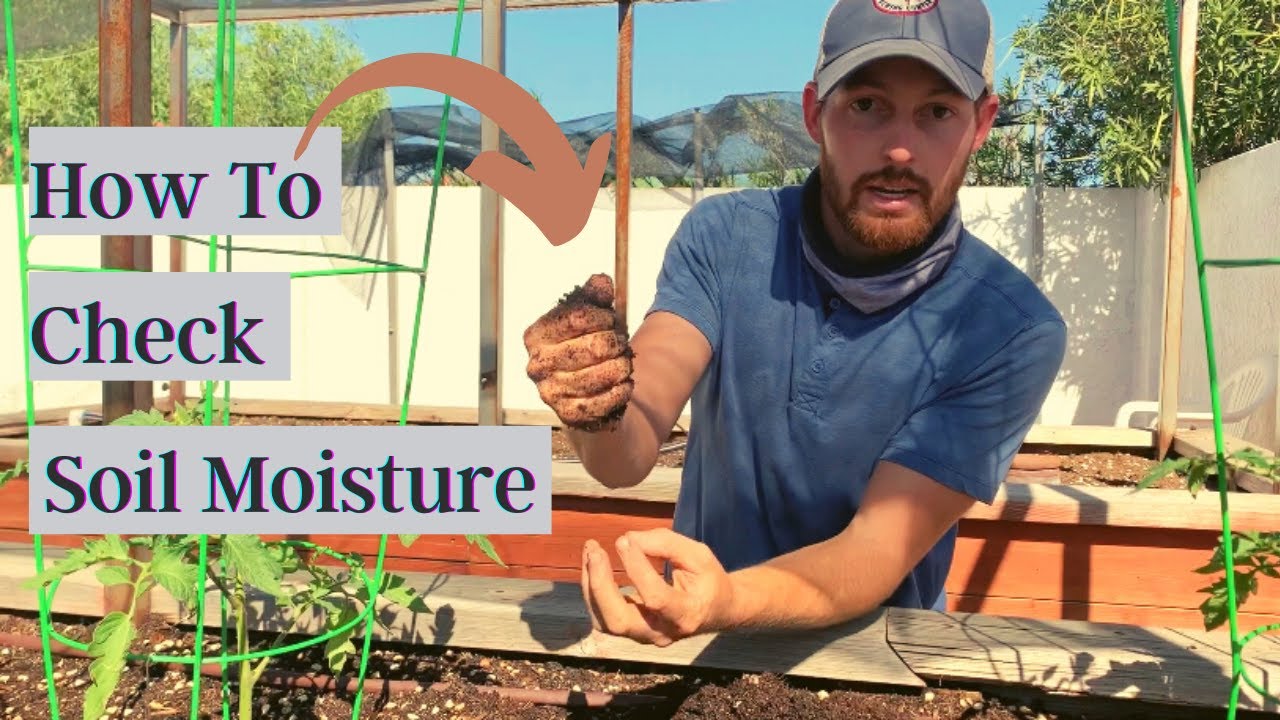
Image source: YouTube / Thrive and Grow Gardens (YouTube thumbnail (fair-use with source credit))
Step 2: Inspect the Leaves for Disease Signs
After you've confirmed the soil moisture is right, the next step is to look at the leaves themselves. Turn them over. Look at both sides.
Look at the stems too. This is where the disease evidence lives.
Black spot fungus is the number one rose disease in the United States per American Rose Society data. It starts as circular black spots with irregular edges and a yellow halo around each spot. The leaves turn entirely yellow and fall off.
It starts on the lower leaves and works upward. If you see that pattern, you have black spot.
Powdery mildew looks much different. It's a white or gray powdery coating on the upper surface of leaves, often starting on new growth. The leaves curl up, distort, and then drop.
It loves warm days, cool nights, and poor air circulation.
Rust shows up as orange or rust-colored powdery pustules on the underside of the leaves. The top side develops yellow spots. The leaves drop early.
Rust is less common than black spot but more aggressive when it appears.
Downy mildew is rarer but serious. Look for purple or brown irregular spots with a fuzzy gray mold on the underside. The leaves drop rapidly, sometimes in just a few days.
This one can defoliate a rose bush within a week if untreated.
If you see any of these patterns, you need to treat for the specific disease. General "all purpose" sprays are less effective than targeting the exact fungus you're dealing with.
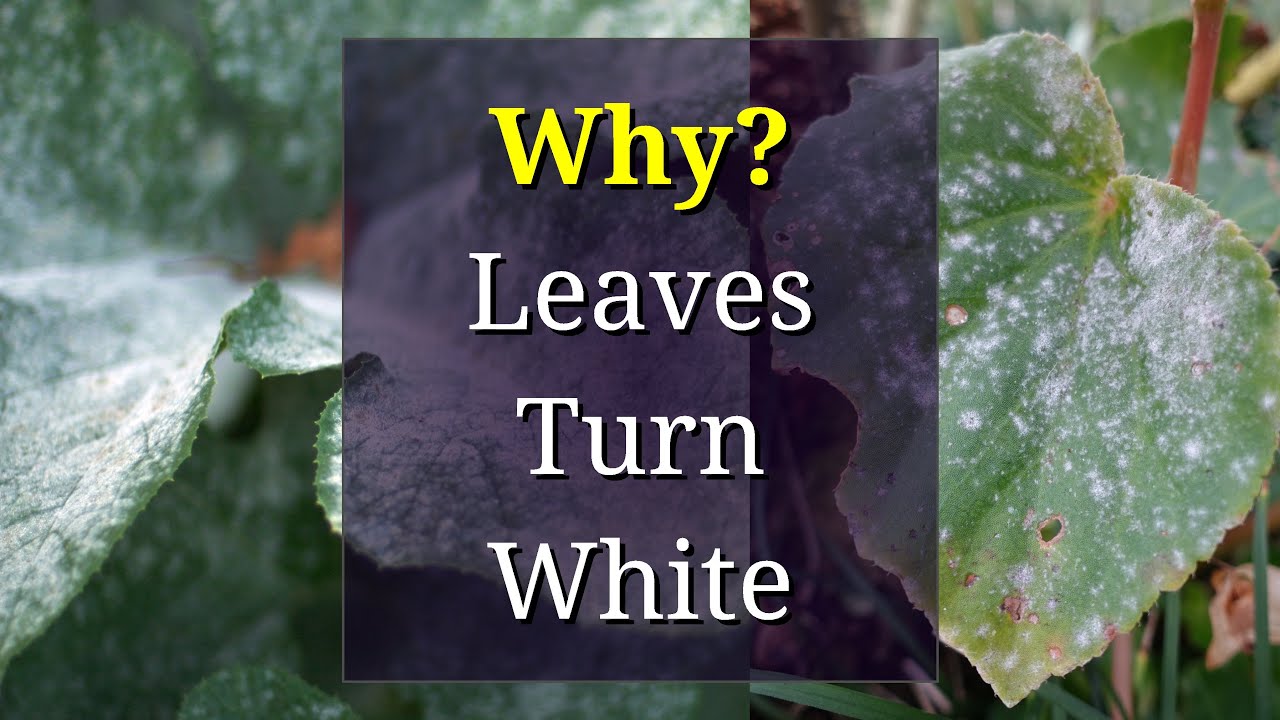
Image source: YouTube / Fraser Valley Rose Farm (YouTube thumbnail (fair-use with source credit))
Step 3: Look at the Leaves' Color and Pattern
This is where you move from simple observation to real diagnosis. The color and the pattern of leaf drop tell you different things. Let's walk through the most common combinations.
Yellow leaves with green veins: that is iron deficiency, usually from high soil pH. Roses prefer slightly acidic soil, pH 6.0 to 6.5. If your soil pH is too high, the plant cannot absorb iron.
The leaves turn yellow but the veins stay dark green. A soil test is the only reliable way to confirm this.
Yellow leaves with brown edges: this is often potassium deficiency or salt burn from too much fertilizer. If you've been feeding your roses heavily and the leaves are yellowing and browning at the tips, you may have overdone it. Flush the soil with plain water for a few weeks before fertilizing again.
Leaves that turn red or purple before dropping: this can mean phosphorus deficiency, or it can mean cold stress. If the weather has turned cool and the leaves are turning red, that is probably normal seasonal change. If it is midsummer and the leaves are red, look at your phosphorus levels.
Leaves dropping from the top of the plant: this is unusual for roses and points to something more serious like canker disease or herbicide damage. If the top of the plant is losing leaves while the bottom looks fine, you may have a problem in the stem or chemical drift from nearby weed spraying.
| Leaf Symptom | Likely Cause | Quick Action |
|---|---|---|
| Yellow bottom leaves, wet soil | Overwatering | Let soil dry out |
| Brown crispy edges, dry soil | Underwatering | Deep water immediately |
| Black spots with yellow halos | Black spot fungus | Remove infected leaves, apply fungicide |
| White powdery coating | Powdery mildew | Improve air circulation, treat with sulfur |
| Orange pustules underside | Rust | Remove leaves, apply fungicide |
| Yellow leaves with green veins | Iron deficiency (high pH) | Test soil, adjust pH |
Step 4: Consider Seasonal and Environmental Factors
Not every leaf drop is a crisis. Sometimes it's just the time of year, and the plant is doing exactly what it should. The trick is knowing the difference between a healthy seasonal cycle and a stressed plant in distress.
Normal fall dormancy starts when daylight drops below about 12 hours per day and temperatures stay cool. The leaves turn yellow or red and drop naturally. If this is happening in October or November, you're fine.
The plant is going to sleep for winter. Stop fertilizing and reduce watering.
Summer heat stress happens when temperatures stay above 85-90 degrees Fahrenheit for several days. Some rose varieties, especially dark red ones, will drop leaves to reduce water loss. Provide afternoon shade if possible, and keep the soil consistently moist but not soggy.
Transplant shock is common if you recently moved the rose bush. The plant loses some or all of its leaves within the first two weeks after planting. Keep it watered and wait.
Most roses bounce back within a month as long as you didn't damage the roots during planting.
Wind damage can cause leaves to dry out and drop. If your rose is in a windy spot, the leaves may look tattered and brown at the edges first. Consider a windbreak or moving the plant if it happens every year.
Our guide on how to use a leaf blower has tips for managing debris without damaging nearby plants.
Late frost in spring kills new growth. If you got a surprise freeze after the rose had leafed out, the new leaves may turn black and drop. Do nothing.
The plant will push new growth from dormant buds lower on the stems when the weather warms up.
Common Mistakes That Make Leaf Drop Worse
Here is where most gardeners go wrong. They see leaves falling and panic. They grab a fungicide when the problem is watering.
They water more when the roots are already drowning. These mistakes cost you time and can kill the plant faster than the original problem.
Mistake one: watering on a fixed schedule. Your neighbor waters every Tuesday. Your rose bush does not care what day it is. Water when the soil tells you to water, not when the calendar does.
Stick your finger in the dirt. If it's still moist at two inches, wait another day or two.
Mistake two: pruning diseased leaves into the compost pile. Black spot spores survive in leaf debris. If you pick off infected leaves and toss them in the compost, you're just reinfecting the plant next season. Bag them up and send them out with the trash.
The same goes for leaves that fall on the ground. Rake them up and remove them.
Mistake three: fertilizing a stressed plant. When a rose bush is dropping leaves, it is already struggling. Adding fertilizer forces it to push new growth, which it cannot support. That makes the drop worse.
Wait until the plant recovers and shows new healthy growth before you feed it again.
Mistake four: spraying in the middle of the day. Many fungicides and pest treatments require the leaves to stay wet for several hours to work. If you spray at noon in full sun, the water evaporates in minutes. You get zero benefit and risk burning the leaves.
Spray in early morning or late evening.
Mistake five: ignoring the root zone entirely. Most rose problems start below ground. If the soil is compacted, the roots cannot breathe. If the drainage is poor, they drown.
If the pH is off, they starve. Healthy soil grows healthy roses. The right balance of nutrients matters too.
Our compost vs fertilizer article explains how to choose between organic matter and synthetic feeding for your roses.
Treatment Options: What to Do for Each Cause
Once you know what you are dealing with, the treatment is straightforward. Let's walk through each cause and the recommended action.
For overwatering: Stop watering immediately. Let the soil dry out completely. This can take a week or more depending on your soil type and climate.
If the plant is in a container without drainage holes, repot it into one that drains. If the soil is heavy clay and stays soggy, consider moving the rose to a raised bed or amending the soil with organic matter.
For underwatering: Give the plant a deep, slow soak. Let a hose trickle at the base for 30 to 60 minutes. Water deeply enough that the moisture reaches the full root zone, which is about 12 to 18 inches deep for established roses.
Then set a schedule. Check the soil every three to four days during hot weather.
For black spot fungus: Remove all infected leaves from the plant and the ground. Apply a fungicide labeled for black spot on roses. Look for active ingredients like chlorothalonil, myclobutanil, or copper-based formulas.
Reapply every 7 to 14 days as the label directs, especially during wet weather. Preventative spraying in spring before symptoms appear is more effective than waiting until the plant is covered in spots.
For powdery mildew: Improve air circulation around the plant. Prune out crowded canes in the center. Apply a sulfur-based fungicide or a baking soda solution (one tablespoon per gallon of water with a few drops of dish soap).
Neem oil works well for mild cases. Treat every 7 to 10 days until the mildew stops spreading.
For rust: Remove infected leaves immediately. Rust spreads fast. Apply a fungicide with myclobutanil or tebuconazole.
Rust spores overwinter on fallen leaves, so clean up thoroughly in fall.
For spider mites: Look for fine webbing on the undersides of leaves. Blast the leaves with a strong stream of water from your hose to knock the mites off. Repeat every few days.
For heavy infestations, use insecticidal soap or horticultural oil. Avoid broad-spectrum pesticides that kill beneficial insects like ladybugs.
For nutrient issues: Get a soil test before you add anything. Guessing leads to more problems. If the test shows low nitrogen, use a balanced rose fertilizer.
If iron is low despite enough nitrogen in the soil, the pH is likely too high and needs adjustment with sulfur or ammonium sulfate.

Image source: YouTube / marcelina noss (YouTube thumbnail (fair-use with source credit))
When to Prune vs. When to Leave It Alone
One of the hardest lessons for new rose growers is knowing when to cut and when to wait. Pruning is powerful. It can save a plant or stress it further depending on timing.
Prune when: you see dead or diseased canes. Cut back to healthy white wood. Sterilize your pruners between cuts with rubbing alcohol or a 10 percent bleach solution.
This prevents spreading disease from one cane to another.
Prune when: branches are crossing and rubbing against each other. Those wounds are entry points for disease. Remove the weaker of the two branches.
Prune when: the plant has recovered from its stress and is pushing new growth. Light shaping at that point encourages bushier growth and better airflow.
Do not prune when: the plant is actively dropping leaves from stress. Pruning adds more stress. Wait until the plant stabilizes and shows signs of recovery.
Do not prune when: it is late summer or early fall. Pruning stimulates new growth that will not harden off before frost. That new growth dies in winter and weakens the plant.
Do not prune when: you are not sure what is wrong. If you cannot identify the cause of leaf drop, cutting branches off will not fix it. Diagnose first, then act.
A good rule of thumb is to remove no more than one-third of the plant's total foliage in a single season. Heavy pruning combined with stress can kill a rose bush.
How to Prevent Leaf Drop Next Season
Prevention is easier than treatment. If you set your roses up right from the start, you will see far fewer problems. Here is what works based on years of nursery growing experience.
Start with healthy soil. Test your pH every spring. Keep it between 6.0 and 6.5. Add organic matter like compost or aged manure each year.
Good soil grows strong roots, and strong roots resist disease better than weak ones.
Water at the base, not overhead. Wet leaves are how fungal spores germinate. Use drip irrigation or a soaker hose. If you must use a sprinkler, water early in the morning so the leaves dry before nightfall.
Mulch around the base. A two to three inch layer of organic mulch keeps soil moisture even and prevents soil from splashing onto the lower leaves. Fungal spores live in the soil. When rain splashes mud upward, it carries the spores to your leaves.
Mulch stops that.
Space your roses properly. Overcrowding creates humid pockets where disease thrives. Each rose bush needs room for air to circulate through the canes. Check the mature size of your variety and plant accordingly.
Choose disease-resistant varieties. Some roses are bred to resist black spot and powdery mildew. Knock Out roses, Drift roses, and many modern shrub roses are far less prone to fungal issues than old-fashioned hybrid teas. If you have struggled with leaf drop year after year, consider replacing the plant with a resistant variety.
Clean up in fall. Remove all fallen leaves and dead canes before winter. Fungal spores survive on dead plant material and reinfect new growth in spring. A clean garden in November means fewer problems come March.
Our blog has more seasonal maintenance tips for keeping your garden healthy year-round.
A Quick Decision Flowchart for Rose Leaf Drop
Sometimes you need a fast reference when you are standing in the garden with a dropping rose. Here is the decision tree in plain language.
Are the leaves yellow and the soil wet? You are overwatering. Stop watering and let the soil dry out completely.
Are the leaves brown and crispy and the soil dry? You are underwatering. Give a deep slow soak now and set a regular schedule.
Do the leaves have black spots with yellow halos? Black spot fungus. Remove infected leaves. Apply a fungicide.
Clean up fallen debris.
Do the leaves have white powder? Powdery mildew. Improve airflow. Apply sulfur or neem oil treatment.
Do the leaves have orange powder underneath? Rust. Remove infected leaves immediately. Treat with fungicide.
Do the leaves look stippled with tiny yellow dots or have webbing? Spider mites. Hose off the leaves and apply insecticidal soap.
Is it October or November and the leaves are turning color normally? Seasonal dormancy. Do nothing. Reduce watering and stop fertilizing.
Did you just plant the rose in the last two weeks? Transplant shock. Keep watering consistently. Wait for new growth.
Are the leaves dropping from the top down with no spots? Check for canker on the stems or herbicide damage. Inspect the canes for sunken discolored areas.
If you go through this list and none of the descriptions match exactly, take a photo and send it to your local agricultural extension office. Master gardeners can identify what you are missing.
Frequently Asked Questions
Should I remove leaves that are falling off my rose bush?
Yes, but only if they show signs of disease. Pick up fallen leaves from the ground too. Diseased leaves left in place spread fungal spores back to the plant.
Healthy leaves that drop from heat stress or dormancy can stay as mulch.
Can a rose bush recover from losing all its leaves?
Most can, yes. Roses are resilient. If the roots are healthy and the cause of the leaf drop is corrected, the plant will push new growth.
It may take four to six weeks. Keep watering appropriately and do not fertilize until you see new leaves.
What does overwatered rose leaves look like?
Overwatered rose leaves turn pale yellow and feel soft or limp. The leaf drop starts on the lower part of the plant. The soil stays wet at two inches deep.
The roots smell musty if rot has set in.
Is it normal for rose bushes to lose leaves in summer?
It can be, especially during extended heat waves. Temperatures above 90 degrees Fahrenheit trigger stress leaf drop. Provide afternoon shade and consistent moisture.
If the leaves have no spots or pests, it is likely just heat stress.
How often should I water roses to prevent leaf drop?
Water deeply once per week for in-ground roses. Container roses need water every two to three days in warm weather. Always check the soil at two inches deep first.
Water only when that layer feels dry to the touch.
Can I use neem oil on roses with leaf drop problems?
Yes, neem oil works for both fungal diseases and pest insects. It treats powdery mildew, black spot in early stages, and spider mites. Apply it in the evening to avoid leaf burn.
Repeat every seven to fourteen days as needed.