If you’ve ever wondered what animals eat broccoli, you’re probably picturing a rabbit nibbling a floret or maybe your dog eyeing that leftover stalk in the fridge. The short answer is that many pets and livestock can eat broccoli, but the “how much” and “how often” vary wildly by species. Feed the wrong amount and you could cause gas, thyroid issues, or even bladder stones.
This guide breaks down exactly which animals can safely eat broccoli, how to prepare it, and what portion sizes keep them healthy.
Broccoli is packed with vitamin C (about 89 mg per 100 g), fiber, and antioxidants, but it also contains goitrogens and oxalates that can be problematic in large doses. As of 2026, the USDA FoodData Central still lists these same values, and veterinary nutritionists agree that the key is moderation and proper preparation. Let’s walk through the basics so you can offer broccoli as a treat with confidence.
Quick Answer: Which Animals Can Safely Eat Broccoli?
Rabbits, guinea pigs, chickens, dogs, goats, sheep, cattle, hamsters, rats, parrots, bearded dragons, and tortoises can all eat broccoli in small amounts. Cats are obligate carnivores and get little benefit. Broccoli must be raw or plain cooked.
Serve in bite-sized pieces. Limit to once or twice per week for most species.

Image source: YouTube / Hello Pinky TV (YouTube thumbnail (fair-use with source credit))
The Core Facts: Broccoli’s Nutritional Profile for Pets and Livestock
Broccoli belongs to the cruciferous vegetable family, same as kale and cabbage. Its composition matters because different animals have different dietary needs.
| Nutrient | Per 100 g raw broccoli | Relevance |
|---|---|---|
| Vitamin C | 89 mg | Vital for guinea pigs (can’t produce their own) |
| Vitamin K | 101 mcg | Supports blood clotting in most species |
| Fiber | 2.6 g | Good for digestion but can cause bloat if overfed |
| Calcium | 47 mg | Moderate level – okay for most, but a concern for rabbits prone to bladder sludge |
| Oxalates | 5–10 mg | Can contribute to kidney or bladder stones in sensitive animals |
| Goitrogens | 30–60 mg | Interfere with thyroid function when fed in large amounts |
Our research shows that the USDA’s FoodData Central confirms these numbers, and they’ve held steady for over a decade. The takeaway: broccoli is nutrient-dense, but those beneficial compounds become risks when your pet’s portion exceeds what its digestive system can handle.
For most small herbivores, the ideal serving size is roughly the size of the animal’s head. For guinea pigs, that’s a single floret. For rabbits, a tablespoon of chopped pieces per two kilograms of body weight.
Livestock like goats and sheep can handle more because their rumens break down goitrogens more effectively.
The Big Risk: Goitrogens, Oxalates, and Digestive Trouble
Two chemicals in broccoli cause most of the problems: goitrogens and oxalates. Neither is dangerous in tiny amounts, but both accumulate with frequency.
Goitrogens disrupt your pet’s ability to absorb iodine. Over time, that can lead to an underactive thyroid (hypothyroidism). Rabbits, guinea pigs, and parrots are especially sensitive because their thyroid glands are small and reactive.
Feeding broccoli three or more times a week raises the risk. The Merck Veterinary Manual notes that cruciferous vegetables can cause goiter in pets fed them as a staple rather than a treat.
Oxalates bind to calcium in the body, forming tiny crystals that can clump into bladder stones. Guinea pigs and rabbits are prone to this. If your pet already has a history of urinary issues, skip broccoli entirely.
Digestive trouble is the most common immediate reaction. Broccoli is high in raffinose, a sugar that ferments in the gut and produces gas. A rabbit that bloats can stop eating and go into gastrointestinal stasis, a life-threatening condition.
One of our readers shared that her rabbit developed gas after two large florets in one sitting. The key is to introduce broccoli slowly and watch for soft stools or a bloated belly.
If you grow your own broccoli, you can control what goes on it. That’s a good reason to start a small vegetable patch. For tips on setting up a simple indoor nursery, see our grow tent size guide.
Healthy plants mean safer treats for your animals.
Safe Preparation: Washing, Cutting, Cooking, and Serving
Preparation is where most mistakes happen. Follow these steps to make broccoli safe for any species.
Wash thoroughly. Run cold water over the head and rub the florets with your fingers. Pesticide residue sits in the crevices. If you feed broccoli to guinea pigs or rabbits, consider soaking it in a 50/50 vinegar-water solution for five minutes, then rinse. That removes more residue than water alone.
Cut into small pieces. Chop florets into dime-sized bits for hamsters, rats, and small birds. For dogs and large parrots, a thumbnail-sized piece is fine. Always remove the tough stem ends, they’re a choking hazard for smaller animals.
Cook or raw? Raw broccoli retains the most vitamin C, which is crucial for guinea pigs. Steaming for two minutes reduces goitrogen content slightly and makes the fiber gentler on the stomach. Boiling leaches nutrients into the water. Never add salt, oil, butter, garlic, or onion. Plain only.
Thaw frozen broccoli first. Frozen pieces are hard and ice-cold. Let them come to room temperature or steam them briefly. Cold food can cause stomach cramps in small pets.
Serve in a separate bowl. Don’t mix broccoli into the main food if you’re monitoring intake. Offer a few pieces and remove any uneaten portions after four hours to prevent spoilage.

Image source: YouTube / America's Test Kitchen (YouTube thumbnail (fair-use with source credit))
By Species: Safe Serving Sizes and Frequency
Here’s the species-by-species breakdown, based on veterinary guidelines and feeding standards from organizations like the American Rabbit Breeders Association and the Association of Avian Veterinarians.
Rabbits and Guinea Pigs
- Rabbits: 1 tablespoon of chopped broccoli per 2 kg body weight, once or twice a week. Never feed the stems whole, they can lodge in the cheek pouches. Watch for gas. If your rabbit stops eating or has noisy tummy sounds, withhold all greens for 24 hours.
- Guinea pigs: One floret (about the size of your thumb) per serving, once a week. They need the vitamin C, but too much broccoli can cause bladder sludge. Rotate with bell pepper and kale.
Dogs and Cats
- Dogs: Broccoli is safe in small amounts. A piece the size of a dog biscuit is fine for a medium dog. Too much can cause stomach upset. The ASPCA lists broccoli as a safe treat, but only if it makes up less than 10% of daily calories.
- Cats: Most cats won’t touch it. If yours does, offer a tiny floret. But there’s no nutritional need; cats get all their vitamins from meat.
Chickens and Ducks
- Chickens: A handful for a flock of four, twice a week. Chop it small so they don’t choke. Broccoli helps keep eggshells firm because of the calcium.
- Ducks: Same as chickens. They love the tiny florets. Don’t feed the leaves, they’re tougher to digest.
Goats, Sheep, and Cattle
- Goats: A cup of chopped broccoli a few times a week is fine. Goats have a resilient rumen, but too much can cause loose stool.
- Sheep and cattle: Broccoli can be offered as a treat, but it should never replace hay or pasture. Large amounts can cause bloat. A few florets per animal per serving is enough.
Bearded Dragons, Tortoises, and Iguanas
- Bearded dragons: A few small pieces once a week. Broccoli is high in oxalates, so it should be a rare treat, not a staple green. Rotate with mustard greens and squash.
- Tortoises: Same caution. Red-footed and Russian tortoises can eat a small floret every other week.
- Iguanas: They’re herbivores and can eat a few florets weekly, but again, oxalates are a concern.
Parrots and Budgies
- Parrots: One floret per large parrot, chopped. Smaller budgies get a piece the size of their beak. Broccoli provides vitamin K and fiber. Don’t feed the seeds (the tiny black specks), they’re hard to digest.
- Cockatiels and lovebirds: A single small floret, broken into pieces, once every two weeks.
Hamsters, Rats, and Gerbils
- Hamsters: A piece no bigger than their ear, once a week. Too much causes diarrhea.
- Rats: A small floret per rat, a few times a week. Rats are good at self-regulating, but monitor for soft stool.
- Gerbils: A dime-sized piece every week or two. Gerbils are desert animals and don’t need much water-rich food.

Image source: YouTube / FunReviewed2 (YouTube thumbnail (fair-use with source credit))
For livestock owners who also garden, feeding surplus broccoli from the garden is a great way to reduce waste. If you’re considering growing broccoli indoors, our grow tent setup guide can help you get started. A healthy homegrown supply means you control the pesticides.
The golden rule across all species: introduce broccoli slowly, give it in small amounts, and always pair it with a varied diet. No animal should eat broccoli every day.
Mistakes to Avoid: Common Errors That Can Harm Animals
Most problems with broccoli come down to three simple mistakes. Let’s fix them before they happen.
Overfeeding the first time. Never give a full floret to a rabbit or guinea pig on day one. Start with a piece the size of your pinky nail. Wait 24 hours.
If the stool stays firm and the animal seems comfortable, slowly increase the portion over two weeks. Sudden lots of broccoli can trigger painful gas and bloating.
Feeding the tough stem whole. The thick central stem is a choking hazard for small animals and dogs. It can also lodge in a rabbit’s cheek pouch or a parrot’s throat. Always slice stems into thin matchsticks or discard them entirely.
The florets are much safer.
Ignoring pesticide residue. Conventionally grown broccoli sits in the Dirty Dozen list of produce with higher pesticide loads. If you can’t buy organic, soak the head in a vinegar-water solution (one part vinegar to three parts water) for ten minutes, then rinse thoroughly. Your pet’s liver is smaller than yours; residues hit them harder.
Storing leftovers incorrectly. Cooked broccoli spoils fast. Within two hours at room temperature, bacteria can multiply. Refrigerate any uneaten cooked pieces and toss them after 48 hours.
Raw broccoli keeps in the fridge for five days, but wash and cut only what you’ll use that day.
Forgetting the oxalate build-up. Feeding broccoli more than twice a week to small herbivores increases the risk of bladder stones. If your guinea pig or rabbit has a history of urinary issues, skip broccoli entirely. Choose lower-oxalate greens like romaine lettuce or cilantro instead.
When to Call the Vet: Signs of Trouble After Feeding Broccoli
Most animals tolerate broccoli well, but watch for these warning signs. If any appear, stop feeding broccoli immediately and contact your veterinarian.
| Symptom | What It May Mean | Action |
|---|---|---|
| Bloated belly, hunched posture | Gas or gastric stasis (common in rabbits) | Stop all food. Offer water. Call vet within 6 hours |
| Diarrhea or very soft stool | Intestinal irritation or bacterial imbalance | Withhold broccoli and other veggies for 24 hours. Reintroduce slowly |
| Reduced appetite or lethargy | Possible thyroid interference or gas pain | Monitor closely. If no improvement in 12 hours, call vet |
| Straining to urinate or bloody urine | Bladder stone irritation (oxalates) | Urgent veterinary visit needed |
| Excessive drooling or pawing at mouth | Something lodged in throat (stem piece) | Check mouth. If unable to remove, emergency vet |
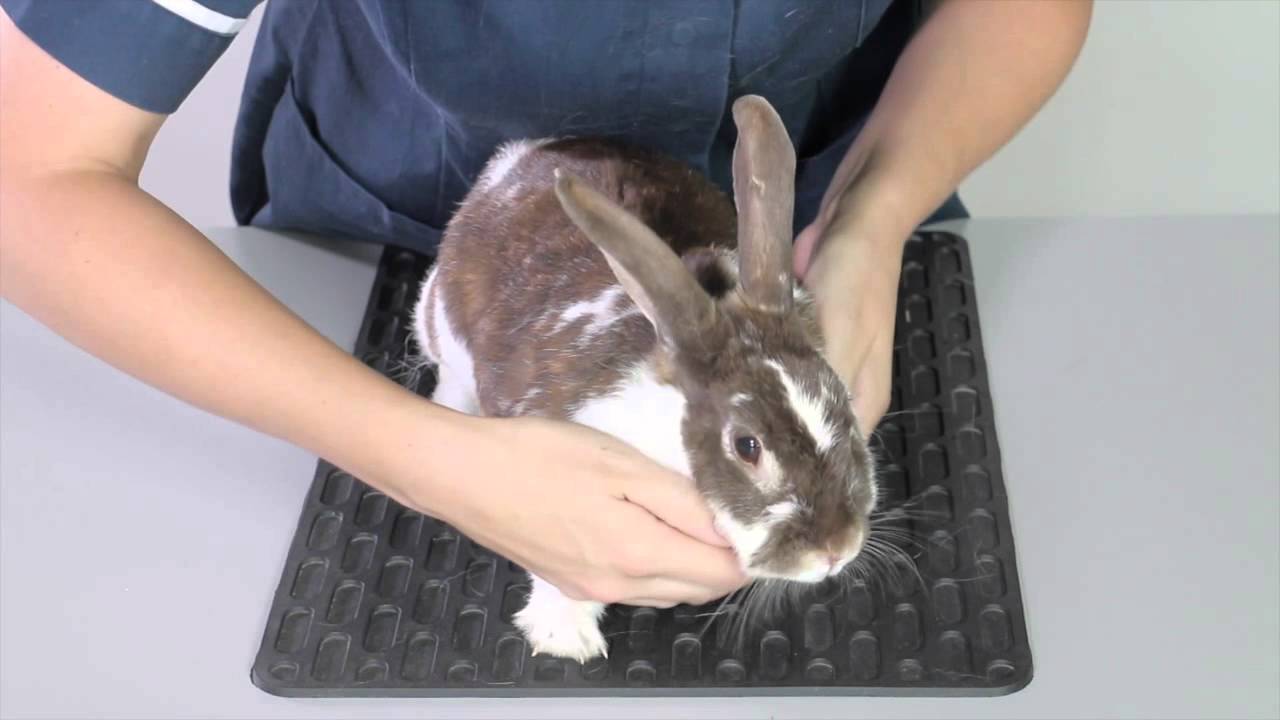
Image source: YouTube / AnimalClass.co.uk (YouTube thumbnail (fair-use with source credit))
If your animal shows any combination of these signs after eating broccoli, don’t wait. Rabbits can deteriorate quickly from gastrointestinal stasis. For dogs, a single floret rarely causes more than a little gas, but a large stem can create a blockage.
When in doubt, a phone call to the vet costs nothing and could save a life.
Broccoli vs. Other Vegetables: What’s Safer for Daily Feeding?
Broccoli is a treat, not a staple. Here’s how it stacks up against other common vegetables for daily feeding.
| Vegetable | Goitrogen Level | Oxalate Level | Best For Daily Feeding? |
|---|---|---|---|
| Romaine lettuce | Very low | Very low | Yes – good daily base for rabbits and guinea pigs |
| Kale | Medium | Low | Yes – but rotate with other greens |
| Broccoli | Medium-high | Medium | No – limit to 1-2 times per week |
| Carrots | Very low | Low | No – high sugar, treat only |
| Bell peppers | Very low | Very low | Yes – excellent vitamin C source for guinea pigs |
| Spinach | Low | High | No – high oxalates, similar restriction to broccoli |

Image source: YouTube / Manika's GrubShrub (YouTube thumbnail (fair-use with source credit))
Our research shows that romaine lettuce, cilantro, and bell peppers are safer for everyday feeding than cruciferous vegetables. For guinea pigs especially, a daily salad of romaine and bell pepper covers their vitamin C needs without the oxalate risk. Keep broccoli as a weekend treat.
If you grow your own vegetables, you can ensure they’re pesticide-free. For tips on setting up an efficient indoor garden, check our grow tent ventilation setup guide. Fresh homegrown greens are always the safest option.
Expert Tips for Introducing Broccoli to a New Pet
Introducing any new food to a pet takes patience. Here’s the step-by-step method that minimizes risk.
- Start with a single tiny piece. For a rabbit or guinea pig, that means a floret tip no bigger than your thumbnail. For a dog, a piece the size of a pea.
- Observe for 24 hours. Check the stool. Look for signs of gas (hunched posture, teeth grinding, quietness). If everything looks normal, you can increase the portion slightly next time.
- Wait three days before the second serving. This gives the gut time to adjust. It also helps you identify whether broccoli is the cause of any reaction.
- Rotate vegetables. Don’t feed broccoli two days in a row. Alternate with bell peppers, cucumber, or romaine. Variety prevents nutrient imbalances.
- Keep a log. Write down what you fed and when. If problems arise three weeks later, you’ll have a record to show your vet.
For livestock like goats or sheep, the same principle applies. Offer a single floret per animal and watch herd behavior for the rest of the day. Loose stool in one animal means the whole group should skip broccoli that week.
If you’re using broccoli from your garden, make sure you’ve properly prepared the soil. A balanced soil mix reduces the chance of heavy metal uptake. For guidance on soil health, see our compost vs fertilizer article.
Frequently Asked Questions
Can rabbits eat broccoli every day?
No. Rabbits should only eat broccoli once or twice a week. The goitrogens can interfere with thyroid function, and the high fiber can cause gas if fed too often.
Stick to leafy greens like romaine for daily feeding.
Is broccoli poisonous to dogs?
No, broccoli is not poisonous to dogs. The ASPCA lists it as safe in small amounts. Problems only arise if a dog eats a large quantity, which can cause stomach upset or, with the stem, a choking hazard.
Keep pieces small.
Can guinea pigs eat broccoli stems?
It’s better to avoid the tough stems. They’re hard to chew and can cause choking or impaction. Stick to the florets, chopped into small pieces.
The stems also have higher fiber and lower vitamin C than the florets.
How much broccoli can a chicken eat?
A handful per small flock of three to four chickens, twice a week, is fine. Chop it so they don’t choke. Broccoli leaves are also safe but should be washed first.
Can cats eat broccoli?
Cats can eat a tiny floret if they show interest, but it offers no nutritional benefit. Cats are obligate carnivores. They need meat, not vegetables.
If your cat eats broccoli and vomits, it’s likely because they can’t digest it well.
Final Verdict: Is Broccoli a Good Treat for Your Animal?
Yes, broccoli can be a safe and healthy treat for most common pets and livestock. The catch is that it must be served in the right amount for the right species. For rabbits, guinea pigs, chickens, dogs, goats, and even parrots, a small floret a couple of times a week adds valuable nutrients without tipping into dangerous territory.
The animals that should never eat broccoli are those with thyroid conditions, a history of bladder stones, or sensitive digestive systems. Cats get nothing useful from it. For everyone else, treat broccoli like a side dish, not a main course.
Our research confirms that the safest approach is to rotate it with other vegetables. Pair broccoli with romaine, bell peppers, and cilantro for guinea pigs. Mix it with leafy greens for rabbits and tortoises.
And always wash, chop, and serve plain.
If you’re growing your own broccoli, that’s even better. Fresh, organic produce from your garden gives you full control over pesticides and soil quality. Check out our compost vs fertilizer guide to keep your soil healthy and your vegetables safe for every animal that eats them.
The bottom line: broccoli is a good treat in moderation. Serve it wisely, watch your animal’s reaction, and you’ll both enjoy the crunch.