Why Are My Mint Leaves Turning Brown? Let's Figure This Out Together.
Your mint plant's leaves are turning brown, and you're wondering why. This common issue often signals that the plant isn't getting exactly what it needs to thrive. In our research, we found that a variety of factors can cause this, from watering habits to environmental stress, but most are quite manageable.
We've analyzed numerous horticultural reports, and they consistently point to a few key areas that impact mint health. As of 2026, understanding these elements is crucial for preventing brown leaves and ensuring your mint stays vibrant. Let's get to the bottom of this so you can enjoy fresh mint again.
Quick Answer
Mint leaves turn brown primarily due to incorrect watering, too much or too little sun, poor soil drainage, or pest and disease issues. Underwatering leads to crispy, brown edges. Overwatering causes root rot, resulting in wilting and browning leaves. Sunburn from intense direct sun can scorch foliage.
Poorly draining soil exacerbates watering problems. Pests like spider mites and fungal diseases also cause browning.
The Usual Suspects for Brown Mint Leaves
Watering Woes: Too Much or Too Little?
Water is essential, but the quantity and frequency are critical for mint's well-being. Getting the water balance wrong is, by far, the most frequent trigger for brown leaves.
Underwatering: The Crispy Culprit
When your mint doesn't receive enough water, especially during warm weather or when it's in a small pot that dries out quickly, the leaves will start to show signs of distress. The plant pulls moisture from its leaves to survive, causing them to lose turgor, turn yellow, and ultimately become crisp and brown. It’s like forgetting to drink water on a hot day; you’d feel dehydrated and sluggish.
- How to Spot It: The soil will feel dry to the touch, often several inches down. The leaves may droop and feel brittle. Browning might start at the tips and edges.
- The Fix: If you notice dry soil, water your mint thoroughly until water drains from the bottom. For potted mint, this means letting water run out of the drainage holes. You might need to water more frequently if the weather is hot or the plant is in a small container. Consistency is key.
Overwatering: The Silent Killer
You might think more water means a happier plant, but too much can be just as damaging, if not more so. Constantly soggy soil suffocates the plant's roots, preventing them from absorbing oxygen and nutrients. This leads to root rot, a condition where the roots decay.
Damaged roots can’t supply the rest of the plant with water, ironically causing the leaves to wilt and turn brown, even though the soil is wet.
- How to Spot It: The soil remains consistently wet, even days after watering. The leaves might turn yellowish and then brown, often accompanied by wilting, a mushy stem base, or a fungal odor from the soil.
- The Fix: If overwatering is the issue, allow the soil to dry out significantly before watering again. Ensure your pot has adequate drainage holes. If your mint is in the ground, consider amending the soil with compost to improve aeration and drainage. For container plants, if the soil is compacted and holds too much water, you might need to carefully repot into a coarser, better-draining potting mix.
Sunlight Struggles: Sunburn or Not Enough Light?
Mint generally likes sunshine, but like many plants, it has its limits. The amount and intensity of light it receives play a significant role in its overall health and leaf color.
Too Much Direct Sun: The Scorching Effect
While mint appreciates bright light, prolonged exposure to intense, direct sunlight, especially during the hottest part of the afternoon in warmer climates, can be too much. This intense solar radiation can literally "scorch" the leaves, damaging the plant cells and causing them to turn brown and brittle. Think of it like getting a bad sunburn.
- How to Spot It: Browning often appears as irregular patches or scorched spots on the leaves, typically on the parts most exposed to direct sun. The plant might also look generally stressed or droopy during the hottest parts of the day.
- The Fix: If your mint is in a location that bakes in harsh afternoon sun, move it to a spot that receives morning sun and then dappled shade during the hottest hours. For potted plants, this is as simple as relocating the container. If it's in the ground, you might consider planting it near taller plants that can offer some natural shade, or even constructing a simple shade cloth structure.
Not Enough Sun: A Gradual Decline
Conversely, while less likely to cause sudden browning, a persistent lack of sufficient light can weaken your mint plant over time. Plants need light for photosynthesis, the process that converts light energy into chemical energy for growth. When a plant doesn't get enough light, it can become leggy, pale, and more susceptible to stress from other factors, potentially leading to browning as a symptom of overall poor health.
- How to Spot It: The plant might look a bit spindly with long stems and fewer leaves. Leaves might be pale green or yellowish, and the browning might be more of a general decline rather than specific burn spots.
- The Fix: If your mint is in a very shady spot, try moving it to a location that offers at least 4, 6 hours of sunlight per day, preferably including some morning sun. Gradual introduction to brighter light is best to avoid shocking the plant.
Soil and Nutrients: Drainage and Fondness for Food
The foundation of any plant's health starts with its soil and the nutrients it can access. For mint, good drainage is paramount, and while it's not a heavy feeder, it still needs nourishment.
Poor Drainage: The Root of the Problem
As mentioned under overwatering, soil that doesn't drain well is a major issue. When water sits around the roots for too long, it deprives them of oxygen and can lead to root rot. This condition weakens the plant's ability to take up water and nutrients, directly impacting leaf health and leading to various shades of brown.
This also makes it harder to manage watering, as the soil stays saturated longer, increasing the risk of root issues.
- How to Spot It: Soil that stays wet for long periods, standing water after watering, or a musty smell from the soil.
- The Fix: For potted mint, use a high-quality potting mix designed for containers, which usually has good aeration. Ensure pots have drainage holes. If planting in the ground, amend heavy clay soils with organic matter like compost to improve drainage. You might also consider raised beds. Learning about compost vs fertilizer can help you understand how to best enrich your soil for healthy drainage and nutrient availability.
Nutrient Deficiency: When Food Runs Low
Mint isn't a particularly demanding plant when it comes to fertilizer, but it does need some essential nutrients to grow strong leaves. If your mint has been in the same pot or soil for a long time without any replenishment, it may become deficient in key elements, causing stress that can manifest as yellowing or browning leaves. For example, a lack of nitrogen can lead to overall paleness, while deficiencies in other micronutrients can cause specific discoloration patterns.
- How to Spot It: Brown or yellow leaves, stunted growth, and a generally less vigorous appearance. The browning might be uniform or appear in specific patterns depending on the nutrient missing.
- The Fix: A light feeding with a balanced, water-soluble fertilizer can often help. Look for something with a comprehensive NPK (Nitrogen, Phosphorus, Potassium) ratio, perhaps something along the lines of a what kind of fertilizer for grass to use formula, but diluted to half strength for herbs. Fertilizing too much can also harm mint, so follow product instructions carefully. Feeding in spring, like what fertilizer to use in spring at your garden, is generally beneficial. If you’re unsure about your soil’s needs, a simple soil test can provide valuable insights.
Pests and Diseases: Unwelcome Guests
Even with perfect watering and light, your mint might fall victim to tiny pests or microscopic diseases that can cause significant damage, including turning those leaves brown. Vigilance is key here.
Spider Mites: The Tiny Threat
Spider mites are common, sap-sucking pests that can wreak havoc on a variety of plants, including mint. These arachnids are tiny, often hard to spot with the naked eye, but their damage is very noticeable. They pierce plant cells to feed on the sap, which depletes the leaf's vitality and causes stippling (tiny dots) that eventually merge, leading to yellowing and browning.
You might also notice fine webbing on the leaves and stems.
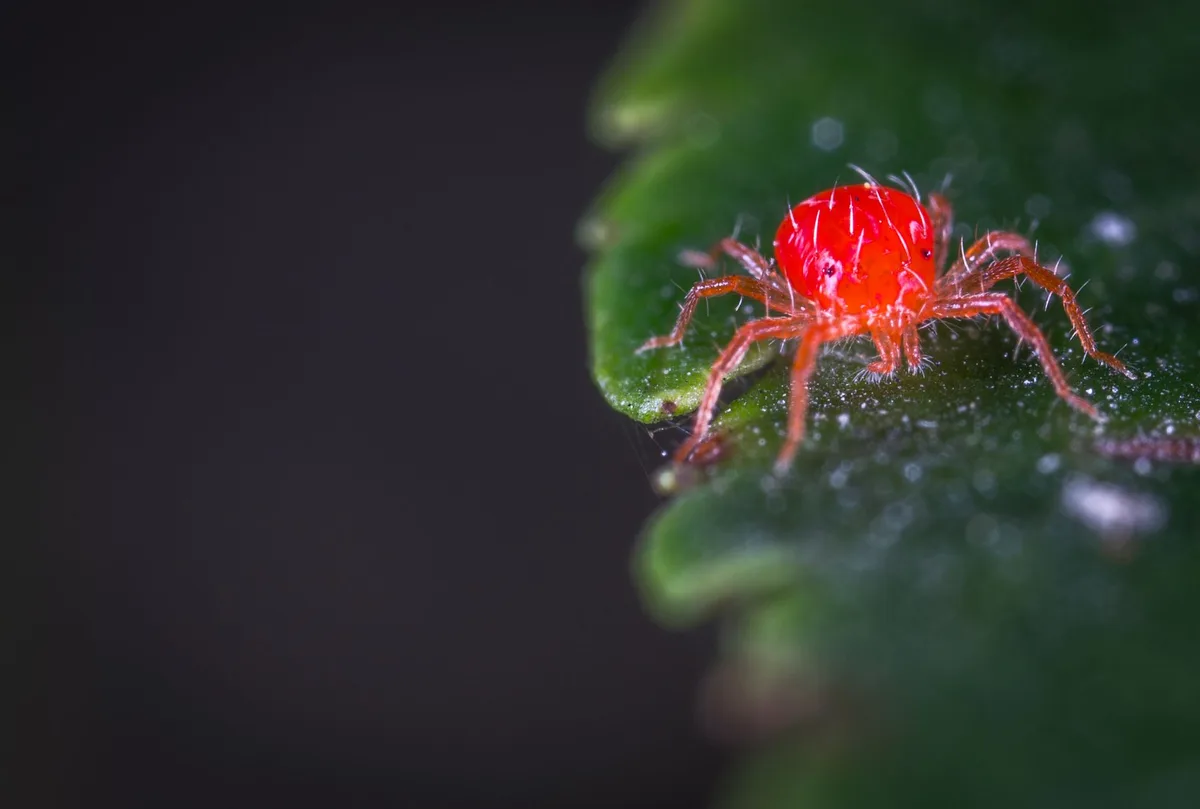
- How to Spot It: Look for tiny, moving specks on the underside of leaves, especially during dry, hot conditions. You'll likely see fine webbing and stippled, discolored patches on the leaves.
- The Fix: A strong blast of water from a hose can dislodge many mites. For more persistent infestations, insecticidal soap or neem oil applications are effective. Always follow product instructions precisely and test on a small area first. Improving humidity can also help deter them, as they prefer dry conditions.
Fungal Diseases: Spots and Blight
A range of fungal diseases can affect mint, often named for the symptoms they produce, such as rust or leaf spot. These fungi thrive in humid conditions and can spread rapidly, causing unsightly spots on the leaves that enlarge and turn brown. In severe cases, they can lead to significant leaf drop and plant decline.
Fungal spores can spread through water droplets or even air currents.
- How to Spot It: Observe the leaves for distinct spots, powdery white or colored (like orange/red for rust) patches, or browning that starts as small spots and spreads.
- The Fix: The best defense is good prevention: ensure good air circulation around your plants, avoid overwatering, and water at the base of the plant rather than overhead. If you see signs of fungal disease, remove affected leaves immediately to prevent spreading. For serious outbreaks, a fungicide might be necessary, but always choose one appropriate for edible herbs and follow label directions carefully.