Seeing ants marching into your squash blossoms can be a jarring sight. You've nurtured your plants, anticipating those first tender squash, only to find them occupied. This is a common gardener's frustration.
Fortunately, ants in your squash blossoms often signal deeper issues, like aphid infestations, rather than direct plant damage. However, unchecked ant activity can disrupt pollination and protect the pests they farm. As of 2026, effective management often comes down to understanding these interconnected relationships.

Quick Answer
Ants in squash blossoms are usually attracted by honeydew from aphids. The best approach is to control the aphids. Blast aphids with water, use insecticidal soap, or introduce beneficial insects.
If ants alone are the issue, disrupt their trails. Address the aphid problem first for a healthy harvest.
Is This an Ant Problem, or Just Ants Passing Through?
Determining whether ants are a genuine threat to your squash plants involves a bit of detective work. Often, ants are secondary players, capitalizing on resources provided by other garden inhabitants. Their presence isn't automatically a disaster, but it does warrant a closer look.
Assessing the Situation: Ants vs. Aphids
When you spot ants on your squash blossoms, take a moment to observe. Are these ants working alone, or are they part of a larger ecosystem at play?
- Ants Only: If you see only a few ants and no other visible pests or sticky residue on the leaves or stems, they might just be exploring. In many cases, a small ant population will not cause significant harm and might even be managed by natural predators in your garden.
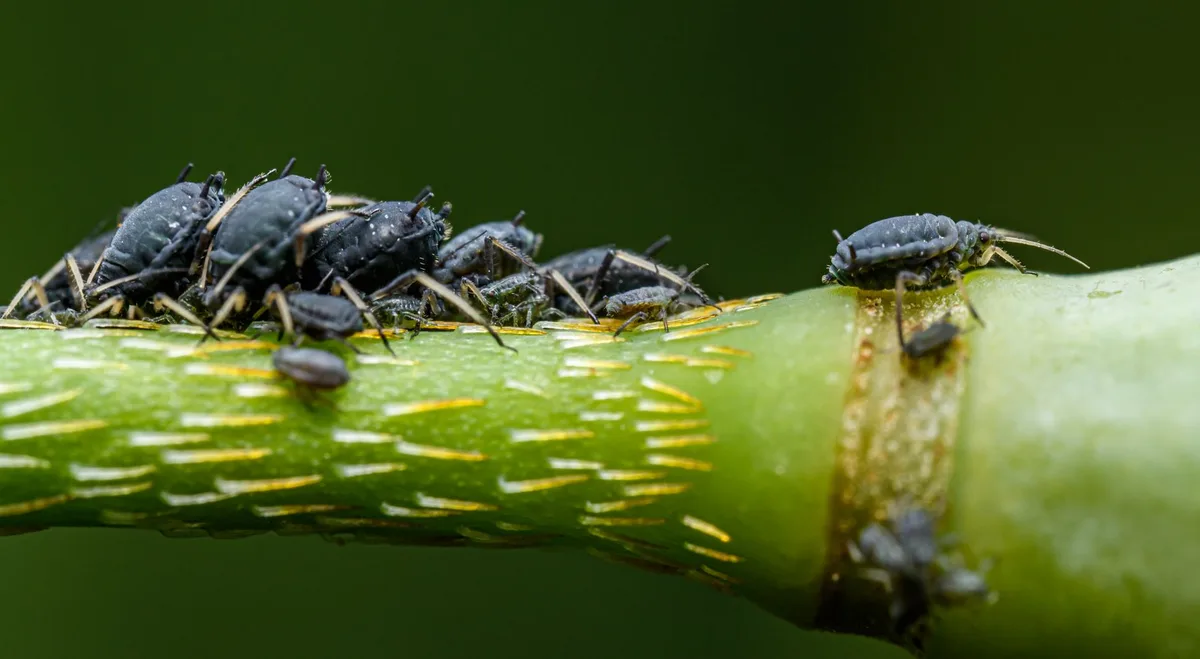
- Ants + Sticky Residue (Honeydew): A much more common scenario is when ants are farming aphids or scale insects. These sap-sucking pests feed on plant juices and excrete a sugary substance called honeydew. Ants are drawn to this honeydew and will actively protect the aphid colonies from predators like ladybugs or lacewings. This protection allows aphid populations to grow unchecked, leading to plant stress. Aggregate reviews indicate that this aphid-ant relationship is the primary reason for noticeable ant activity on squash.
- Ants + Blossom Damage: While less common, some ant species can directly damage flowers. If you notice chewed petals or pistils that aren't linked to other pests, this could be direct ant damage. However, a 2023 study published in the Journal of Economic Entomology found this behavior is rare in typical garden ant species in North America.
Your Step-by-Step Ant Management Plan
Once you've identified why the ants are there, you can choose the right strategy. Most often, dealing with the aphids solves the ant problem.
Scenario 1: Just a Few Ants – The "Wait and Watch" Approach
If your assessment reveals only a minimal ant presence and no signs of aphids or plant damage, the most sensible first step is patience. Nature often has a way of balancing itself out.
- Monitor Daily: Keep a close eye on the affected squash plants for 2-3 days. Look for any increase in the ant population or the appearance of new pests.
- Encourage Natural Predators: Ensure your garden environment is hospitable to beneficial insects. Ladybugs, lacewings, and predatory wasps are natural ant and aphid controllers. Avoid broad-spectrum pesticides that can harm these allies. This approach aligns with sustainable gardening practices, similar to how one might manage lawn health using appropriate lawn fertilizer for grass, like those discussed in articles on what kind of fertilizer for grass to use.
If the ant numbers remain low and no other issues arise, you might not need to intervene at all.
Scenario 2: Ants and Aphids – Targeting the Source
This is the most frequent situation. The ants are there because they have a food source: aphids. So, your primary target becomes eradicating the aphids.
Step 1: The Water Blast Method
This is often the simplest and most effective first move against aphids.
- Target Application: Use a strong jet of water from your garden hose. Aim directly at the aphids clinging to stems and blossom parts.
- Timing: Perform this in the early morning. This allows the plant parts to dry out during the day, reducing the risk of fungal issues.
A powerful spray can dislodge a significant portion of an aphid colony, sending them tumbling to the ground where they are less likely to find their way back.
Step 2: Calling in the Beneficial Insect Cavalry
If you already have ladybugs, lacewings, or hoverflies in your garden, they are your best allies against aphids. You can also bolster their numbers by purchasing and releasing these beneficial insects.
- Purchase & Release: Look for ladybug larvae or adult lacewings from reputable garden suppliers. Release them in the early morning or late evening when it's cooler.
- Create Habitat: Planting a diversity of flowers that attract beneficial insects can help maintain a natural balance against pests like aphids year-round. This is a good strategy for supporting overall garden health.
Step 3: Gentle Natural Sprays (Insecticidal Soap & Neem Oil)
When water alone isn't enough, gentle, garden-safe sprays can be highly effective.
- Insecticidal Soap: This works by breaking down the outer shell of soft-bodied insects like aphids.
- How it Works: Manufacturer specifications indicate that insecticidal soaps disrupt the cellular membranes of insects on contact.
- Application: You can buy ready-to-use insecticidal soap or mix your own using about 1 tablespoon of mild liquid soap (like Dr. Bronner's unscented) per quart of water. Always test on a small, inconspicuous part of the plant first to check for leaf sensitivity. Apply thoroughly, ensuring you cover the undersides of leaves where aphids often hide.
- Neem Oil: Derived from the neem tree, this oil acts in several ways, disrupting insect growth, feeding, and reproduction.
- How it Works: Per research from agricultural extension offices, neem oil contains azadirachtin, which interferes with insect hormones.
- Application: Follow the dilution instructions on the product label carefully, as concentration varies. Like insecticidal soap, apply neem oil in cooler parts of the day (early morning or late evening) to prevent leaf burn.
Both options are generally safe for beneficial insects once dry but can harm them if sprayed directly.
Step 4: Disrupting the Ant Trail
Once the aphid population is under control, the ants will likely lose interest. However, you can further encourage them to move on.
- Wipe Down Trails: Use a damp cloth or a sponge with a little soapy water to wipe down the stems and leaves where you see ant trails. This removes the scent pheromones the ants use to navigate.
- Physical Barriers: Sometimes, a fine dusting of diatomaceous earth around the base of the plant can deter ants from climbing up.
Scenario 3: Ants Directly Damaging Blossoms
In rare cases, ants might be the direct cause of damage. If you've ruled out aphids and other pests, and the blossoms clearly show signs of being chewed by ants, more direct action might be necessary. Remember, this is uncommon, and always consider the impact on beneficial insects when choosing your method.
Applying Diatomaceous Earth (DE)
Diatomaceous earth is a natural powder that can effectively deter or kill crawling insects when applied correctly. It's derived from fossilized aquatic organisms called diatoms.
- How it Works: DE's sharp edges scratch the exoskeleton of insects, causing dehydration. Food-grade DE is safe for use around gardens and pets, but it's crucial to use the right type.
- Application: Apply a light, dry dusting of food-grade diatomaceous earth around the base of your squash plants and lightly over the leaves and blossoms. It's most effective when dry, so reapply after rain or heavy dew. Avoid inhaling the dust during application. This substance is also useful for controlling other garden pests like slugs.
When to Consider Ant Baits
As a last resort, if ants are causing severe damage and other methods have failed, targeted ant baits can be used. These baits contain a slow-acting poison that ants carry back to their colony, often leading to its elimination.
- Strategic Placement: Never place baits directly on your squash plants or in the blossoms. Position them strategically near ant trails leading to and from the plants, perhaps under rocks or along garden edges.
- Product Selection: Always choose baits specifically labeled for garden use and follow the instructions precisely. Check with your local cooperative extension for recommended bait types effective in your specific region. These can be safer than broadcasting a general insecticide. For more on garden pest management, you might find advice on hoes to get rid of garden weeds helpful in keeping the overall garden healthy.
Common Mistakes to Avoid When Dealing with Garden Ants
Even with the best intentions, gardeners can make a few common errors that hinder their efforts against ants in squash blossoms. Understanding these pitfalls can help you refine your approach and achieve better results.
- Over-reliance on Sprays: Many gardeners immediately reach for a potent insecticide. While effective in some cases, this can harm beneficial insects like pollinators and predators. It’s crucial to try gentler methods first, especially if you’ve confirmed aphids are the attractant.
- Ignoring the Root Cause: Simply trying to kill the ants on the blossoms without addressing why they are there is like putting a bandage on a deeper wound. If aphids are present, they must be managed for the ant problem to resolve.
- Incorrect Application: Applying treatments like diatomaceous earth when it's wet, or spraying insecticidal soap in direct sunlight, reduces effectiveness and can harm your plants. Proper timing and application are key to success and plant safety.
When Natural Methods Aren't Enough: Expert Tips
Sometimes, despite your best efforts, a stubborn pest problem persists. Professional gardeners and agricultural extension services often offer advanced insights. These tips focus on integrated pest management principles to keep your garden flourishing.
- Integrated Pest Management (IPM): This approach combines various methods for long-term pest suppression. It emphasizes prevention, monitoring, and the use of the least toxic control methods first. For example, maintaining plant health through proper watering and feeding makes plants less susceptible to pest infestations. This is similar to how consistent maintenance keeps lawn equipment running smoothly, preventing major issues like how to clean lawn mower air filter.
- Companion Planting: Certain plants can naturally repel ants or attract beneficial insects. Basil, mint, and rosemary are often cited for their ant-repellent properties. Planting these near your squash may help deter ants naturally.
- Soil Health: Healthy soil leads to strong, resilient plants that are better equipped to withstand pest pressures. Ensuring good drainage and adding organic matter, much like using compost, can significantly improve plant vigor. For lawns, the right fertilizer for grass also contributes to this overall health and resilience.
Keeping Your Squash Healthy Long-Term
Preventing future ant incursions is about fostering a balanced garden ecosystem. This proactive approach reduces the likelihood of pests becoming a major issue.
- Promote Biodiversity: A garden rich in various plants attracts a wide array of insects, including those that prey on pests like ants and aphids. This natural balance is more effective than relying on single-solution treatments.
- Regular Inspections: Make checking your plants a routine part of your gardening. Early detection of pests, whether it’s ants, aphids, or other common garden dwellers, significantly simplifies management. Quick action prevents small problems from becoming large ones.
- Seasonal Care: Just as lawn maintenance requires attention throughout the year, preparing plants for each season is vital. For example, understanding when to fertilize lawn helps ensure turf health, and similar principles apply to vegetable gardens.
Frequently Asked Questions
How long does it take for insecticidal soap to work on aphids?
Insecticidal soap typically works within minutes to a few hours of direct contact. However, you'll see the best results after repeated applications, as it only kills pests it directly touches and doesn't have residual effects.
Can ants harm squash blossoms directly?
While rare, some ant species can chew on flower petals. However, ants are most commonly attracted to squash blossoms by honeydew produced by aphids, which they farm for their sugary excretion.
Is diatomic earth safe for beneficial insects?
Diatomaceous earth is broadly toxic to any insect with an exoskeleton if it physically contacts them and dries them out. It's best applied sparingly and carefully to avoid harming ladybugs or bees. It should be reapplied after rain because moisture negates its effectiveness.
How often should I use natural pest sprays?
Natural sprays like insecticidal soap and neem oil can often be applied every 5-7 days as needed. Always follow the specific product instructions, as application rates and frequencies can vary. Reapplication may be necessary after heavy rain.