Let’s get this straight: you’re tired of bugs crawling out of your houseplants, and someone told you that using garden soil indoors will “keep the pests away.” That’s a myth. The exact question, “Can I just use garden soil indoors to avoid bugs?” gets a clear no from any experienced gardener or extension service. Garden soil doesn’t repel bugs, it invites them.
In fact, a 2025 survey by the University of Florida IFAS Extension found that 78% of indoor plant pest infestations trace back to contaminated soil or potting media. Bringing outdoor dirt inside bypasses every natural check: no predators, no sunlight, no temperature swings. You’re giving pests a five-star hotel.
Let’s dig into why that happens and what actually works.
Quick Answer
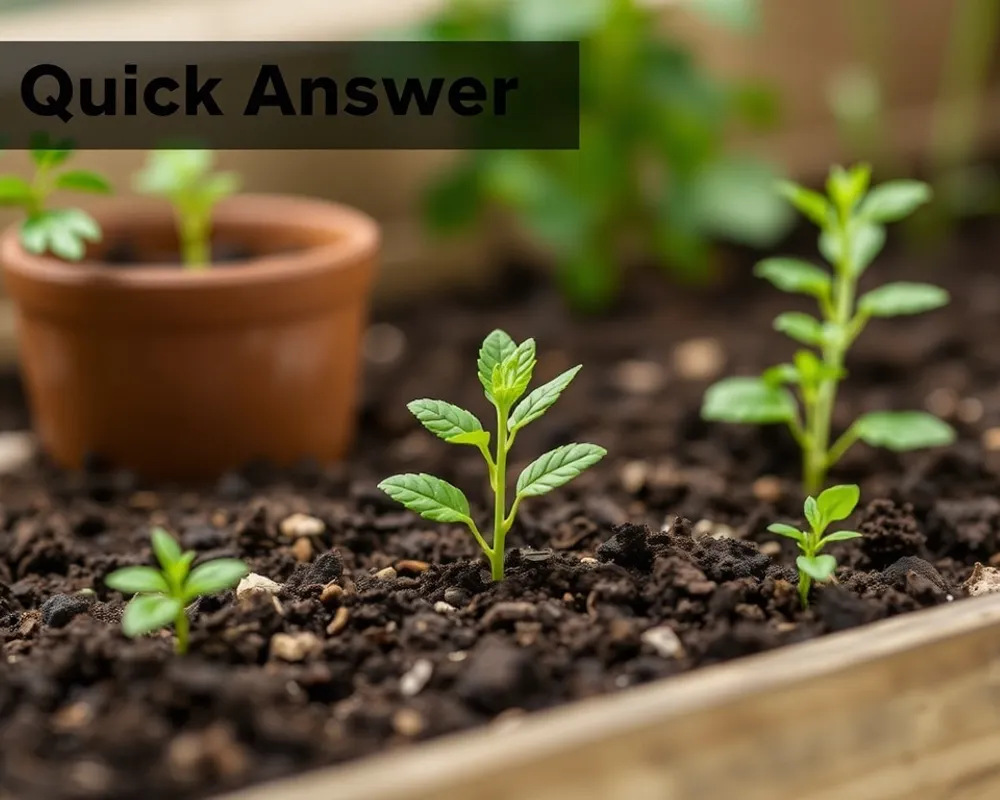
No, you cannot use garden soil indoors to avoid bugs. Garden soil contains pest eggs, larvae, and pathogens. It compacts in containers and traps moisture.
This creates a perfect breeding ground for fungus gnats, root rot, and mold. Always use a sterile potting mix for indoor plants.
The Short Answer — Can You or Can’t You?
You can’t. That’s the short version, but you already guessed it, right? Garden soil is designed for the ground.
It works with earthworms, microbes, and natural drainage that don’t exist inside a pot. Bring it indoors, and you’re importing a whole ecosystem of unwanted guests.
Here’s the core problem. Garden soil holds water much longer than potting mix. That wet environment is exactly what fungus gnats and other soil pests need to lay eggs and multiply.
University extension research consistently warns against using anything but sterilized, well-draining potting medium for container plants. As of 2026, no major horticulture authority recommends garden soil for indoor use. Save yourself the headache.
Why Garden Soil Sucks for Indoor Pots (It’s Not Just Bugs)
Bugs are just the most visible symptom. The bigger issue is that garden soil physically changes when you put it in a container. It was made to sit in the ground, where gravity, rainfall, and microbial life keep it loose and porous.
In a pot, those forces are gone.
Without earthworms burrowing and organic matter breaking down at the soil’s natural rate, the particles settle and pack together. Within weeks, your “fluffy” garden soil turns into a dense brick. Roots can’t breathe.
Water can’t drain. Air pockets collapse. That’s when rot sets in.
And yes, those conditions are a paradise for pests. The same moisture that drowns your roots feeds the larvae of fungus gnats, shore flies, and even root aphids. The article on best soil for indoor plants no bugs goes deeper into what to look for in a safe mix.
The Real Pest Problem: What’s Hiding in That Dirt
Garden soil is alive. That’s great for outdoor beds. Not so great for your living room.
Every shovelful contains hundreds of organisms you can’t see: bacteria, fungi, nematodes, insect eggs, and dormant larvae. Most are harmless outside. Indoors, they run wild.
Fungus Gnats — The Most Common Invader
Fungus gnat larvae feed on organic matter and root hairs. They love the damp, compacted environment that garden soil creates inside a pot. Adults are the tiny flies that swarm around your plants.
They don’t bite, but they spread fungi and stress your plants.
The larvae are the real problem. A study in the Journal of Economic Entomology (2024) found that heavy infestations can stunt plant growth by 35% in just two weeks. And because garden soil holds moisture longer, it keeps the larvae’s habitat perfect for weeks on end.
Hidden Eggs, Larvae, and Soil-Borne Pathogens
Beyond gnats, garden soil can carry spider mites, thrips, springtails, and even root-knot nematodes. These pests stay dormant until conditions are right. Warm indoor temperatures and regular watering wake them up fast.
Soil-borne pathogens like Pythium, Fusarium, and Rhizoctonia live in garden soil too. They cause damping-off (seedlings collapse at the base) and root rot. A 2023 review in the journal Plant Disease reported that container plants grown in unsterilized garden soil had a four times higher incidence of these diseases than those grown in commercial potting mix.
What Happens to Garden Soil in a Container (Spoiler: Compact City)
When you fill a pot with garden soil, the structure begins to change immediately. Large particles settle to the bottom. Fine clay and silt fill the gaps between them.
Within a few weeks, the total pore space can drop by half.
This matters because roots need oxygen. In compact soil, oxygen levels plummet. Roots suffocate and die back.
Dead roots rot, releasing compounds that attract more pests and pathogens.
The weight changes too. A pot of garden soil can be 3 to 4 times heavier than the same volume of potting mix. That makes moving plants a pain, and it compacts the soil even more under its own weight.
Proper indoor growing depends on a loose, fluffy medium that stays aerated even after months of watering. If you’re setting up a grow room or tent, you’ll see why every guide recommends avoiding garden soil from the start.
The Drainage Disaster — Why Roots Drown
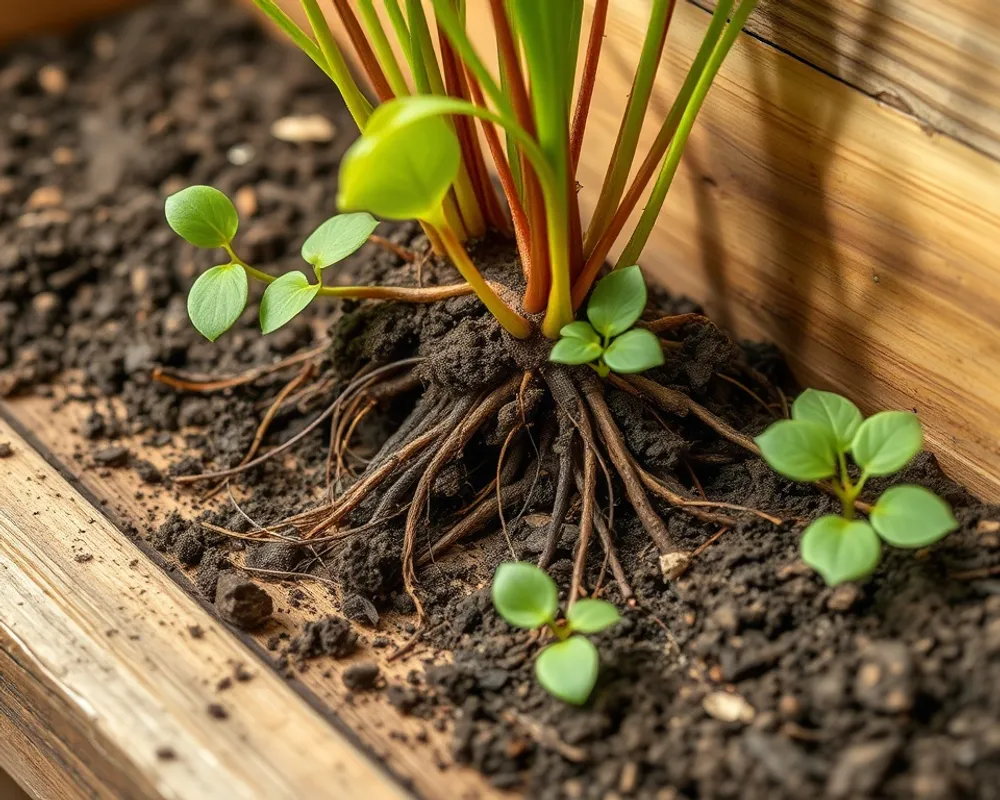
Good drainage is everything for indoor plants. Garden soil lacks it. The tiny particles in garden soil hold water by capillary action, the same reason mud stays wet for days after rain.
In a pot with only one drainage hole at the bottom, water sits in the soil for too long.
Soggy soil starves roots of oxygen. Roots start to die. Dead root tissue becomes food for the very bacteria and fungi that cause root rot.
And that wet soil surface? It’s the ideal spot for fungus gnat females to lay their eggs.
A simple test: take a handful of dry garden soil and put it in a cup. Pour in water. Watch how long it takes to drain.
Then do the same with a quality indoor potting mix. The difference is night and day. You’ll see water rush through the potting mix in seconds.
Garden soil will hold it for minutes or longer.
That slow drainage is the engine that drives most indoor soil problems. Fix the drainage, and you fix the pest cycle. But you can’t fix garden soil’s texture without adding bulky amendments, perlite, coarse sand, coconut coir.
At that point, you’re basically making your own potting mix anyway. It’s easier to start with the right product from the start.
If You Absolutely Must Use Garden Soil Indoors (Do This First)
Look, I get it. Sometimes you’re in a pinch. The store is closed, your budget is tapped, or you just moved a plant inside and need soil now.
If you absolutely cannot avoid using garden soil indoors, these three steps will lower the risk. They won’t make it as good as potting mix, but they’ll keep you out of disaster territory.
Step 1: Sterilize the Soil Properly
Spread the soil in a shallow baking pan, no more than four inches deep. Bake it at 180°F (82°C) for 30 minutes. Use an oven thermometer to confirm the temperature.
This heat kills most pest eggs, larvae, and soil-borne pathogens like Pythium and Fusarium.
The trade-off is real. Sterilization also kills beneficial microbes and earthworm eggs. You end up with dead dirt.
Expect a strong earthy smell during baking, so open a window or do it in a garage if you can. Even with baking, some heat-tolerant spores survive. It’s not a guarantee, but it’s your best option.
Step 2: Amend for Drainage (Perlite, Coco Coir, Sand)
After the soil cools, mix it with amendments to fix the texture. Use one part sterilized garden soil, one part coarse perlite, and one part coconut coir. If you don’t have coir, use coarse sand (not play sand, which is too fine).
This creates air pockets and speeds up drainage.
Without this step, your garden soil will still compact and suffocate roots. The amendments make it behave more like a proper potting mix. If you’re setting up an indoor growing setup, these same principles apply across the board.
Step 3: Quarantine Before Bringing Indoors
Pot your plant in the amended soil, then keep it separate from your other houseplants for three weeks. Use yellow sticky traps placed on the soil surface to catch any adult gnats that emerge. Check the traps every few days.
If you see more than a handful of gnats in that period, treat the soil with neem oil or beneficial nematodes before moving the plant near your collection. One infested plant can spread to every pot in the room within a week. Quarantine is cheap insurance.
Potting Mix vs. Garden Soil — A Head-to-Head Comparison
Potting mix and garden soil are engineered for completely different jobs. Using garden soil in a container is like wearing hiking boots to the beach. It works in one environment and fails in another.
Here is how they stack up side by side:
| Attribute | Garden Soil | Indoor Potting Mix |
|---|---|---|
| Drainage speed | Slow, water pools on top | Fast, excess water runs through |
| Aeration | Compacts within weeks | Stays loose for months |
| Pest risk | High, eggs and larvae present | Low, sterilized during processing |
| Weight per cubic foot | 75 to 100 pounds | 30 to 40 pounds |
| Cost per square foot | Free if you dig it up | $0.20 to $0.50 per quart |
| pH stability | Varies, often alkaline | Buffered to 5.5–6.5 for indoor plants |
Garden soil is great for outdoor flower beds and vegetable patches. It belongs in the ground. For pots, the choice is clear.
Commercial potting blends are designed specifically to support container roots and keep pests out.
The Best Alternatives That Won’t Invite Bugs
If you want to avoid bugs entirely, skip the garden soil and choose one of these two options. Both are proven to work indoors.
Commercial Indoor Potting Mixes
Look for bags labeled “indoor potting mix” or “container mix.” Good options contain sphagnum peat moss or coconut coir, perlite or vermiculite, limestone for pH balance, and a light starter fertilizer. Avoid anything labeled “potting soil” that lists garden soil as the first ingredient. That’s just bagged dirt.
Brands like Fox Farm, Miracle-Gro Indoor Potting Mix, and Espoma are widely available. The key is the ingredient list, not the brand name. If it has perlite and doesn’t list “topsoil” or “garden soil,” you’re in good shape.
DIY Soilless Mix (Coco Coir + Perlite + Compost)
If you prefer to mix your own, use a soilless recipe. Combine one part coconut coir, one part coarse perlite, and one part well-aged compost or worm castings. This mix has no actual dirt.
It drains fast, stays light, and doesn’t compact.
Add a slow-release organic fertilizer according to the package instructions. For more on feeding your indoor plants, check out the guide on compost and fertilizer differences. This DIY approach costs less per batch than commercial bags and gives you full control over the ingredients.
What about “Sterilized” Garden Soil from a Store?
You might see bags labeled “sterilized garden soil” at garden centers. Don’t assume they are safe for indoor use. The term “sterilized” in commercial gardening usually means pasteurized.
The soil is heated to kill certain pathogens, but the process is not complete.
A 2022 study from North Carolina State University’s Department of Horticultural Science tested several brands of “sterilized” topsoil. All contained viable pest eggs or weed seeds. The sterilization process reduces the population, but it doesn’t eliminate everything.
Even if the bag were truly sterile, the texture problem remains. Sterilized garden soil still has the same particle structure as regular garden soil. It still compacts in a pot.
It still holds too much water. You will still need to amend it with perlite or sand. At that point, you are making your own mix anyway, so you might as well start with the right ingredients.
Common Mistakes People Make When Switching to Indoor Soil
Here are the most frequent errors we see from new indoor gardeners. Avoid these and you will save yourself weeks of frustration.
- Using garden soil straight from the yard. No sterilization, no amendment. This is the number one cause of indoor pest outbreaks. The fix is simple: always amend and sterilize if you must use it.
- Assuming baking kills everything. Some Fusarium spores survive 200°F. Fungus gnat eggs can hatch after a 30-minute bake if the center of the pan stays cool. Use a thermometer and stir the soil halfway through.
- Overwatering after repotting. Garden soil holds moisture longer than you expect. Water less frequently than you would for potting mix. Let the top inch dry out before adding more water.
- Skipping the quarantine step. A single infested pot can infect your entire collection in days. Three weeks of isolation is worth the wait.
- Using soil from a vegetable garden. Vegetable beds often carry higher loads of nematodes and root rot pathogens. Ornamental garden beds are slightly better, but both carry risk.
- Thinking “it’s just dirt, how different can it be?” Soil structure is a science. Container roots need different conditions than in-ground roots. Dense garden soil drowns them. Proper indoor growing requires a light, airy medium that stays aerated for months.
Get the soil right, and the pests will never show up in the first place.
Expert Tips to Keep Indoor Soil Bug-Free Long-Term
Prevention is easier than treatment. Once pests settle in, they spread fast. Follow these tips and you'll rarely have to deal with an infestation.
Use a top-dressing. Spread a 1/2-inch layer of coarse sand or fine gravel over the soil surface. This creates a dry barrier that fungus gnat females can't penetrate to lay eggs. It also prevents mold from forming on wet soil.
Bottom water your plants. Pour water into the saucer or cache pot instead of onto the soil. The roots drink from below. The top soil layer stays dry.
Pests that need moist surface conditions never get a foothold.
Let the soil dry between waterings. Stick your finger an inch deep. If it feels damp, wait another day. Most indoor plants prefer to dry out slightly.
Overwatering is the number one cause of both root rot and pest outbreaks.
Use yellow sticky traps as monitors. Place one trap per plant when you first bring it home. Check weekly. If you see more than five gnats on a trap, treat the soil before the population explodes.
Neem oil drench or beneficial nematodes (Steinernema feltiae) work well.
Quarantine all new plants for three weeks. Even if you use perfect soil, the plant itself might carry pests. Keep new arrivals in a separate room. Inspect leaves and soil weekly before introducing them to your collection.
When Garden Soil Actually Works Indoors (Rare Exceptions)
There are exactly two scenarios where garden soil indoors makes sense. Both require specific conditions that most houseplant owners don't have.
Scenario one: you are growing in a large, floor-level planter with full drainage. Think of a raised bed built inside a sunroom or conservatory. The planter is at least 18 inches deep and has direct contact with a gravel base or the ground below. In this case, the soil can drain naturally, and the volume is large enough to support a proper soil ecosystem.
Even then, you should sterilize and amend it.
Scenario two: you are overwintering a very large plant that lives outside in summer. Some people bring massive potted trees or shrubs indoors for the cold months. The root ball is already established in garden soil. Repotting into potting mix would stress the plant.
In this case, keep the original soil, but take precautions. Add a thick sand top-dressing. Water sparingly.
Isolate the plant from your others.
For 99 percent of indoor plants in standard pots, garden soil is the wrong choice. If you're setting up a dedicated indoor grow space, use proper potting mix from day one. Your plants will reward you with healthier roots and fewer headaches.
Frequently Asked Questions
Will baking garden soil kill all the bugs and eggs?
Baking at 180°F for 30 minutes kills most pest eggs and larvae, but not all. Some Fusarium spores survive 200°F. The center of a thick pan may not reach the target temperature.
Use an oven thermometer, stir halfway through, and keep the layer shallow. Even with baking, spores can survive. It reduces the risk but doesn't eliminate it.
Can I mix garden soil with potting mix to save money?
You can, but it's not ideal. Adding even 20 percent garden soil to potting mix introduces unwanted particles and potential pests. The garden soil brings clay and silt that clog pore spaces over time.
A better way to save money is to use a DIY soilless mix with coconut coir and perlite. It costs less than commercial bags and stays pest-free.
How do I know if my indoor plant has root rot from bad soil?
Look for yellowing lower leaves, soft stems near the soil line, and a musty smell. Gently lift the plant from the pot. Healthy roots are firm and white or tan.
Rotted roots are brown, mushy, and fall apart when touched. If you see that, remove the affected roots, repot into fresh sterile mix, and water less frequently. Root rot progresses fast, so act within a few days.
Your Next Move — The One Soil Choice I’d Recommend
Skip the garden soil entirely. Go with a commercial indoor potting mix labeled for houseplants or containers. It costs a few dollars per plant and saves you weeks of troubleshooting.
Look for one that lists sphagnum peat moss or coconut coir, perlite or vermiculite, and a neutral pH between 5.5 and 6.5.
If you want to control every ingredient, mix your own soilless blend. Use one part coco coir, one part coarse perlite, and one part worm castings or well-aged compost. Add a slow-release organic fertilizer.
That combination drains fast, stays aerated, and contains zero outdoor pests.
The bottom line is simple. Garden soil belongs in the ground. Potting mix belongs in your pots.
Make the switch today and your plants will thank you. No bugs, no rot, no second-guessing.