
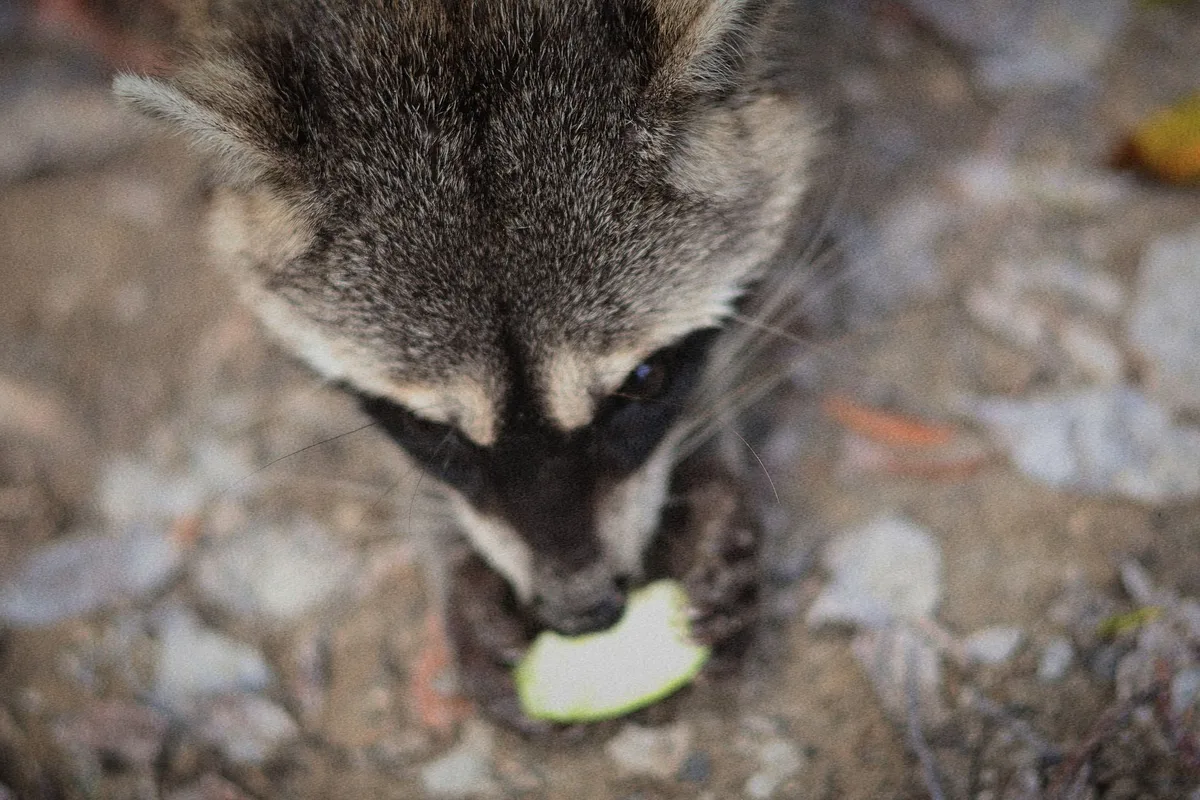
Curious if your backyard citrus is on the menu for masked bandits? It's a common question for gardeners and homeowners who share their space with wildlife. Raccoons are known for their curious nature and their wide-ranging diet, which makes people wonder about specific foods like oranges.
Our research indicates that while raccoons are omnivores and will try many things, oranges aren't a primary food source for them. However, under certain conditions, they will definitely consume them. For instance, aggregated wildlife reports suggest raccoons typically consume around 400 pounds of food annually, with their diet shifting seasonally.
Quick Answer: It's Complicated, But Yes, Sometimes.
Raccoons can and sometimes do eat oranges. They're opportunistic omnivores attracted to the sweetness. However, oranges are not a staple food and are usually consumed when other food is scarce or during dry periods for moisture.
Raccoons: The Opportunistic Eater Explained
Raccoons (Procyon lotor) are highly adaptable mammals, often found in diverse environments from forests to urban neighborhoods. Their classification as omnivores means their diet is incredibly varied, reflecting what's available in their surroundings. This adaptability is key to their survival, allowing them to exploit numerous food niches.
What's Really on a Raccoon's Menu?
A raccoon's natural diet is rich and varied, focusing on what's seasonal and easily accessible. This includes a wide array of invertebrates like insects, earthworms, and crayfish, as well as small vertebrates such as frogs, mice, and bird eggs. They also readily consume nuts, seeds, berries, fruits, and even human garbage.
A significant portion of their diet, around 33%, often consists of insects, with plant matter making up another substantial part.
Why Oranges Might Catch Their Eye
Oranges possess a distinct sweetness and are generally juicy when ripe. Raccoons, like many animals, are drawn to sugary foods. This natural attraction means that if an orange is readily available and ripe, it can be quite appealing to a raccoon, particularly if other preferred food items are less abundant.
The high moisture content of oranges can also make them attractive during dry spells when other water sources are limited.
When the Orange Becomes a Target
Whether a raccoon actively seeks out an orange often comes down to a few key factors rooted in their survival instincts. It's less about a culinary preference and more about opportunity and necessity.
The Influence of Availability and Scarcity
If oranges are easily accessible, perhaps fallen from a tree or left in a bowl outdoors, raccoons will investigate. Their foraging behavior is largely driven by what they encounter. In areas where natural food sources are depleted, perhaps due to seasonal changes or environmental pressures, raccoons are more likely to explore less traditional food options.
This includes fruits like oranges they might find in human-managed landscapes.
Do Hungry or Thirsty Raccoons Try Oranges?
Yes, hunger and thirst can significantly increase the likelihood of a raccoon trying an orange. In times of drought, the moisture content in fruits can be a crucial resource. Similarly, during periods when their usual prey or plant-based food sources are scarce, the readily available sweetness and moisture of an orange can make it a tempting and necessary fallback option.
Factors Affecting Raccoon Orange Consumption
A raccoon's decision to eat an orange isn't just about whether an orange is present; several attributes of the orange itself and its environment play a role.
Ripe vs. Unripe: Does It Matter?
Ripeness is a major factor. Ripe oranges are sweeter and softer, making them more palatable and easier to consume for raccoons. Unripe oranges are often more tart, harder, and less appealing.
Raccoons, with their keen sense of smell, can detect the sugars and fermentation that indicate ripeness, making ripe fruit a more attractive target.
Sweetness: A Big Draw for Raccoons?
Absolutely. Sweetness is a powerful attractant for many animals, including raccoons. The sugars in ripe fruit provide a quick source of energy.
While their diet is diverse, they do have a preference for sweet items, which explains why they might investigate ripe fruit. This doesn't mean they'll pass up other food, but sweetness certainly puts an orange on their radar if it's available.
Urban Raccoons vs. Their Wild Cousins
The environment a raccoon lives in significantly shapes its eating habits and its likelihood of encountering specific foods like oranges. Urban and suburban raccoons often have a different lifestyle and food availability than those in purely wild settings.
The Suburban Snack Strategy
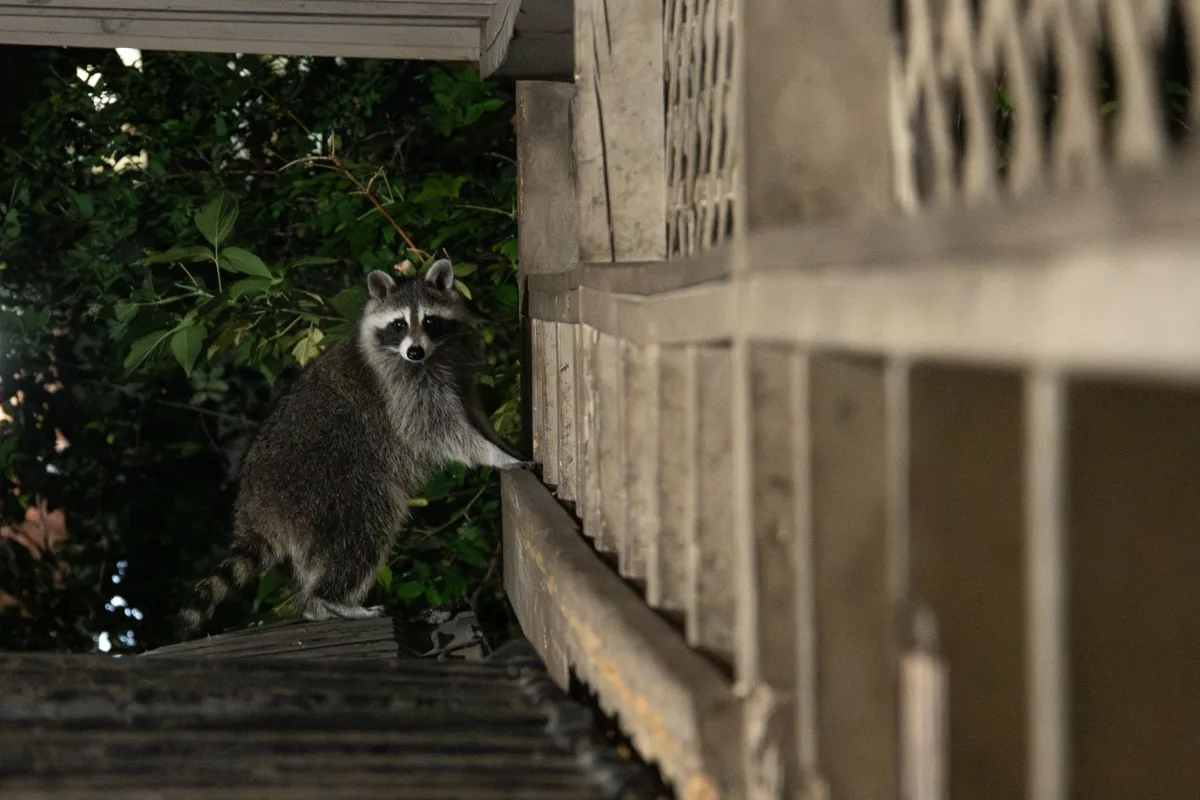
Raccoons making their homes in suburban and urban areas often become accustomed to human food sources. They learn to raid trash cans, pet food bowls, and compost bins. Because of this proximity to human food, they are more likely to encounter and sample fruits like oranges that might be left out or accessible in gardens.
Their bold nature and reduced fear of humans in these areas lend themselves to opportunistic feeding. Learning about special consideration while building own grow room can also play a role in how people manage their yards, indirectly affecting wildlife access.
Natural Diets in Wild Habitats
In contrast, raccoons living in more natural, less populated areas rely heavily on their environment for sustenance. Their diet is primarily dictated by seasonal availability of insects, small animals, nuts, and wild berries. While wild oranges might be consumed if present, they are not typically a core component of their diet in a truly wild setting.
Their foraging efforts are directed towards more reliably available native food sources. Understanding hoes to get rid of garden weeds can be part of managing your garden to avoid attracting unwanted wildlife.
Potential Downsides for Raccoons (and You)
While raccoons can eat oranges, it's not always the best scenario for them or for your garden. Understanding these potential issues helps paint a clearer picture beyond just whether they'll take a bite.
Not a Natural Staple: What This Means
Oranges aren't a core part of a raccoon's natural diet. Their digestive systems are adapted for a wider variety of foods, including insects, fruits, vegetables, and small animals. Feeding too heavily on something like oranges could lead to digestive upset or nutrient imbalances.
For example, while they might eat them, their nutritional profile isn't comparable to their natural protein sources like invertebrates or small rodents.
When Too Much of a Good Thing Isn't Good
Consuming large quantities of acidic fruits like oranges could potentially cause stomach problems for raccoons. This is especially true for young or already compromised animals. For your garden, frequent raccoon visits mean potential damage to plants and fruits you intended to harvest.
Managing wildlife encounters is often a balancing act between coexisting and protecting your property.
Should You Worry About Your Oranges?
Your decision on whether to worry about your oranges depends on your specific location and how you manage your property. Seeing a raccoon doesn't automatically mean your fruit is doomed.
Signs of Raccoon Interest in Your Citrus
Look for chewed fruit on the ground or still on the branches. You might also see disturbed soil around the base of the tree, or distinctive paw prints in soft earth. Raccoons often leave behind discarded rinds or partially eaten fruit.
For those interested in garden maintenance, understanding what kind of fertilizer for grass to use can help maintain a healthy lawn, which might indirectly affect wildlife attraction.
Simple Ways to Discourage Raccoon Visits
Deterrence is often about removing attractive elements. Secure your trash cans with tight-fitting lids and avoid leaving pet food outdoors, especially overnight. Harvesting fallen fruit promptly removes an easy food source.
You might also consider fencing, though raccoons are adept climbers, so a solid barrier is essential. Proper yard waste management, such as regular use of a leaf blower, can also reduce hiding spots and attractants.
Next Steps: Managing Wildlife Encounters
Dealing with wildlife, including raccoons, is a common part of living in many areas. The goal is usually coexistence through understanding and proactive management.
Understanding Raccoon Behavior Patterns
Raccoons are primarily nocturnal, meaning they are most active from dusk till dawn. They are also highly intelligent and adaptable, quickly learning routines and identifying reliable food sources. Observing their behavior patterns can help you anticipate their actions and implement more effective deterrents.
For those interested in larger-scale garden management, topics like when to fertilize lawn are important.
Implementing Humane Deterrents
Humane deterrents focus on making your property less appealing rather than harming the animals. This can include motion-activated sprinklers, bright lights, or secure fencing. Avoid direct confrontation.
If you find a raccoon in your yard and it doesn't seem injured or aggressive, it will likely move on. If you're dealing with persistent issues, consulting local wildlife experts or animal control can provide tailored advice for your situation.
Neighborly Considerations
When managing urban wildlife, it's worth discussing strategies with neighbors. What one household does can affect the entire neighborhood's raccoon population. Consistent efforts across multiple properties are far more effective.
This shared responsibility ensures a more harmonious environment for both humans and wildlife.