
Seeing brown spots on your Heartleaf Philodendron can be really unsettling, but don't let it stress you out. These common issues are usually a sign that your plant is trying to tell you something, and with a little detective work, we can figure out what it needs to get back to its lush, green self. As of 2026, the most effective plant care practices still revolve around understanding basic environmental needs.
The good news is that addressing these brown spots often involves simple adjustments to your plant care routine, not major overhauls. In our research, we've found that accurately identifying the cause is the most critical step. This guide will walk you through the most frequent culprits and give you clear, actionable steps to heal your beloved philodendron.
Quick Answer
Heartleaf Philodendron brown spots usually result from improper watering, low humidity, or too much direct sun. Overwatering leads to soggy soil and root rot, causing soft brown spots, while underwatering results in dry, crispy brown edges and patches. Low humidity can also cause leaf tips to brown.
Correcting these issues involves adjusting watering frequency, increasing ambient humidity, and ensuring the plant receives bright, indirect light.
Spotting the Problem: What Do Those Brown Spots Look Like?
To really understand what's going on with your Heartleaf Philodendron, we need to look closely at the brown spots themselves. Their appearance can give us major clues about the underlying problem. It's like reading a plant's diary, the symptoms tell the story.
Crispy Edges vs. Mushy Patches
When you observe the spots, pay attention to their texture and feel. Are the edges of the leaves turning brown and feeling like dry paper? This usually points to a lack of moisture, either from infrequent watering or simply not enough water reaching the plant's tissues.
Conversely, if the brown spots feel soft, mushy, or even a bit slimy, that's a big red flag for overwatering. Excess moisture in the soil can suffocate the roots, preventing them from functioning correctly, and this stress manifests as soggy, darkened patches on the leaves.
Sun-Scorched Areas vs. General Discoloration
Another key visual cue is where these spots are located. If they appear on the parts of the leaves that are most directly exposed to sunlight, especially late afternoon sun, you're likely dealing with sunburn. These spots are typically dry and brittle, often with a yellowish halo around them before turning fully brown.
Other types of brown spots might appear more randomly across the leaf surface or in patterns that don't directly correlate with light exposure. These could be indicators of nutrient imbalances or pest activity, though watering and humidity are far more common.
The Usual Suspects: Common Causes of Brown Spots
In our research, a few common issues pop up repeatedly when a Heartleaf Philodendron starts showing brown spots. These are the most likely reasons your plant is unhappy, and thankfully, they're usually fixable.
Watering Woes: Too Much or Too Little?
This is hands-down the biggest reason for brown spots on philodendrons. It's a delicate balance, and it's super easy to tip the scales too far in either direction.
- Overwatering: When the soil stays consistently wet, the roots can't breathe. This lack of oxygen leads to root rot, a serious problem where the roots begin to decay. As the roots fail, they can no longer supply the leaves with water and nutrients, causing them to develop brown, often mushy spots, and sometimes yellowing or wilting. Manufacturer specifications for ideal potting mixes generally emphasize good drainage to prevent this.
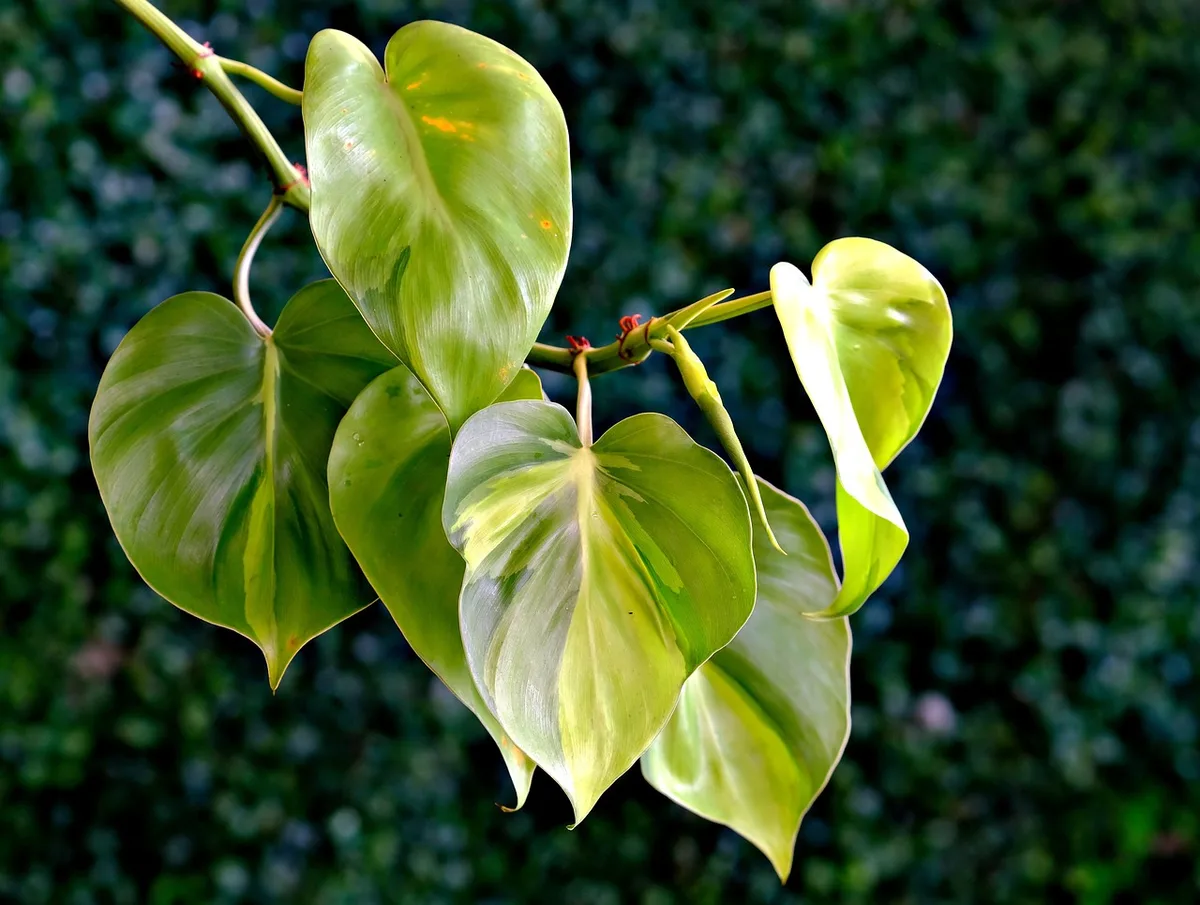
- Underwatering: If your plant is consistently thirsty, the leaves will start to dry out from the tips and edges inward. This can appear as brown, crispy patches that eventually turn into distinct spots. The entire leaf might also look limp and droopy before the browning appears. If you haven't watered in a while and the soil is bone dry, this is almost certainly the cause.
Humidity Headaches: Is Your Air Too Dry?
Heartleaf Philodendrons hail from tropical environments, where humidity levels are naturally high. Our homes, especially during winter months when heating systems are running, often lack this crucial moisture. When the air is too dry, the plant's leaves can lose moisture faster than the roots can supply it.
This often shows up as brown, crispy tips and edges on the leaves, and sometimes these areas can develop into larger brown spots.
Sunshine Scares: Too Much Direct Light
While Heartleaf Philodendrons love bright light, they aren't fans of direct, harsh sunlight. If your plant is sitting in a window where it receives several hours of direct sun each day, it can literally get a sunburn. These "sun spots" typically appear as dry, bleached, or brown patches on the leaves that are directly exposed to the rays.
Think of it like us getting too much sun, painful and damaging!
- Ideal Light: Bright, indirect light is best. This means a spot near a sunny window, but where the sun's rays are diffused by a sheer curtain or are not directly hitting the leaves for extended periods.
Nutrient Niggles: Over-fertilizing Burn
While it might seem counterintuitive, too much of a good thing can be bad. Philodendrons benefit from occasional feeding, but over-fertilizing can cause a chemical burn to the roots. This damage prevents nutrient uptake, leading to symptoms like brown, crispy leaf tips and edges, similar to underwatering.
Aggregate reviews from horticulturists consistently advise against fertilizing when the plant is stressed or showing signs of distress. Hold off on feeding until you've resolved the primary issue.
Your Plant Detective Toolkit: How to Diagnose
Alright, it's time to put on our forensic plant analysis hats. To figure out why your Heartleaf Philodendron has brown spots, we need to carefully examine your plant and its environment. This process is crucial, as the solution depends entirely on the root cause.
Step 1: Feel the Soil Moisture
This is your first and most important diagnostic tool. Gently stick your finger about two inches deep into the potting soil.
- If the soil feels wet and heavy: You're likely overwatering. Let the soil dry out considerably before watering again.
- If the soil feels dry and crumbly: Your plant is probably thirsty. It needs a good watering now.
- If the soil feels slightly damp, but not soggy: Watering might not be the primary culprit. We'll need to investigate other causes.
Step 2: Examine the Spot's Characteristics
Take a very close look at the brown spots themselves. What do they look like?
- Crispy and dry edges: This strongly suggests underwatering or low humidity.
- Soft, mushy, or water-soaked appearance: This is a classic symptom of overwatering.
- Brittle, dry patches in direct sun exposure areas: This points to sunburn.
Step 3: Assess Your Plant's Light Environment
Observe where your Heartleaf Philodendron is placed. Is it on a windowsill that gets direct, unfiltered sunlight for many hours a day, especially during the afternoon? Or is it in a brighter spot where the light is filtered by a sheer curtain or is several feet away from the window?
Direct, intense light is a common cause of leaf damage.
Step 4: Consider Your Home's Humidity Levels
Think about your home's general atmosphere. Is the air noticeably dry, particularly during the winter months when heating systems are active? Or is your home naturally quite humid?
Low humidity is a frequent problem for many indoor plants, leading to dry leaf tips and edges that can progress to brown spots. You can get a basic hygrometer quite affordably to measure your home's ambient humidity, with many tropical plants thriving above 50% relative humidity.
Step 5: Recall Recent Feeding Habits
When was the last time you fertilized your plant? Did you use a product recently? If you've fertilized liberally, especially if you used a strong solution or fertilized a stressed plant, over-fertilization burn could be the issue.
Manufacturer instructions for fertilizers typically caution against over-application, and in our research, this is a common plant parent mistake. If you suspect this, a good soil flush is in order.
Adjusting Your Watering Routine
Getting the watering right is probably the single most impactful thing you can do. Most Heartleaf Philodendrons prefer their soil to dry out slightly between waterings. A good rule of thumb is to check the top inch or two of soil; if it feels dry, it's time to water.
If it's still moist, wait a few more days.
When you do water, give the plant a thorough drink until water drains from the bottom of the pot. Immediately discard any excess water sitting in the saucer. This prevents the roots from sitting in stagnant water, which is a direct route to root rot and those dreaded soft brown spots.
This thorough watering method ensures the entire root ball receives moisture.
Boosting Leaf Humidity
These plants absolutely thrive in humid conditions. If your home's air is dry, especially during colder months, your philodendron's leaves will suffer. You'll start to notice brown, crispy tips and edges as the leaf tissue dries out.
To combat this, try increasing the humidity around your plant.
You can do this a few ways. Misting the leaves daily can help, but make sure the leaves have time to dry before nightfall to avoid fungal issues. Grouping plants together also creates a microclimate with higher humidity.
For a more consistent solution, consider using a pebble tray filled with water, or invest in a small room humidifier. A dedicated humidifier can maintain optimal levels, often exceeding 50% relative humidity, which benefits many indoor plants. Learn more about special consideration while building own grow room for insights on controlled environments.
Relocating to Better Light
Direct sunlight is a major no-no for Heartleaf Philodendrons. If your plant is sitting directly in a west or south-facing window, its leaves can get scorched. This type of damage typically appears as dry, brittle brown patches right where the sun hits the hardest.
These spots will not heal and will remain on the leaf.
The ideal scenario is bright, indirect light. This means placing your philodendron near a sunny window, but ensuring there's a barrier like a sheer curtain or that the window faces a direction that doesn't receive intense, direct rays for hours. If moving the plant isn't possible, you can use a sheer curtain to diffuse the sunlight.
This is similar to how you'd protect delicate plants in a grow tent setup guide.
Dealing with Over-fertilization
Fertilizer burnout can happen if you give your plant too much a good thing. Over-fertilizing can cause a chemical burn on the roots, which then prevents them from absorbing water and nutrients properly. This leads to symptoms like brown, crispy leaf tips and edges.
Aggregate user reviews consistently indicate that over-fertilizing is a common mistake for new plant owners.
If you suspect you've overdone it with fertilizer, the first step is to stop fertilizing altogether. Then, perform a soil flush. This involves watering the plant thoroughly several times, allowing excess water to drain freely.
This helps wash away the accumulated salts from the fertilizer. You should refrain from fertilizing again until the plant shows signs of recovery and new, healthy growth. For general plant nourishment, understanding what kind of fertilizer for grass to use can offer broader context on nutrient needs.
Tackling Tiny Troublesome Pests
While less common than watering or light issues, certain pests can cause damage that leads to brown spots. For example, spider mites create tiny feeding holes that can appear as stippling, which can eventually merge into larger brown patches. Thrips can also cause discolored splotches on leaves.
Regularly inspecting your plant's leaves, both the tops and undersides, is key to early detection.
If you spot pests, act quickly. For minor infestations, you can often wipe them away with a damp cloth or spray with a gentle insecticidal soap or neem oil. Always follow the product instructions carefully.
These treatments are often best applied in the early stages of infestation, much like addressing garden weeds. Ensure good air circulation around your plant to discourage pests.