
When you’re wondering how deep do okra roots grow, you're tapping into a key aspect of what makes this plant such a reliable producer, especially when the weather heats up. A strong root system isn't just about holding the plant upright; it's crucial for accessing water and nutrients that lead to those delicious pods.
These plants develop a robust underground network to support their leafy growth and continuous flowering. As of 2026, agricultural studies confirm that okra's unique root structure allows it to thrive in conditions where other vegetables might falter. Understanding this system is your first step to a bountiful harvest.
Quick Answer
Okra roots typically grow 2 to 4 feet deep. This extensive taproot system allows the plant to tap into deep soil moisture. It also helps with plant stability and resilience in dry or windy conditions.
A healthy root structure is key for consistent pod production.
How Deep Do Okra Roots Actually Go?
The depth okra roots can reach is pretty impressive, and it’s a major reason the plant is so resilient. While many common garden veggies keep their roots closer to the surface, okra sends a primary root, called a taproot, straight down. This main root can easily push down 2 to 4 feet into the soil.
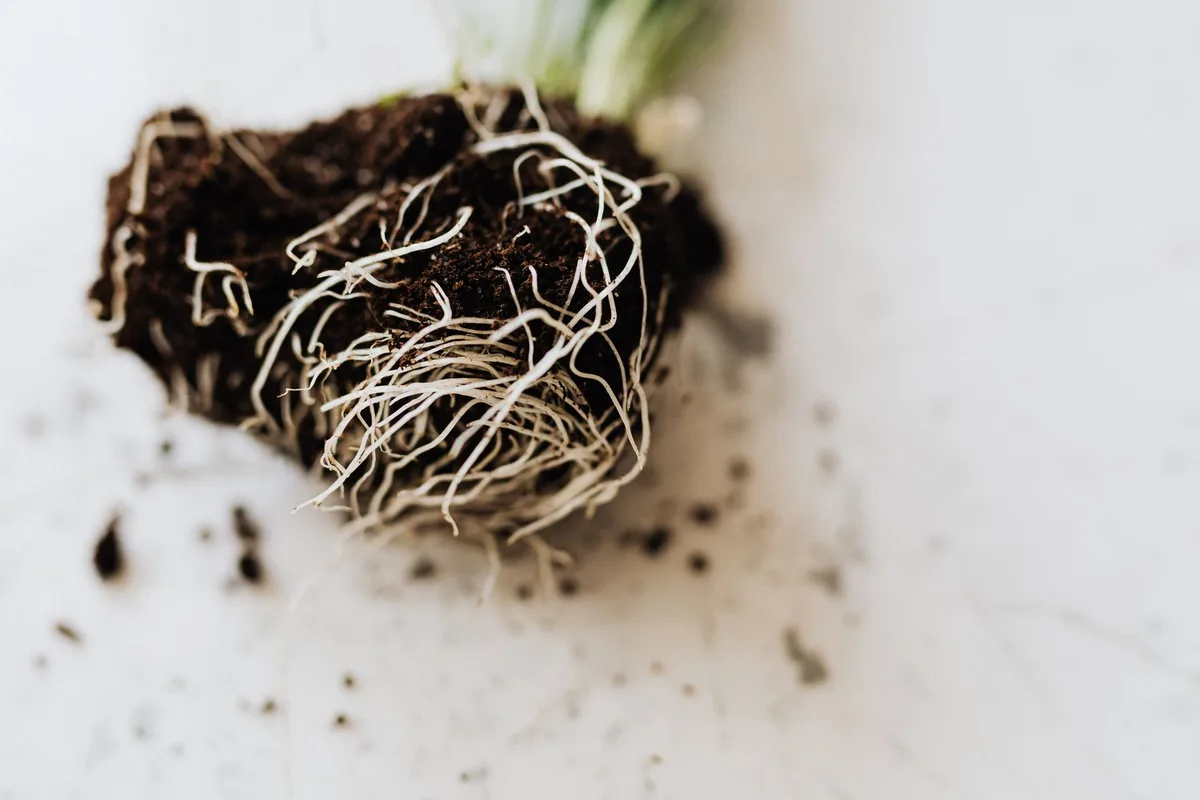
Beneath that main taproot, you'll find a network of thinner, branching roots, called lateral roots. These spread out wider, helping the plant grab moisture and nutrients from a larger area. Together, the taproot and lateral roots form a sturdy anchor and an efficient feeding system.
The Taproot: Okra's Anchor and Water Seeker
That central taproot is the workhorse of the okra plant's underground structure. Its primary job is to anchor the tall, often bushy, plant firmly in the soil, preventing it from toppling over in wind or heavy rain. But its function goes far beyond mere stability.
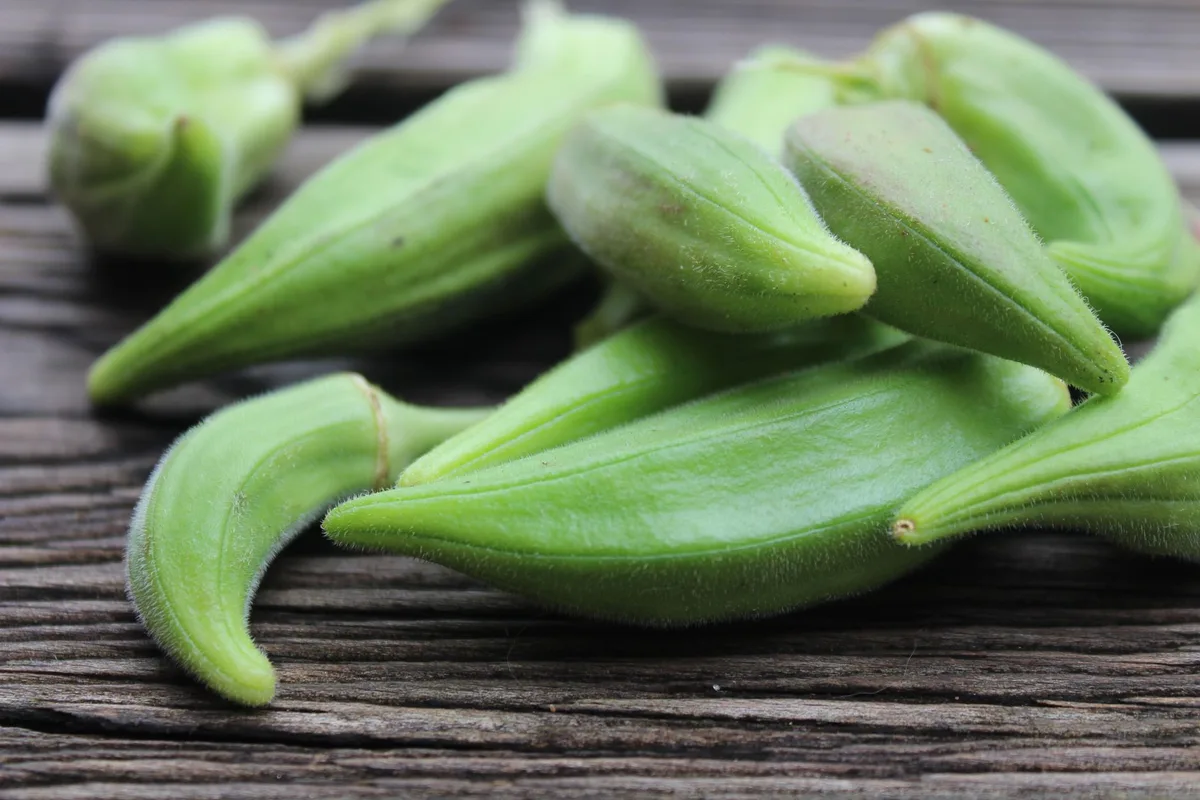
This deep-growing root acts like a straw, reaching down into the soil to find water reserves that surface roots can’t access. This is especially critical during hot summer months when the topsoil can dry out completely. For gardeners in warm climates, this inherent drought tolerance is a huge advantage.
It means your okra can keep producing pods even when rainfall is scarce, provided the taproot can reach moisture deeper down.
Seeing Okra's Root Structure in Action
While we can't usually see what's happening beneath the soil, picturing it helps a lot. Imagine a long, thick carrot growing straight down, that’s a simplified idea of an okra taproot. Now, add smaller roots branching off its sides as it gets deeper.
This visual helps you understand why okra plants get so tall and leafy. They have a solid foundation and an efficient system for drawing up the resources they need to support all that above-ground growth and consistent pod production. It’s a design built for resilience and abundance.
Why Such Deep Roots? Benefits for Your Plant
The deep root system of okra isn't accidental; it's an evolutionary advantage that translates into several key benefits for the plant and, ultimately, for your harvest. These advantages are particularly noticeable in challenging growing conditions.
Drought Survival Superpower
This is perhaps the most significant benefit. Okra is known for its heat and drought tolerance. That deep taproot can access water reserves far below the surface, meaning the plant stays hydrated even when the top few inches of soil are bone dry.
This reduces the need for frequent watering once the plant is established, making it a great choice for drier climates or for gardeners who might not always be able to water daily. This ability to tap into subsoil moisture is a critical factor in its continued podding through hot spells.
Rock-Solid Stability
A plant that grows tall and often wide needs to stay upright. The deep taproot, along with the radiating lateral roots, creates a very stable foundation. This means okra plants are less likely to be damaged or uprooted by strong winds, which can be a common problem for taller garden crops.
This stability ensures the plant can focus its energy on growing pods rather than fighting to stay in place.
When Soil Fights Back: Root Depth Problems
While a deep root system is a big advantage, it does come with certain soil requirements. If the soil isn't right, those roots can struggle to develop properly, leading to problems for the entire plant.
The Challenge of Compacted Soil
Okra roots need loose, well-drained soil to grow deep. If the soil is heavily compacted, especially from heavy machinery or poor soil structure, that taproot can hit a wall. This hard layer prevents the root from growing downwards, forcing it to spread out shallowly or stop growing altogether.
When the taproot can't penetrate deeply, the plant loses its ability to access deep moisture. This makes it much more susceptible to drought stress, even if there's a good amount of water available a few feet down. Compacted soil also reduces aeration, which is essential for healthy root function.
If you’re planting in clay soil that tends to harden, it's worth considering how to amend it to give those roots the best chance. Understanding soil condition is crucial for many garden tasks, from preparing beds to dealing with drainage issues, for more on soil preparation, you can check out advice on preparing the ground for deep growth.
Expert Tips for Happy Okra Roots
Giving your okra the best chance starts with understanding its root needs. Focusing on soil health and providing adequate space can make a huge difference in how well your plants establish and produce.
Preparing the Ground for Deep Growth
Before you even plant your okra seeds or seedlings, it’s essential to prepare the soil. Okra prefers well-drained, loamy soil. If you have heavy clay or compacted soil, you’ll need to amend it to loosen it up.
This is where incorporating organic matter, like compost, really pays off.
Adding compost improves soil structure, drainage, and aeration, creating an environment where the taproot can easily grow downwards. Aim to loosen the soil to a depth of at least 8-12 inches before planting. This initial preparation gives your okra’s root system a good head start.
For heavy clay, consider adding gypsum, which can help improve soil structure and prevent compaction over time. If you’re dealing with a lot of weeds, using hoes effectively can also help keep the planting area clear without disturbing the soil too much.
Benefits & Drawbacks: Understanding the Trade-offs
The deep root system of okra presents clear advantages, but it's good to consider the flip side too. Knowing these helps you make informed decisions about where and how you're planting.
Pros: The primary benefits are enhanced drought tolerance, improved plant stability, and access to deeper soil nutrients. This means potentially higher yields, especially in challenging weather, and a more resilient plant overall. It requires less frequent watering once established.
Cons: The main drawback ties back to soil. If your soil is rocky, very shallow, or extremely compacted even after amendment, the taproot can be restricted. This limits the plant's ability to reach its full potential for water and nutrient uptake. You might also find it harder to dig up old plants at the end of the season.
Use Cases: Where Does Okra's Root Depth Shine?
Okra's deep root system makes it an excellent choice for specific gardening and agricultural situations. Understanding these use cases helps you decide if okra is the right plant for your needs and your environment.
Hot & Dry Climates: This is where okra truly excels. Regions prone to summer heatwaves and long dry spells benefit immensely from okra’s drought tolerance. The deep roots ensure continued productivity when other crops might fail.
Low-Maintenance Gardens: For gardeners seeking a relatively hands-off approach once plants are established, okra is a good candidate. Its ability to find its own water reduces watering chores. However, initial soil preparation is still important.
Perimeter Planting: Due to its stability, okra can be planted along garden edges or as a windbreak row, though its root depth means it shouldn’t be planted too close to structures or water lines where root intrusion could become an issue. For other gardening layout choices, consider resources on special consideration while building own grow room.
Mistakes to Avoid: Root Development Pitfalls
When planting okra, a few common mistakes can hinder root development, leading to a less productive plant. Being aware of these can save you a lot of frustration.
Shallow Soil Preparation: Not loosening the soil enough before planting is a major error. If the taproot hits a hard layer early on, its downward growth is severely limited. This negates the plant’s inherent drought resistance.
Over-Compacting Soil: Walking on or working wet soil can break down its structure, leading to compaction. This is especially detrimental to okra, which needs loose soil to penetrate. Using a drop spreader vs broadcast spreader for amendments can help distribute materials evenly, reducing soil disturbance.
Over-Watering Early On: While okra needs water, consistently waterlogged soil can prevent roots from growing deep. Roots need oxygen, and waterlogged soil suffocates them. Roots will grow towards moisture, so excessively wet surface soil might discourage deeper exploration.
Expert Tips for Long-Term Root Health
Maintaining healthy okra roots throughout the growing season is key to consistent pod production. Beyond initial planting, there are ongoing considerations.
Consistent, Moderate Watering: Once established, okra appreciates consistent moisture, but not waterlogged conditions. Water deeply when the top inch or two of soil feels dry, rather than frequent shallow sprinklings. This encourages roots to seek moisture deeper down. This principle also applies to fertilizing, as seen in guides on what kind of fertilizer for grass to use.
Mulching: Applying a layer of organic mulch around the base of your okra plants helps retain soil moisture, suppress weeds, and regulate soil temperature. This indirectly supports root health by creating a more stable soil environment.
Avoid Root Disturbance: Once okra plants are established, try to minimize disturbing the soil around their base. Deep cultivation can damage the developing root system. Gentle weeding near the plant is advisable, much like how one might approach other garden plants if you are talking about hoes to get rid of garden weeds.
Frequently Asked Questions
How deep do okra roots grow in containers?
Okra roots will grow as deep as the container allows, but they are less likely to reach the natural 2-4 feet depth seen in the ground. For best results in containers, use pots that are at least 12-15 inches deep and wide to give the taproot adequate space.
Can okra roots survive a light frost?
Okra is a warm-season crop and is sensitive to cold. Its roots will not survive a hard frost. If a light frost is expected, you might temporarily protect plants, but they are generally finished for the season once temperatures consistently drop.
Do okra roots spread wide or go deep?
Okra roots primarily go deep, developing a strong taproot. They also have lateral roots that spread, but the defining characteristic is the significant downward growth of the taproot system.
Will okra roots damage nearby structures?
While okra roots are strong, they are generally not considered aggressive enough to damage standard building foundations or underground pipes like some trees or invasive shrubs. However, planting very close to very delicate underground systems could still pose a minor risk if they encounter blockages.