
The vibrant show of daffodils in spring is a gardener's delight, but what you do in the weeks that follow can significantly impact their health and bloom for years to come. Understanding how to manage daffodils after flowering ensures these cheerful bulbs can replenish their energy and return with vigor next season. Proper post-bloom care prevents common issues and promotes the long-term success of your daffodil display.
Properly tending to your daffodils once their flowers fade is more than just a tidy-up task; it's crucial for bulb rejuvenation. Research from horticulturalists consistently shows that the foliage plays a vital role in creating food for the bulb through photosynthesis, which fuels next year's blooms. Neglecting this phase can lead to weaker flowers or even bulb failure.
Quick Answer
How To Manage Daffodils After Flowering involves letting their leaves yellow and die back naturally for at least six weeks. Avoid cutting the foliage until it is completely brown and brittle. Deadhead spent flowers, but do not let them form seed.
Water if the soil is unusually dry during this period. Consider dividing overgrown clumps in late spring or early summer. Proper care ensures bulbs store enough energy for next year's blooms.
Why Daffodils Need Post-Flowering Care
The moment the last daffodil petal drops, a critical phase begins for the bulb. This period is when the plant shifts from flowering to replenishing its energy reserves for the following year. The leaves, which may seem spent, are still busy performing photosynthesis, turning sunlight into stored food for the bulb underground.
Image source: Wikimedia Commons / Acabashi (CC BY-SA)
If you cut the leaves too early or neglect them entirely, the bulb won't get enough nutrients. This can result in smaller flowers or fewer blooms in subsequent springs. It's a straightforward process, driven by plant biology, that ensures longevity and reblooming success.
When Can You Cut Daffodil Leaves?
The golden rule for daffodil foliage is to let it die back naturally. This means waiting until the leaves turn entirely yellow or brown and become dry and brittle to the touch. Many gardeners are tempted to cut the greenery back as soon as the flowers fade, perhaps for aesthetic reasons or to clear space.
However, doing so starves the bulb of essential nutrients.
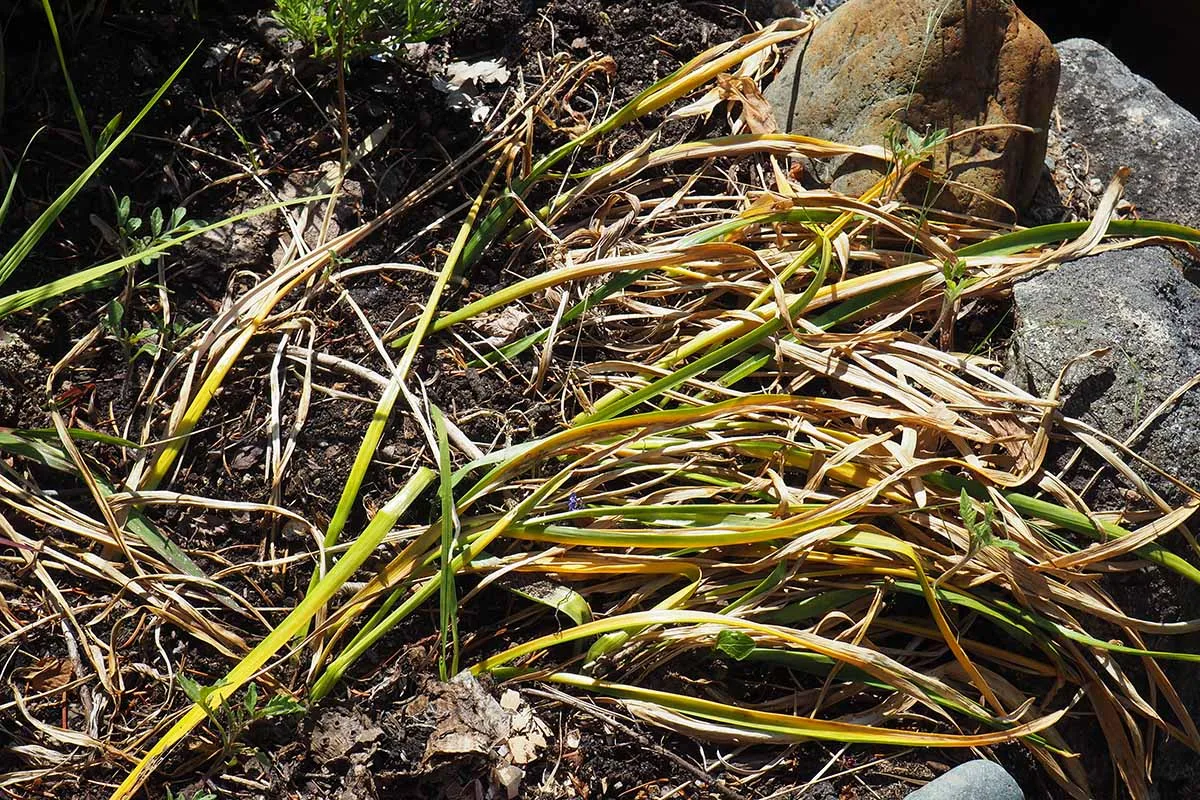
Image source: Bing (Web (fair-use with source credit))
The leaves are essentially solar panels for the bulb, converting sunlight into sugars. This process can take about six to eight weeks after the last flower has faded, depending on your local climate and weather conditions. Once a leaf can be pulled from the bulb with very little resistance, it's usually ready to be removed.
The "When to Cut" Decision
The decision to cut daffodil foliage hinges on its readiness. If a leaf still has green, it's still working. If it’s fully yellow and wilts easily, the energy has transferred to the bulb.
This natural wilting is a clear signal that the plant's energy transition is complete.
Why Letting Leaves Die Back Matters
This extended period allows the bulb to gather maximum energy. This stored energy is crucial for pushing up new flower stalks and developing healthy foliage in the following season. It’s a simple, biological process that’s key to reblooming.
Should You Deadhead Daffodils?
Deadheading refers to removing spent flower heads after they've finished blooming. For daffodils, this task is generally recommended, though not as critical as letting the foliage die back. Removing the faded flowers prevents the plant from putting energy into producing seeds, which isn't a priority for perennial bloomers.
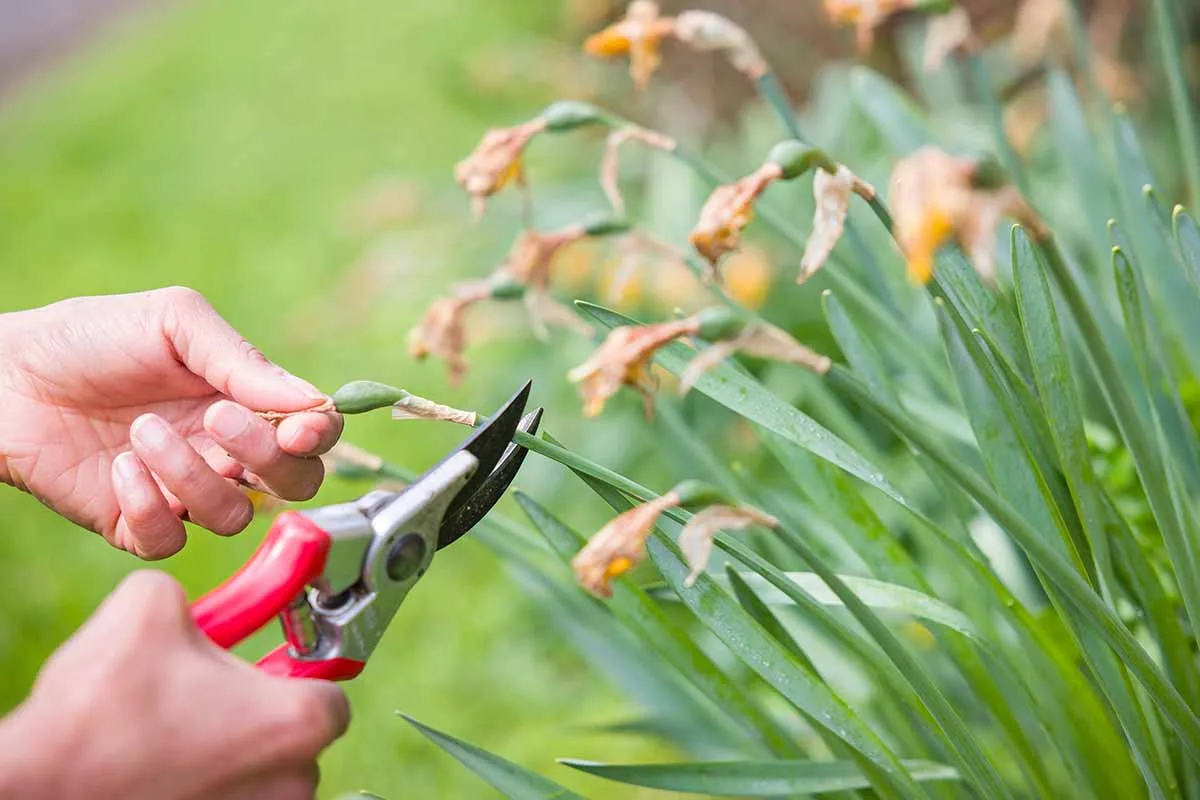
Image source: Bing (Web (fair-use with source credit))
When you deadhead, you're essentially redirecting the plant's resources back into the bulb itself. This can contribute to stronger growth and more numerous flowers in the future. The process is simple and can be done by gently twisting off the flower stalk just above the leaves.
The Pros of Deadheading
By deadheading, you save the bulb from expending energy on seed production. This energy can then be fully utilized for bulb development and future flowering. It keeps the plant focused on its primary role: producing more beautiful blooms.
The Cons of Deadheading (Seed Formation)
While deadheading is beneficial, letting daffodils go to seed can weaken the bulb over time. Seed production is a biological process that requires significant energy from the parent plant. Gardeners aiming for continuous, strong displays typically opt to deadhead.
Watering and Feeding Your Daffodils After Blooms Fade
After the flowers are gone and while the leaves are still green, your daffodils have specific needs. Watering is generally only necessary if you experience an unusually dry spell during this period. Most spring rains are sufficient to keep the soil moist enough for the foliage to continue its work.
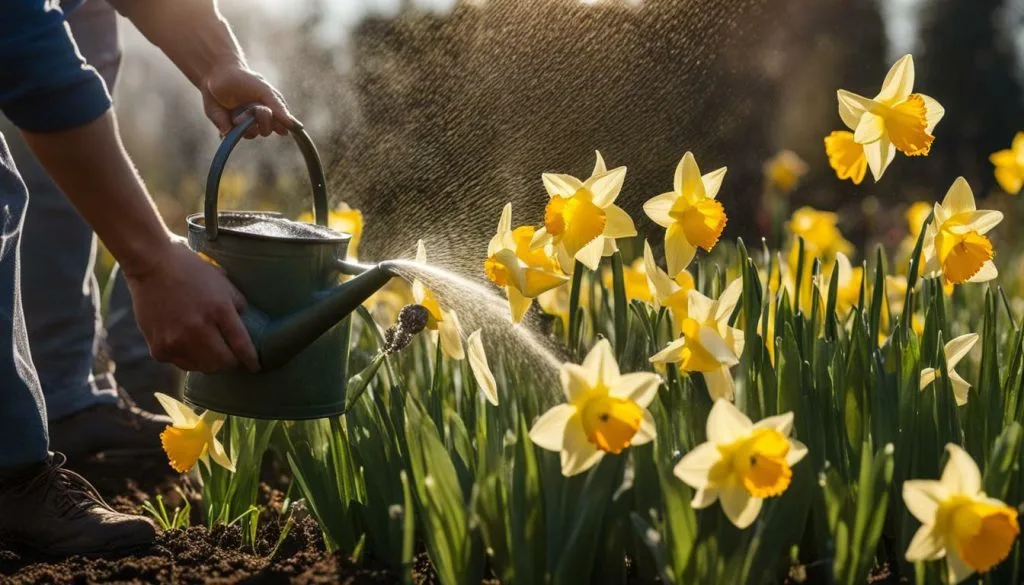
Image source: Bing (Web (fair-use with source credit))
Fertilizing is also a topic with varying opinions. If you have rich, well-draining soil, you might not need to add any extra food. For those whose soil is less fertile, a light feeding after blooming can be beneficial.
Using a balanced, slow-release fertilizer, one that you might use for general lawn care, can help replenish nutrients.
Watering Needs During Dormancy
Daffodils enter a period of dormancy after their foliage dies back, but while the leaves are still green, they do need moisture. If your spring weather is exceptionally dry, especially as the leaves begin to yellow, a good watering can help the bulbs successfully transition. Avoid overwatering, as soggy soil can lead to bulb rot.
Fertilizing: To Do or Not To Do?
Fertilizing after blooming is optional and depends on your soil quality. A light application of a balanced fertilizer, such as a 10-10-10, can support bulb development. If you're thinking about feeding your lawn in late spring, a portion of that can sometimes go to your daffodils too.
For an alternative to synthetic options, consider adding compost; learning what kind of fertilizer for grass to use can offer insights into general plant nutrition. Remember that when to fertilize lawn is typically timed for growth spurts, but post-bloom feeding for bulbs aims for storage.
Dealing with Overcrowded Daffodil Bulbs
Over time, daffodils naturally multiply, forming larger clumps. While more daffodils are usually welcome, overcrowding can become a problem. When bulbs are packed too tightly, they compete for nutrients, water, and sunlight.
This competition often leads to smaller flowers and may even encourage disease.
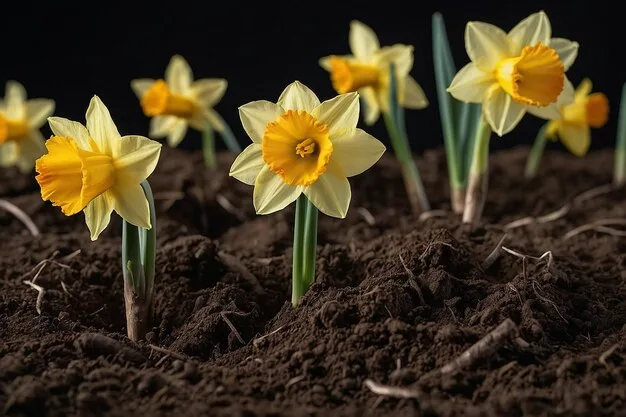
Image source: Bing (Web (fair-use with source credit))
You'll typically notice overcrowding when your daffodils produce fewer blooms than they used to, or when the bulbs are visibly pushing up very close to each other. The best time to address this is usually after the foliage has died back, but before new growth starts the following year. This is typically in late spring or early summer.
Signs Your Daffodils Are Overcrowded
Look for diminished flowering, smaller blooms, and bulbs that are visibly growing on top of each other. The leaves might also appear thinner and paler than usual due to competition. If the clumps are so dense you can barely see the soil, it's definitely time to divide.
When and How to Divide Bulbs
The ideal time to divide daffodil clumps is after the foliage has completely yellowed and died back, usually in late spring or early summer. This ensures the bulbs have stored their energy for the season and aren't actively growing. Gently dig up the entire clump, being careful not to damage the bulbs with your trowel.
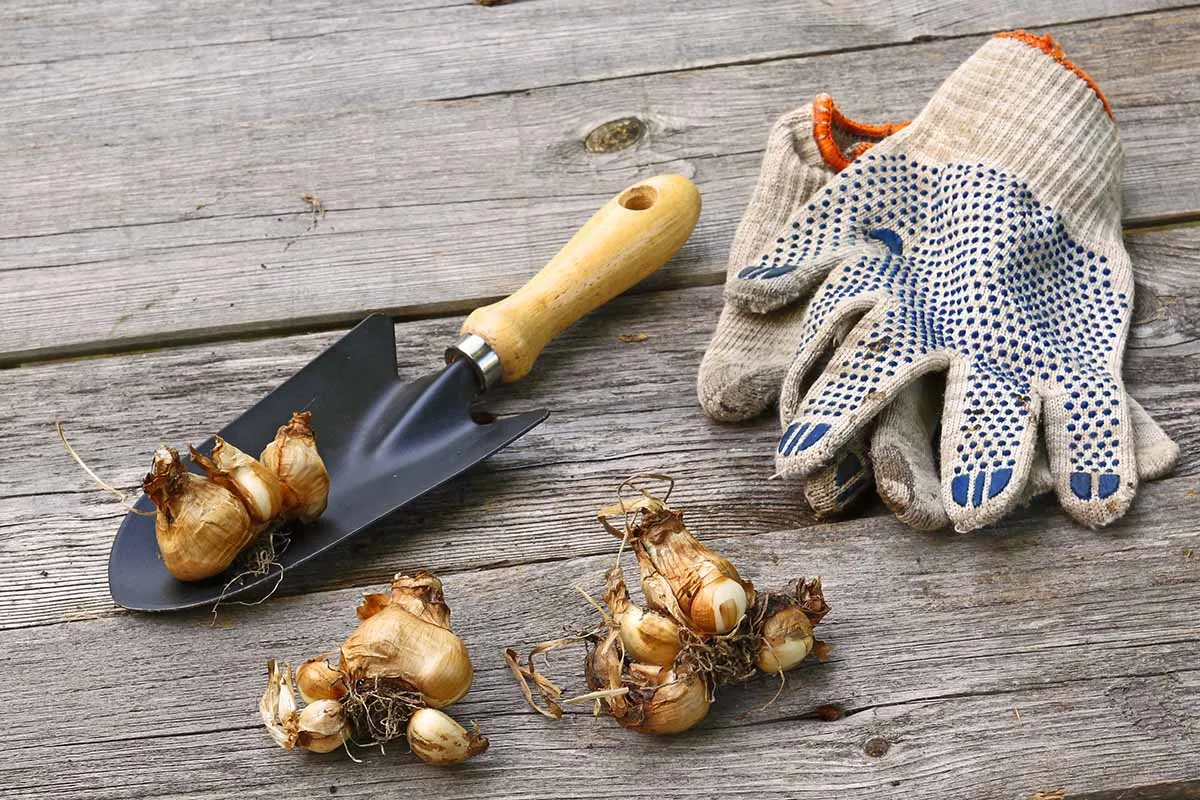
Image source: Bing (Web (fair-use with source credit))
Separate the bulbs gently by hand. You can replant them immediately in a new location or prepare them for storage if you won't be replanting right away. When replanting, ensure you place them at the correct depth, about three times the bulb's height, and spacing.
This process is a key part of garden maintenance that keeps your plants performing well.
Storing Daffodil Bulbs for Next Season
If you've divided your daffodils and don't plan to replant them immediately, or if you're moving them to a new garden bed, proper storage is crucial. Bulbs need to be kept in conditions that mimic natural dormancy to remain viable until planting time. This means a cool, dark, and dry place.
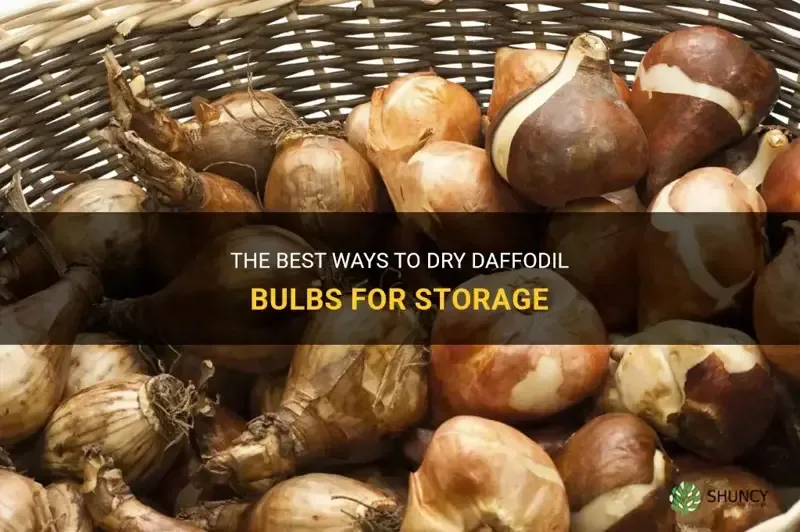
Image source: Bing (Web (fair-use with source credit))
It's important to ensure the bulbs are dry before storing them to prevent mold and rot. Lay them out in a single layer on trays or in shallow boxes. Avoid storing them in plastic bags, which trap moisture.
A mesh bag or a paper bag with ventilation holes works much better for air circulation.
Preparing Bulbs for Storage
After digging and separating your daffodil bulbs, the first step is to remove any excess soil. Gently brush off loose dirt, but don't wash them unless they are heavily soiled, and if you do, ensure they are thoroughly dried afterward. Inspect each bulb for any signs of disease or damage; discard any that look compromised.
Ideal Storage Conditions
The perfect storage environment for daffodil bulbs is cool (between 50, 65°F or 10, 18°C), dark, and well-ventilated. A basement, an unheated garage, or a spare closet can often provide suitable conditions. Avoid storing them near ripening fruit, as the ethylene gas they release can damage the bulbs.
Replanting Daffodil Bulbs
Once your bulbs have been out of the ground, whether for division or storage, replanting them at the right time is key to their success. The ideal period for planting daffodil bulbs is typically in the fall, usually from September through November, depending on your climate. This allows the roots to establish before the ground freezes.
When you replant, aim for a depth that is about three times the height of the bulb. Smaller bulbs might go 4, 6 inches deep, while larger ones can be planted 6, 8 inches down. Proper spacing is also important; give them enough room to grow and multiply without immediately becoming overcrowded.
For bulbs that were stored, ensure they feel firm and show no signs of rot or disease before planting.
Common Daffodil Post-Flowering Mistakes to Avoid
Many gardeners inadvertently harm their daffodils by making a few common post-flowering mistakes. The most frequent error is cutting the green foliage too soon. Because the leaves are vital for transferring energy back to the bulb, chopping them off prematurely directly weakens the bulb for next season.
Another mistake is allowing the faded flowers to go to seed. While that's nature's way, for bulbs that should perennialize, it diverts energy that could otherwise be stored. Also, failing to address overcrowding can lead to diminished blooms and increased susceptibility to diseases like basal rot.
Cutting Foliage Too Early
This is the number one mistake. If you've ever seen daffodils with fewer blooms in spring, this is often why. Those green leaves are still working hard, and you need to let them perform their duty.
Letting Flowers Produce Seed
If you’re trying to get daffodil seeds to grow new plants, that’s a separate endeavor. For reliable perennial blooms, it’s best to remove spent flowers. This redirection of energy is a subtle but significant element of daffodil management.
Ignoring Overcrowding
As bulbs multiply, they start to crowd each other. This density competes for resources, leading to weaker plants. It's a natural process, but one that requires intervention to maintain healthy, prolific blooms.