
Yes, but only if you choose the right type and verify its source. Soils labeled for containers with known ingredients and low soluble salts are your safest bet for culinary herbs. Avoid garden soil or anything with unexplained fillers like recycled construction waste.
When in doubt, test the soil yourself or buy a certified organic mix.
What Makes Soil Unsafe for Edible Herbs
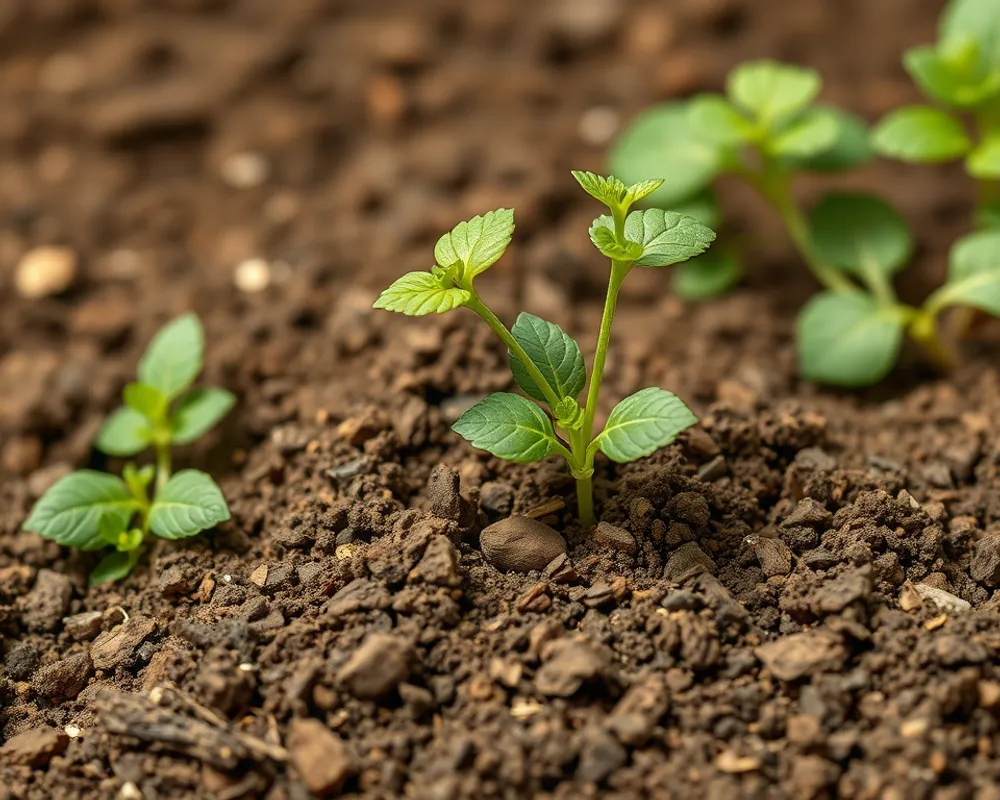
When we talk about unsafe soil, we are looking at three risk categories. Chemical contamination includes heavy metals such as lead, cadmium, and arsenic. These come from industrial pollution, old lead paint near urban gardens, or even some natural rock phosphate fertilizers used in organic mixes.
The EPA's Regional Screening Levels (RSLs) for lead in residential soil is 400 ppm. Many food safety experts recommend a stricter threshold of 200 ppm for vegetable gardens. Biological risks involve harmful bacteria like E. coli or Salmonella.
These are most common in raw manure or improperly composted municipal biosolids.
Leafy herbs like cilantro and parsley are moderate accumulators of heavy metals. They pull contaminants from the soil and store them in the leaves you harvest. Then there are cultivation risks like a soil that is too dense or loaded with synthetic slow-release fertilizer.
This can stress your herbs or cause toxic salt buildup.
The Hidden Risks in Bagged Potting Mixes
Bagged potting mixes are convenient, but they are not all created equal. Some are excellent, while others contain ingredients you would not want near your dinner plate. The problem is that labels do not always tell the full story.
Why "Organic" Does Not Always Mean Safe
The word "organic" on a bag of potting mix refers to the ingredients like peat moss or compost. It does not guarantee the absence of heavy metals. The USDA organic program certifies agricultural products, not potting mixes sold in garden centers.
Some organic mixes rely on bird guano or rock phosphate. These can naturally contain elevated levels of lead or cadmium. Our research shows that the OMRI (Organic Materials Review Institute) seal is a far better indicator of quality.
Even certified organic mixes can have pH issues or excessive salts.
Fertilizer Burn and Salt Buildup in Commercial Mixes
Many standard potting mixes come pre-loaded with synthetic slow-release fertilizers. This works great for flowers, but it can be too intense for delicate herbs like basil or cilantro that prefer leaner soil. High salt levels draw moisture out of the roots.
Leaf edges turn brown and crispy when salt buildup is severe. A bag of general-purpose potting soil might have an N-P-K ratio of 14-14-14, which is overkill for herbs. Herbs prefer a lighter, more balanced feeding closer to a 5-5-5 ratio or just a rich compost base.
If you are growing indoors where you control every variable, a proper grow tent setup makes managing soil conditions much easier. Controlling the environment helps you avoid the moisture swings that make fertilizer burn worse.
Garden Soil and Topsoil: Why We Avoid Them for Containers
You will rarely catch an experienced herb grower using plain garden soil in a pot. There are solid reasons for that. Garden soil is too heavy for containers.
It compacts easily, suffocating roots, and leading to poor drainage.
Garden soil can also carry weed seeds, fungal spores, and insects that you do not want near your edible herbs. Topsoil is meant for filling holes or leveling the yard, not for growing food. Its particle size is too small, leading to compaction and root rot.
If you are building a dedicated indoor space for your herbs, look into the special considerations for building your own grow room. Proper ventilation and light matter just as much as soil quality when growing food indoors.
Compost: The Trickiest Ingredient
Compost is wonderful for soil health, but it is also where a lot of safety issues hide. Not all compost is created equal, and some sources are riskier than others for edible crops.
Municipal Compost and Biosolids
Many cities offer free or cheap compost made from yard waste and food scraps. Some of them also include biosolids, which is treated sewage sludge. This is the trickiest area of soil safety.
The EPA regulates biosolids under Part 503. Class A biosolids are treated to reduce pathogens, but they can still contain heavy metals that accumulate over time. The EPA allows surface disposal of biosolids, but the controversy over their safety for food crops is ongoing.
If you are buying bulk compost, ask specifically if it contains biosolids. If the supplier cannot give you a straight answer, it is safer to pass. Mushroom compost is another popular option that is pasteurized, but it can be very high in soluble salts that burn herbs.
Manure: Fresh vs. Aged vs. Composted
Fresh manure is a no-go for edible herbs. It can contain E. coli and other pathogens that transfer directly to your plants. Aged or composted manure that has reached internal temperatures of 135°F or higher is much safer, but you need to trust your source.
Bagged composted manure from a garden center is generally pasteurized. In our research, brands that list their composting process on the label are the ones to trust. Vermicompost, which is worm castings, is one of the safest amendments for herbs because it is naturally low in salts and packed with beneficial microbes.
Understanding the difference between raw organic matter and finished compost is crucial. Our breakdown of compost versus fertilizer can help clarify what your soil actually needs.
Heavy Metals and Herbs: How Contaminants Travel from Soil to Plant
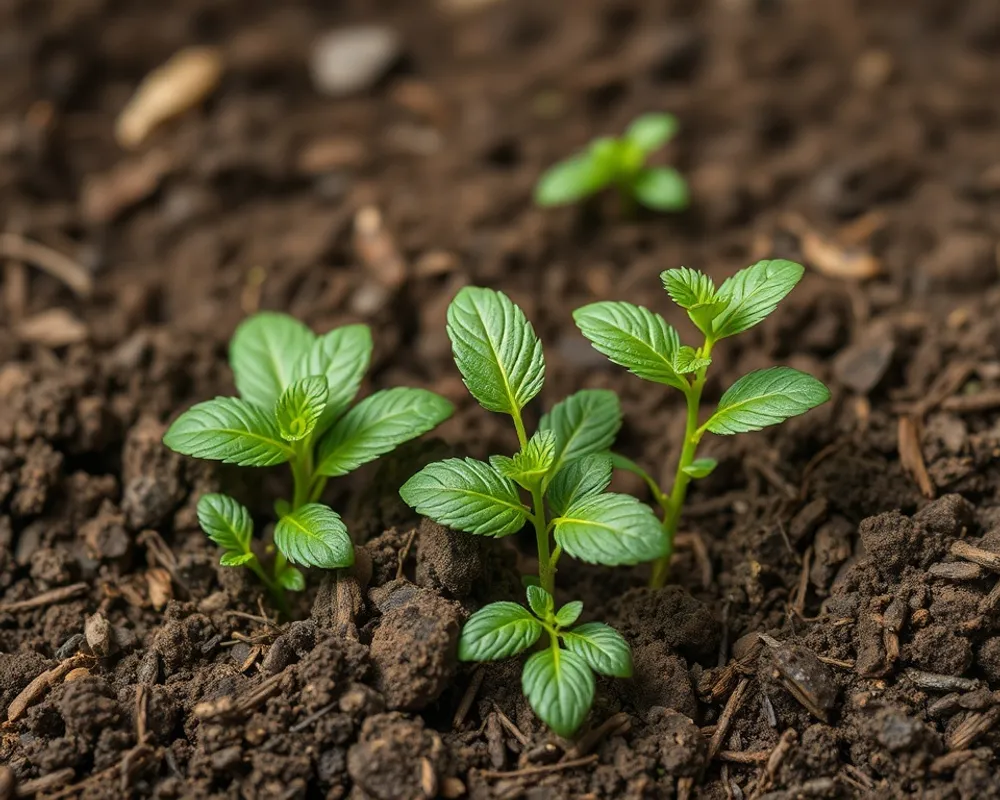
Plants are not passive filters. Some herbs are better at pulling heavy metals out of the soil than others, a process called bioaccumulation. This matters because contaminants end up in the leaves you eat.
Lead binds tightly to soil particles, so root crops are more likely to take it up than leafy greens. But dust from contaminated soil can settle on the leaves of your basil or mint, which you then consume. Cadmium is more mobile in plants and accumulates in leafy tissues directly.
A 2022 study in Foods found that herbs grown near industrial areas had higher cadmium levels than those grown in rural soil. The CDC has clear guidelines on lead exposure, and children are particularly vulnerable. If you have kids helping in the garden, testing the soil is non-negotiable.
The best way to know what is in your soil is to test it. Home test kits can screen for lead, but a full lab test through your local cooperative extension office gives you a complete picture. It usually costs between $15 and $40, and it is the only way to be sure.
The Safest Soil Recipe for Culinary Herbs
After all the warnings, you are probably wondering what you should use. Our research points to a simple, reliable recipe that eliminates most of the risks.
Mix two parts coco coir or peat moss, one part perlite, and one part well-aged compost or worm castings. This gives you a light, well-draining mix with low soluble salts and a neutral pH. Coco coir is more sustainable than peat moss and has a naturally good pH for herbs.
If you want a pre-made option, look for a mix specifically labeled for herbs or edibles from a brand that lists its ingredients clearly. OMRI certification is a good sign, as is a low fertilizer charge. Avoid anything with moisture control crystals or mystery slow-release fertilizers.
You can also pasteurize your own soil at home if you are concerned about pathogens. Bake moist soil in an oven at 180°F for 30 minutes. This kills weed seeds and harmful bacteria without destroying all the beneficial microbes.
How to Test Your Soil for Safety
Testing is the only way to move from guessing to knowing. Here is what actually works.
DIY Lead Test Kits
Home lead test kits are affordable and widely available. They cost between $10 and $20 and give you a basic yes or no answer on lead presence. They are useful as an initial screening tool, but they will not tell you about cadmium, arsenic, or specific contamination levels.
These kits work by mixing a soil sample with a chemical reagent that changes color. They can detect lead at levels around 400 ppm, which is the EPA action level. Again, many experts recommend a lower threshold for food gardens.
Professional Lab Testing
Your local cooperative extension service offers the most accurate testing. A standard soil test costs $15 to $40 and checks pH, nutrient levels, organic matter, and heavy metals. The results come back with specific ppm numbers for each contaminant.
This is the gold standard for safety. You collect a dry soil sample, mail it in, and get a detailed report. Many extension services also provide recommendations for remediation if your levels are high.
Search for cooperative extension soil test plus your state to find the nearest lab.
Red Flags on Soil Labels
Soil labels can be misleading. Here is what to look for and what to avoid.
Avoid any soil that lists biosolids, sewage sludge, or municipal compost as an ingredient without specifying it is Class A and tested for heavy metals. Also skip mixes with moisture control synthetic crystals for edible herbs.
Look for the OMRI seal, a list of actual ingredients rather than just marketing claims, and a low or moderate N-P-K number. The phrase tested for heavy metals or safe for vegetable gardens is a good sign. Some brands now include a QR code linking to their latest lab results.
If a bag feels very heavy for its size, it likely contains too much sand or dense fillers. Good potting soil should feel light and fluffy.
Common Mistakes That Introduce Contaminants
Even experienced home growers make errors that compromise soil safety. Most of these mistakes happen when you trust a source without verifying it or reuse soil without testing.
One of the biggest mistakes is using soil from an old raised bed that once contained treated lumber. Older treated wood often contains chromated copper arsenate (CCA), which leaches arsenic into the surrounding soil. If your raised bed was built before 2004, that soil should not touch edible herbs.
Another common error is mixing fresh manure directly into a herb container. Raw manure from a farm contains pathogens that survive on leaf surfaces. Always use fully composted or aged manure from a reputable source.
Adding too much fertilizer is another trap. Herbs like basil and mint actually produce more essential oils in lean soil. Overfeeding them with a high-nitrogen mix leads to lush leaves that taste bland and may accumulate nitrates.
Container Herbs vs. Raised Beds: Which Offers Better Control?
If you are worried about soil safety, containers give you far more control. You choose exactly what goes into the pot. You can replace the soil each season.
You eliminate the risk of unknown native soil contaminants.
Raised beds are a great option, but they come with one big catch. You need to fill them with clean, tested soil, and the bed itself must sit on safe ground. If you place a raised bed over soil that has lead from old paint or industrial runoff, roots can eventually grow down into that contaminated layer.
A 2023 study in the Journal of Environmental Management found that lead uptake in vegetables increased when raised bed depth was only six inches over contaminated soil. For most home growers, containers win on safety and convenience. They sit above the ground, drain well, and let you swap out the mix whenever you want.
If you do build a raised bed, use at least twelve inches of depth and line the bottom with landscape fabric. This prevents root penetration into the native soil.
What If Your Soil Tests Positive for Contaminants?
Finding lead or cadmium in your soil is alarming, but it is not the end of your herb garden. You have several practical options depending on the level of contamination.
For low to moderate lead levels, switch to growing herbs in containers with clean commercial soil. The contaminated soil stays in place, and your edible plants sit safely above it. This is the most straightforward solution for urban gardeners.
For higher contamination levels, remediation is possible through phytoremediation, but it takes time. Certain plants like sunflowers and mustard greens actively pull heavy metals from the soil. They concentrate the contaminants in their tissues, which you then dispose of properly.
The most aggressive solution is soil removal. Excavate the top six to twelve inches of contaminated soil and replace it with clean, tested soil. This is expensive and labor intensive, but it resolves the problem immediately.
Your local cooperative extension office can help you interpret test results and recommend the best path forward.
Frequently Asked Questions
Can I use regular potting soil for herbs?
Standard potting soil works in a pinch, but it often contains too much fertilizer for herbs. Look for a mix labeled for edibles or dilute regular potting soil with extra perlite and compost to reduce salt levels.
Is topsoil safe for growing herbs?
No, topsoil is not safe for containers because it compacts too easily. It is meant for landscaping, not for growing food in pots. For raised beds, you can amend it with compost, but avoid using it alone.
How do I know if my soil has heavy metals?
The only reliable way is to test it through a cooperative extension lab. Home test kits can screen for lead, but they do not catch everything. Testing costs $15 to $40 and gives you peace of mind.
Is organic potting soil safer for herbs?
It is generally safer because organic mixes avoid synthetic pesticides and fertilizers. But organic does not automatically mean heavy metal free. Look for the OMRI seal and check the ingredient list.
What is the best soil for growing herbs in pots?
The best soil is a lightweight potting mix made for containers with good drainage. A blend of coco coir, perlite, and worm castings works perfectly. Avoid garden soil and anything with unexplained slow-release fertilizers.
My Bottom Line on Safe Soil for Herbs
Growing your own herbs should be rewarding, not worrying. The good news is that safe soil is easy to find once you know what to look for.
Stick with lightweight potting mixes designed for containers. Avoid garden soil, topsoil, and any mix that contains biosolids or mystery fillers. Test your soil if you are unsure, and trust your local cooperative extension lab over the claims on a bag.
Your herbs will thrive in clean, well-draining soil with low salt levels. A little attention upfront means you can harvest fresh basil, mint, and cilantro with total confidence. That is the whole point of growing your own.