
So, you've got a Fiddle Leaf Fig that's more of a tall, lanky tree than the lush, branching beauty you imagine. Many plant parents face this, wondering how to get that coveted bushier look instead of just a single leader growing skyward. Notching your Fiddle Leaf Fig is a well-established horticultural technique designed to gently encourage your plant to sprout new stems from specific points.
The idea is to create a controlled "wound" that signals the plant to direct its growth hormones and energy to that location, prompting new buds to open. This method is often used when other techniques, like strategic pruning, have been done, or if you want to encourage branching at a precise spot lower down. We'll cover why this works, how to do it safely as of 2026, and what to expect in terms of results and timing.
Quick Answer
Notching a Fiddle Leaf Fig encourages new branches to grow. You make a shallow cut above a leaf node to stimulate new shoots. This process often takes weeks to months.
Done correctly, it helps create a fuller plant.
Why Your Fiddle Leaf Fig Needs a Little Nudge
Fiddle Leaf Figs (Ficus lyrata) are naturally monopodial growers. That means they tend to grow upwards with a single main stem, producing leaves and eventually branching only from the top. For many, this results in a plant that looks more like a slender tree than a full, bushy specimen.
If you're aiming for that Instagram-worthy, multi-branched look, you need to intervene.
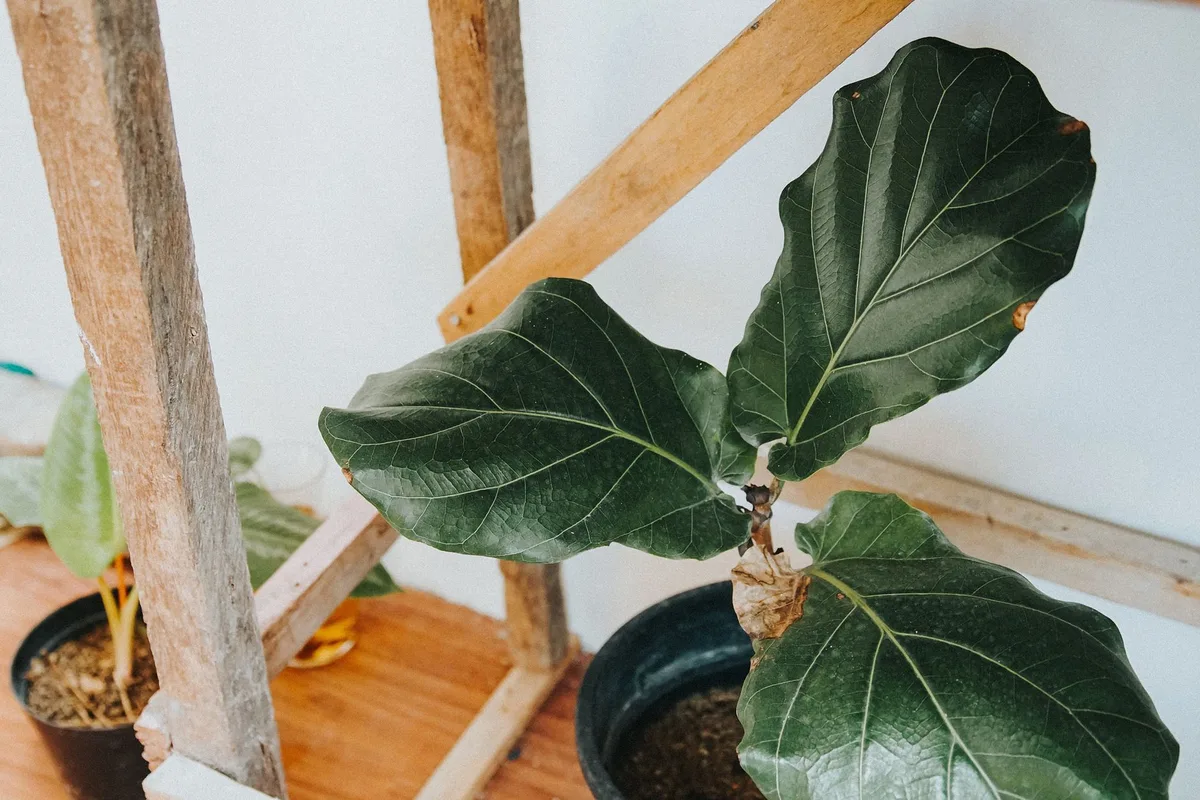
There are several ways to achieve a bushier Fiddle Leaf Fig, but notching is a specific technique that offers more control over where new growth appears. Unlike simply pruning the top, which encourages branching to happen below the cut, notching targets specific nodes. This technique relies on understanding the plant's biology, essentially directing its natural growth response.
What is Notching and How Does It Work?
Notching is a horticultural technique where a small cut or bend is made in the stem of a plant, typically just above a dormant bud or leaf node. The purpose is to interrupt the plant’s normal growth hormones (auxins) that tend to flow downwards. When these hormones are disrupted, buds located where the notch is made can be stimulated to break dormancy and start growing.
Think of it like this: a plant’s main growth point at the tip of a stem usually inhibits growth from lower down. By making a notch, you're essentially disarming that apical dominance in a localized area. This allows the plant's stored energy and resources to be redirected to the adjacent leaf node, which can then develop into a new branch or a cluster of leaves.
This method is different from aggressive pruning. Instead of cutting off a large section of the stem, you're making a very precise, shallow intervention. Proper notching aims to stimulate growth without causing significant stress or damage to the plant.
Seeing is Believing: Visualizing the Notch
Understanding where and how to make the notch is crucial for success. Without clear visual cues, it’s easy to make a cut too deep or in the wrong spot, leading to no growth or even plant damage. Visual guides are invaluable here, showing the subtle indicators of where to act.
Finding the Perfect Leaf Node
A leaf node is a point on the stem where a leaf emerges, or where a leaf has fallen off. These nodes contain dormant buds that have the potential to grow into new stems or branches. You'll typically see a slight bump or swelling at the base of where a leaf attaches to the stem.
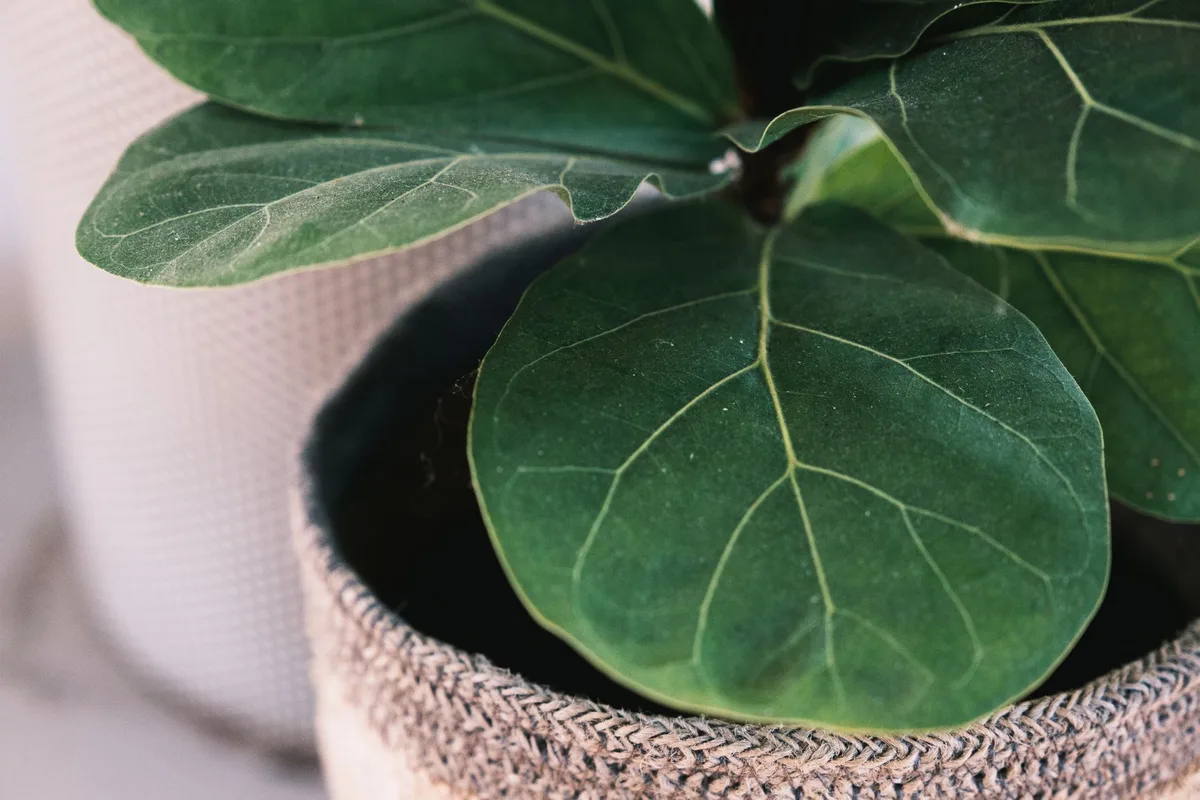
When you're looking to notch, identify a healthy leaf node. It should be on a mature, firm stem, not a brand-new, soft shoot. The more established the node, the more likely it is to respond with vigorous growth.
Making the Cut: Angles and Depths
The goal is a shallow incision that penetrates the bark and cambium layer, but not the woody xylem. This is where precise technique comes in.
- The Cut: You can make a small horizontal cut about 1/8 to 1/4 inch long, right above and slightly to the side of your chosen leaf node. Some growers prefer a shallow V-shaped cut. The key is not to go too deep.
- The Bend: Alternatively, you can gently bend the stem right above the node until you feel a slight "give" or hear a faint crease. This creates a stress point that can also encourage growth. This method is less invasive but may be less reliable.
Proper depth is critical. Too shallow, and the plant won't register the signal. Too deep, and you risk damaging the stem's vascular system, leading to dieback or rot, which can be a serious problem for houseplants.
What a Successful Notch Looks Like
After notching, don't expect immediate results. It takes time and energy for the plant to respond. You’ll want to watch the area around the notch over several weeks.
A successful notch will gradually start to show a small bulge or swelling at the leaf node. This is the dormant bud beginning to activate. Eventually, this bump will enlarge and break through the bark, forming a tiny new shoot.
If you see any signs of browning, blackening, or mushiness around the notch, that’s a bad sign, indicating potential rot or damage.
Your Step-by-Step Notching Process
Notching is a straightforward process if you follow a few key steps. It’s about precision and patience, ensuring you give your plant the best chance to respond positively. Remember, this is a subtle nudge, not a drastic measure.
1. Gear Up: Clean Tools are Key
Before you do anything, make sure your tools are sterilized. This prevents introducing harmful bacteria or fungi into your plant's tissues, which can lead to disease and prevent growth. A clean blade is paramount for any plant surgery.
For notching a Fiddle Leaf Fig, you’ll typically need a very sharp and clean tool.
- Sterilized Pruning Shears: A small, clean pair of bypass pruners is ideal.
- Sharp Craft Knife or Scalpel: For more precision, a sterilized razor blade or scalpel can be used.
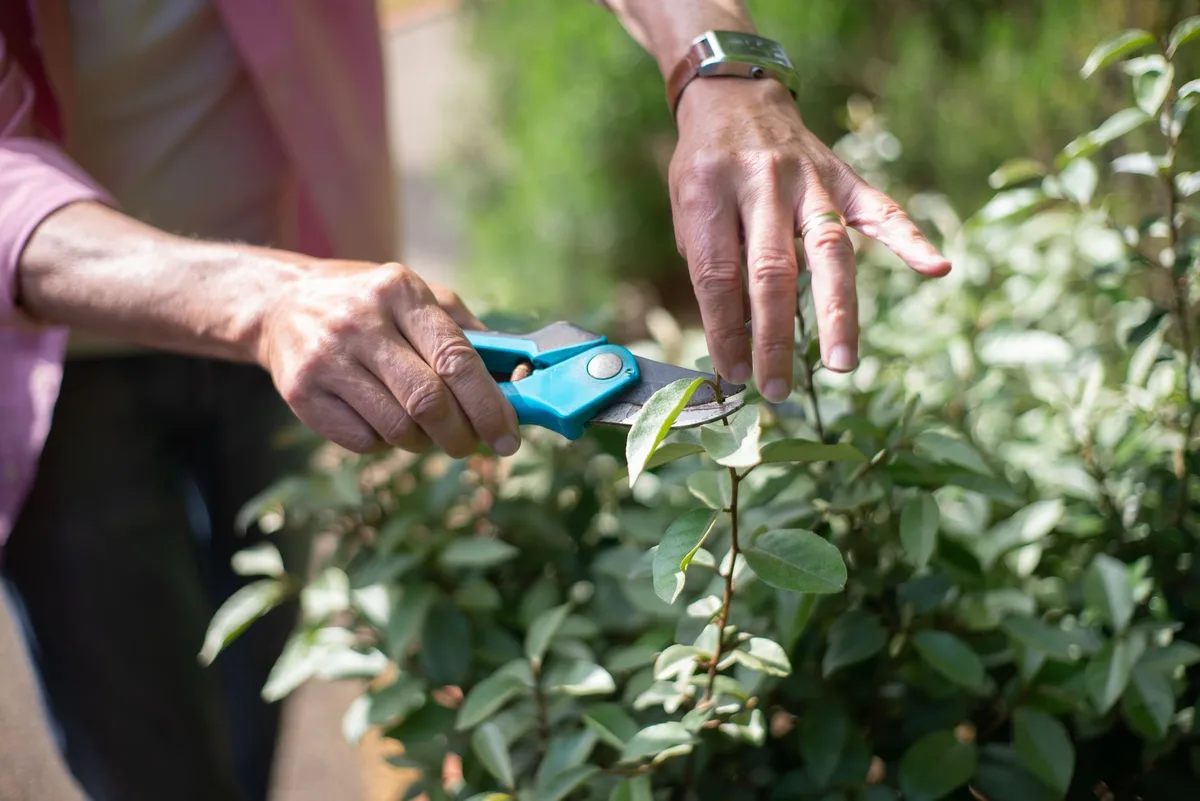
To sterilize, wipe the blade thoroughly with rubbing alcohol (at least 70% isopropyl alcohol) or a bleach solution (1 part bleach to 9 parts water). Let it air dry completely before using it on your plant.
2. Pinpoint the Node
Identify the specific leaf node where you want new growth to emerge. Look for a clear bump or scar where a leaf was previously attached. Choose a node on a mature, upright stem that is healthy and has good light exposure.
If you're aiming for a branch on a particular side, select a node on that side of the stem.
3. The Gentle Cut or Bend
Using your sterilized tool, make a shallow cut just into the bark, right above and slightly to the side of your chosen leaf node. The cut should be about 1/8 to 1/4 inch long and very superficial. You are not trying to sever the stem or remove a significant piece of tissue.
If you opt for the bending method, gently flex the stem above the node until you feel a slight resistance or a slight creak. Be careful not to snap the stem.
4. Patience is a Virtue: Waiting for Growth
After notching, the most important thing is to be patient. Within a few weeks, you might start to see a slight swelling at the node. Over the next several weeks to a couple of months, this swelling should develop into a new shoot or leaf bud.
Consistent care is vital during this period. Ensure your Fiddle Leaf Fig has adequate light, consistent watering (allowing the soil to dry slightly between waterings), and appropriate humidity. These factors will support the plant's energy reserves needed for new growth.
It’s also a good time to consider what kind of fertilizer for grass to use if you're treating your plant with a general houseplant feed.
Common Notching Mistakes to Steer Clear Of
While notching can be a highly effective way to encourage branching in your Fiddle Leaf Fig, there are a few common pitfalls that can lead to disappointing results or even plant damage. Avoiding these mistakes will significantly increase your chances of success.
- Cutting Too Deep: This is probably the most frequent error. Going too deep into the stem can damage the xylem (the water-transporting tissue) and phloem (the nutrient-transporting tissue), or even the pith. This can lead to the stem drying out, developing rot, or the node simply dying. A shallow score into the bark is all that’s needed.
- Using Dull or Dirty Tools: As mentioned, a dull blade can crush plant tissue rather than make a clean cut, making it harder to heal and more susceptible to infection. Dirty tools are a direct pathway for pathogens. Always use a sharp, sterilized instrument.
- Notching Too Many Spots at Once: Trying to force the plant to sprout multiple new branches simultaneously can over-stress it. It might not have the energy to push out growth from more than one or two nodes, leading to weak growth or failed attempts everywhere. It’s better to focus on one or two nodes at a time, wait for them to grow, and then consider another notch later.
- Ignoring Plant Health: A stressed Fiddle Leaf Fig under poor conditions (inadequate light, inconsistent watering, wrong temperature) simply won't have the resources to invest in new growth. If your plant is already struggling, it’s best to address those underlying issues before attempting any technique like notching. Basic plant health is the foundation for any growth stimulation.
- Impatience: Expecting results overnight is unrealistic. It can take anywhere from three weeks to three months for a new shoot to emerge. Rushing the process or giving up too soon means you miss out on potential growth. Patience and consistent observation are key to this technique.
When addressing plant health, remember that different plants have different needs. For instance, if you're tending to a lawn as well, knowing when to fertilize lawn can be crucial for overall plant vigor, and the same principle applies to your indoor plants.
When to Notch for the Best Results
The timing of your notching efforts can significantly impact the outcome. While you can attempt notching at various times of the year, certain periods offer a much higher likelihood of success. This is directly tied to the Fiddle Leaf Fig's natural growth cycles.
Fiddle Leaf Figs, like most houseplants, experience distinct growing seasons. The most active growth typically occurs during the spring and summer months. This is when they receive more natural light and experience warmer temperatures, both of which encourage increased metabolic activity and energy production.
- Ideal Time: Spring and early summer are generally considered the best times to notch your Fiddle Leaf Fig. During this period, the plant is actively producing new leaves and stems and has ample energy reserves to direct towards stimulating new growth from a notched node. A plant that is showing signs of robust growth during these months is a prime candidate.
- Avoid Harsh Conditions: Conversely, attempting to notch a plant during its dormant period (typically fall and winter) is unlikely to yield positive results. The plant's energy is conserved, and it's less responsive to new stimuli. Trying to force growth when the plant is naturally slowing down can also be more stressful.
- Plant's Overall Health: Beyond the season, always consider the plant's immediate condition. Is it showing new leaf growth? Does it look vibrant and healthy? A plant that is in a strong, healthy state will respond much better than one that is weak or stressed from inconsistent care. You must ensure it's not suffering from issues like pests or nutrient deficiencies, which could be addressed by understanding compost vs fertilizer.
If you're unsure about your plant's overall health or its specific needs, it's always best to consult reliable horticultural resources or experienced growers.
Beyond Notching: Other Ways to Bush Out Your Fig
While notching is a fantastic technique for targeted branching, it's not the only way to achieve a fuller, bushier Fiddle Leaf Fig. Sometimes, other methods might be more appropriate depending on your plant’s current shape and your desired outcome.
- Pruning: This is perhaps the most common method for encouraging bushiness. If your Fiddle Leaf Fig has grown too tall with a single leader, you can simply prune off the top section of the main stem. This action directly removes the apical dominance, signaling the plant to sprout new growth from nodes below the cut. You can decide precisely how much to cut, thereby controlling the eventual height and encouraging multiple new stems to form. This is quite similar to how one might approach significant garden maintenance, like deciding to how to repair a lawn mower without a technician for overall plant health.
- Pinching: Similar to pruning, pinching involves removing the very tip of a stem or a new leaf bud. This is a less drastic measure than full pruning and is often used on younger, more pliable growth to encourage it to branch out sooner.
- Air Layering: While more advanced, air layering can allow you to create a new, rooted plant from a stem while it’s still attached to the parent plant. Once rooted, you can then pot it separately, and the original stem on the parent plant often then branches.
- Choosing the Right Plant: When buying a Fiddle Leaf Fig, look for specimens that are already multi-branched or have a promising structure. Some nurseries train their plants from a young age to encourage a fuller shape.
Each of these methods has its own benefits and is suited to different situations. Notching offers precise control, while pruning is more decisive for significant height reduction and branching. The choice often depends on the plant's current form and your aesthetic goals.
Expert Nudges for a Fuller Fiddle Leaf Fig
When aiming for a bushy Fiddle Leaf Fig, understanding the plant's physiological responses is key. Notching taps into the plant's natural growth signals. For instance, ensuring your plant has good air circulation, much like how grow tent ventilation setup is crucial for indoor gardens, can support overall plant health, making it more receptive to techniques like notching.
Does Notching Harm the Plant?
When done correctly, notching should not harm a healthy Fiddle Leaf Fig. The technique involves a shallow cut designed to stimulate growth, not cause damage. However, there are risks if not performed properly or if the plant is already unhealthy.
- Risk of Infection: If tools are not sterilized, bacteria or fungi can enter the small wound. This can lead to stem rot or other diseases.
- Over-Cutting: Making the cut too deep can damage the plant's vascular system. This can disrupt nutrient and water flow, potentially causing the stem or the section above the notch to die back.
- Stress: Attempting to notch a plant that is already stressed from improper watering, poor light, or pests will increase its vulnerability. A weakened plant may not have the energy to heal and may respond negatively.
Always prioritize the plant's overall health and use clean, sharp tools. If you're unsure about your plant's condition, it’s best to focus on improving its general care first.
What to Expect After Notching
After successfully notching your Fiddle Leaf Fig, patience and observation are your best allies. The goal is to see new growth emerge from the treated node. This process is not instantaneous and can vary significantly from plant to plant.
- Initial Swelling: Within two to four weeks, you should start to see a subtle swelling appear at the leaf node just above where you made the notch. This indicates that the dormant bud is beginning to activate.
- Bud Emergence: Over the next four to eight weeks, this swelling will continue to grow and may start to push through the bark. You'll see a small bump that eventually elongates into a new shoot.
- Leaf Development: Once the shoot has emerged, it will begin to unfurl new leaves. This entire process, from the initial notch to a developing shoot, can take anywhere from six weeks to three months, depending on the plant's vigor, light, and overall conditions.
Consistent care during this period is crucial, including appropriate watering and light. Don't be discouraged if it takes time; a heathy Fiddle Leaf Fig will eventually respond. If you're experiencing slow growth with your plants, you might find it helpful to review best practices, like those discussed for what kind of fertilizer for grass to use, as general plant nutrition principles often apply across species.
When Is It Too Late to Notch?
There isn't a strict "too late" point for notching a Fiddle Leaf Fig, but there are times when it's significantly less likely to be successful or advisable. The key factor is the plant’s growth cycle and health.
- Dormant Season: As previously mentioned, attempting to notch during the plant's dormant period in fall and winter is generally not recommended. The plant’s energy is conserved, making it less receptive to stimuli that encourage new growth. You're more likely to see no response or potentially slow down recovery.
- Unhealthy Plants: If your Fiddle Leaf Fig is significantly unhealthy, showing signs of pest infestation, root rot, severe dehydration, or disease, it's not the time for experimental techniques. The plant needs all its resources focused on survival and recovery. Addressing the underlying health issues is the priority. Think about addressing pest problems before attempting cosmetic or growth-inducing procedures.
- Very Old, Woody Stems: While older stems can be notched, extremely thick, woody stems that have been growing for many years might have less responsive dormant buds. Younger, more pliable stems generally offer better chances of successful sprouting.
It’s always best to attempt notching when your plant is in a healthy, actively growing state, ideally during spring or early summer.
Alternatives to Notching for Bushier Growth
If notching doesn't appeal to you, or if you want to try a different approach, several other methods can help your Fiddle Leaf Fig develop a fuller appearance. These alternatives rely on different principles of plant growth regulation.
- Top Pruning: This is a fundamental technique. You cut off the top portion of the main stem. This immediately removes apical dominance, which suppresses lateral bud growth. Below the cut, you'll encourage two or more new shoots to emerge, creating branching. This is a more direct way to achieve bushiness, similar to how one might decide to spray or brush paint which one is better for fence based on the desired outcome and surface area.
- Pinching Back New Growth: When a new leaf or stem tip is developing, you can pinch it off. This prevents the stem from elongating further and encourages it to branch from the nodes just below the pinch point. It’s a gentler way to manage growth and shape.
- Planting Multiple Stems: Sometimes, the easiest way to achieve a full look is to pot several individual Fiddle Leaf Fig plants together in one large container. This creates an instant, bushy effect from the start. You could even propagate cuttings and pot them together once they're established.
- Grafting: Though less common for home growers, grafting involves joining two plant tissues together. This technique can be used to create unique growth habits or to combine desirable traits from different varieties, though it's quite advanced.
Each of these methods offers a way to influence your Fiddle Leaf Fig's growth habit, allowing you to tailor its shape to your preference and space.
Maintaining Your Notched Fiddle Leaf Fig
Once your Fiddle Leaf Fig has successfully sprouted new growth from a notch, the job isn't quite done. Maintaining the plant to support this new development and ensure continued healthy growth is essential. Proper care helps the new branches mature and integrate with the existing structure.
- Watering: Continue to water as usual, allowing the top inch or two of soil to dry out between waterings. Ensure the pot has good drainage. Overwatering is a common issue and can be detrimental.
- Light: The new growth will need bright, indirect light. If the plant is in a location where light is uneven, consider rotating it periodically. Some plant enthusiasts use specialized lighting, similar to the considerations for special consideration while building own grow room.
- Feeding: During the growing season (spring and summer), you can fertilize your plant. Use a balanced liquid houseplant fertilizer, diluted according to the package instructions. This helps provide the nutrients needed for the new branches to grow strong and healthy.
- Monitoring: Keep an eye on the new shoots as they develop. Ensure they are growing evenly and that the older parts of the plant remain healthy. Do not prune the new growth until it has established itself for at least several months.