It’s frustrating when you’ve put in the effort to start your own pepper seedlings, only to find them barely growing. You’re not alone; many gardeners face this challenge, wondering why their promising little plants seem stuck in slow motion.
Fortunately, figuring out why your pepper seedlings growing slowly usually comes down to a few key environmental factors and care habits we can easily adjust. By understanding these common issues, you can give your plants the best chance to thrive.
Quick Answer
Pepper seedlings grow slowly primarily due to insufficient light, inadequate warmth, or improper watering. Optimal conditions include 14, 16 hours of strong light daily, soil temperatures between 75, 85°F (24, 29°C), and consistently moist, well-drained soil. Addressing these factors can significantly speed up growth.
Why Are My Pepper Seedlings Growing So Slowly?

Slow-growing pepper seedlings are a common point of concern for gardeners, especially those eager to transplant them outdoors. This sluggishness isn't typically a sign of a problem with the seed itself, but rather an indication that one or more environmental conditions aren't quite right for vigorous growth. Peppers are a group of plants that absolutely love warmth and light; anything less than ideal in these areas will make them put on the brakes.
Our research indicates that the primary factors contributing to slow seedling development in peppers are light intensity and duration, soil and ambient temperature, and water management. When these are out of sync, seedlings may display stunted growth, become leggy (etiolated), or develop discolored foliage. For instance, many common garden vegetable seeds require specific soil temperatures for germination and subsequent development; for peppers, optimal soil temperatures for growth consistently fall within the 75, 85°F (24, 29°C) range.
Without these ideal conditions, even the healthiest seedlings will struggle to reach their potential, delaying your garden’s progress.
Light: The Biggest Hurdle for Young Peppers
What "Enough Light" Really Looks Like
One of the most frequent reasons pepper seedlings lag behind is insufficient light. These plants are sun-lovers, and as seedlings, they need a significant amount to fuel their initial growth. We’re talking about a daily requirement of 14 to 16 hours of strong, direct light.
A typical sunny windowsill, even in a well-lit room, often doesn't provide enough consistent intensity or duration.
The sun moves throughout the day, and a window’s light changes with the weather and time of year, making it an unreliable primary light source for seedlings. Without adequate light, seedlings will attempt to stretch themselves thin, searching for more, which leads to a condition called etiolation. This results in weak, spindly stems and pale leaves, making the plant more susceptible to disease and less likely to produce well later on.
Spotting the Signs of Light Starvation
How can you tell if your pepper seedlings are suffering from a lack of light? The main indicator is their physical appearance. Etiolated seedlings are noticeably tall and thin, with long stretches of stem between nodes (where leaves attach).
Their leaves might be small and pale green, or even yellowish, because they’re not producing enough chlorophyll without sufficient light energy.
If you notice your seedlings leaning dramatically towards the nearest window, that's another strong signal that they're not getting enough light where they are. They’ll also look generally weak and a bit sad. While you might be tempted to provide more water to perk them up, this will likely compound the problem if light is the real issue.
For an effective solution, consider supplementing with artificial light sources.
Temperature: Peppers Need the Heat
Peppers hail from warmer climates, and this preference for heat extends to their seedling stage. They are not tolerant of cold, and if the environment is too cool, their growth will slow dramatically, or even stop altogether. This is why many gardeners find success using supplemental heating for their seedlings, especially during cooler months or in homes that tend to run on the colder side.
The Magic Soil Temperature Range
For both germination and steady growth, peppers thrive when the soil temperature is consistently between 75°F and 85°F (24°C to 29°C). Even temperatures dipping below 70°F (21°C) can significantly hinder their development. When soil temperatures are too low, root activity slows down, preventing the plant from absorbing water and nutrients efficiently.
This directly impacts how quickly the seedling can grow. Manufacturers of horticultural supplies often specify optimal temperature ranges for seed starting mixes and seedling trays, guiding growers toward creating these crucial microclimates.
As a practical example, relying solely on ambient room temperature might be insufficient. If your home thermostat is set to a comfortable 68, 70°F (20, 21°C) for human comfort, the soil in your seed trays could easily be 10, 15 degrees colder, especially at night. This is why targeted heating solutions like seedling heat mats are so popular and effective for pepper growers.
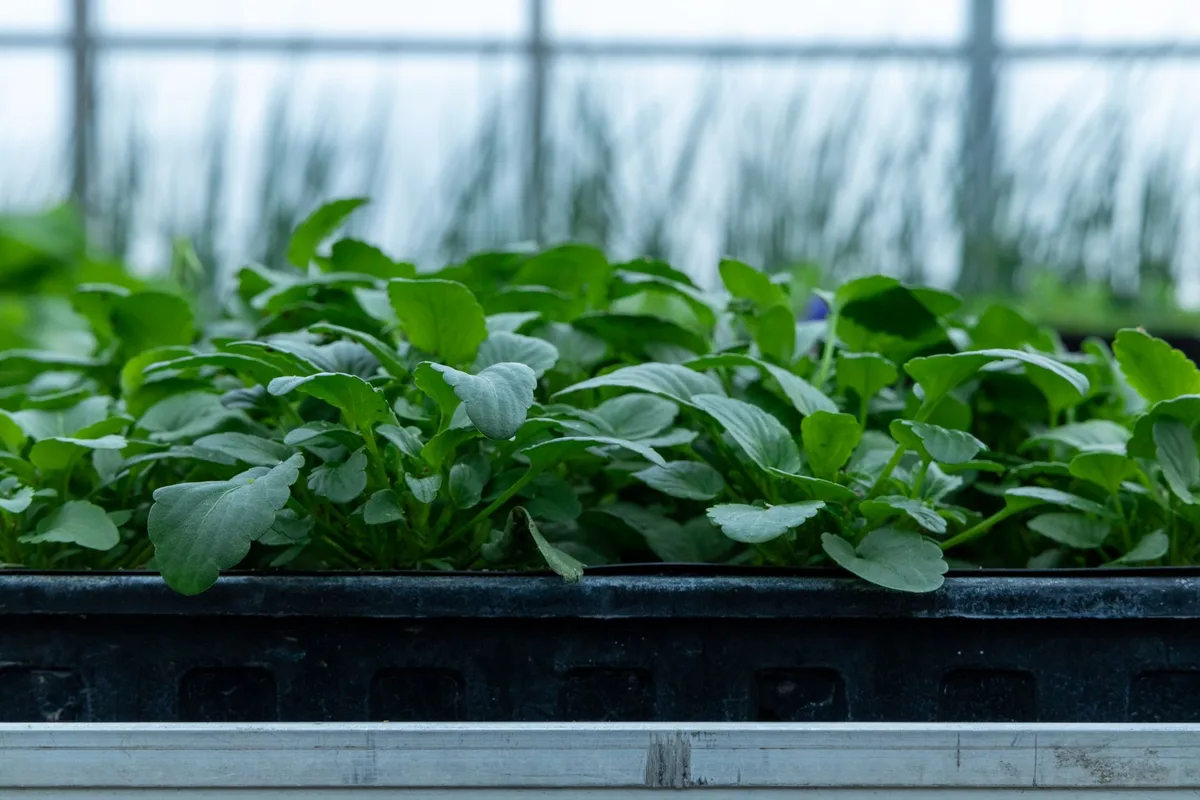
These mats are designed to warm the soil to the optimal range without greatly increasing the ambient air temperature, which can sometimes lead to leggy growth if it's too warm and light is insufficient. We've found that maintaining that target soil temperature is a non-negotiable for vigorous pepper seedling development.
Avoiding Cold Drafts and Chilly Nights
Beyond consistent warmth, peppers are sensitive to sudden temperature drops. Leaving seedlings near drafty windows, doors, or cold floors can induce stress that halts growth and weakens them. Even as temperatures rise during the day, if the spot they are in becomes chilly at night, it can interrupt their growth cycle.
Consider your home's microclimates. Basements, garages, or rooms with less insulation might be considerably colder than your main living areas. If you're starting seeds in such a location, a seedling heat mat becomes less of an option and more of a necessity.
It's also wise to group your seedlings together; the small mass of pots can create a slightly warmer microclimate around the plants.
If you're using a grow tent setup, ensure the tent itself is not placed in a drafty area. Many modern grow tents are designed with insulation properties, but the surrounding environment still plays a significant role. For those growing indoors without a dedicated seed-starting station, physically moving seedlings to a warmer location at night if necessary, or ensuring they are away from any sources of cold air, is an important step.
Remember, consistent warmth, especially in the soil, is critical for pep in your pepper plants.
Watering: The Delicate Balance Act
Getting the watering right for pepper seedlings is a bit of an art. Both overwatering and underwatering can lead to slow growth, and it's often one of the trickiest aspects for new gardeners to master. The goal is to keep the soil consistently moist but never soggy.
How to Tell When It's Time to Water
The best way to check if your seedlings need water is to feel the soil. Stick your finger about an inch deep into the potting mix. If it feels dry at that depth, it's time to water.
If it still feels moist, hold off. Another visual clue is the seedlings themselves: if they start to droop slightly, it's usually a sign they're thirsty.
However, don't wait until they're severely wilted, as this can stress them. It’s better to water preventatively when the top layer of soil just begins to feel dry. Use room-temperature water, as cold water can shock the roots and slow growth.
Water thoroughly until you see some drainage from the bottom of the pot or tray, then allow the top inch of soil to dry out before watering again.
The Danger of Soggy Soil
Overwatering is a silent killer of seedlings. When soil stays waterlogged, it deprives the roots of oxygen, essentially suffocating them. This can also create a perfect environment for fungal diseases like damping-off, which can kill seedlings overnight.
Roots that sit in waterlogged soil for too long can also start to rot, which is difficult to recover from and will definitely lead to slow or stalled growth.

You can often recognize overwatered soil by its consistently damp feel, a musty smell, or the presence of algae or mold on the soil surface. Ensure your seed trays or pots have adequate drainage holes. If you're using a tray without holes, consider placing your pots in a tray that allows excess water to drain away.
It's always better to err on the side of slightly too dry than consistently too wet when it comes to seedlings. Remember, healthy roots need air, not just water.
Feeding Your Seedlings: Beyond the Seed Mix
Seed-starting mixes are formulated to provide just enough nutrients for the very first stages of seedling life, typically for the first two to four weeks. After the seedlings have developed their first set of "true leaves", the leaves that resemble the mature plant's foliage, not the initial rounded "seed leaves" or cotyledons, they begin to require additional nourishment to continue growing strong.
When to Start and What to Use
Once you see those first true leaves emerging, it’s generally time to introduce a fertilizer. It's crucial to start with a very dilute solution. A common recommendation is to use a balanced liquid fertilizer designed for seedlings or houseplants, diluted to one-quarter or half the strength recommended on the product label.
Over-fertilizing young seedlings can burn their delicate root systems, causing more harm than good. For example, a balanced 10-10-10 NPK fertilizer, used at half strength, provides essential macronutrients without being overwhelming.
You should fertilize sparingly, perhaps once every week or two, as part of your regular watering routine. Over-fertilization can lead to weak, leggy growth or nutrient burn on the leaves, which looks like brown tips or edges. Always water the plant first, then apply the dilute fertilizer solution.
This prevents the fertilizer from being too concentrated and damaging the roots.
Recognizing Nutrient Deficiency Signs
If your pepper seedlings are showing signs of slow growth even after checking light and temperature, nutrient deficiency could be the culprit. The most common early sign is a yellowing of the leaves, particularly the older, lower ones. This yellowing, known as chlorosis, often indicates a lack of nitrogen.
If the leaves turn purplish, it might signal a phosphorus deficiency, though this can also be caused by cold temperatures affecting nutrient uptake.
Newer leaves might appear smaller than expected, or the overall plant might just look pale and weak, lacking that vibrant green color. If you're seeing these symptoms after your seedlings have passed the initial few weeks and have developed true leaves, it's a strong indicator that they're hungry. Addressing this with a weak, balanced fertilizer solution can often revive them and get them growing again.
For gardeners looking to supplement nutrients, understanding the difference between compost versus fertilizer can also inform their feeding strategy.
Room to Grow: When Potting Up is Key
Seedlings that are left in their initial small starting cells for too long will inevitably slow down. Their roots, which are essential for absorbing water and nutrients, will eventually fill the tiny container. Once they become "root-bound," their growth will stagnate because there simply isn't enough space for the root system to expand and function effectively.
Signs Your Seedlings Need a Bigger Pot
Several visual cues will tell you it’s time to pot up your pepper seedlings to a slightly larger container, typically 3- to 4-inch pots for the first transplant. The most obvious sign is seeing roots emerging from the drainage holes at the bottom of the pot or tray. If the soil dries out extremely quickly after watering, it often means the roots have taken up most of the available space.
You might also notice that the seedling seems to have outgrown its container; its roots are coiled tightly around the inside of the pot, forming a dense mat. The plant might also appear stunted, showing slowed growth even when other conditions are seemingly ideal. Waiting too long to pot up can stress the plant and set back its development, which is exactly what we're trying to avoid when trying to speed up slow growth.
Proper preparation before moving them, like the steps outlined in a grow tent setup guide, can make this transition smoother.
Signs Your Seedlings Need a Bigger Pot
Seedlings that are left in their initial small starting cells for too long will inevitably slow down. Their roots, which are essential for absorbing water and nutrients, will eventually fill the tiny container. Once they become "root-bound," their growth will stagnate because there simply isn't enough space for the root system to expand and function effectively.
You might also notice that the seedling seems to have outgrown its container; its roots are coiled tightly around the inside of the pot, forming a dense mat. The plant might also appear stunted, showing slowed growth even when other conditions are seemingly ideal. Waiting too long to pot up can stress the plant and set back its development, which is exactly what we're trying to avoid when trying to speed up slow growth.
Proper preparation before moving them, like the steps outlined in a grow tent setup guide, can make this transition smoother.
Signs Your Seedlings Need a Bigger Pot
Several visual cues will tell you it’s time to pot up your pepper seedlings to a slightly larger container, typically 3- to 4-inch pots for the first transplant. The most obvious sign is seeing roots emerging from the drainage holes at the bottom of the pot or tray. If the soil dries out extremely quickly after watering, it often means the roots have taken up most of the available space.
Soil Matters: The Foundation for Healthy Roots
The type of soil you use for starting seeds can have a significant impact on how well your pepper seedlings develop. A good seed-starting mix is designed to be light, airy, and well-draining. These mixes typically contain peat moss, perlite, and vermiculite, creating a fluffy texture that allows roots to grow easily and prevents waterlogging.
This porous structure ensures that roots get the oxygen they need while still retaining enough moisture.
Using heavy garden soil or compacted potting mix for seedlings can be detrimental. These denser materials can lead to poor aeration, making it difficult for delicate roots to establish themselves. If soil remains too wet for too long due to poor drainage, it creates an environment ripe for fungal diseases like damping-off, which can cause seedlings to collapse at the soil line.
For best results, always opt for a sterile, lightweight seed-starting mix specifically formulated for young plants.
Your Pepper Seedling Troubleshooting Checklist
If your pepper seedlings are lagging, it's time for a systematic check. Think of this as a decision tree: each condition you check will lead you to a specific solution or adjustment. We'll go through the most common issues that cause slow growth and what to do about them.
Step 1: Assess the Light Situation
First, evaluate your seedlings' light exposure. Are they under grow lights? If so, how close are they, and for how many hours a day?
If they are leggy and pale, your lights are likely too far away or not on long enough. Aim for lights about 2, 4 inches above the canopy, running for 14, 16 hours daily. If using natural light, ensure they are in the sunniest spot possible, but supplement with grow lights if needed, especially during shorter winter days.
Step 2: Check Soil and Air Temperatures
Next, verify the temperature. Use a soil thermometer to check the temperature of the potting mix. If it's below 75°F (24°C), introduce a seedling heat mat.
Also, feel the air around the seedlings; are they in a drafty spot or an unnecessarily cold room? Colder temperatures, especially below 70°F (21°C), will significantly slow growth. Moving them to a warmer area or using a heat mat is crucial.
Step 3: Evaluate Watering Habits
Examine the soil moisture. Stick your finger about an inch down. Is it bone dry, or is it soggy and saturated?
If dry, water thoroughly. If consistently wet, reduce watering frequency and ensure good drainage. Healthy root systems need oxygen; waterlogged soil suffocates them.
Make sure your containers have drainage holes and that excess water can escape.
Step 4: Look for Nutrient Needs
Consider if it’s time for fertilizer. If your seedlings have developed true leaves and are still showing pale or yellowish foliage, they might need a nutrient boost. Start with a very dilute liquid fertilizer (quarter or half strength) specifically formulated for seedlings, applied during a regular watering.
Avoid over-fertilizing, as this can be more harmful than beneficial for young plants.
Step 5: Inspect Root Development
Finally, check if the seedlings are root-bound. This is harder to do without disturbing the plant, but if you see roots coming out of the drainage holes or if the plant dries out exceptionally fast, it’s a strong sign. If root-bound, it's time to carefully pot them up into larger containers.
This gives their roots the space they need to continue growing and supporting the plant.
Common Mistakes That Slow Pepper Seedlings Down
Many gardeners inadvertently slow their pepper seedlings' growth by making a few common errors. One of the biggest is relying on insufficient light. Many assume a sunny windowsill is enough, but the sheer intensity and duration of light required by peppers mean supplemental grow lights are almost always necessary for strong, compact seedlings.
This is a fundamental requirement, akin to understanding what kind of fertilizer for grass to use.
Another frequent misstep is providing inadequate warmth. Peppers are tropical plants at heart, and if the soil temperature consistently drops below 70°F (21°C), their metabolism slows to a crawl. This includes nighttime temperatures.
If you're not using a seedling heat mat, you might be hindering your plants’ progress significantly. Overseeding, planting directly into garden soil (which is often too dense and cold), or using low-quality, heavy potting mixes rather than specialized seed-starting mixes can also cause major slowdowns and root issues.
Expert Tips for Giving Your Seedlings a Boost
To really encourage your pepper seedlings to grow at their best, focus on creating a stable, optimal environment. Ensure your grow lights are providing sufficient intensity and duration; consider using adjustable-height fixtures so you can keep them close to the plants as they grow. Manufacturer specifications for LED grow lights often recommend specific distances from the plant canopy to ensure optimal light penetration without scorching.
Warmth is paramount. A seedling heat mat is an inexpensive but highly effective tool for maintaining that crucial soil temperature of 75, 85°F (24, 29°C). Pairing this with a thermostat can provide precise control.
When it comes to watering, develop a habit of checking soil moisture regularly rather than watering on a strict schedule. Use distilled water or allow tap water to sit out overnight to let chlorine dissipate, which can sometimes stress sensitive seedlings. If you've been using a basic potting mix, consider amending it or repotting into a better seed-starting blend if you notice poor drainage or compaction.
Your Pepper Seedling Troubleshooting Checklist
If your pepper seedlings are lagging, it's time for a systematic check. Think of this as a decision tree: each condition you check will lead you to a specific solution or adjustment. We'll go through the most common issues that cause slow growth and what to do about them.
Step 1: Assess the Light Situation
First, evaluate your seedlings' light exposure. Are they under grow lights? If so, how close are they, and for how many hours a day?
If they are leggy and pale, your lights are likely too far away or not on long enough. Aim for lights about 2, 4 inches above the canopy, running for 14, 16 hours daily. If using natural light, ensure they are in the sunniest spot possible, but supplement with grow lights if needed, especially during shorter winter days.
Step 2: Check Soil and Air Temperatures
Next, verify the temperature. Use a soil thermometer to check the temperature of the potting mix. If it's below 75°F (24°C), introduce a seedling heat mat.
Also, feel the air around the seedlings; are they in a drafty spot or an unnecessarily cold room? Colder temperatures, especially below 70°F (21°C), will significantly slow growth. Moving them to a warmer area or using a heat mat is crucial.
Step 3: Evaluate Watering Habits
Examine the soil moisture. Stick your finger about an inch down. Is it bone dry, or is it soggy and saturated?
If dry, water thoroughly. If consistently wet, reduce watering frequency and ensure good drainage. Healthy root systems need oxygen; waterlogged soil suffocates them.
Make sure your containers have drainage holes and that excess water can escape.
Step 4: Look for Nutrient Needs
Consider if it’s time for fertilizer. If your seedlings have developed true leaves and are still showing pale or yellowish foliage, they might need a nutrient boost. Start with a very dilute liquid fertilizer (quarter or half strength) specifically formulated for seedlings, applied during a regular watering.
Avoid over-fertilizing, as this can be more harmful than beneficial for young plants.
Step 5: Inspect Root Development
Finally, check if the seedlings are root-bound. This is harder to do without disturbing the plant, but if you see roots coming out of the drainage holes or if the plant dries out exceptionally fast, it’s a strong sign. If root-bound, it's time to carefully pot them up into larger containers.
This gives their roots the space they need to continue growing and supporting the plant.
Common Mistakes That Slow Pepper Seedlings Down
Many gardeners inadvertently slow their pepper seedlings' growth by making a few common errors. One of the biggest is relying on insufficient light. Many assume a sunny windowsill is enough, but the sheer intensity and duration of light required by peppers mean supplemental grow lights are almost always necessary for strong, compact seedlings.
This is a fundamental requirement, akin to understanding what kind of fertilizer for grass to use.
Another frequent misstep is providing inadequate warmth. Peppers are tropical plants at heart, and if the soil temperature consistently drops below 70°F (21°C), their metabolism slows to a crawl. This includes nighttime temperatures.
If you're not using a seedling heat mat, you might be hindering your plants’ progress significantly. Overseeding, planting directly into garden soil (which is often too dense and cold), or using low-quality, heavy potting mixes rather than specialized seed-starting mixes can also cause major slowdowns and root issues.
Expert Tips for Giving Your Seedlings a Boost
To really encourage your pepper seedlings to grow at their best, focus on creating a stable, optimal environment. Ensure your grow lights are providing sufficient intensity and duration; consider using adjustable-height fixtures so you can keep them close to the plants as they grow. Manufacturer specifications for LED grow lights often recommend specific distances from the plant canopy to ensure optimal light penetration without scorching.
Warmth is paramount. A seedling heat mat is an inexpensive but highly effective tool for maintaining that crucial soil temperature of 75, 85°F (24, 29°C). Pairing this with a thermostat can provide precise control.
When it comes to watering, develop a habit of checking soil moisture regularly rather than watering on a strict schedule. Use distilled water or allow tap water to sit out overnight to let chlorine dissipate, which can sometimes stress sensitive seedlings. If you've been using a basic potting mix, consider amending it or repotting into a better seed-starting blend if you notice poor drainage or compaction.
Frequently Asked Questions
How long does it take for pepper seedlings to grow faster?
With optimal conditions, sufficient light, warmth, and proper watering, you should see a noticeable increase in growth rate within 5, 10 days. If you correct an issue like insufficient light or cold soil, the plant will begin to respond relatively quickly.
Can I use regular potting soil for pepper seedlings?
No, it's best to use a sterile seed-starting mix. Regular potting soil can be too dense, retain too much water, and may contain pathogens that can harm delicate seedlings. Seed-starting mixes are specifically designed for good aeration and drainage.