When you notice your Pilea's brand-new leaves are curling instead of unfurling smoothly, it's a clear sign something's not quite right. This common issue with the Pilea Peperomioides, often called the Chinese Money Plant, usually signals a need for a simple environmental adjustment or a quick fix. Don't fret, these plants are quite communicative once you learn their language.
In our research, we've found that pinpointing the cause often comes down to observing subtle visual clues and understanding the plant's basic needs, which align with general horticultural best practices for many indoor plants. Getting these basics dialed in can quickly resolve the curling and get your Pilea back to producing those perfect, coin-like leaves.
Quick Answer
Pilea new leaves curl most often due to underwatering or overwatering. Other common causes include insufficient light, too much direct sun, low humidity, and pest infestations like spider mites. Visual inspection of the soil moisture, leaf appearance, and surrounding environment is key to diagnosing the problem.
Adjusting watering frequency or amount, relocating the plant to better light, increasing humidity, or treating pests can resolve the curling.
The Picture Matters: Seeing What Your Pilea is Trying to Tell You
Plants can't speak, but their leaves offer a detailed report card on their well-being. For Pilea Peperomioides, the way new leaves curl provides specific clues about the underlying issue. This isn't about guesswork; it's about learning to read the visual language your plant is using.
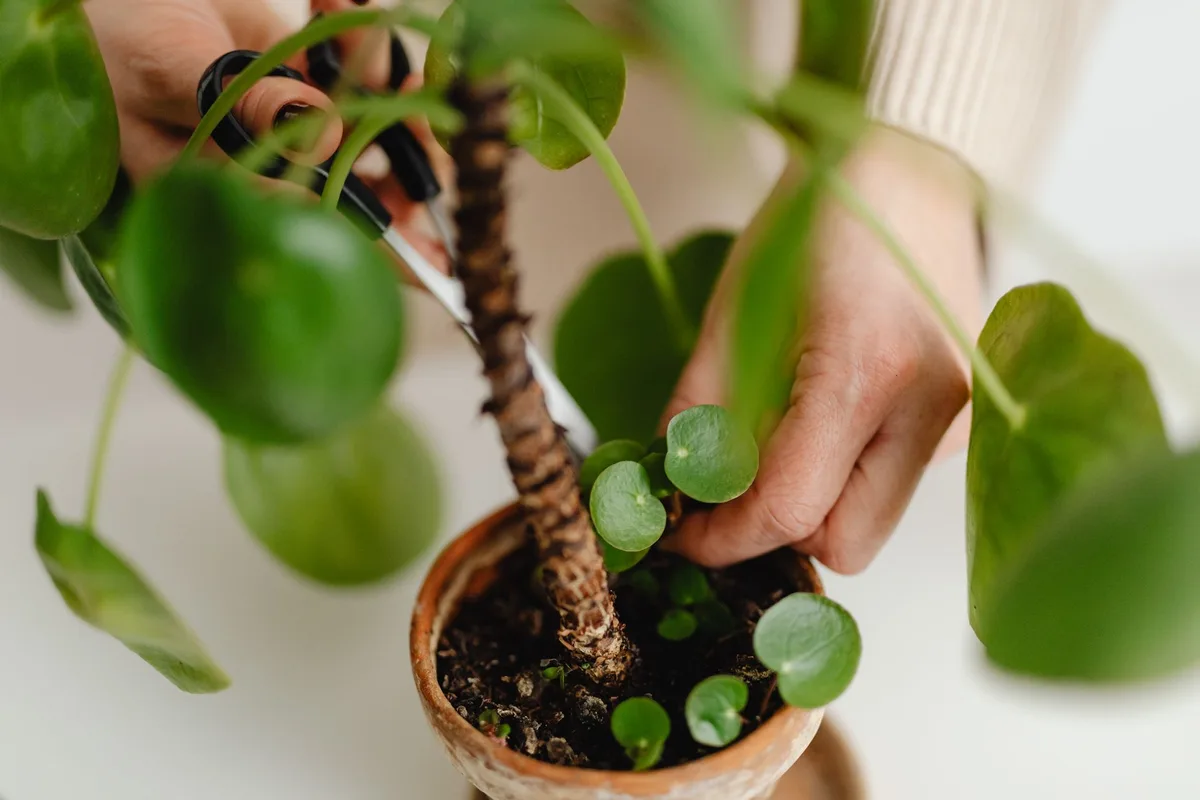
Think of these curling leaves as a distress signal. Understanding the specific pattern of the curl can help you quickly narrow down the potential causes, saving you time and preventing unnecessary fussing.
Spotting the Curl: Different Looks, Different Causes
The way a new leaf curls is often more informative than you might think. A tight inward curl might point to a different problem than leaves that curl upwards or develop crispy edges.
- Tight Inward Curl: This often suggests the plant is desperately trying to conserve moisture. It’s a sign of thirst.
- Upward Cupping or Curling: This can indicate stress, often from too much direct sunlight trying to scorch the leaves, or sometimes from pests.
- Wilting and Curling with Yellowing: This combination is a classic sign of overwatering, where the roots are suffering and can't support healthy growth.
By paying close attention to these visual nuances, you can jump straight to the most likely solutions.
Common Culprits Behind the Curl
Most of the time, your Pilea's curling leaves point to one of a few basic environmental needs not being met. As of 2026, horticulturalists emphasize that consistency is key for these plants.
These core needs revolve around how, when, and where the plant receives its essentials: water, light, and a stable atmosphere. When these are out of balance, the plant shows it through its growth, especially those vulnerable new leaves.
Watering Woes: Too Much or Too Little?
Water is life, but for plants like the Pilea, it’s a delicate balance that’s easily tipped. Both extremes, too little and too much, can lead to those unwelcome curly leaves.
Underwatered Signs: Dry Soil & Inward Curls
When your Pilea doesn't get enough water, it’s literally starving for moisture. The plant’s cells start to lose turgor pressure, and its primary survival mechanism is to reduce water loss. This means pulling back, hence the curling.
You'll often find the soil is bone dry, perhaps even pulling away from the sides of the pot. It’s a common mistake for new plant parents to wait until the soil looks visibly dry, which can sometimes be too late for severely underwatered plants.
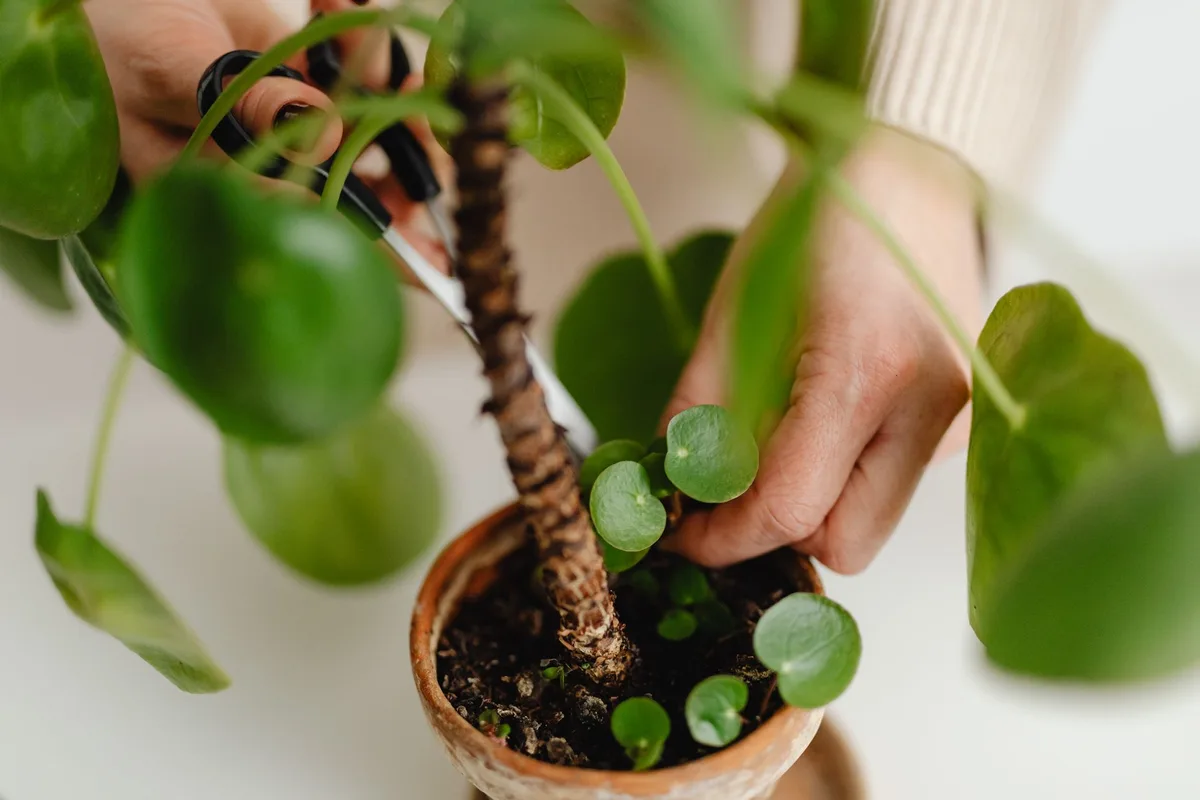
- Soil dryness: Check the soil with your finger. If it feels dry about an inch or two down, it’s time to water.
- Leaf appearance: Leaves often feel limp and may droop before they start to curl inwards.
- Plant recovery: Underwatered plants usually bounce back relatively quickly once watered, though severely dried-out leaves may not recover their plumpness.
This is a situation where consistent watering becomes a key part of plant maintenance, much like ensuring a proper oil level is maintained in machinery to prevent damage.
Overwatered Signs: Soggy Soil & Distorted Leaves
Ironically, too much water can also cause leaves to curl, but the symptoms are often more dramatic and concerning. When the soil stays consistently wet, the roots can't access oxygen. This leads to root rot, a serious condition where the roots begin to decay.
Damaged roots can’t effectively absorb water or nutrients, paradoxically causing the plant to wilt and its leaves to curl, often accompanied by yellowing. Overwatering is a very common pitfall, especially if a pot lacks adequate drainage or if the plant is in a low-light spot where it uses water much slower.
- Soil saturation: The soil feels constantly wet, and water may pool on the surface or take a very long time to drain.
- Leaf issues: New leaves might be distorted, limp, and develop yellow patches. Older leaves can also yellow and drop.
- Root health: If you suspect overwatering, gently tip the plant out of its pot. Healthy roots are firm and white; rotting roots are dark, mushy, and may smell foul.
Light Levels: Finding the Pilea's Sweet Spot
Pileas are technically tropical understory plants, meaning they thrive in bright, indirect light. Mimicking this environment indoors is crucial for their best growth, and light imbalances are frequent causes of curling leaves.
Not Enough Light: Stretched Growth & Small Leaves
If your Pilea isn’t getting enough brightness, it will try its best to reach for whatever light is available. This is called etiolation. You'll notice the stems become long and leggy, stretching noticeably towards a window.
The leaves, especially new ones, might appear smaller than usual and can sometimes develop a slight curl or distortion as the plant struggles to photosynthesize efficiently with limited light energy. This stretching is the plant’s way of asking for more light, and consistent growth issues can sometimes be resolved with better light exposure.
- Observe stem growth: Look for thin, elongated stems.
- Check leaf size: New leaves may be significantly smaller than mature ones.
- Repositioning: Moving the plant to a brighter location is the primary solution.
Too Much Direct Sun: Scorched & Upward Curls
While they love bright spaces, Pileas can easily get sunburned if placed in harsh, direct sunlight for too long, especially during the hottest parts of the day. The plant's response to this intense solar radiation is often to protect itself. Newer leaves might curl upwards, almost like a cup, to reduce the surface area exposed to the sun’s damaging rays.
You may also see brown, crispy patches appearing on the leaves themselves, which is a sign of scorching.
- Leaf posture: Watch for leaves that are cupping or curling towards the sky.
- Sunburn signs: Look for brown, dry, or papery spots on the leaves.
- Relocation is key: Move the plant away from direct sunbeams, perhaps behind a sheer curtain or to a spot that receives only morning sun.
Environmental Stresses: Humidity & Temperature
Beyond water and light, the surrounding air quality can significantly impact your Pilea's new growth. These plants, native to subtropical environments, appreciate a certain level of atmospheric moisture and dislike abrupt shifts in temperature.
Dry Air Effects
In many homes, particularly during winter when heating systems run, indoor humidity levels can plummet. Very dry air can stress your Pilea, causing its delicate new leaves to curl or even develop dry, crispy brown edges. This happens because the plant is losing moisture too rapidly from its leaves through transpiration.
Addressing this often involves simple adjustments to its environment, similar to managing airflow in a grow room for optimal conditions. Consider using a pebble tray filled with water, misting lightly, though consistency is key here, or grouping plants together to create a microclimate.
Drafts and Heat
Pileas prefer a stable temperature, generally between 65-75°F (18-24°C). Placing them near heating or air conditioning vents, drafty windows, or doors can subject them to sudden, extreme temperature fluctuations. These rapid changes stress the plant, which can manifest as curled or unhealthy-looking new leaves.
It's best to find a spot where the temperature remains relatively consistent throughout the day and night.
The Tiny Invaders: Pests to Watch For
Sometimes, the curling isn't due to environmental factors at all, but rather the work of minuscule pests that are often overlooked until damage is significant. Regular inspection is your best defense against these small but mighty troublemakers.
Spider Mite Webbing & Distortion
Spider mites are tiny arachnids that feed on plant sap. They are incredibly small, often almost invisible to the naked eye, but their presence is usually given away by fine, silken webbing, particularly on the undersides of leaves and along stems. As they feed, they damage the plant cells, leading to stippling (tiny yellow or white dots) and significant distortion, including curling of the leaves.
Their presence can escalate quickly, making early detection vital.

- Look for webbing: This is often the first visual clue.
- Inspect undersides: Many pests hide where they won't be disturbed.
- Check for stippling: Tiny dots on leaves indicate sap-sucking activity.
If you find spider mites, isolate the plant immediately to prevent them from spreading to other houseplants, much like you would separate a malfunctioning piece of equipment to prevent it from affecting a whole system.
Aphid Clusters & Sticky Residue
Aphids are another common sap-sucking pest that can cause leaf curling. These small, soft-bodied insects often cluster in groups, particularly on tender new growth and the undersides of leaves. They feed by piercing plant tissues and drawing out sap, which can weaken the plant and cause new leaves to become misshapen and curl.
Aphids also excrete a sticky, sugary substance called honeydew, which can attract sooty mold and further stress the plant.
- Visual clusters: Watch for small, often green or black, insects grouped together.
- Sticky substance: A shiny, sticky residue on leaves or surfaces below the plant is a tell-tale sign of aphids.
- New growth focus: They tend to target the most vulnerable parts of the plant.
Other Potential Issues: Fertilizer & Nutrients
While less common than watering, light, or pest problems, imbalances in nutrients can also affect how new Pilea leaves develop. Understanding fertilizer is like knowing what kind of fertilizer for grass to use; the wrong type or amount can do more harm than good.
- Over-fertilizing: Applying too much fertilizer, too often, or at full strength can cause a condition known as fertilizer burn. This damages the plant's roots, impairing their ability to function and leading to symptoms like leaf tip burn, wilting, and curling. It's generally recommended to fertilize sparingly, perhaps only once a month during the growing season with a diluted solution, and to observe the plant’s response.
- Nutrient Deficiency: Conversely, if a plant hasn't been repotted in a long time or is in nutrient-poor soil, it might lack essential elements. This can lead to stunted growth and deformed leaves, as the plant simply doesn't have the building blocks needed for healthy development. This makes proper lawn fertilization timing important for plant health.
Fixing the Curl: A Step-by-Step Approach
When you discover your Pilea's new leaves are curling, there’s a methodical way to address it and help your plant recover. This process focuses on observation and making targeted adjustments rather than random guesses. Following these steps helps ensure you’re addressing the actual problem.
First Steps: Checking the Basics (Soil & Light)
Step 1: Assess Soil Moisture
The very first thing to do is check the soil's moisture level. Stick your finger about two inches into the potting mix. If it feels dry, your plant is likely thirsty and needs watering.
If it feels wet or soggy, you might be overwatering, and the roots could be at risk of rot.
Step 2: Evaluate Light Conditions
Observe where your Pilea is located. Is it getting direct, harsh afternoon sun? If so, it might be getting scorched.
Is it in a dimly lit corner? If so, it might be stretching for light. Determine if the current light it receives is bright, indirect, or insufficient.
Adjusting Your Plant's Environment
Step 3: Tweak Your Watering Routine
Based on your soil moisture assessment, adjust your watering schedule. If underwatered, water thoroughly until water drains from the bottom, then discard any excess water from the saucer. If overwatered, hold off on watering until the soil is drier, and ensure the pot has good drainage.
Don't let it sit in standing water.
Step 4: Optimize Light Exposure
If light seems to be the issue, move your Pilea. If it was in too much direct sun, relocate it to a spot with bright, indirect light. If it wasn't getting enough light, move it closer to a window, but still avoid extreme direct sun.
An east-facing window is often ideal.
Step 5: Boost Humidity (If Needed)
If you live in a dry climate or your home heating system dries out the air significantly, consider increasing humidity. You can group plants together, place the pot on a tray filled with pebbles and water (making sure the pot isn't sitting directly in the water), or use a small humidifier.
Step 6: Stabilize Temperature
Ensure your Pilea is not exposed to drastic temperature fluctuations. Keep it away from drafty windows, doors, and heating or cooling vents, aiming for a consistently comfortable room temperature.
Dealing with Pests: Identification and Treatment
If you suspect pests, a systematic approach is best.
Identifying the Culprit
Carefully inspect the plant, especially the undersides of leaves, stems, and new growth. Look for webbing (spider mites), clusters of small insects (aphids), or any other unusual small creatures. If you can't identify them, gently wipe a section of the leaf with a damp cloth and see if any residue or tiny flecks come off.
Treatment Options
For mild infestations of spider mites or aphids, gently wiping the leaves with a damp cloth can often remove them. If the infestation is more severe, insecticidal soap or neem oil is effective. Always follow product instructions carefully, test on a small area first, and ensure good ventilation.
Isolate the affected plant to prevent spread.
When to Consider Other Factors: Fertilizer & Nutrients
While the most common reasons for curling leaves stem from watering and light, it's also worth considering your Pilea's diet. A plant's ability to grow healthy new leaves is directly tied to the availability of essential nutrients. This is similar to how a lawn needs specific nutrients at the right time of year, for instance, what fertilizer to use in spring.
- Over-fertilizing: Too much of a good thing can be detrimental. Applying fertilizer too frequently or at full strength can burn the Pilea's sensitive roots. This damage hinders water and nutrient uptake, leading to curled, scorched, or yellowing leaves. It’s wise to dilute liquid fertilizers to half strength and only apply them during the active growing season, typically spring and summer.
- Nutrient Deficiency: On the flip side, a Pilea that hasn't been repotted in a while might have depleted the nutrients in its potting mix. If the plant is showing general signs of poor growth, small leaves, and a lack of vigor, a deficiency could be the cause. Repotting into a fresh, quality potting mix usually solves this by providing a balanced, slow-release nutrient source.
Common Mistakes to Avoid When Fixing Curls
It's easy to jump to conclusions or try too many solutions at once, which can be more harmful than helpful. Understanding common missteps can save your Pilea from unnecessary stress.
- Overwatering as a "fix": Don't assume curling automatically means your plant needs more water. If the soil is already wet, adding more will only worsen root rot and exacerbate the problem. Always check soil moisture first.
- Repotting into too large a pot: While fresh soil is good, a pot that's excessively large can lead to the soil staying wet for too long, increasing the risk of overwatering and root rot. Aim for a pot that's only one or two inches larger in diameter than the current one.
- Using household cleaners on leaves: Avoid using furniture polish or harsh household cleaners on your Pilea's leaves. These can clog the leaf pores and damage the plant's surface. Gentle wiping with a damp cloth is sufficient for cleaning.
Expert Tips for a Happy Pilea
Professional growers and experienced hobbyists often rely on a few simple, consistent practices to keep their Pileas thriving and leaf curl at bay. These tips focus on proactive care rather than reactive problem-solving, mirroring the approach for effective lawn roller use.
- Consistency is key: Pileas prefer a steady routine. Try to water when the top inch or two of soil is dry, and keep light and temperature as stable as possible. This predictability helps the plant thrive.
- Observe closely: Make it a habit to look at your plant regularly. Check the soil, leaves, and stems for any changes. Early detection of issues like pests or dryness makes them much easier to fix.
- Choose the right pot: Ensure your pot has drainage holes. This is non-negotiable for preventing root rot. A light-colored pot can also help keep the roots cooler than a dark one, which is a factor in plant health.
- Don't fear pruning: If a stem becomes leggy or a leaf is severely damaged, don't hesitate to prune it back. This encourages bushier growth and redirects the plant's energy into producing healthy new foliage.
Next Steps: Monitoring Your Pilea's Recovery
After you've identified the cause of the curling and implemented a solution, be patient. Plants don't always show immediate results. Continue to monitor your Pilea closely for the next few weeks.
Watch for new growth to unfurl without curling. If the existing curled leaves don't unfurl or show signs of improvement, they may eventually be shed by the plant. This is normal as the plant redirects its energy into new, healthy growth.
If the problem persists despite your best efforts, re-evaluate the situation, perhaps considering a pest re-check or a slight adjustment to watering or light, very much like troubleshooting lawn mower air filter issues.
Frequently Asked Questions
Why are my Pilea's new leaves small and curled?
Small, curled new leaves often indicate the plant is not receiving enough light. It could also be a sign of underwatering, as the plant conserves moisture by limiting growth.
Can a curled Pilea leaf uncurl?
Sometimes, if the curling is due to temporary underwatering or minor stress, the leaf may unfurl as the plant recovers. However, if the curl is due to significant damage, pests, or overwatering that has affected root health, the leaf may not fully recover and might eventually be shed.
How often should I water my Pilea?
Water your Pilea when the top 1-2 inches of soil feel dry to the touch. This typically means watering roughly once a week, but it can vary greatly depending on light, temperature, pot size, and humidity. Always check the soil before watering.
Is it normal for Pilea leaves to curl slightly?
A very slight, natural inward cupping of mature leaves can sometimes be normal for some Pilea varieties, as they mature. However, significant curling on new growth, especially combined with other symptoms like yellowing or spotting, usually indicates an issue that needs addressing.
Real Scenarios: What Might Be Happening?
Sometimes, seeing how these curling issues play out in real situations can help you pinpoint the exact problem with your Pilea. These are common scenarios our research team has noted.
- The "Accidental Overwaterer": Sarah loved her Pilea, but she watered it religiously every Sunday, regardless of soil moisture. Soon, her new leaves started coming out small and distorted, with yellowing edges. The soil was always damp. This is a classic case where consistent watering frequency overwhelmed the plant's needs, leading to root issues and stunted growth.
- The "Sunny Spot Seeker": Mark placed his Pilea in a bright, south-facing window, thinking more sun meant a happier plant. Within days, the new leaves curled upwards tightly, and some developed brown, crispy spots. The direct sun was too intense, causing the leaves to try and protect themselves.
- The "Drought Survivor": Emily went on vacation for two weeks, forgetting to ask anyone to water her Pilea. When she returned, the soil was like dust, and all the new leaves were curled inwards and looked limp. This extreme thirst caused the plant to conserve moisture by curling its foliage.
FAQs
Why are my Pilea's new leaves small and curled?
Small, curled new leaves often indicate the plant is not receiving enough light. It could also be a sign of underwatering, as the plant conserves moisture by limiting growth.
Can a curled Pilea leaf uncurl?
Sometimes, if the curling is due to temporary underwatering or minor stress, the leaf may unfurl as the plant recovers. However, if the curl is due to significant damage, pests, or overwatering that has affected root health, the leaf may not fully recover and might eventually be shed.
How often should I water my Pilea?
Water your Pilea when the top 1-2 inches of soil feel dry to the touch. This typically means watering roughly once a week, but it can vary greatly depending on light, temperature, pot size, and humidity. Always check the soil before watering.
Is it normal for Pilea leaves to curl slightly?
A very slight, natural inward cupping of mature leaves can sometimes be normal for some Pilea varieties, as they mature. However, significant curling on new growth, especially combined with other symptoms like yellowing or spotting, usually indicates an issue that needs addressing.