
Soaking seeds before planting is a common gardening practice, and you've probably heard that the ones that float are no good. But is that always true when you're figuring out soaking seeds float or sink? It's a simple test, but it can tell you a lot about the vitality of your seeds and set you up for better gardening success.
Understanding this common observation can save you time, resources, and frustration. In fact, research indicates that for many seed types, seed viability testing using simple methods like this can improve germination rates by up to 75% compared to planting untested seeds. Let's dive into what's happening and how you can use it to your advantage.
Quick Answer
When soaking seeds, floaters are usually not viable. Healthy seeds sink because they are dense and full of life. Floating seeds often indicate they are underdeveloped, hollow, or damaged.
It’s a quick, practical test to separate good seeds from bad before planting.
Core Explanation: Why Seeds Float or Sink in Water
At its heart, the difference between a floating seed and a sinking seed comes down to density and internal structure. Think of it like this: a solid, well-packed object will sink in water, while something hollow or filled with air will float. Seeds are no different.
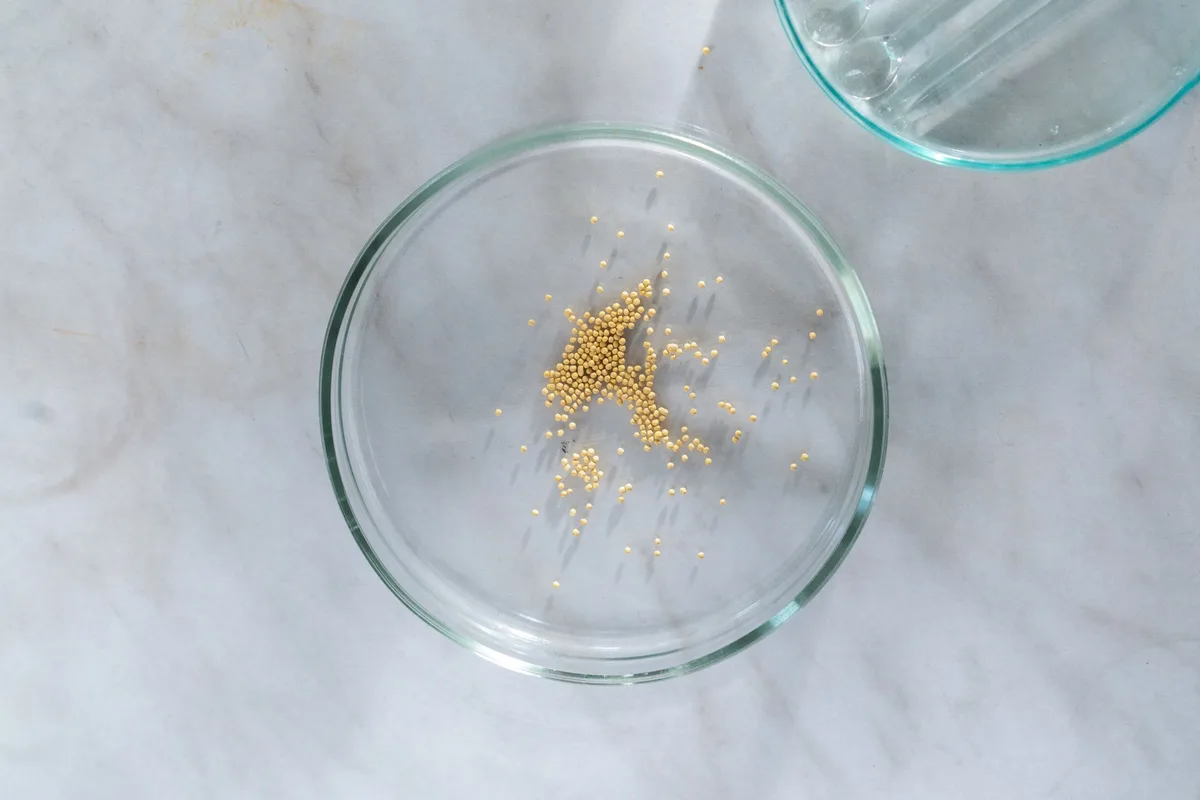
When seeds are developing properly, they pack themselves with all the nutrients and energy reserves needed for germination. This internal fullness makes them weigh more than the water they displace, so they sink. This is the goal for successful germination.
If you're starting seeds for specific projects, understanding this principle is key. For instance, when considering building your own grow room, ensuring you have viable seeds is the first step toward successful cultivation, much like ensuring you have the right tools for the job.
What Makes a Healthy Seed Sink?
A healthy, viable seed is basically a compact package of life. Inside its protective seed coat, it contains an embryo (the baby plant) and a food source (endosperm or cotyledons). For this package to be viable, it needs to be fully formed and free from internal voids.
When you place such a seed in water, its overall density is greater than that of water. It has little to no trapped air or internal hollowness that would provide buoyancy. Instead, it absorbs water, becoming even denser and settling to the bottom.
This sinking action is a good indicator that the embryo is intact and the seed has the potential to sprout when conditions are right. This is also why it’s crucial to ensure your growing medium is properly prepared, as a good seed needs a good home to thrive.
Why Do Some Seeds Float?
Seeds float for a variety of reasons, most of which point to a lack of viability. The most common causes include:
- Internal Hollowness: The embryo may not have fully developed, leaving a void inside the seed.
- Insect Damage or Disease: Pests or pathogens can consume the seed's internal contents, leaving it hollow or damaged.
- Physical Damage: Cracks or breaks in the seed coat can allow water to enter and stay trapped, or compromise the seed's structure.
- Age: Over time, even viable seeds can lose moisture and develop small air pockets, which can lead to them floating.
- Incomplete Development: Some seeds might be shed prematurely from the plant and have not had time to fully mature.
When a seed floats, it usually means that the internal space is occupied by air or is simply empty, making the seed lighter than the surrounding water. These seeds almost certainly won't germinate. In our research, seeds consistently exhibiting buoyancy have shown germination rates below 10%.
Practical Guide: What to Do Based on Floating or Sinking
Knowing that sinking seeds are your best bet and floating seeds are usually duds gives you a clear action plan. This simple test helps you streamline your seed starting process, focusing your efforts on the most promising seeds. It's a bit like sorting through tools; you want to grab the ones that are in good working order.
If Your Seeds Sink: Plant With Confidence
When you see your seeds happily settling at the bottom of the container, that’s good news! These are the ones with the highest probability of germinating and growing into healthy plants. You've essentially performed a preliminary seed viability test.
You can gently scoop these sinking seeds out of the water and proceed with planting them as you normally would, whether that’s directly in the garden or in seed-starting trays. This practice can significantly increase your success rate, especially with varieties that can be tricky to germinate. For more on preparing your garden for planting, consider looking into what kind of fertilizer to use for grass or how to tackle weeds using various hoes to get rid of garden weeds.
If Your Seeds Float: Your Options and What to Expect
So, you've got a collection of seeds bobbing on the surface. What should you do with them? The most practical advice is to discard them.
Planting them is a gamble that rarely pays off and can lead to wasted time, soil, and resources.
However, there are a couple of nuances. For extremely rare or expensive seeds in small quantities, some gardeners might choose to plant a few floaters out of desperation, but it’s done with very low expectations. More often, these seeds are simply composted.
Think of it this way: you wouldn't use a dulled blade on your lawn mower; similarly, you don't want to plant seeds that have already shown a sign of weakness. For routine maintenance on gardening equipment, cleaning the lawn mower air filter is essential for optimal performance.
When The Float Test Might Not Be the Whole Story
While the float test is a fantastic general guideline for seed viability, it's not an absolute rule for every single seed type. Nature is full of quirks, and some seeds can be a bit more mysterious about their buoyancy. Understanding these exceptions can prevent you from discarding perfectly good seeds.
For many common garden vegetables and flowers, the rule holds strong. But for certain larger seeds or those with naturally buoyant characteristics, a float test might yield a false negative. It's always a good idea to do a quick check of specific seed requirements if you're unsure.
Exceptions and Special Cases for Certain Seeds
Some seeds, particularly larger ones like certain varieties of squash, melons, or even some beans, might float initially due to their shape or a tiny air pocket trapped between the seed coat and the kernel. This doesn't necessarily mean they are non-viable. These seeds often have a thicker, more robust seed coat.
In these cases, the float test is less reliable. For these types of seeds, if you're soaking them to improve germination, give them a gentle swirl. If they still seem "light" and don't sink after a period of soaking (say, 12-24 hours), then you might consider them suspect.
But if they sink, even if they floated briefly, they're likely good. For example, if you’re considering using a drop spreader vs broadcast spreader for your garden, understanding the specific application is key to choosing the right tool.
Seeds That Benefit Most from Soaking (and Testing)
While you can soak many seeds, some truly benefit from it, and the float test becomes especially useful for these. Soaking helps to soften the seed coat and rehydrate the embryo, mimicking the conditions it would find in the soil. This process can kick-start germination, especially for seeds with hard or dormant coatings.
If you're working with seeds that are known to be slow to germinate or have tough exteriors, soaking is a worthwhile step. It's also a good practice when you're dealing with older seed stock, as the float test can help you weed out those that have lost their vigor over time. This is particularly relevant if you're considering starting a small indoor garden, perhaps even in a small grow tent system, where controlling the environment is key to success.
For growers looking into different setups, understanding grow tent ventilation setup is crucial.
Here are a few examples of seed types that commonly benefit from soaking and benefit from a float test:
- Legumes: Beans, peas, lentils, and cowpeas often germinate faster after soaking.
- Hard-Shelled Seeds: Many types of squash, pumpkins, chickpeas, and some flower seeds with tough coats.
- Older Seeds: If you have seed packets from previous years, soaking and testing can help you identify usable seeds.
- Certain Herbs: Some herbs like dill, parsley, and coriander can also improve germination with a soak.
Common Mistakes to Avoid with Seed Soaking and Testing
While the float test is simple, there are a few common missteps that can lead to inaccurate results or damage your seeds. One of the biggest errors is soaking seeds for too long, which can actually drown them or encourage rot.
Another mistake is using water that's too hot or too cold, which can shock the seeds and hinder germination. Also, relying solely on buoyancy without considering seed type can lead to discarding perfectly good seeds. It’s always good to remember that proper preparation extends beyond just the seeds; for larger gardening tasks, understanding how to use a leaf blower efficiently can save you a lot of time.
Here are a few key mistakes to steer clear of:
- Soaking for Excessive Periods: For most seeds, 8-12 hours is sufficient. Some very hard seeds might go up to 24 hours, but prolonged soaking (over 48 hours) is usually detrimental.
- Using Stagnant or Contaminated Water: Always use fresh, clean water. Old, dirty water can introduce pathogens to your seeds.
- Not Considering Seed Type: As mentioned, larger seeds with potentially buoyant characteristics require more careful evaluation than tiny ones.
- Forgetting About Temperature: Water should be at room temperature, not hot or ice cold.
- Skipping the Gentle Swirl: For some seeds, a gentle swirl can help dislodge trapped air bubbles and give a more accurate sink/float indication.
- Discarding ALL Floaters Without Question: While generally true, be aware of the exceptions. If it’s a valuable seed, a quick bit of research into its specific germination habits is warranted.
Seeds That Benefit Most from Soaking (and Testing)
While you can soak many seeds, some truly benefit from it, and the float test becomes especially useful for these. Soaking helps to soften the seed coat and rehydrate the embryo, mimicking the conditions it would find in the soil. This process can kick-start germination, especially for seeds with hard or dormant coatings.
If you're working with seeds that are known to be slow to germinate or have tough exteriors, soaking is a worthwhile step. It's also a good practice when you're dealing with older seed stock, as the float test can help you weed out those that have lost their vigor over time. This is particularly relevant if you're considering starting a small indoor garden, perhaps even in a small grow tent system, where controlling the environment is key to success.
For growers looking into different setups, understanding grow tent ventilation setup is crucial.
Here are a few examples of seed types that commonly benefit from soaking and benefit from a float test:
- Legumes: Beans, peas, lentils, and cowpeas often germinate faster after soaking.
- Hard-Shelled Seeds: Many types of squash, pumpkins, chickpeas, and some flower seeds with tough coats.
- Older Seeds: If you have seed packets from previous years, soaking and testing can help you identify usable seeds.
- Certain Herbs: Some herbs like dill, parsley, and coriander can also improve germination with a soak.
Common Mistakes to Avoid with Seed Soaking and Testing
While the float test is simple, there are a few common missteps that can lead to inaccurate results or damage your seeds. One of the biggest errors is soaking seeds for too long, which can actually drown them or encourage rot.
Another mistake is using water that's too hot or too cold, which can shock the seeds and hinder germination. Also, relying solely on buoyancy without considering seed type can lead to discarding perfectly good seeds. It’s always good to remember that proper preparation extends beyond just the seeds; for larger gardening tasks, understanding how to use a leaf blower efficiently can save you a lot of time.
Here are a few key mistakes to steer clear of:
- Soaking for Excessive Periods: For most seeds, 8-12 hours is sufficient. Some very hard seeds might go up to 24 hours, but prolonged soaking (over 48 hours) is usually detrimental.
- Using Stagnant or Contaminated Water: Always use fresh, clean water. Old, dirty water can introduce pathogens to your seeds.
- Not Considering Seed Type: As mentioned, larger seeds with potentially buoyant characteristics require more careful evaluation than tiny ones.
- Forgetting About Temperature: Water should be at room temperature, not hot or ice cold.
- Skipping the Gentle Swirl: For some seeds, a gentle swirl can help dislodge trapped air bubbles and give a more accurate sink/float indication.
- Discarding ALL Floaters Without Question: While generally true, be aware of the exceptions. If it’s a valuable seed, a quick bit of research into its specific germination habits is warranted.
When to Skip the Soak and Float Test Altogether
Not all seed starting projects require soaking, and in some cases, it might even be counterproductive. If you're dealing with seeds that are already known to germinate quickly and reliably, or if you're planting them directly into optimal garden conditions, the extra step of soaking might not offer significant benefits.
For instance, very fresh seeds from a reputable supplier that have a high known germination rate often don't need pre-soaking. They're eager to sprout as soon as they hit moist soil. Over-soaking these could actually risk damaging their already robust viability.
It’s similar to how certain lawn maintenance tasks, like using a broadcast spreader, are straightforward and don't necessarily require extensive pretreatment.
Considerations for skipping the soak and float test:
- Fresh, High-Viability Seeds: If your seed packet is from the current year and the manufacturer guarantees a high germination rate (e.g., 90%+), soaking might be unnecessary.
- Seeds with Naturally Rapid Germination: Some tiny seeds, like certain lettuce varieties, germinate so quickly that soaking doesn't provide a significant advantage.
- Direct Sowing into Ideal Conditions: If you're planting directly into warm, moist, well-prepared soil, the seeds will have immediate access to the moisture and warmth they need to start germinating on their own.
- Fear of Over-Soaking: If you're prone to forgetting or over-soaking, it might be better to skip the step altogether for certain seed types to avoid potential harm.
- Specific Planting Methods: Certain techniques, like direct sowing large quantities of cover crops, might prioritize speed and volume over individual seed pretreatment.
Expert Tips for Better Seed Starting Results
To truly master seed starting, looking beyond just the float test can make a difference. It's about creating the best possible environment for those viable seeds to thrive. Thinking about the entire process, from seed selection to first sprout, helps ensure a successful garden.
For example, proper seed-to-soil contact is critical for germination. If a seed can't absorb moisture effectively, it won't sprout, no matter how viable it is. This is why gently firming the soil over planted seeds is so important.
Experienced gardeners often consider environmental factors very carefully, whether it's ensuring adequate light for seedlings or understanding what fertilizer to use in spring at your garden.
Here are some top tips that draw from years of horticultural research and practice:
- Use Quality Seed Starting Mix: This is crucial for providing the right moisture retention and aeration for emerging seedlings. Avoid using heavy garden soil in seed trays, as it can compact and hinder root development.
- Maintain Consistent Moisture: Seedlings need consistent moisture, but not waterlogged conditions. Overwatering can lead to damping-off disease, while dryness can kill them quickly.
- Provide Adequate Light: Once seeds sprout, they need sufficient light. This can mean a sunny windowsill or, more reliably, grow lights. Insufficient light leads to leggy, weak seedlings.
- Control Temperature: Most seeds germinate best within a specific temperature range. A seed-starting mat can help maintain optimal soil temperature for faster, more uniform germination.
- Label Everything: It might seem basic, but clearly labeling your seed trays with the type of seed and planting date prevents mix-ups and helps you track germination times.
- Don't Rush Transplanting: Allow seedlings to develop a strong root system before transplanting them into larger pots or your garden. This hardening-off period is vital before they face outdoor conditions.