
You've probably noticed some of your mint plant's leaves looking a bit pale, maybe even turning yellow. It's a common sight for gardeners, and figuring out the exact reason can sometimes feel like a puzzle. Thankfully, there's usually a straightforward explanation behind those sunny-hued leaves.
Our research indicates that mint plants, like all living things, signal their needs or distress through visible changes. When your mint starts yellowing, it's its way of communicating specific environmental or care-related issues. Understanding these signals is the first step toward getting your herb back to its vibrant, green self.
Quick Answer
Your mint plant is turning yellow because of an imbalance in its care, most commonly overwatering or underwatering. Other causes include insufficient light, pest infestations, nutrient deficiencies, or poor soil conditions. Inspecting the soil moisture, light exposure, and plant for pests are the immediate next steps.
The Mint Plant Yellow Leaf Detective: What's the Signal?
Looking at a yellow leaf on your mint plant is like getting a note from your plant friend. It's not necessarily a sign of doom, but it absolutely means something needs your attention. Think of it as a diagnostic tool.
If you've ever wondered why your mint leaves are turning yellow, it's usually because one or more of its basic needs aren't being met consistently.
As of 2026, horticultural research consistently points to a few key culprits. These signals are direct responses to the environment you're providing. Most of the time, these issues are entirely fixable with a few simple adjustments to your plant care routine.
We'll break down exactly what to look for so you can become a mint-whisperer.
Watering Issues: Too Much or Not Enough?
This is hands-down the most frequent reason for mint leaves turning yellow, and it's super easy to misdiagnose. Mint likes consistent moisture, but it absolutely hates soggy feet.
- Overwatering: This is a major stressor. When the soil stays too wet for too long, the roots can't get oxygen. They start to suffocate, and eventually, root rot can set in. This damage impairs the plant's ability to draw up water and nutrients, causing the lower leaves to turn yellow and often feel mushy. You might also notice a slightly musty odor from the soil.
- Underwatering: On the opposite end, if the soil dries out completely and stays that way for too long, the plant will start to shut down. To conserve energy and water, it sheds older leaves first, which then turn yellow and can become brittle. You'll likely see wilting along with the yellowing.
How to Check Soil Moisture Properly
Don't just guess! The best way to know if your mint needs a drink is to use your finger.
- Insert Your Finger: Gently push your index finger about 1 to 2 inches (2.5 to 5 cm) into the soil.
- Feel the Soil:
- If it feels damp, like a wrung-out sponge, you're probably good and don't need to water.
- If it feels dry and crumbly, it's time to water.
- If it feels soggy and water pools on the surface even after a while, you're likely overwatering.
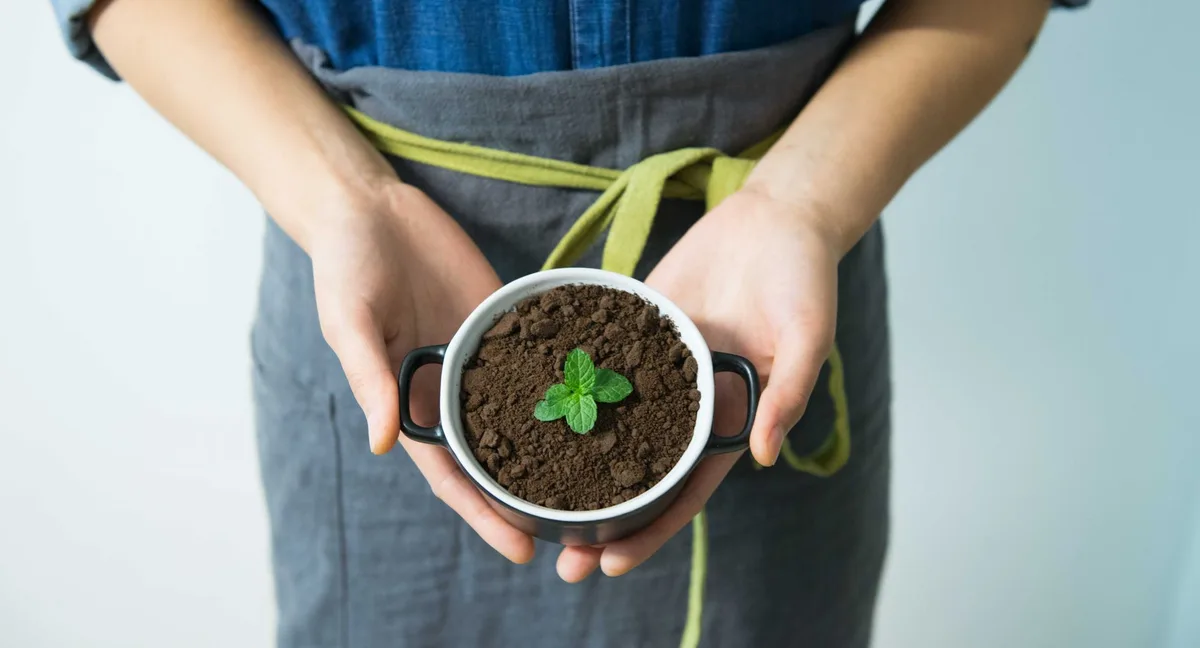
Make sure your pot has drainage holes. Without them, excess water has nowhere to go, leading straight to root rot and yellow leaves. Aim for pots that allow water to escape freely.
Light Levels: Is It Getting What It Needs?
Mint plants are sun-lovers, but like many things, too much or too little can cause problems. Getting the light balance right is key for those happy, green leaves.
Not Enough Sun? How To Tell And What To Do
If your mint is tucked away in a shady corner or hasn't been getting enough bright light for an extended period, it might start to look pale and yellow. Photosynthesis, the process where plants use sunlight to create energy, simply won't be sufficient. Aggregate reviews indicate this typically results in a more uniform yellowing across the plant, sometimes accompanied by weak, leggy growth as the plant stretches towards any available light.
- What to look for: Pale green leaves that gradually turn yellow, often without distinct spots. The plant might also look spindly.
- What to do: Move your mint to a brighter location. Most mint varieties thrive in spots that get at least 4 to 6 hours of direct sunlight per day. This could be a sunny windowsill or a spot on a patio that receives morning sun. If you're growing indoors and natural light is limited, consider supplementing with a grow light designed for plants. You can learn more about special considerations while building your own grow room if you're serious about indoor cultivation.
Too Much Sun? Recognizing and Preventing Sun Scorch
While mint loves sun, intense, direct rays, especially during the hottest part of the afternoon, can be too much. This is known as sun scorch. It's like a sunburn for your plant.
- What to look for: Leaves might turn a pale yellow, and you might see brown, crispy patches, particularly on the edges or tips of the leaves. They can look scorched. This can happen quickly if a plant that's used to shade is suddenly moved into full, blazing sun.
- What to do: If your mint is in a spot that gets scorching afternoon sun, it's best to provide some relief. Move it to a place where it gets bright, indirect light, or morning sun only, which is less intense. If it's in a container, you can easily move it. If it's in the ground, consider planting it near slightly taller plants that can offer some shade during the peak heat hours. This is similar to understanding what kind of fertilizer for grass to use when it comes to managing specific plant needs based on environment.
Hungry Mint? Checking Soil Nutrients
Even if your mint is getting the right amount of water and light, it can still turn yellow if it's not getting the right nutrients. Think of it as your plant needing a balanced diet. Soils can become depleted over time, especially if a plant is in the same pot for a long while.
- Nitrogen Deficiency: This is a very common cause of yellowing. Nitrogen is essential for producing chlorophyll, the green pigment that makes leaves photosynthesize. Without enough nitrogen, older leaves will often turn a uniform, pale yellow. This is a clear signal that the plant needs a boost.
- Other Nutrient Shortages: While less frequent than nitrogen, deficiencies in elements like iron, magnesium, or potassium can also lead to yellowing. Sometimes, you'll see specific patterns, like the veins of the leaf staying green while the rest turns yellow (interveinal chlorosis).
Feeding Your Mint: What, When, and How
If you suspect a nutrient issue, it's time to feed your plant.
- Fertilizer Choice: A balanced liquid fertilizer or a granular organic fertilizer designed for herbs or vegetables is usually a good choice. Look for one with a balanced NPK (Nitrogen, Phosphorus, Potassium) ratio. Many gardeners find success with compost as well; while it's not a quick fix like synthetic fertilizers, it improves soil structure and provides slow-release nutrients. You can compare compost vs fertilizer to see which suits your needs.
- Frequency: During the active growing season (spring and summer), feeding your mint every 4 to 6 weeks is generally sufficient. Avoid fertilizing during the plant’s dormant period in winter.
- Application: Always follow the instructions on the fertilizer packaging. It's crucial to dilute liquid fertilizers to the recommended strength, as over-fertilizing can actually harm your plant and cause more problems, including yellowing, burnt leaf tips, and reduced growth. If using a granular fertilizer, mix it into the top layer of soil according to the product's directions.
Pests and Diseases: Uninvited Guests
Sometimes, what looks like a simple watering issue is actually caused by tiny critters or microscopic agents that are harming your mint. It pays to be a good plant detective and take a close look.
- Spider Mites: These are tiny, almost invisible pests that thrive in dry conditions. They suck the sap from leaves, leaving behind little stippled yellow or white marks. If the infestation is bad, you might see fine webbing on the leaves and stems.
- Aphids: These small, soft-bodied insects often cluster on new growth and the undersides of leaves. They also feed on plant sap, which weakens the plant and can lead to yellowing, distorted leaves, and wilting.
- Fungal Issues: While mint is generally robust, poorly draining soil or very humid conditions can sometimes encourage fungal diseases. These can manifest as spots on the leaves that may start yellow and then turn brown or black.
What to Do If You Find Pests or Disease
- Inspect Closely: Gently turn over leaves and check the stems, especially new growth. Use a magnifying glass if needed.
- For Pests:
- For minor infestations, you can often wipe them off by hand or with a damp cloth.
- A strong spray of water from a hose can dislodge many pests.
- Insecticidal soap or neem oil spray is effective for more stubborn infestations. Always test on a small part of the plant first and apply in the cooler parts of the day.
- For Fungal Issues: If you see signs of fungal disease, improve air circulation around your plant. Trim away affected leaves and stems. Ensure you are not overwatering and that the soil drains well. Fungicides are an option, but preventative care and good growing practices are usually the best defense.
Refreshing Your Mint's Home: Soil and Potting
A plant's growing environment is as important as any other care factor. Over time, the soil can lose its nutrients and structure, and the plant can outgrow its container.
When and How to Repot Your Mint
Mint plants grow quite vigorously, and they can quickly become root-bound. This is when the roots fill the entire pot, circling around the edges. A root-bound plant struggles to absorb water and nutrients because there's simply no room left for healthy root growth.
- Signs of Being Root-Bound:
- Roots are visibly growing out of the drainage holes.
- The plant dries out very quickly, even when watered properly.
- Growth seems hindered or stunted.
- The soil pulls away from the sides of the pot when dry.
- Repotting Guide:
- Choose a New Pot: Select a pot that is 1-2 inches larger in diameter than the current one. Make sure it has drainage holes!
- Prepare New Soil: Use a fresh, well-draining potting mix. You can enhance drainage by adding perlite or coarse sand.
- Remove Plant: Gently ease the mint plant out of its old pot. If it's stuck, you might need to run a knife around the inside edge.
- Loosen Roots: If the roots are tightly matted, gently tease them apart with your fingers or a small tool. This encourages new root growth into the fresh soil.
- Plant in New Pot: Place the plant in the new pot so the top of the root ball is about an inch below the rim. Fill in around the sides with the new potting mix, pressing down lightly to remove air pockets.
- Water Thoroughly: Water the newly repotted plant well to help settle the soil.
The Importance of Good Drainage
We've mentioned it a few times, but it bears repeating: drainage is crucial. Mint plants need consistently moist soil, but not waterlogged soil. If your pot doesn't have drainage holes, or if the soil you're using is too heavy and compacts easily, water can't escape.
This leads to a lack of oxygen for the roots and can cause them to drown and rot, a primary driver of yellowing leaves. A good quality potting mix, perhaps combined with perlite or small gravel, will ensure excess water flows away, keeping your mint's roots happy and healthy. This also relates to general garden maintenance, similar to how to clean a lawn mower air filter to ensure optimal function of a tool.
Your Mint's Yellow Leaf Action Plan: Step-by-Step Diagnosis
Now that we've covered the main reasons for yellowing leaves, let's put it all together into a clear plan. This process is designed to help you systematically identify the problem with your mint plant. Think of it as a troubleshooting guide where each step eliminates a possibility.
If you've tried basic care and are still seeing yellow leaves, it’s time to get methodical. This approach helps avoid jumping to conclusions. For instance, if you think it's overwatering but your soil is bone dry, you're barking up the wrong tree.
We need to check the most likely causes first.
Check Soil Moisture: This is always step one. Stick your finger into the soil about an inch or two down. Is it wet, damp, or dry?
- If Wet: You're likely overwatering. Let the soil dry out significantly before watering again. Ensure good drainage.
- If Dry: You're likely underwatering. Give the plant a good soak until water runs from the drainage holes. Then, adjust your watering schedule.
- If Damp: Proceed to the next step.
Assess Light Exposure: Where is the plant located? Is it getting too much direct, harsh sun, or not enough light throughout the day?
- Too Much Sun: Look for pale leaves or crispy brown edges. Move the plant to a spot with less intense light.
- Too Little Sun: Look for pale, uniform yellowing and potentially leggy growth. Move the plant to a brighter location, aiming for 4-6 hours of direct sun daily.
Inspect for Pests: Get up close and personal with your plant. Look on the undersides of leaves, stems, and where leaves meet the stem.
- Visible Pests (Aphids Spidermites): If you spot any, address them immediately with insecticidal soap or a strong water spray as described earlier.
- No Visible Pests: Move on to the next checks.
Consider Soil Health and Nutrients: When was the last time you repotted or fertilized? Old, compacted soil needs refreshing. If it's been months since feeding, a diluted liquid fertilizer might be in order. This can help if the yellowing is consistent across older leaves.
Common Mint Care Mistakes That Cause Yellow Leaves
Sometimes, even with good intentions, gardeners make a few common blunders that lead to unhappy, yellow mint. Recognizing these pitfalls can save your plant a lot of stress. These mistakes often stem from misunderstanding mint's specific needs.
- Over-Reliance on Deadheading: While pruning is great, simply snipping off the top doesn't guarantee overall plant health. If the lower leaves are yellowing due to root issues or poor light, the plant won't magically perk up from pruning alone. It's important to address the root cause, not just the symptom.
- Using the Wrong Potting Mix: Some standard potting soils hold too much moisture, which is a death sentence for mint's sensitive roots. Always opt for a well-draining mix, perhaps one specifically formulated for herbs or succulents. Adding perlite or sand can improve aeration significantly.
- Ignoring Seasonal Changes: Mint grows most vigorously in spring and summer. During fall and winter, its growth slows down. Watering and feeding habits should adjust accordingly. Overwatering in winter when the plant is dormant is a classic mistake that leads to yellowing and rot.
Quick Tips for Keeping Your Mint Lush and Green
Beyond diagnosing yellow leaves, a few proactive strategies can keep your mint thriving. These are simple habits that contribute to overall plant vitality. Consistent application prevents many common problems before they start.
- Provide Good Air Circulation: Mint plants benefit from a gentle breeze. Good airflow helps prevent fungal diseases and can deter some pests. If your plant is in a crowded indoor space, consider a small fan on a low setting.
- Fertilize Appropriately: As mentioned, feed your mint every 4-6 weeks during the growing season with a diluted liquid fertilizer. This ensures it has the nutrients it needs for healthy, green foliage. Use what is classified as a common garden fertilizer, not something specialized for high-tech hydroponic systems unless you are using them.
- Observe Regularly: Make it a habit to check on your mint plant every few days. Look at the leaves, feel the soil, and check for any signs of stress. Catching problems early is always easier than fixing a major issue later. This diligence is key to successful indoor gardening, whether you're growing herbs or setting up a grow tent ventilation setup.
Frequently Asked Questions
How often should I water my mint plant?
Water your mint plant when the top inch or two of soil feels dry to the touch. This usually means watering every 1-3 days for potted plants in warm conditions, less often in cooler weather or for plants in the ground. Check the soil moisture regularly.
Can I use regular garden soil for my potted mint?
It's best to use a well-draining potting mix specifically formulated for containers or herbs. Regular garden soil can compact too much in pots, hindering drainage and suffocating the roots, which leads to problems like yellowing leaves.
What should I do if my mint plant is wilting and yellow?
Wilting and yellowing usually indicates either severe underwatering or root rot from overwatering. First, check the soil moisture. If it's bone dry, water thoroughly.
If it's soggy, let it dry out completely and check for signs of root rot (mushy roots, bad smell).
How much sunlight does mint need?
Mint generally needs at least 4 to 6 hours of direct sunlight per day to thrive. While it can tolerate some shade, insufficient light often leads to pale, yellow leaves and weak growth. Avoid scorching afternoon sun if your climate is very hot.