Thinking about greening up your space or boosting your veggie patch, and wondering if your EBT card can help make it happen at Walmart? It’s a common question for many SNAP recipients looking for ways to stretch their benefits. The answer isn't a simple yes or no, as it really depends on the type of plant you're hoping to purchase.
The core principle behind EBT (Electronic Benefits Transfer) is to provide funds for eligible food items, helping individuals and families purchase groceries. As of 2026, this guiding principle remains central to what can and cannot be bought. Our research indicates that specific criteria determine plant eligibility, and understanding these can save you a trip or a checkout surprise.
Quick Answer
You can buy eligible food-producing plants with EBT at Walmart. Non-food-producing ornamental plants are not eligible. SNAP eligibility focuses on items intended for consumption.
Produce items, seeds, and plants that grow food are generally allowed. Decorative flowers or houseplants typically are not.
EBT and Plants: What's the Deal?
EBT is the system used by the Supplemental Nutrition Assistance Program (SNAP) to provide eligible households with funds to purchase food. The U.S. Department of Agriculture (USDA) oversees SNAP, setting guidelines for what constitutes an eligible food item.
These rules are designed to ensure that federal benefits are used for nutritional needs.

When it comes to plants, the critical factor is their intended use. Are they meant to supplement your diet, or are they purely for decoration? This distinction is what the USDA and retailers like Walmart use to determine EBT eligibility.
While Walmart does accept EBT for a wide range of grocery items, their plant selection has specific limitations based on these federal guidelines.
The Big Difference: Food-Producing vs. Ornamental Plants
The fundamental difference that dictates whether a plant can be bought with EBT boils down to its purpose: consumption versus decoration. This categorization is the most crucial aspect for SNAP beneficiaries to understand when shopping at any retailer, including Walmart. Ignoring this often leads to confusion at the checkout.
What Kinds of Plants Qualify for EBT?
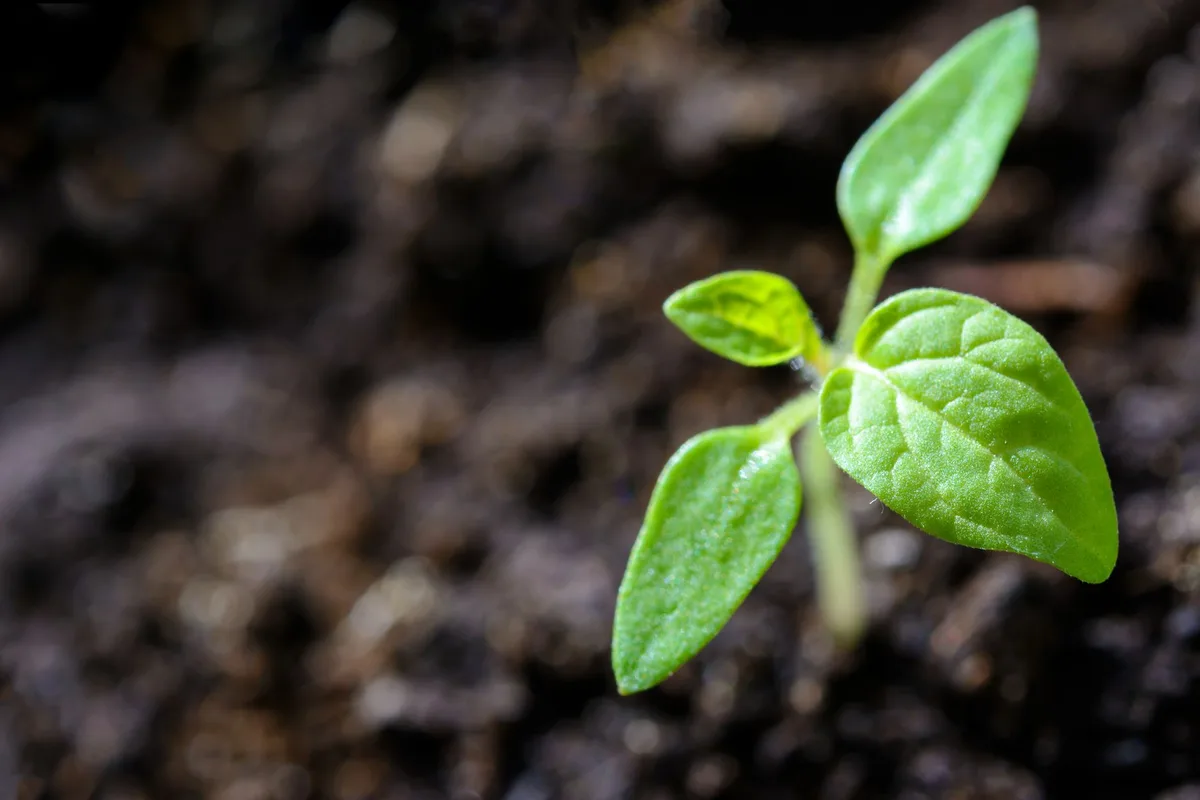
Nourishment is the primary goal of SNAP benefits, so plants that directly contribute to your food supply are typically eligible. This includes any plant intended to produce edible fruits, vegetables, herbs, or nuts. Think of them as the starting point for a future meal you'll grow yourself.
- Vegetable Seedlings: These are young plants ready to be transplanted into a garden. Examples include tomato, pepper, cucumber, lettuce, broccoli, and cabbage starts.
- Herb Plants: Many common culinary herbs like basil, parsley, cilantro, rosemary, and mint are eligible.
- Fruit-Bearing Plants: This covers items like strawberry plants, blueberry bushes, raspberry canes, and potentially small fruit trees if they are specifically sold for home fruit production.
- Edible Flower Starts: If the plant is specifically grown for its edible flowers, such as nasturtiums or pansies, they may also qualify.
Essentially, if you can harvest and eat a part of the plant, or if the plant itself is the food item (like a potato plant meant to yield potatoes), it is generally considered an eligible EBT purchase.
What Kinds of Plants DON'T Qualify for EBT?
On the flip side, plants that are primarily for aesthetic purposes, are not intended for consumption, or are classified as general merchandise are ineligible for EBT. These are the plants that add beauty to your home or garden but don't end up on your plate.
- Ornamental Flowers: Annuals and perennials grown for their blooms, like roses, tulips, daisies, petunias, and marigolds (unless specifically culinary varieties).
- Houseplants: Indoor plants generally not meant for eating, such as ferns, succulents, pothos, or snake plants.
- Decorative Shrubs and Trees: Non-fruiting or non-vegetable trees and bushes intended for landscaping.
- Planting Supplies: Critically, items like soil, compost, pots, planters, fertilizers, pesticides, gardening tools, and watering cans are not food items and therefore cannot be purchased with EBT. These are considered general merchandise.
The distinction is clear: if the plant's main purpose is to be eaten or to produce something edible, it's likely eligible. If its purpose is purely decorative or functional for gardening tasks, it is not.
How to Figure It Out at Walmart
Navigating the aisles at Walmart with your EBT card in hand can sometimes bring up questions, especially when it comes to items like plants that fall into a gray area. Thankfully, there are straightforward methods to ensure you're making eligible purchases and avoiding any surprises at the register. By using a few key strategies, you can confidently select the right plants for your needs.
Checking Plant Tags and Descriptions
Often, the plant's tag or label will provide clues about its intended use. Look for descriptions that indicate it's a "vegetable start," "herb for cooking," or lists the edible parts (e.g., "produces edible berries"). For instance, a tomato seedling tag will clearly state "tomato" and might include harvest information.
Conversely, tags for ornamental plants will highlight bloom colors, foliage appeal, or landscaping suitability. If the tag doesn't mention any edible qualities and focuses on beauty or scent, it’s a strong indicator that it's not EBT eligible. Many retailers also use specific codes or symbols, though these aren't always universally applied or easily deciphered by shoppers.
Asking a Walmart Associate
Store associates, particularly those working in the garden center or grocery department, are often your best resource. They can usually confirm whether a specific plant is considered an eligible SNAP purchase. It’s always a good idea to ask directly, "Is this plant eligible for SNAP benefits?" Especially for items that might be borderline, like certain fruit trees or less common herbs.
Remember that while associates are helpful, the ultimate determination is made by the store's checkout system, which operates based on USDA guidelines. However, a knowledgeable associate can steer you in the right direction, saving you time and potential checkout issues. They know which items are consistently accepted for EBT.
Scanning at Checkout
The most definitive confirmation occurs at the checkout. Whether you're using a self-checkout machine or speaking with a cashier, the point-of-sale system will flag items that are not eligible for EBT. You can try scanning an item, and if it’s not accepted, the system will alert you.
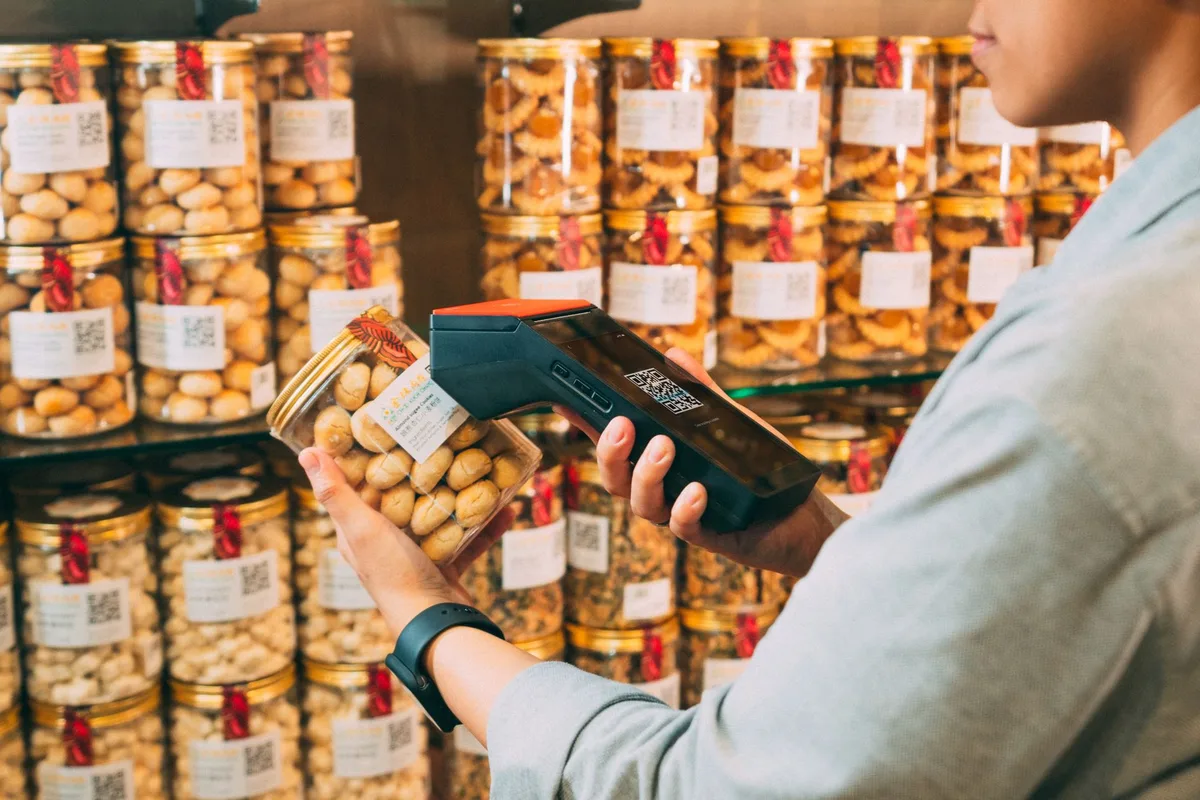
This method is particularly useful if you're unsure about a plant or if the tagging is unclear. It's important to have a backup plan in case an item is declined. For example, if you intended to buy a decorative flower but it's not EBT eligible, you might opt for an eligible herb or vegetable start instead, or be prepared to pay with another method.
This mirrors the process for buying other non-food items, like paper towels or cleaning supplies, which are also not covered by SNAP. While you can't use SNAP for hoes to get rid of garden weeds, you can use it for the seeds or starts those tools help you cultivate.
Common Mistakes When Buying Plants with EBT
Even with clear guidelines, shoppers sometimes make mistakes that lead to their EBT card being declined for plant purchases. Understanding these common pitfalls can help you avoid frustration and ensure a smooth transaction. Most errors stem from misinterpreting eligibility rules or purchasing items that are not food.
- Assuming All Plants Are Eligible: The biggest mistake is thinking that any living plant you see at Walmart can be bought with EBT. Eligibility is strictly tied to food production. Decorative items, such as colorful flowers or houseplants, are automatically excluded.
- Confusing Plants with Supplies: Many people mistakenly believe that because plants are in the garden section, associated supplies might also be eligible. This is incorrect. Soil, pots, fertilizers, and tools are classified as general merchandise and cannot be purchased with SNAP benefits. You can learn more about compost vs fertilizer to understand what nutrient sources are, but neither can be bought with EBT.
- Not Checking Plant Purpose: Sometimes, a plant might look like a vegetable but could be a hybrid or ornamental variety. Always try to confirm if the plant is truly meant to produce food. A "garden mum" is for show; a "chrysanthemum" grown for edible flowers would potentially be eligible.
- Over-Reliance on Aisle Placement: While grocery items are typically in the grocery section, garden items can be scattered. Don't assume that because it's near the eligible produce, the plant itself is eligible. Its purpose is the deciding factor.
- Not Having a Backup Payment Method: It’s always wise to have an alternative payment method ready when shopping with EBT, especially for items with questionable eligibility. If a plant doesn't go through, you'll need another way to pay for it if you still want it, or you'll have to select an alternative EBT-eligible item.
Avoiding these common errors means focusing on the USDA's definition of food and applying it diligently to the plants you encounter at Walmart and other retailers.
SNAP Rules and Walmart's Role
The rules governing what you can buy with SNAP benefits are set by the USDA's Food and Nutrition Service (FNS). These rules are standard across the country, but individual retailers, like Walmart, implement them at their point-of-sale systems. Walmart, being one of the largest retailers, has extensive systems in place to manage EBT transactions according to these federal mandates.
The USDA clarifies that SNAP benefits can be used to purchase "any food for human consumption." This broadly includes fruits, vegetables, meats, poultry, fish, dairy products, bread, cereals, and sometimes food-prepared items. It also specifically includes seeds and plants that produce food for human consumption.
Walmart's role is to accurately implement these guidelines. Their checkout systems are programmed to recognize product codes that correspond to eligible SNAP items. When you scan an item, the system checks its code against a database of eligible and ineligible goods.
If a plant is coded as an ornamental item or a gardening supply, the EBT system will flag it as ineligible.
The store must also ensure that cashiers and self-checkout systems are properly configured to handle these transactions. While the core rules are federal, specific store policies or their interpretation can sometimes lead to minor variations in how they are enforced, although for standard items like food-producing plants, consistency is generally high. For customers interested in items like specific pesticides or garden maintenance equipment, these are universally considered non-food items and are therefore ineligible for SNAP.
Benefits & Drawbacks / Pros and Cons
When you can successfully use your EBT card for plants, it opens up a cost-effective way to grow your own food. This is a significant advantage for SNAP recipients looking to maximize their budget. Growing your own produce can lead to fresher ingredients and potentially lower grocery bills over time, contributing to better nutrition and food security.
It’s a practical application of benefits that directly supports healthy eating.
However, there are clear drawbacks tied to the limitations. The primary downside is the restriction on ornamental plants. If your goal is simply to beautify your living space with flowers or non-edible greenery, EBT funds won't cover those purchases.
This means you’ll need separate funds for decorative gardening endeavors, separating the nutritional aspect from the aesthetic one. Also, the inability to purchase gardening supplies like soil or pots with EBT means you'll need to budget for those separately.
Step-by-Step Process / How to Guide
Navigating the process of buying eligible plants with EBT at Walmart involves a few key steps. By following this workflow, you can make informed decisions and avoid checkout issues. The system is designed to be straightforward once you understand the criteria.
- Identify Your Need: First, decide whether you want edible plants (like vegetable starts or herb plants) for consumption or ornamental plants for decoration. This will determine your shopping focus.
- Locate Plants: Visit the garden section at your local Walmart. Look for plants that are clearly designated as produce or intended for growing food.
- Check Eligibility Clues: Examine plant tags for descriptions indicating edible qualities. If it says "tomato," "pepper," "basil," or similar food items, proceed with confidence.
- Confirm with Store Staff: If unsure, ask a garden center associate if the specific plant is eligible for SNAP/EBT. They can often provide quick confirmation.
- Scan at Checkout: Place eligible plants in your cart along with other grocery items. At checkout, the system will process EBT for the qualifying items.
- Handle Declines: If a plant is declined, it's likely ornamental or a non-food item. Be prepared to use an alternative payment method for non-eligible items or select a different, eligible plant.
This structured approach ensures you are adhering to SNAP guidelines while making the most of your benefits for food-related gardening projects, potentially linking to resources on what fertilizer to use in spring at your garden if you're planning a full garden.
Use Cases / Best For / Who It's Right For
Using EBT for plants at Walmart is most beneficial for individuals and families focused on supplementing their diet with homegrown produce. This applies if you are a SNAP recipient with a desire to:
- Grow your own vegetables: Whether you have a large garden or just a few pots on a balcony, starting with affordable seeds or seedlings is a great way to access fresh produce.
- Cultivate fresh herbs: Having readily available herbs like basil, mint, or parsley can greatly enhance home cooking without adding significant cost from grocery store purchases.
- Start a small fruit garden: If you have space for berry bushes or a small fruit tree, using EBT can make the initial investment more manageable.
This approach is ideal for budget-conscious individuals who are already participating in SNAP and wish to extend their benefits towards healthier, self-sustained food options. It's less suitable for those looking solely for decorative plants or who do not participate in SNAP. Those interested in larger gardening projects might also explore topics like use a lawn roller for your garden for soil preparation, but these supplies themselves are not EBT eligible.
Mistakes to Avoid / Common Errors
Beyond the fundamental misunderstanding of what qualifies as EBT-eligible, several other common errors can trip shoppers up when it comes to plants at Walmart. Being aware of these can streamline your shopping experience and prevent unnecessary complications at the checkout.
- Attempting to Buy Pots and Soil with EBT: This is a frequent mistake. While plants are food-related, the containers and growing mediums are considered gardening supplies, not food. Always have a separate payment method for these items. This is a key distinction from purchasing actual produce, where the items themselves are the food.
- Purchasing Non-Edible Seeds: Just like with plants, seeds must be for food-producing plants. Seeds for ornamental flowers are not eligible. Always double-check seed packets for their intended use.
- Forgetting About Seasonal Availability: While not strictly an EBT rule, confusing seasonal availability can lead to wasted trips. For example, trying to buy summer vegetable starts in early spring might mean a limited selection, impacting your ability to find eligible items. This is akin to understanding when to fertilize lawn for optimal results.
- Not Understanding Store-Specific Scanning: While policies are federal, how a specific store's inventory is coded can sometimes vary slightly. If an item is declined, don't assume the store is wrong; it's more likely the item's code flags it as ineligible per USDA guidelines. Learning to clean lawn mower air filter is a DIY task, but plant eligibility is a SNAP system rule.
Avoiding these errors ensures you're using your EBT benefits effectively for their intended purpose of purchasing food-related items.
Expert Tips / Pro Advice
To maximize your success and budget when using EBT for plants at Walmart, a few expert tips can make a significant difference. These insights are based on how SNAP systems and retail operations interact, aiming to make your shopping as efficient as possible. Applying these strategies transforms a potential point of confusion into a smooth, beneficial transaction.
- Shop with a List: Before you go, make a list of the specific edible plants or seeds you need. This helps you stay focused and avoids impulse buys of non-eligible items that you might later regret. It’s similar to planning for grocery shopping in general.
- Visit During Off-Peak Hours: If possible, shop during less busy times, like weekday mornings. This gives you more time to inspect plants and ask associates questions without feeling rushed, and it allows cashiers more time to assist with EBT transactions if needed.
- Understand the "Why": Always remember EBT is for food. If a plant doesn't directly contribute to your table, it won't be eligible. This mental check helps filter out decorative options quickly.
- Connect to Other Gardening Efforts: If you're already planning a garden, consider how eligible plants fit into your broader plans. For instance, if you're growing vegetables, you might also be researching what kind of fertilizer for grass to use, but remember that fertilizer itself isn't EBT eligible.
- Keep an Eye on Sales: Just because it's EBT eligible doesn't mean you can't look for bargains. Sales on vegetable starts or herb plants can stretch your SNAP benefits even further. This is especially useful when considering items like seeds, which are very cost-effective starting points for a garden.