
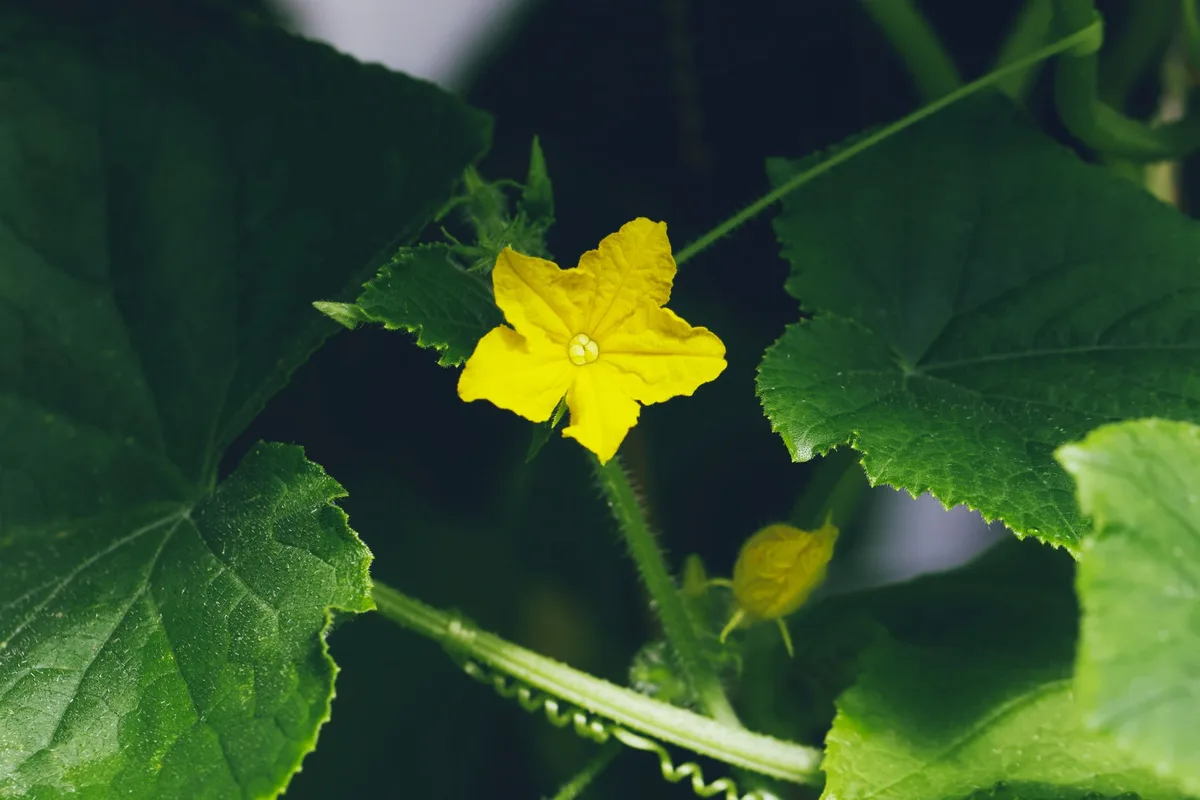
It can be really frustrating to see your cucumber plants teeming with flowers, only to realize they're all the showy male kind. You're watering, feeding, and giving them sun, but they don't seem to be getting around to producing those crucial female flowers that turn into yummy cucumbers. This common gardening hiccup means your harvest is probably going to be pretty slim, if you get any at all.
The good news is that a cucumber plant only producing male flowers is usually a sign of stress or a response to environmental cues, not necessarily a disease. Many varieties are monoecious, meaning they naturally produce both types of flowers on the same plant; they just need the right conditions to do so. For instance, aggregate research shows that prolonged temperatures above 90°F (32°C) can heavily favor male flower production.
Quick Answer
A cucumber plant only has male flowers primarily due to environmental stress or imbalanced nutrient uptake. High temperatures, inconsistent watering, or excessive nitrogen can trigger the plant to prioritize male bloom development. Female flowers, which possess the ovary at their base, are necessary for fruit production and often appear after the plant stabilizes and receives adequate potassium.
The Big Picture: How Cucumber Flowers Work
Cucumber plants typically follow a pattern you'll find in many of your favorite veggies. They are what we call monoecious, which means a single plant will bear both male and female flowers. This is completely normal and part of their reproductive strategy.
The male flowers are usually borne on a slender stem, appearing first and in greater numbers. They're essentially the pollen producers.

The female flowers, on the other hand, are a bit more obvious once you know what to look for. At the base of a female flower, you’ll see a tiny, underdeveloped cucumber, that’s the ovary. If this flower is pollinated successfully, that ovary will grow into the cucumber you’ll eventually harvest.
If you're only seeing the male types, it means something is signaling to the plant that conditions aren’t ideal for fruit development.
Why You're Seeing Only Male Blooms
When your cucumber plants are showing an abundance of male flowers but no female ones, it's typically a signal that the plant is under some kind of stress. It's like the plant is saying, "I can't invest energy into making fruit right now, so I’ll just focus on producing pollen to try and pass on my genes." This stress can come from a few different places, and figuring out which one is affecting you is key to fixing it.
So, if you're only seeing those unhelpful male blooms, it’s a good cue to play detective in your garden. We'll break down the most common culprits so you can get your plants back on track.
The Diagnostic Checklist: Isolate the Cause
To get your cucumber plants producing fruit, you need to pinpoint why they're stuck in the male-flower-only phase. Think of this as a simple troubleshooting guide. We'll run through the most common reasons, and by checking each one, you should be able to identify the specific issue affecting your plants.
For example, if you're dealing with extreme heat, sometimes the first step is simply providing shade or ensuring consistent watering.
Environmental Stresses: Heat, Light, and Water
This is often the biggest driver behind a cucumber plant only producing male flowers. Cucumbers are warm-season crops, but they have their limits.

- Heat: Consistently high temperatures, especially when day and night temperatures are both elevated, can encourage male flower formation. While they love warmth, extreme, prolonged heatwaves can stress them out. University Extension services often note that temperatures consistently above 90°F (32°C) can significantly skew flower production towards males.
- Light: While cucumbers need plenty of sun (aim for at least 6-8 hours daily), a sudden drastic change in light exposure, or perhaps too much intense, direct afternoon sun in very hot climates, could also be a factor.
- Water: Inconsistent watering is a major stressor. Both underwatering and overwatering can send the wrong signals. If the soil dries out too much between waterings, or if it stays waterlogged, the plant is going to react. Aim for soil that's consistently moist but not soggy.
We've seen this play out in gardens where a sudden heatwave hit during the plant's critical flowering stage, leading to a flush of male blooms. Addressing these environmental factors is usually the first and most effective step.
Nutrient Imbalances: Too Much Nitrogen, Not Enough Potassium?
Just like us, plants need a balanced diet. For cucumbers, the type of nutrients they receive plays a big role in flower development.
- Excess Nitrogen: If you've been heavy-handed with nitrogen-rich fertilizers, your plant might be putting all its energy into leafy, green growth, foregoing flower and fruit production. Nitrogen is great for foliage, but too much can make the plant a bit too "vegetative" and not reproductive enough. If you're familiar with fertilizing lawns, you recognize this balance; for example, knowing what kind of fertilizer for grass to use is crucial for healthy blades, not just flowers.
- Potassium Deficiency: On the flip side, a lack of potassium can also be an issue. Potassium is really important for flowering and fruiting. If your fertilizer mix is low in potassium, or if your soil is deficient, the plant might not have the resources to produce female flowers.
When diagnosing, consider what you've fed your plants. If you used a general-purpose fertilizer that's high in nitrogen, that could be your culprit. It might be worth looking at compost vs fertilizer to understand how different feeding methods impact plant health.
Plant Age and Stress Factors
Sometimes, the issue isn't just one big environmental trigger, but a combination of factors, or simply where the plant is in its life cycle.
- Early Stages: Young cucumber plants often produce male flowers first. This is completely natural. They need to establish a strong root system and leafy canopy before they can reliably produce female flowers. So, patience is key during the initial weeks.
- Cumulative Stress: A plant that has endured multiple mild stresses over time, a little too hot one day, slightly overwatered another, perhaps a light frost scare, might finally respond by defaulting to male flowers. It’s often not one single event, but the plant’s overall condition.
Consider if your plant is still quite young. If it's just a few weeks old, seeing only male flowers is expected. If it's older and still exhibiting this, then other factors are more likely at play.
Variety Matters: Some Cucumbers Produce Male Flowers First
Did you know that some cucumber varieties are bred to produce male flowers first as a standard practice? Certain types, especially some hybrids, will naturally put out a significant number of male blooms before the female ones begin to appear. This is often a cultivation strategy by seed companies to ensure robust pollination.
For instance, many pickling cucumber varieties are known for this trait. If you planted a specific hybrid and are only seeing male flowers within the first few weeks of blooming, it might simply be the variety's natural progression. It’s always a good idea to check the seed packet or description for information about the variety's flowering habits.
Knowing what to expect from your specific type of cucumber can save you a lot of worry.
What to Do When You Spot Missing Female Flowers
Okay, so you've identified the likely cause of your cucumber plant's male-flower-only situation. Now, what's the game plan? The approach will depend on the diagnosis you made, but generally, it involves a combination of correcting the stressor and sometimes giving nature a helping hand.
Encouraging Female Flower Development
If stress was the main culprit, be it heat, water issues, or nutrient imbalances, the first step is to remedy that.
- Cooler Temps: If extreme heat is the problem, providing shade during the hottest part of the day can help. This might mean using a shade cloth or strategically placing taller plants nearby to offer dappled shade.
- Consistent Watering: Develop a watering routine that keeps the soil consistently moist but not waterlogged. Mulching around your plants, a practice similar to how you might manage your garden beds, can help retain soil moisture and regulate temperature.
- Nutrient Adjustment: If you suspect a nutrient issue, especially too much nitrogen, stop applying high-nitrogen fertilizers. Switch to a more balanced fertilizer, or one that's specific for fruiting plants, often higher in phosphorus and potassium. This is akin to choosing what fertilizer to use in spring at your garden, you want to support growth but also encourage blooms.
Once the plant feels stable and happy, it should start producing female flowers. This might not happen overnight, so give it a week or two.
When to Hand-Pollinate
If your plant starts producing female flowers but you're worried about pollination, especially if you don't have many pollinators around, you can try hand-pollination. This involves transferring pollen from a male flower to a female flower.
- Identify a Ripe Male Flower: Pick a male flower that's fully open.
- Collect Pollen: Gently remove the petals from the male flower. You can use a small, clean brush (like a watercolor or pastry brush) or even a cotton swab to gently pick up pollen from the stamen (the pollen-dusted part) in the center of the male flower.
- Transfer Pollen: Carefully approach a newly opened female flower. Gently dab the pollen collected on your brush or swab onto the stigma (the receptive part in the center) of the female flower.
- Repeat: Do this for all the female flowers that open.
This process ensures that your female flowers get pollinated, even if natural pollinators are scarce. It’s a method that’s common in controlled environments, like building own grow room setups, where natural pollination is impossible.
Common Mistakes That Lead to "All Male" Blooms
It’s easy to accidentally do things that encourage only male flowers on your cucumbers. Many new gardeners make these same slips. Understanding them helps you avoid future disappointment.
Over-Fertilizing with Nitrogen
A classic mistake is using too much fertilizer high in nitrogen. This can happen if you're trying to give your plants a boost without checking the N-P-K numbers on the bag. You want strong plant growth, but too much nitrogen makes the plant focus on leaves and stems, not on putting energy into developing female flowers that require more resources.
This is similar to how over-fertilizing grass can lead to lush green growth but fewer blooms.
Inconsistent Watering
Cucumbers are thirsty plants, but they hate sitting in soggy soil or having their roots dry out completely. Irregular watering schedules are a huge stressor. If the soil conditions swing wildly from wet to dry, the plant interprets this as an unstable environment.
It then prioritizes survival and reproduction via pollen, rather than investing in fruit that might not survive in such conditions. Aim for a steady moisture level, especially during dry spells.
Ignoring Environmental Triggers
Sometimes, we can't control the weather, but we can mitigate its effects. Many gardeners forget that while cucumbers love warmth, they can suffer from too much heat, especially prolonged periods. Pushing your plants past their ideal temperature range, above 90°F (32°C) for extended times, tells them to go into "survival mode" and produce males.
It’s like planting them in a summer heatwave without any shade.
Expert Tips for a Fruitful Harvest
Getting a good cucumber harvest isn't just about fixing problems; it's also about setting your plants up for success from the start. A little preventative care goes a long way.
Pre-empting Problems for Future Plants
When you plant your next round of cucumbers, think about timing and variety. Planting in stages can help stagger your harvest and avoid peak stress periods. Also, choose varieties known for their disease resistance and heat tolerance if you live in a hotter climate.
Some research by agricultural institutions shows that specific hybrid varieties can offer better resilience against common stressors that lead to male-flower dominance.
Knowing When to Keep Patience
With cucumbers, especially in the early stages, patience is truly a virtue. If your plant is young and only producing male flowers, give it time. Ensure its basic needs for water, light, and nutrients are met, and it will likely start producing female flowers on its own.
If you’ve corrected environmental stresses or nutrient imbalances, stick with it for at least a week or two before concluding there's a serious issue. It’s a plant’s typical response to feel secure before it commits to making fruit.
Next Steps: Getting Those Cucumbers to Grow
So, you’ve diagnosed the issue, you’ve made adjustments, and you’re watching your plants closely. The goal now is to encourage those female flowers and support them through pollination and fruit development.
Watching for Female Blooms
Keep an eye on your plants daily. You’re looking for those distinctive female flowers, the ones with the tiny cucumber swelling at their base. Once you see them, it's a good sign that your adjustments are working.
Continue to provide consistent care, ensuring they have adequate water and nutrients. A balanced fertilizer specifically formulated for fruiting plants can be beneficial at this stage, possibly containing more potassium to support fruit development, much like how what is best lawn fertilizer is different from a spring grass formula.
Supporting Pollination and Fruit Set
If you see signs of pollination issues or your female flowers are dropping off without growing, you might need to intervene. As mentioned, hand-pollination is an option. Beyond that, ensuring your soil is healthy can help.
Practices like using a lawn roller for your garden to firm up soil aren't directly related, but maintaining that consistent soil contact and aeration is key to healthy roots, which in turn supports strong plants that fruit well.
Frequently Asked Questions
How long does it take for female cucumber flowers to appear?
It typically takes about 4 to 7 weeks from planting for cucumber plants to start producing female flowers, though this can vary by variety and growing conditions. They usually appear after the plant has already produced several male flowers.
Can too much sun cause only male flowers?
While cucumbers need lots of sun, extreme, direct, intense sun, especially combined with high heat, can stress the plant. This stress can lead it to prioritize male flower production as a survival mechanism. Providing some afternoon shade in very hot climates can help.
Should I pinch off male cucumber flowers?
No, you should not pinch off male cucumber flowers. They are essential for pollination. The plant needs the pollen from these male flowers to fertilize the female flowers and produce fruit.
What if my cucumber plant has flowers but no fruit?
This usually means pollination hasn't occurred. Female flowers need pollen from male flowers to develop into fruit. If you see female flowers but no fruit forming, and you have few pollinators, hand-pollination might be necessary.
Also, ensure the plant isn't under stress.