
Watching your habanero plants develop is one of the most satisfying parts of growing your own peppers. You’ve nurtured them from tiny seeds, and now you’re eager for that first harvest of fiery fruit. Understanding the ripening timeline is key to knowing when to expect your peppers to be ready for picking and that signature intense heat.
Generally, you can expect habanero peppers to ripen between 60 and 90 days after the flower appears on the plant. This timeframe can shift based on a variety of environmental and plant-specific factors. For instance, aggregate reviews from growers indicate that consistent daytime temperatures between 75-85°F (24-29°C) significantly speed up the maturation process.
Quick Answer
Habaneros typically take 60 to 90 days to ripen from the appearance of their flowers. This period varies due to weather, plant health, and specific growing conditions. The fruit first appears as a tiny green nub before gradually increasing in size and eventually changing color to its mature red or orange hue.
What Factors Affect Habanero Ripening?
The journey from a delicate habanero flower to a fully ripe, potent pepper isn't set in stone. Several factors interact to influence this timeline, and understanding them can help you better predict your harvest.
Weather and Sunlight
Habaneros are heat-loving plants, and this is perhaps the most significant factor influencing their ripening speed. They thrive in warm, sunny conditions. Extended periods of hot weather, with daytime temperatures consistently in the 75-85°F (24-29°C) range and plenty of direct sunlight, will encourage faster development and maturation.
Conversely, cooler spells, cloudy days, or a shorter overall growing season means the peppers will likely take longer to reach their full ripeness, potentially pushing towards the 90-day mark or even beyond. Adequate sunlight is crucial as it fuels the plant's energy production needed for fruit development and ripening.
Plant Variety and Health
Just like different dog breeds mature at different rates, various habanero cultivars exhibit distinct growth habits and ripening times. Some varieties are naturally quicker to mature than others. Beyond genetics, the overall health of your habanero plant plays a massive role.
A robust plant, well-fed and properly watered, has the energy reserves to push its fruits through the ripening stages more efficiently. Stressed plants, whether from nutrient deficiencies, inconsistent watering, or pest issues, will often divert energy away from fruit development, leading to slower ripening. Ensuring optimal plant health is key to a timely harvest.
Growing Conditions
The environment where your habaneros are grown plays a huge part. For indoor growers, this relates to the controlled environment within a grow tent or dedicated space. Adequate ventilation is critical, as is maintaining consistent temperature and humidity.
Building your own grow room requires careful consideration of these factors to mimic ideal outdoor conditions. Editorial analysis of cheap grow tent kits suggests that while cost-effective, they might require more attention to ventilation compared to larger, more sophisticated setups.
For outdoor gardeners, soil quality and drainage are paramount. Well-draining soil prevents root rot and ensures the plant can absorb nutrients effectively. Companion planting can also indirectly influence ripening by deterring pests that might stress the plant.
For example, using different types of hoes to manage garden weeds can free up resources for your pepper plants. Planting them in raised beds or containers can also help manage soil temperature and drainage, potentially speeding up the ripening process. As of 2026, research continues to explore the microclimate benefits of different mulching materials on pepper yield and maturation speed.
Signs Your Habaneros Are Ripe
Knowing when your habaneros are truly ready to harvest is more than just a guess; it’s about observing distinct physical changes. Primarily, you'll look for a shift in color and a change in the pepper's texture.
Color Change
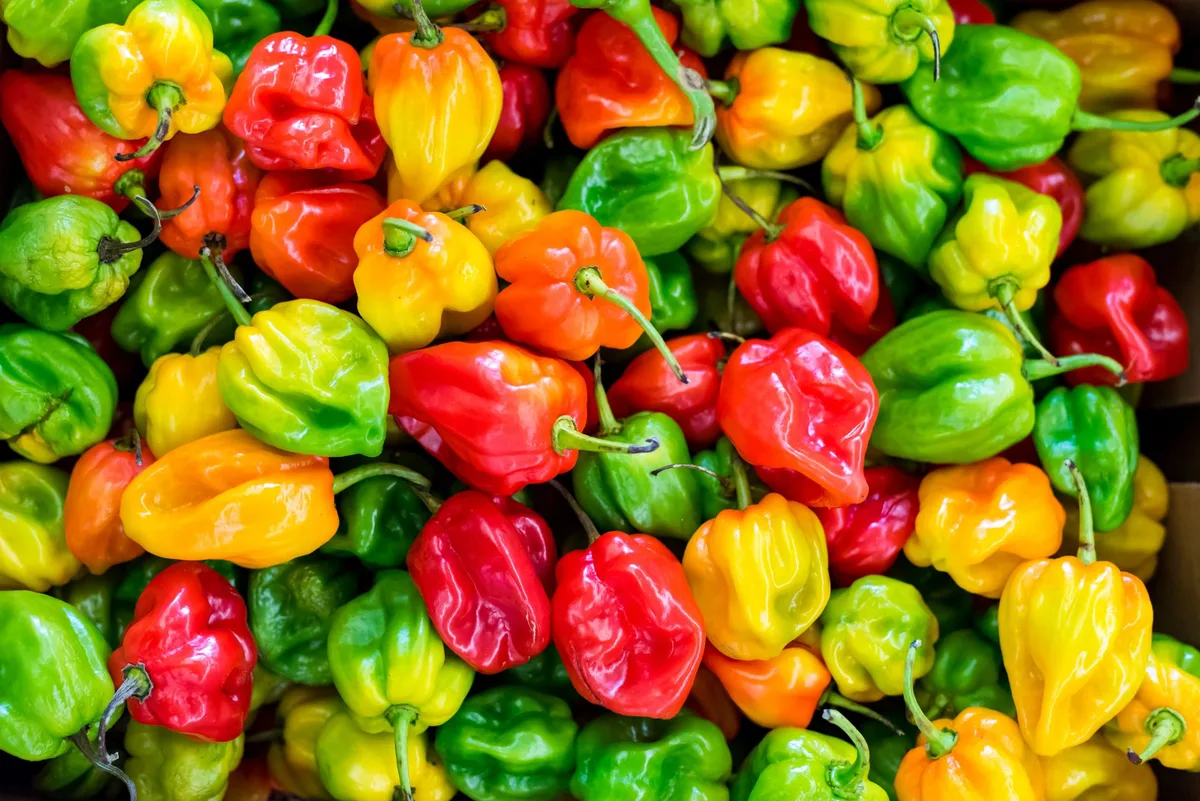
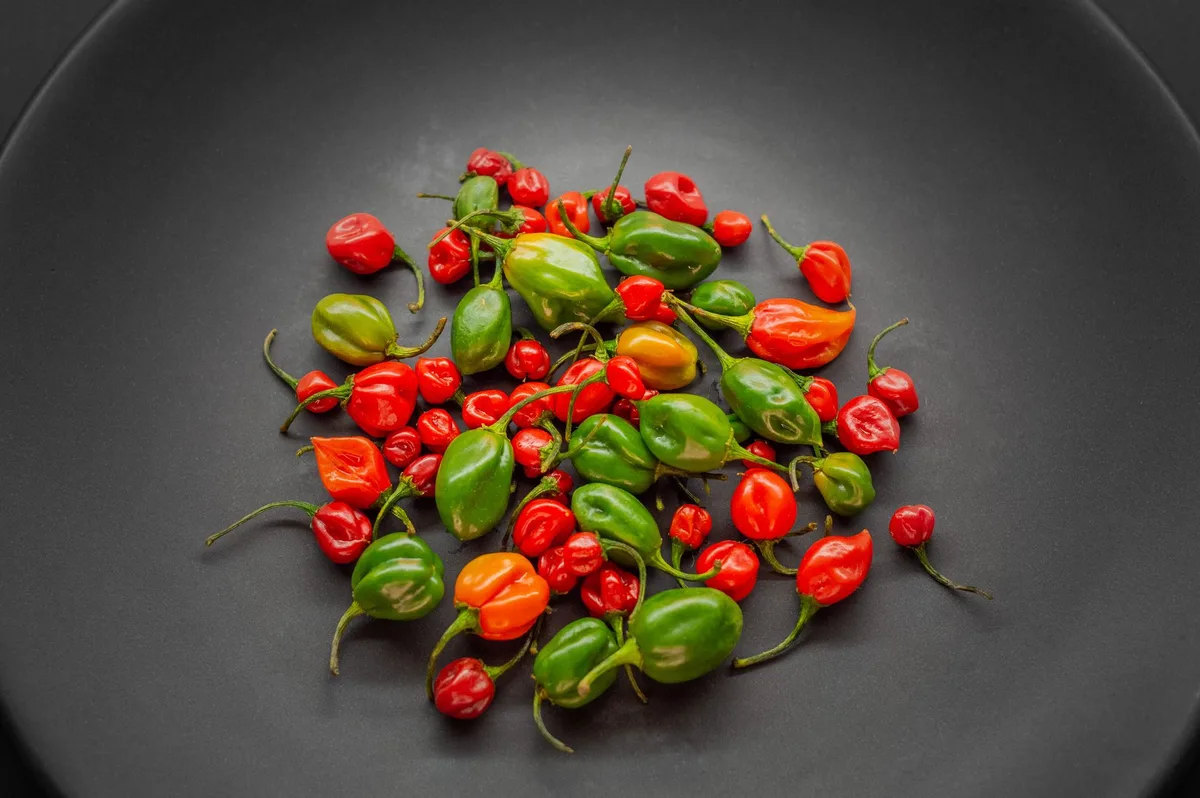
The most obvious indicator is the pepper's color. Most habanero varieties start out green and then transition to their mature color, which is typically a vibrant orange or a deep red. This change signifies that the pepper has reached full maturity and has developed its peak flavor compounds and capsaicin levels, responsible for its heat.
Some growers prefer to harvest them when they’re fully red or orange for the most intense flavor and heat, while others might pick them earlier when they're slightly smaller and still green for a less intense, brighter flavor profile. The timing of this color change is a direct result of the ripening process we've discussed.
Size and Firmness
While color is a strong cue, it’s not the only one. A ripe habanero should also feel firm and plump in your hand. As the pepper matures, it fills with moisture and develops a taught skin.
If you gently squeeze a habanero and it feels soft, squishy, or easily yields to pressure, it’s likely not fully ripe yet. The size of the pepper will also increase throughout its development, eventually reaching the typical size for its specific variety before the color change begins. A pepper that’s still very small, even if it has started to change color, might benefit from a few more days on the plant to maximize its potential flavor and heat.
Typical Ripening Timeline for Habaneros
Let's break down what that 60-90 day window actually looks like from start to finish. It's a progression, and each stage is important for the final outcome of your harvest.
From Flower to Fruit
The clock on ripening really starts ticking once the habanero plant begins to flower. These delicate white blossoms are the precursors to your spicy peppers. After a blossom is successfully pollinated, which can happen with the help of insects or by gently tapping the flowers yourself, the petals will fall off, leaving behind a tiny green nub at the base of where the flower was.
This nub is the nascent pepper, and it's from this point that the true ripening countdown begins. This initial development phase, from flowering to seeing a discernible pepper pod, can take anywhere from 7 to 14 days, depending heavily on the plant's health and environmental conditions.
From Green to Ripe
Once you have that small green pepper forming, it will begin to grow in size. This "vegetative" growth phase, where the pepper is primarily getting bigger, can last for several weeks. You’ll notice it swelling and taking on the characteristic shape of a habanero.
This typically takes anywhere from 4 to 6 weeks. Following this growth period, the ripening and color change phase begins. This is when the magic happens and the pepper starts to transform from green to its final orange or red color.
This color transition phase usually takes another 3 to 4 weeks. So, when you combine that initial fruit formation, the growth period, and the final color change, you land squarely within that 60-90 day window from flower to fully ripe fruit.
Common Mistakes to Avoid
Getting the timing wrong or not paying attention to the signs can lead to a disappointing harvest. Many growers make similar missteps when cultivating peppers.
- Harvesting too early: Pulling peppers off the plant before they've fully ripened means you'll miss out on the best flavor and heat. They'll lack that characteristic habanero punch and might taste undesirably grassy.
- Ignoring environmental cues: Assuming a fixed 70-day ripening period regardless of weather is a common error. If your conditions are cooler or less sunny than ideal, you need to adjust your expectations and give the plants more time.
- Overcrowding plants: Peppers need adequate space for airflow and sunlight penetration. Densely planted gardens can lead to stressed plants, slower growth, and increased susceptibility to disease, all of which can delay ripening. Proper spacing helps ensure each plant has access to the resources it needs.
- Inconsistent watering: Both underwatering and overwatering can stress the plant. Drought stress can cause peppers to drop prematurely, while waterlogged soil can lead to root problems that hinder nutrient uptake and fruit development. Aim for consistently moist, but not soggy, soil.
Expert Tips for Maximizing Ripeness
As seasoned gardeners know, a little extra care can go a long way in ensuring a bountiful and timely habanero harvest. These tips go beyond basic care and focus on optimizing the ripening process.
- Provide consistent warmth: Habaneros thrive in temperatures between 75-85°F (24-29°C). If you're in a region with a shorter or cooler growing season, consider using row covers, mulching with dark materials to retain soil heat, or even growing them in containers that can be moved to sunnier spots. For those serious about controlled environments, understanding the performance of cheap grow tent kits or setting up a custom space like those outlined in a special consideration while building own grow room guide can make a significant difference.
- Ensure ample sunlight: Aim for at least 6-8 hours of direct sunlight per day. If your plants are in a location that doesn't get enough sun naturally, you might need to assess transplanting them or supplementing with grow lights, especially if you’re working with a grow tent size guide. Understanding grow tent setup guide principles will be key here.
- Fertilize appropriately: Use a balanced fertilizer early in the season, and then switch to one slightly higher in phosphorus and potassium as the plant begins to flower and set fruit. This provides the specific nutrients needed for flower and fruit development. Consider the benefits of balanced nutrition, perhaps looking into compost vs fertilizer for your soil. For lawns, understanding what kind of fertilizer for grass to use can provide insight into nutrient needs.
- Prune for airflow: Removing some lower leaves or excess foliage can improve air circulation around the developing peppers, reducing the risk of fungal diseases that can stunt growth and delay ripening. This also ensures sunlight can reach developing fruits more effectively. If you're managing a larger garden, even tools like a leaf blower can indirectly help with garden maintenance that allows your peppers to thrive.
- Be patient: Some varieties, or plants grown in slightly less-than-ideal conditions, will simply take longer. Resist the urge to pick peppers that are still green or feel soft. The extra time on the plant is crucial for developing that characteristic habanero flavor and heat.
When to Harvest Your Habaneros
Figuring out the exact moment to harvest your habaneros can be just as important as knowing how long they take to ripen. It’s a blend of science and observation.
The primary indicators are the pepper's color and firmness. When the fruit has achieved its full mature color (typically a vibrant red or deep orange for most common varieties) and feels firm and plump to the touch, it's generally ready. There’s no need to rush; allowing the fruit to stay on the plant as long as conditions permit, up until the first frost, can lead to the most intense flavor and heat development.
If you're in an area with a short growing season, you might need to harvest some peppers while they're still green if frost threatens, but understand they won't have the full flavor potential. You can also try to ripen them indoors if a frost is imminent. Always use clean pruning shears or a sharp knife to cut the pepper from the stem, leaving a small piece of stem attached to the fruit.
This helps the pepper store better and reduces damage to the plant. Remember, even though they carry a powerful punch, habaneros are generally resilient.
What to Do After Harvesting Habaneros
Once your habaneros are perfectly ripe and you've clipped them from the plant, they're ready for their next stage. How you handle them immediately after harvest significantly impacts their shelf life and usability. For short-term storage, ripe peppers can be kept fresh for about a week.
You can place them in a loosely sealed plastic bag in the crisper drawer of your refrigerator. This helps maintain humidity without trapping too much moisture, which can lead to spoilage. Avoid washing the peppers until just before you're ready to use them, as excess moisture can accelerate decay.
If you harvested them slightly early for safety from frost, you can often let them continue to ripen on a countertop, though they may not develop the same depth of flavor as those ripened on the plant.
Storing Ripe Habaneros Long-Term
If you've ended up with a bumper crop of habaneros, or if you simply want to enjoy their heat year-round, long-term storage is the way to go. There are several effective methods for preserving their potent flavor and heat.
- Freezing: This is a straightforward and popular method. You can freeze whole, dried, or chopped habaneros. For whole peppers, wash and thoroughly dry them, then spread them in a single layer on a baking sheet to freeze solid (this prevents them from clumping). Once frozen, transfer them to an airtight container or freezer bag. For chopped peppers, you can mince them, perhaps with a bit of oil, portion them into ice cube trays or small containers, and freeze.
- Drying: Drying is an excellent way to preserve habaneros while concentrating their flavor and heat. You can use a food dehydrator, a low oven setting (around 140°F or 60°C), or even air dry them in a warm, dry, well-ventilated space (though this can take longer and poses a higher risk of mold if conditions aren't right). Once completely dry and brittle, store them in airtight containers in a cool, dark place. Dried habaneros can be rehydrated or ground into a potent powder.
- Pickling: Pickling is another fantastic way to preserve habaneros, adding a tangy, vinegary element to their profile. Slice your peppers and submerge them in a brine of vinegar, water, salt, and your desired spices (garlic, peppercorns, and dill are common additions). Ensure you sterilize your jars properly for safe, long-term storage. This method is ideal for adding a kick to salsas, marinades, or as a condiment.
Can Unripe Habaneros Ripen Indoors?
Yes, unripe habaneros can often continue to ripen after being picked from the plant, though the process might not yield the same intensity as field-ripened fruit. If you're facing an early frost or simply have a few green peppers that haven't made it to full color, you can bring them inside to finish.
Place the green peppers in a paper bag, loosely sealed, or on a windowsill out of direct sunlight. The trapped ethylene gas produced by the peppers will help them ripen. Check them daily, as they can ripen at different rates.
While they will turn orange or red and soften, their flavor and heat might be less developed compared to peppers that matured fully on the plant. This indoor ripening is best for peppers that are already close to maturity; very immature green peppers may not ripen effectively.
Growing Habaneros in Containers vs. Ground
Choosing between container gardening and planting directly in the ground involves different considerations, especially for a heat-loving plant like the habanero. Each method has its own set of advantages and potential challenges when it comes to ripening.
- Containers: Growing habaneros in pots offers flexibility. You can easily move them to maximize sunlight exposure, and in cooler climates, you can bring them indoors to extend the growing season or protect them from early frost, thereby aiding ripening. Pots also offer better control over soil composition and drainage. However, containers can dry out faster, requiring more frequent watering, and they can restrict root growth, potentially limiting the size and yield of individual plants. A grow tent size guide might offer insights into optimal volume, even if you're not using a tent, because it relates to plant root space needs.
- In the Ground: Planting directly into garden soil can allow for more vigorous root development, leading to potentially larger and more productive plants. The ground also retains heat more effectively than pots, which can be beneficial for ripening in cooler conditions. However, you have less control over soil quality and drainage unless you amend extensively, and you cannot move the plants if conditions change. Managing weeds effectively, perhaps using various hoes to get rid of garden weeds, is crucial for plants in the ground.
Frequently Asked Questions
How long does it take for habanero seeds to germinate?
Habanero seeds typically take between 10 to 20 days to germinate. They require consistent warmth (around 75-85°F or 24-29°C) and moisture to sprout successfully. Starting seeds indoors in a propagation tray with a heat mat can significantly improve germination rates.
Can I encourage my habanero plant to ripen faster?
You can encourage faster ripening by ensuring the plant receives ample sunlight, consistent warmth (ideally 75-85°F/24-29°C), and proper nutrients. Avoid stressing the plant with inconsistent watering or extreme temperature fluctuations. Once fruits start to form, reducing nitrogen and slightly increasing phosphorus and potassium in the fertilizer can also encourage maturation and ripening.
What causes habanero peppers to stay green?
Habanero peppers stay green primarily because they haven't reached full maturity or because they haven't received enough time, heat, and sunlight to trigger the color-changing ripening process. Environmental factors like cooler temperatures or insufficient light are common culprits. Occasionally, a plant may be genetically predisposed to a longer ripening period.
What's the difference between a red and orange habanero's heat?
While both red and orange habaneros belong to the same Capsicum chinense species and are known for their intense heat, there can be slight variations in capsaicin levels. Generally, these differences are minor and more dependent on the specific strain and growing conditions than the final color alone. Both varieties are significantly hotter than milder peppers.
How many peppers can one habanero plant produce?
A healthy, well-cared-for habanero plant can produce anywhere from 20 to over 100 peppers during a single growing season. This number varies greatly depending on the plant's age, variety, health, and the length and quality of the growing season. Ample sunlight and nutrients are key to maximizing yield.
Maximizing yield is also a consideration when you think about how much oil does a lawn mower take, while unrelated to gardening, it illustrates how understanding specific requirements is vital for optimal performance, be it mechanical or biological. Sometimes understanding specifications, like those for your lawn mower oil, can lend perspective to plant needs.