
Learning how to make sugar craft daffodils allows you to recreate one of the most recognizable spring flowers using edible materials. This process relies on specialized florist paste to achieve the delicate, structured petals that define a realistic appearance.
As of 2026, research in confectionery decorative arts highlights the critical importance of humidity control to maintain petal integrity during the drying phase. Following precise sculpting techniques ensures your sugar flowers remain durable and vibrant for display or as elegant toppers for professional-grade cakes.
Quick Answer
You create sugar craft daffodils using gum paste and specific cutters. Roll the paste to a paper-thin consistency. Cut out petal stars and trumpet pieces.
Use a ball tool to thin the edges on a mat. Shape the trumpet on a cone. Let all pieces air-dry until rigid.
Assemble using floral wire and minimal edible glue.
Why Gum Paste is Essential for Realistic Daffodils
Gum paste, also known as sugar florist paste, is a dough-like medium designed to dry into a hardened, thin finish. Unlike traditional fondant, which remains soft and pliable due to its elasticity, gum paste contains hardening agents like gum tragacanth. These allow you to roll the medium to a near-translucent thickness.
This thinness is critical for mimicking the natural geometry of real petals. If you use standard cake fondant, your petals will likely sag, droop, or lose their intricate shape entirely under their own weight. Choosing the right medium ensures your floral work survives seasonal prep without losing its structural crispness.
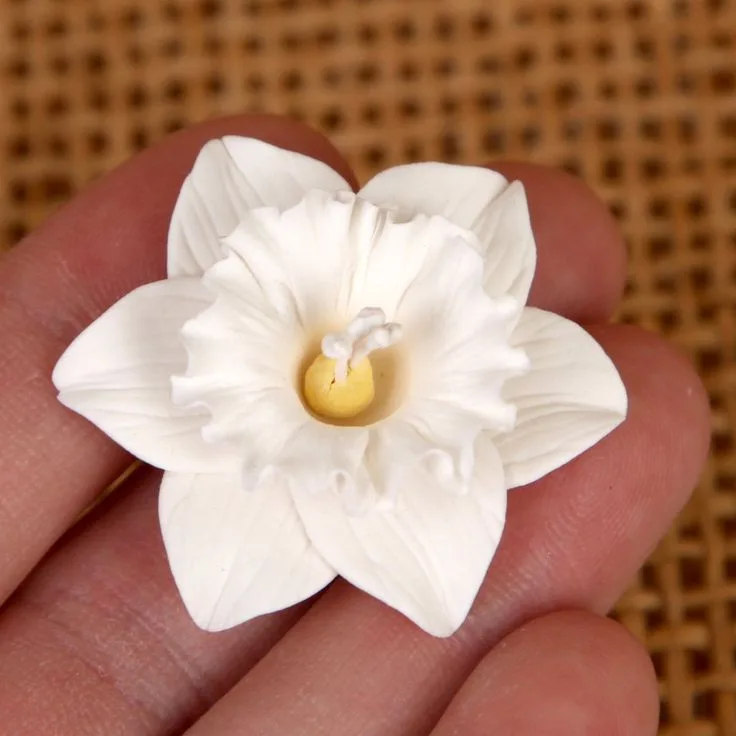
Image source: Bing (Web (fair-use with source credit))
Necessary Tools and Materials for Your Kit
Success in sugar craft requires having dedicated equipment on hand before you begin. You don’t need an entire hobby warehouse, but a few specific items will significantly reduce frustration during the assembly phase.
| Item | Primary Function |
|---|---|
| Gum Paste | Provides hardened structure for petals. |
| Daffodil Cutter Set | Creates consistent perianth and corona shapes. |
| Ball Tool | Thins edges for realistic, ruffled textures. |
| Floral Wire | Supports the flower head against gravity. |
| Edible Glue | Bonds sugar pieces without dissolving paste. |
Having these tools organized is similar to preparing for simple DIY repairs; preparation keeps your workflow smooth and prevents the paste from drying prematurely.
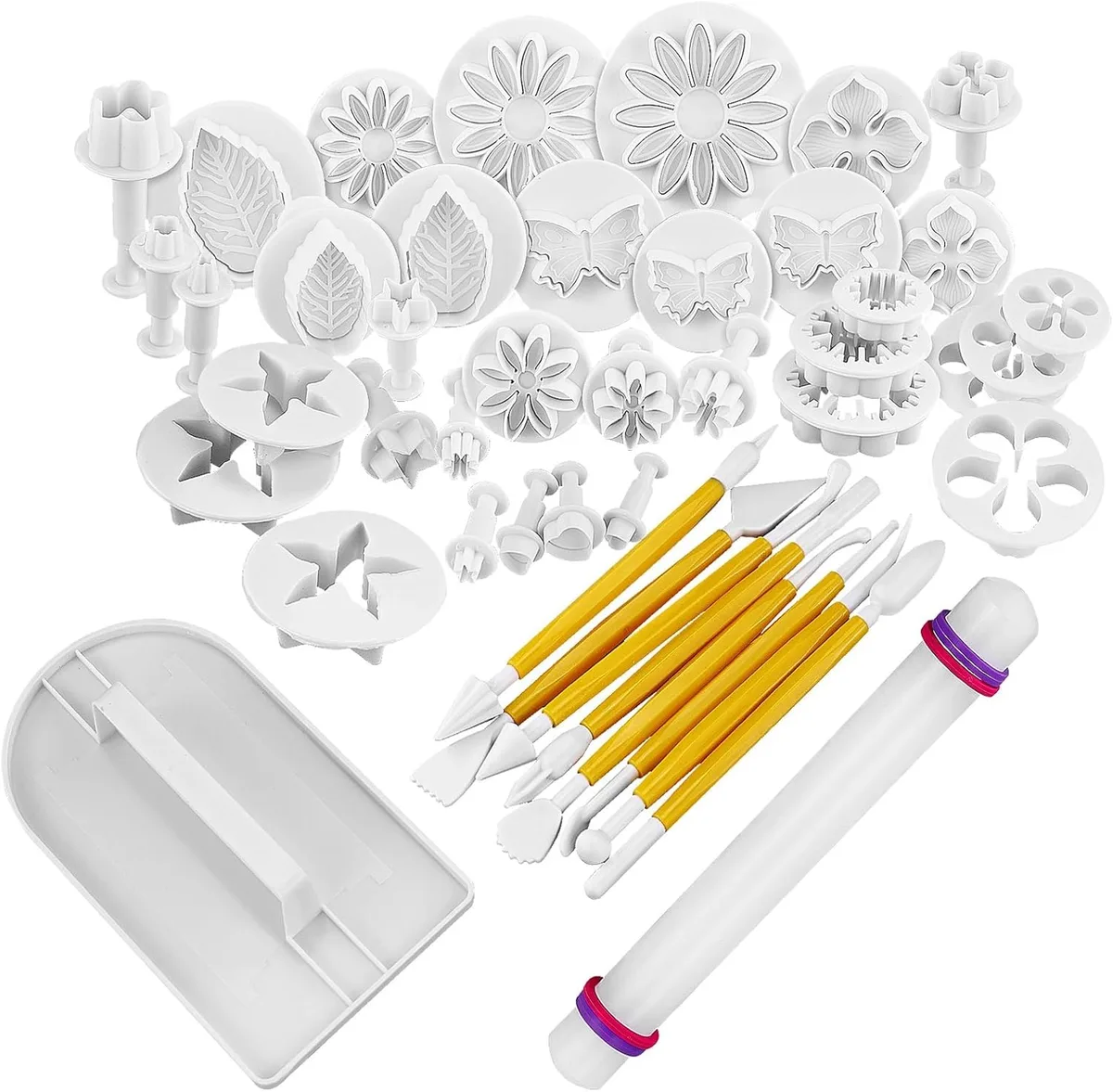
Image source: Bing (Web (fair-use with source credit))
Mastering the Anatomy of a Sugar Daffodil
A daffodil consists of two main parts: the central trumpet known as the corona and the six-petaled perianth. Real Narcissus flowers feature radial symmetry, with these parts overlapping to create a distinct, hollow form.
Understanding this biological structure helps you model the sugar paste with actual intent. Instead of cutting random shapes, aim to replicate the way the petals layer over one another. You’ll find that focusing on the principles of spacing and flow also applies to how you arrange your floral elements for maximum botanical accuracy.
Essential Preparation: Working with Gum Paste
Gum paste is highly sensitive to the environment, particularly atmospheric moisture. Keep your workspace dry, and always store unused portions in an airtight bag to prevent them from developing a tough skin while you work on other petals.
When you begin, knead the paste until it is smooth and elastic. If the paste feels too sticky, a tiny dusting of cornstarch on your mat will help. Roll the paste to approximately 1/16th of an inch, ensuring it is thin enough to show light but thick enough to avoid tearing.
Crafting the Central Corona (The Trumpet)
The corona is the focal point of the daffodil, and it requires a distinct, scalloped edge to match natural specimens. Cut your trumpet shape first, ensuring the edges are clean and free of jagged tears or fraying.
- Wrap the paste around the end of a cone or a small paintbrush handle to form the funnel shape.
- Press the seam gently so it disappears into the paste surface.
- Use your fingers or a ball tool to ripple the top rim until it looks naturally folded and organic.
Once formed, place the corona in grow tent ventilation setup conditions, meaning a dry environment with steady, low-velocity airflow. It must be completely rigid before you attempt to connect it to the rest of the flower.
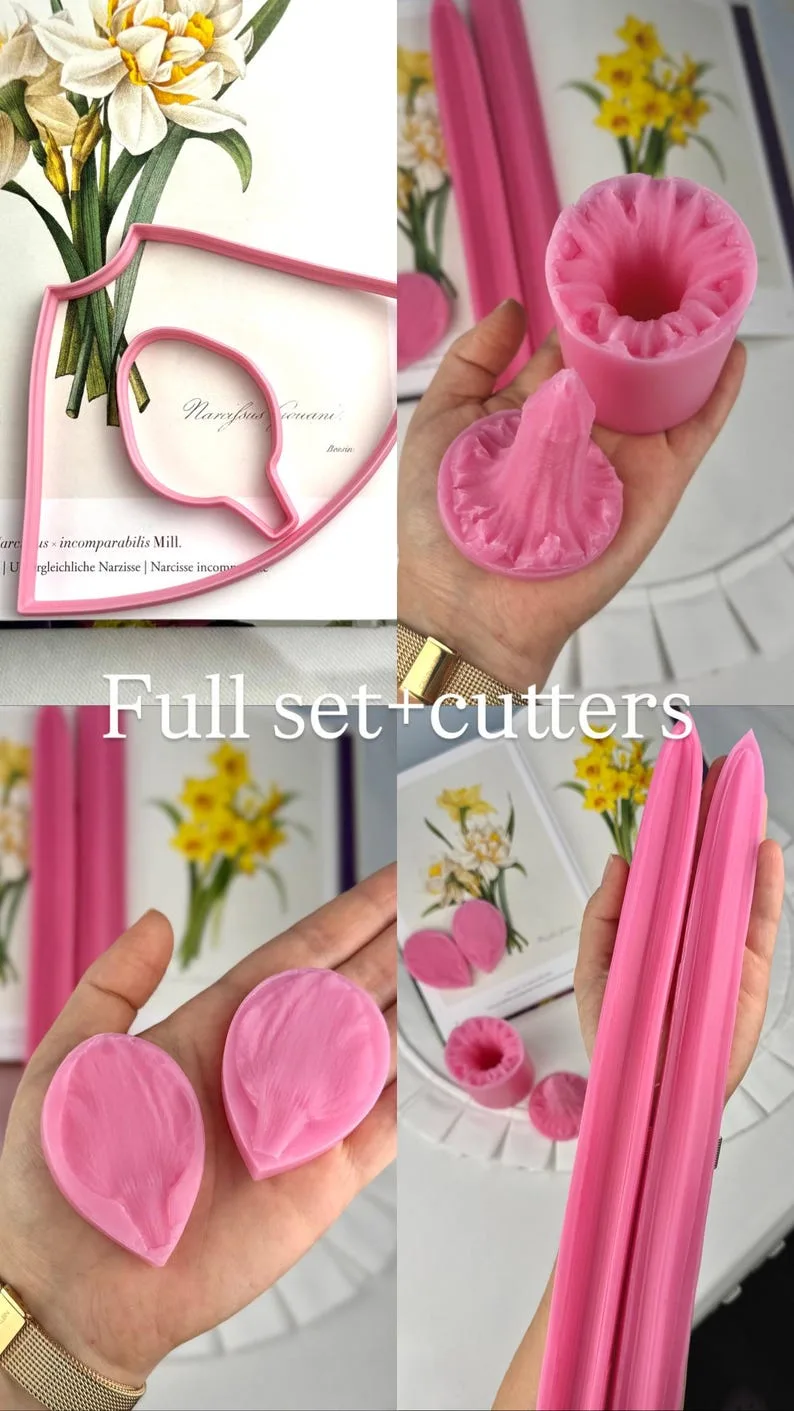
Image source: Bing (Web (fair-use with source credit))
Creating and Thinning the Six Petals
The perianth, or the six surrounding petals, requires extreme thinness to mimic the biological delicateness of real Narcissus species. Aim for transparency at the edges where the light should pass through the sugar paste. Start by rolling your paste into a thin sheet and using your petal cutter to create a clean, sharp impression.
Once cut, place the petals on a high-density foam mat. Use a ball tool, applying gentle circular pressure starting from the center and working outward toward the edge. You are essentially stretching the fiber of the paste.
If you pull too hard, the edge will tear, so use a light touch to achieve that signature ruffled look.
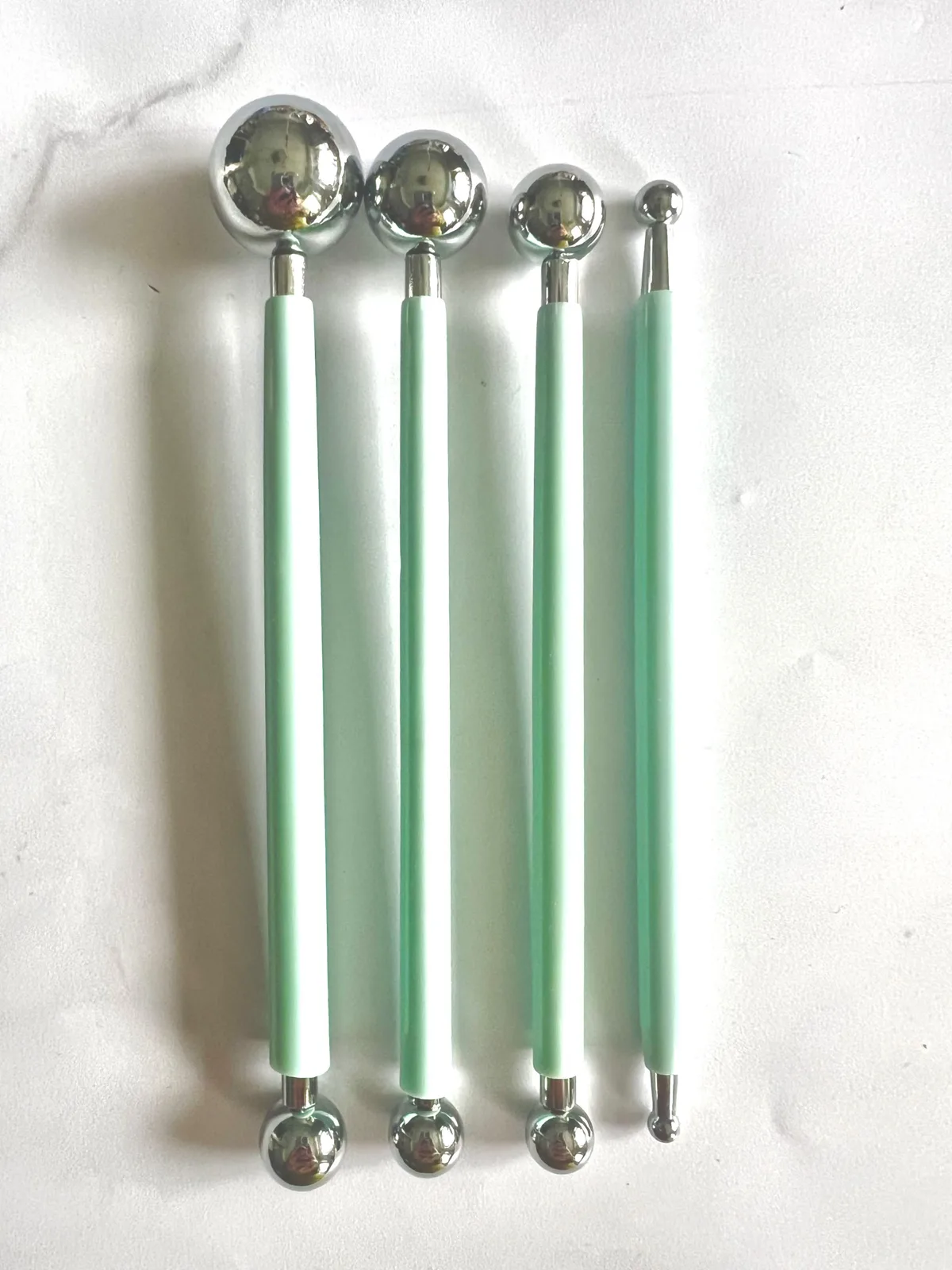
Image source: Bing (Web (fair-use with source credit))
The Importance of Curving for Organic Realism
Flat petals look unnatural because real flowers naturally hold a concave or cup-like shape to protect their reproductive organs. You must let your petals dry in a way that respects their botanical geometry. If left to dry on a flat counter, they will lose the personality you just introduced through thinning.
Use a shaped foam tray or even custom molds created from crumpled aluminum foil to cradle the petals as they cure. This provides the structural memory needed for the paste to maintain its curve permanently. Proper drying is just as vital as having the right parts for seasonal prep of your garden machinery.
Image source: Bing (Web (fair-use with source credit))
Assembly: Building the Flower on the Wire
Assembly is the stage where your individual components become a cohesive botanical replica. Begin by creating a small hook on your floral wire and securing a tiny bead of gum paste at the tip to act as an anchor. This hidden anchor holds the trumpet steady during the final stage of the build.
Thread your dried trumpet over the wire until it seats firmly against the anchor. Next, thread your two sets of petals, staggering them so none of the edges line up perfectly. This creates a natural, layered appearance that mimics actual floral growth patterns.
Use a precise amount of edible glue to seal the pieces together, ensuring you don't saturate the paste and cause it to soften.
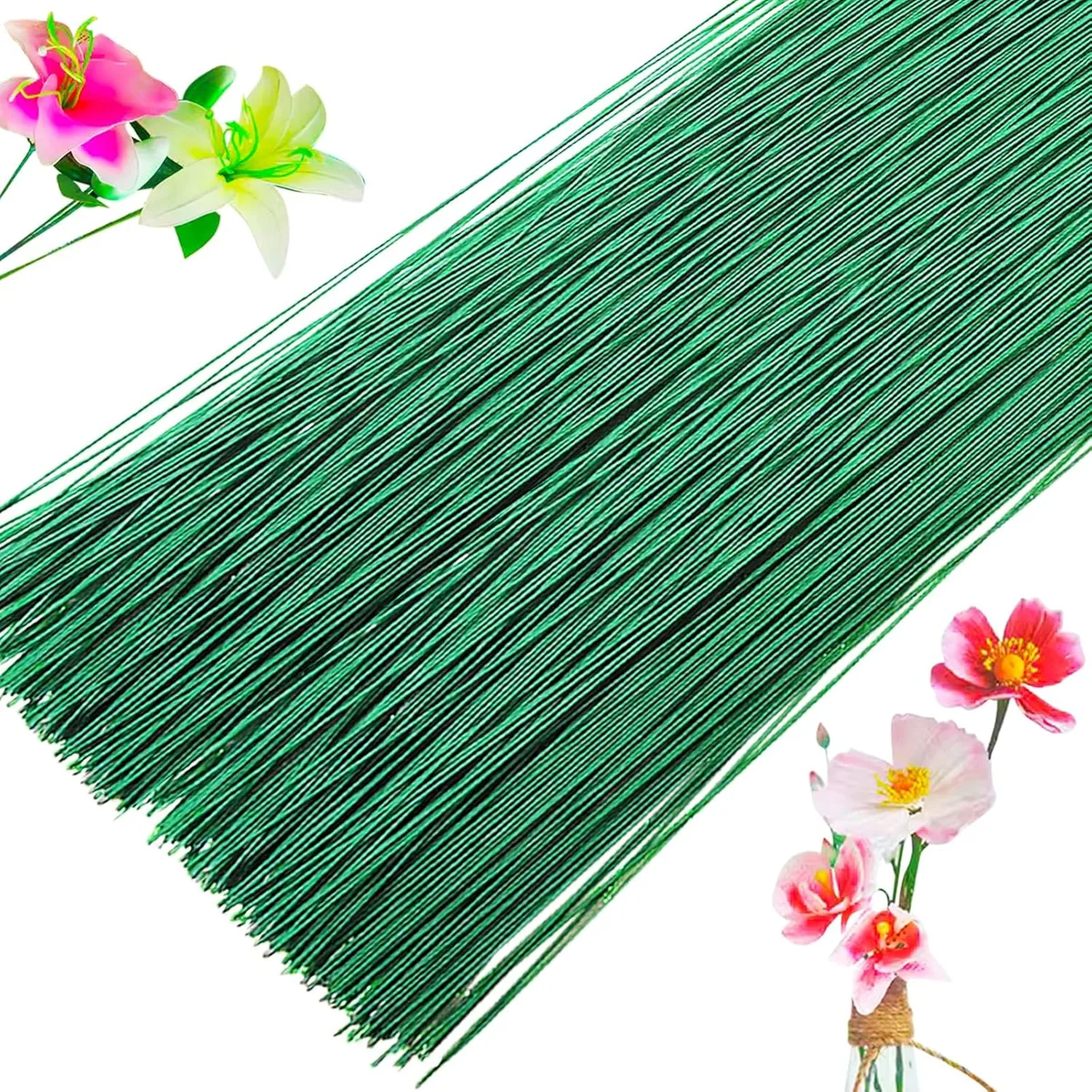
Image source: Bing (Web (fair-use with source credit))
Common Mistakes That Lead to Drooping or Cracking
Structural failure usually stems from either rushing the drying time or using too much moisture during assembly. If the paste feels soft when you attempt to move it, it has not cured long enough. Cracking, known as crazing, often happens when you use too much cornstarch while rolling the paste, creating a dry, brittle surface.
- Humidity: High-moisture environments will cause the gum paste to weep or lose its shape.
- Over-glueing: Using too much water creates a gelatinous mess rather than a secure bond.
- Rushing: Trying to assemble before the paste is rock-hard guarantees petal droop.
Think of it as similar to cleaning the air filter on a machine, where skipping a small step leads to performance issues later. Patience is your most effective tool in the kitchen.
Moisture Control and Drying Environment Strategies
You need an environment where the humidity is consistently below 50% to ensure your sugar flowers cure with professional rigidity. In humid climates, your paste may never fully harden, leaving your work vulnerable to gravity. Keep a food-grade desiccant pack in your storage container to manage the local moisture levels.
If the air in your room is too dry, on the other hand, the paste might dry out before you finish manipulating it. Finding the right balance is a skill that improves with practice, much like learning to adjust the the right oil level in small engines. Consistent conditions yield predictable, structural results.
Adding Life with Edible Luster Dusts
Color adds the final layer of realism to your sugar flowers, breaking up the flat, monochromatic look of raw gum paste. Daffodils often feature subtle color gradients, ranging from deep yellow centers to paler, cream-colored perianth petals. Using dry luster dusts with a soft, synthetic brush allows you to deposit pigment exactly where you want it.
Dip your brush into the dust and tap off the excess on a paper towel. Build your color intensity gradually, starting with the base of the petals and blending outward. This creates a natural transition that mimics vascular depth without requiring complex painting skills.
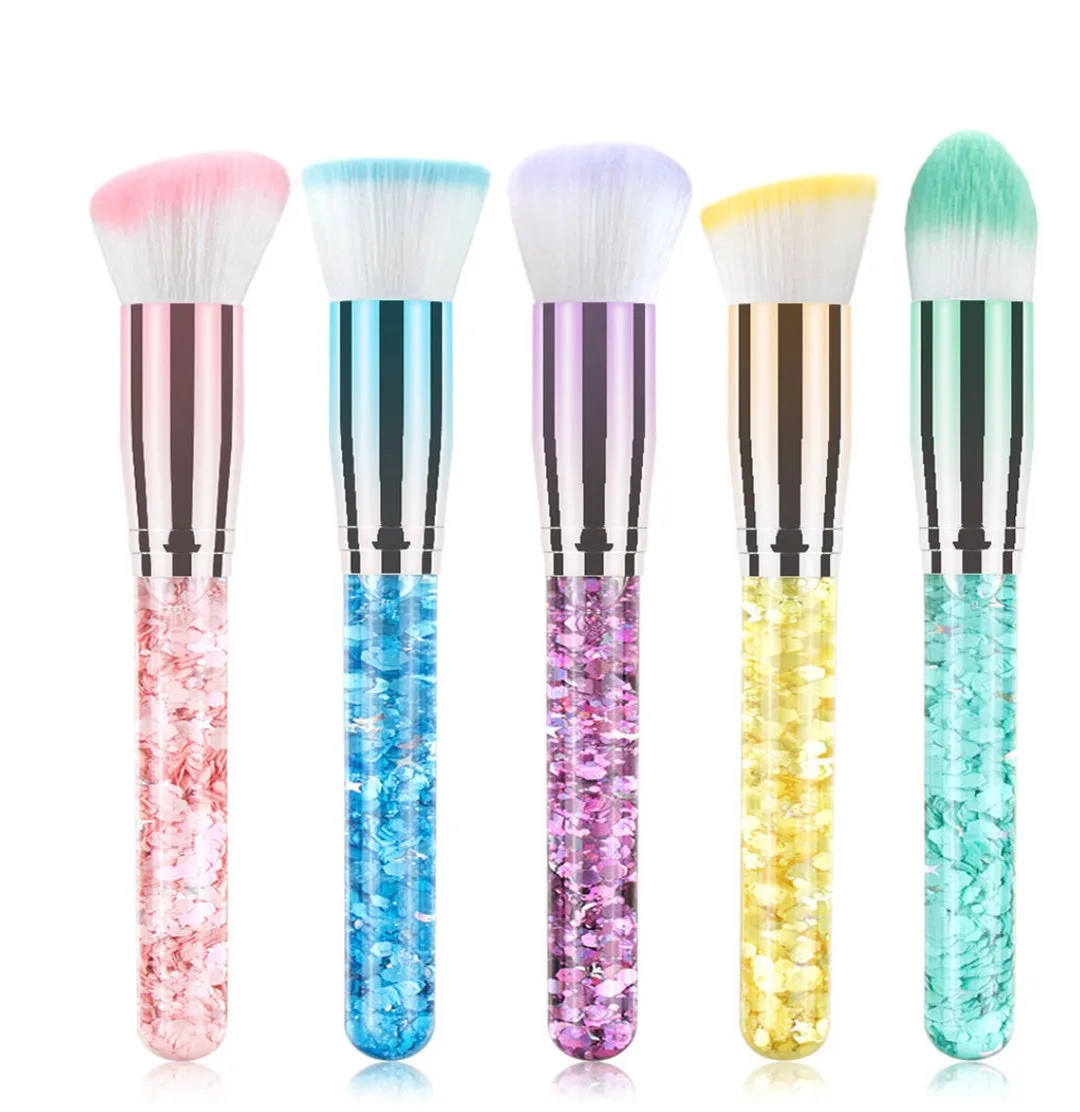
Image source: Bing (Web (fair-use with source credit))
Ensuring Your Sugar Craft is Food-Safe
Safety is paramount when creating sugar decorations for consumption. You must ensure that every material, including floral wire, tape, and dust, is explicitly labeled as food-safe or food-grade. Wires should never be inserted directly into a cake, as they can contain trace metals that are not intended for ingestion.
Always use a food-safe barrier, like a plastic straw or a dedicated flower pick, before inserting your finished daffodil into a cake tier. This prevents the wire from touching the edible surface. If you are decorating, maintain high sanitation levels to ensure no external contaminants reach your ingredients.
Frequently Asked Questions About Sugar Craft Flowers
How long does it take for gum paste to dry?
Gum paste typically requires 24 to 48 hours to dry completely, depending on the ambient humidity. You’ll know it’s ready when the petals feel rock-solid to the touch. Rushing this process risks structural collapse, much like failing to follow a proper grow tent setup guide leads to poor plant growth.
Can I use fondant instead of gum paste?
Fondant is generally unsuitable for delicate flowers because it won't harden enough to maintain sharp, thin edges. It remains soft and pliable, which is excellent for covering cakes but poor for building three-dimensional sculptures. If you want structural integrity, stick to gum paste or add a hardening agent like Tylose powder to your fondant.
Why are my petals cracking as I roll them?
Cracking usually indicates that your paste is too dry or you’ve used too much cornstarch on your workstation. Try kneading a tiny drop of shortening into the paste to restore its elasticity. Rolling the paste too thin in one pass can also cause tension cracks, so work slowly and check the edges for microscopic tears as you go.
What should I do if my petal edges are too thick?
If your petal edges remain thick, you haven't used the ball tool effectively on your foam mat. Focus your pressure on the very edge of the petal, dragging the tool slightly off the edge of the paste. This stretching process is essential for achieving a translucent look.
Consistent pressure is the key to uniform thinness.
Is it necessary to use floral tape?
Floral tape is useful for binding multiple wires together if you are creating a bouquet, but it isn’t strictly required for a single daffodil. The wire, once secured inside the paste, provides enough internal support. If you do use tape, stretch it slightly as you wrap, as this activates the adhesive properties of the wax.
How do I store my sugar flowers?
Store your completed flowers in a cardboard box away from direct light and moisture. Cardboard is preferable to plastic because it allows air to circulate, preventing condensation from forming on the sugar. Even after drying, sugar work remains hygroscopic and will soften if exposed to damp basement or kitchen air.