You've been looking forward to those beautiful blooms all year, and now you're staring at what looks like a bunch of sad, brown sticks where your butterfly bush used to be. It's a bummer, I know. But before you haul out the shovel, let's do a little detective work.
Sometimes, what looks like a dead plant is just taking a really long nap.
We're going to walk through a few simple checks to see if your butterfly bush has truly kicked the bucket or if it just needs a bit of tough love and patience. Observing plant health is key to a thriving garden.
Quick Answer
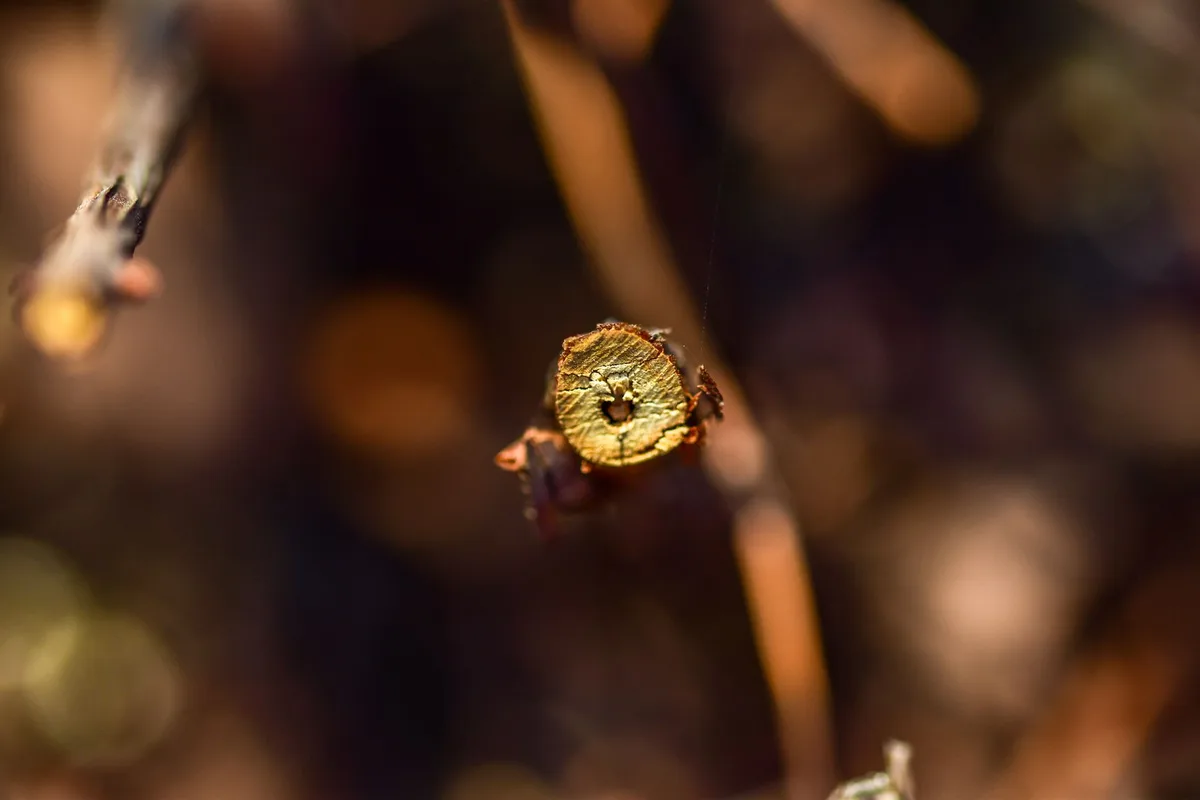
To tell if your butterfly bush is dead, perform a scratch test on the stems. Green under the bark means it's alive. Check the root crown for rot; mushy is bad, firm is good.
Look for small buds. Consider the season; it might just be dormant. If stems are brittle, brown throughout, and the crown is rotten, it's likely dead.
The Scratch Test: Your First Clue to Life
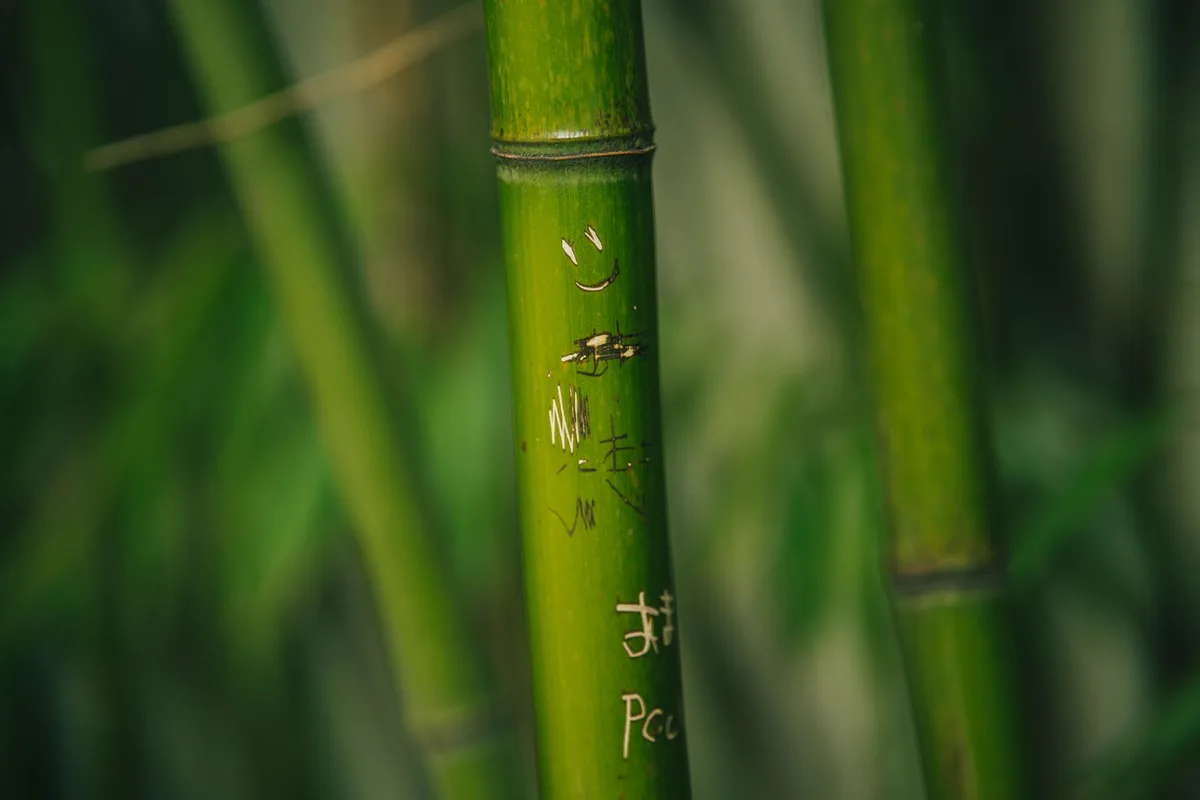
This is my go-to first move for any plant I'm unsure about. Grab a fingernail or a small, clean knife and gently scratch the bark on a few different stems. It’s a simple yet effective way to gauge what’s happening internally.
- Green underneath? This is your primary indicator of life. If you find green tissue just beneath the bark, it means there's active moisture and cellular activity in that part of the plant. Keep scratching higher up the stem and on different branches. If you find green on most of your main stems, your butterfly bush is probably not dead, just dormant or perhaps experiencing some stress.
- Brown and dry? If you scratch and encounter nothing but dry, brown, brittle wood, that particular stem is likely dead. It won’t flex; it’ll just snap. Don't despair yet! This test is often best performed on stems that are around pencil thickness, as smaller twigs can die back easily.
Inspecting the Crown: The Heart of the Plant
The "crown" is where the plant's stems meet the roots, usually right at or just above ground level. This is a critical spot because it’s the primary link between the survival of the root system and the potential for new stem growth. A healthy crown is vital, especially after a tough season, much like checking the engine of a mower after winter storage.
Dig around this area gently with your fingers or a trowel. You're looking for signs of decay or vigor.
- Is it mushy, dark, or does it smell rotten? This is a serious red flag. It could mean root rot, a fungal disease that thrives in waterlogged soil conditions. Root rot can spread rapidly and kill the entire plant, making it impossible to start.
- What if it looks firm and healthy, even if the upper stems are brown? That's a great sign! It means the roots are still alive and working. Even if the above-ground parts look completely dead, a robust root system has the potential to push out new growth come spring. For comparison, think about how a healthy mower engine can be prepared for use after a proper filter cleaning; the core components are sound.
Hunting for Buds: Tiny Hints of New Growth
Butterfly bushes are pretty good at showing you they're ready to go. Even when the branches look bare, the promise of new life is often waiting at the tips.
- Inspect the tips of the stems, especially where the flower clusters would normally form.
- Can you see any tiny, swollen buds? Even if they look small and unassuming, they are a sign of living tissue preparing to grow. Sometimes these buds are just waiting for warmer weather or more consistent watering and nutrition to really pop. Keep an eye on them.
- No buds visible at all, and the entire stem is brittle with no green underneath? This points more strongly towards the plant being dead. However, if you see any green in the scratch test, there's still a chance for these buds.
This stage is similar to checking for vital signs in any living organism; the presence of expected growth indicators is key. Unlike preparing a grow tent for new seedlings, where you start from scratch, here we're assessing existing potential. Considerations before buying a cheap indoor grow tent might involve looking at similar indicators of readiness for that setup.
Considering the Season and Your Location
This is a big one that a lot of folks forget, leading them to prematurely declare a plant dead. Timing and climate play massive roles in plant survival and appearance.
- Is it still early spring where you are? Many plants, including butterfly bushes (Buddleja), don't show significant new growth until the soil warms up properly and the days get longer. What looks dead in March or early April might be buzzing with life by May. Patience is definitely a virtue here.
- Did you have a really harsh winter? Extreme cold snaps, prolonged freezes, or late frosts can damage even established plants. Don't be too quick to judge if you've had a rough season. Severe weather can impact plant health drastically, just as it can a well-maintained lawn.
- What’s your climate zone like? Butterfly bushes are generally pretty hardy, thriving in USDA hardiness zones 5-9. However, if you're at the edge of their growing range, severe weather can sometimes do them in. For example, a zone 5 garden might experience more winter dieback than a zone 8 garden. Knowing your zone is a foundational step in gardening.
This seasonal context is crucial for accurate plant diagnosis. If your plant is showing some brown, but it’s still too cold for new growth to normally appear in your region, it’s likely just resting. This is similar to understanding why you might need to check the right oil level before starting a lawn mower after winter; the conditions dictate the readiness.
The Verdict: Dead or Just Resting?
After performing these quick checks, you should have a much clearer picture of your butterfly bush's status. It’s not always a clear-cut yes or no, but these steps help you make an educated guess.
- Green under the bark, healthy crown, and maybe some little buds? It's not dead! This means the plant has live tissue and the potential to recover. Give it some time, water it if the soil is dry (but don't drown it!), and prune out any obviously dead twigs once you see new growth starting elsewhere. This situation is quite common for many shrubs after a cold snap.
- Brown and brittle stems everywhere, mushy or rotten crown, no sign of life? While it's tough to say with 100% certainty without a plant pathologist on hand, it's highly likely that your butterfly bush is, unfortunately, done for. The combined evidence points towards irreparable damage or disease.
If it seems dead, I'd recommend waiting until mid-spring, around late May for most northern climates, just to be absolutely sure. A final bit of stubborn life can sometimes surprise you, especially if you’ve had a late frost that delayed normal growth. If after that you've got nothing, then it's probably time to say goodbye and think about a new plant to fill its spot.
Mistakes to Avoid When Diagnosing Your Bush
It's easy to jump to conclusions when your garden isn't performing as expected. However, some common missteps can lead you to make the wrong call about your butterfly bush's fate. Understanding these pitfalls can save a perfectly good plant or prevent you from wasting energy on a lost cause.
- Don't Judge Too Soon: This is especially true in early spring. Many deciduous plants, including butterfly bushes, can appear completely lifeless until the weather truly warms up. Brittle stems and no visible leaves in March do not automatically mean death if there's green under the bark or a healthy root crown. Patience is key.
- Overwatering Pitfalls: Ironically, overwatering can kill a plant that looks like it's dying from drought. Soggy soil suffocates the roots, leading to root rot. If you suspect a problem and immediately drench the plant, you could be exacerbating the issue, especially if the drainage is poor. Always check soil moisture first.
These mistakes are common, similar to how improper maintenance can impact other garden tools. For instance, failing to check the how to clean lawn mower air filter can lead to a mower that won't start, mimicking a machine failure when a simple cleaning is all that's needed.
Expert Tips for Post-Diagnosis Care
If your butterfly bush survives your diagnostic efforts, or if you decide to replace it, knowing the best practices can ensure future success. Even a seemingly dead plant may offer opportunities for learning, and a new one will certainly benefit from your knowledge.
Pruning Deadwood Promptly
Once you've determined that a stem or the entire plant is dead, it's best to prune away the dead material. This helps direct the plant's energy toward new growth if any is present, and it improves the overall appearance.
- Use clean, sharp pruning shears or a saw.
- Cut back to the nearest healthy tissue. If the entire plant is dead, cut back to the ground. New shoots often emerge from the base.
- Disinfect your tools between cuts if you suspect disease. This prevents spreading potential issues.
Patience Pays Off
After pruning or replanting, give your butterfly bush time. New growth can be slow to appear, especially after a harsh winter or significant dieback. Monitor soil moisture and avoid over-fertilizing too early, as this can sometimes stress a recovering plant.
If you've chosen to replant, ensure the new specimen is placed in a spot with good drainage and adequate sunlight. For those interested in general garden care, understanding what kind of fertilizer for grass to use can inform your approach to feeding various plants. Always check local conditions before applying any plant food, as timing matters.