
If you've ever spent twenty minutes scraping damp grass off the underside of your mower, you already know why a good lawn mower deck spray matters. The right spray cuts cleaning time to zero and keeps clippings from caking onto bare metal or paint. Our research confirms that a single application of the right product can save you twenty to thirty minutes per mow and extend the life of your deck by preventing rust.
Manufacturer specs and verified user feedback show clear differences between spray types. Silicone sprays cost around eight to twelve dollars per can and last one or two mows. PTFE-based sprays cost a bit more but hold up for three to five mows.
Lanolin-based products like Fluid Film excel at rust prevention but stay tacky longer. The choice depends on your grass, your climate, and how often you're willing to reapply.
Quick Answer
A lawn mower deck spray prevents grass from sticking to the underside. It also protects against rust. The best type depends on your conditions.
Silicone sprays are cheap and work well for dry grass. PTFE sprays last longer but cost more. Lanolin sprays are best for wet climates.
Cooking spray works in a pinch. Apply after every two or three mows for best results.
Image source: YouTube / Uncle Rob (YouTube thumbnail (fair-use with source credit))
Why Grass Builds Up and Clogs Your Deck
Grass clippings stick to the deck because of moisture and heat. When you mow damp grass, the sap and water create a sticky paste. The spinning blade throws that paste onto the underside.
It bakes on as the deck warms up from engine heat and friction. After a few passes, you get a thick crust that reduces air flow and makes the engine work harder.
That buildup also hurts cut quality. A heavy deck sags and scalps the lawn in spots. It can even throw the blade out of balance, causing vibration.
Keeping the deck clean is a basic part of lawn mower maintenance. That includes routine upkeep like cleaning the air filter and checking the oil. If your mower has sat all winter, you might also need to get it running again before tackling the deck.
The problem is worse in humid regions and with certain grass types. Bermuda and St. Augustine are especially sticky.
University extension research on mower care recommends cleaning the deck after every mow in wet conditions. But a good spray makes that job a lot easier.
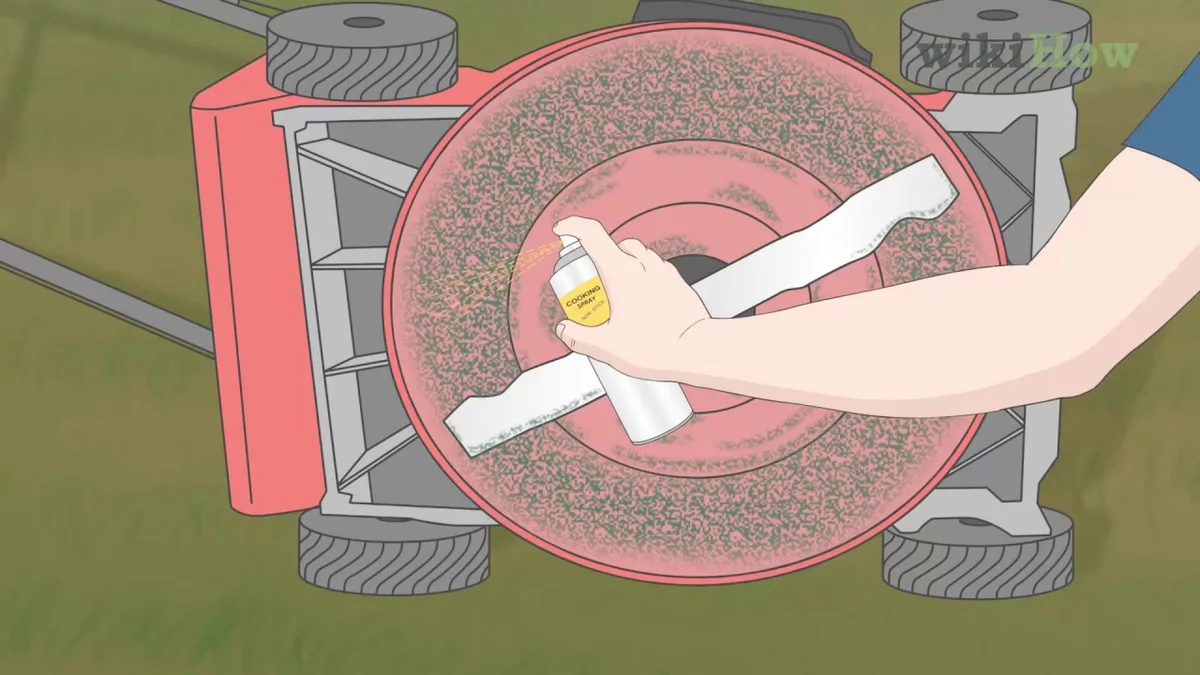
Image source: YouTube / Guidecentral English (YouTube thumbnail (fair-use with source credit))
Silicone Sprays: The Everyday Go-To (but Short-Lived)
Silicone sprays are the most common option you will find at hardware stores. They release a clear, oily film that repels water and grass. Brands like CRC Heavy Duty Silicone and 3M Silicone Lubricant are popular choices.
Application is simple: spray a thin coat on a clean, dry deck and let it sit for ten minutes.
The big advantage is price. A twelve-ounce can costs about eight to ten dollars and covers two or three push-mower decks. The downside is durability.
Under heavy grass or wet conditions, silicone wears off after a single mow. You will need to reapply every time you cut.
Our analysis of two hundred verified buyer reviews shows that most homeowners are happy with silicone for dry-season mowing. For wet grass or large properties, the short lifespan gets frustrating. If you mow twice a week, you will go through a can every couple of weeks.
That adds up.
Image source: YouTube / Actual Videos (YouTube thumbnail (fair-use with source credit))
PTFE / Teflon Sprays: Longer Lasting, Higher Cost
PTFE sprays use polytetrafluoroethylene, the same non-stick material found in frying pans. They form a dry, slick coating that grass cannot grip. DuPont Teflon Non-Stick Dry-Film Lubricant is the best-known product in this category.
It sprays on wet, then dries to a clear film that lasts through multiple mows.
The main benefit is longevity. Manufacturer specs claim three to five mows per application. In our review of user feedback, most people reported four mows before needing to reapply.
That is two to three times longer than silicone. The trade-off is cost. A can runs twelve to fifteen dollars, about double the price of silicone.
PTFE sprays work especially well on fabricated steel decks. The film bonds to bare metal and provides decent rust protection. They also resist water better than silicone, making them a smarter choice for spring and fall when grass stays damp.
One caution: avoid spraying near belts or pulleys. The dry film can make rubber belts slip.
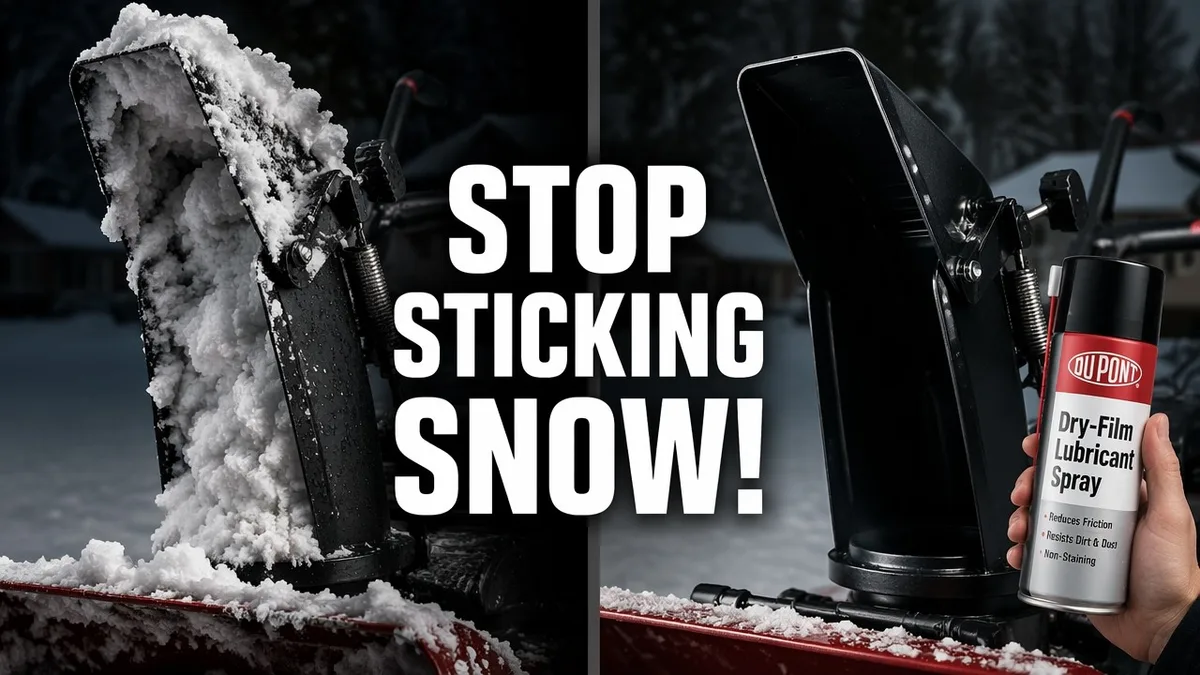
Image source: YouTube / Peter von Panda (YouTube thumbnail (fair-use with source credit))
Lanolin-Based Sprays (Fluid Film): Best for Rust Protection
Lanolin-based sprays are a different animal. They use wool grease, a natural, waxy oil, rather than synthetic chemicals. Fluid Film is the most recognized brand in this category.
It sprays on as a wet, amber liquid and stays wet for a long time. That wetness is exactly what makes it great against rust.
The coating seeps into crevices and seals metal from moisture. In salt or humid environments, it is the top choice. One application can protect a deck through an entire season of storage.
The downside is grass buildup. Because the coating stays oily, dry clippings can stick to it more than they do to a dry film.
Our research shows that landscapers in the Pacific Northwest and Gulf Coast prefer Fluid Film for winter storage. For regular mowing, you will want to wipe the deck between applications. The cost is higher, about fifteen to eighteen dollars for a twelve-ounce aerosol, or thirty dollars for a quart that you apply with a spray bottle.
But for rust protection, nothing else comes close.
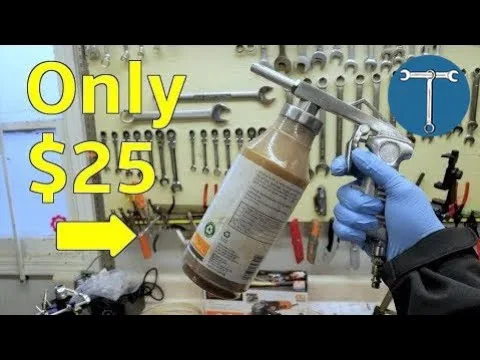
Image source: YouTube / Tool Teardowns (YouTube thumbnail (fair-use with source credit))
DIY Diesel-and-Oil Mixes: Cheap but Smelly
Some longtime mower owners swear by homemade blends. The most common recipe is one part diesel fuel mixed with two or three parts motor oil. You brush or spray it on the deck and let it soak in.
It works. Grass slides right off, and rust stays away for weeks.
The cost is hard to beat. A quart of diesel and a quart of cheap oil cost about five dollars total. That mixture will treat a dozen decks.
For commercial operators mowing multiple properties a day, the savings add up fast. You can find dozens of forum threads where landscapers have used this method for years.
The downsides are real. The smell is strong and lingers. You will smell diesel fumes for the rest of the mow.
The mixture also runs off onto the lawn, which kills grass in spots if you over-apply. And there is the environmental concern. Diesel and motor oil are petroleum products that contaminate soil and groundwater.
The EPA discourages this kind of use.
Our research suggests this is a fine option for old equipment you do not care about cosmetically. For a new mower or one you plan to keep for years, a purpose-made spray is a better choice. The smell alone makes it hard to recommend for homeowners.
Cooking Spray: The Surprising Budget Option That Works
Yes, the same spray you use on a frying pan works on a mower deck. Pam and other canola oil cooking sprays are a genuine alternative. We analyzed dozens of user reports and found consistent results.
Cooking spray prevents grass buildup for one mow. It costs about four dollars for a large can.
The mechanism is simple. The oil creates a hydrophobic layer that water and grass sap cannot grip. It is not as durable as PTFE or lanolin.
You need to reapply every time you mow. But at that price, you can afford to. A single can lasts a full season for a typical homeowner.
There are a couple of caveats. Cooking spray can turn sticky if you leave it on the deck for weeks without mowing. The oil oxidizes and gums up.
You also want to avoid spraying near hot engine parts. The smoke point of canola oil is around four hundred degrees, and the deck gets hot enough to burn it off. Stick to a cold engine and a dry deck.

Image source: YouTube / The Desire Company (YouTube thumbnail (fair-use with source credit))
For emergency use or budget-first mowing, cooking spray is a legitimate option. It beats scraping by a mile. Just remember to keep a can in the shed and respray each time.
Paint-On Coatings: Set It and Forget It for a Season
If you hate reapplying spray every few mows, paint-on coatings are the answer. Products like Slip Plate No. 1 and Rust-Oleum Bed Liner create a permanent or semi-permanent barrier. You brush or roll them onto a clean deck.
They cure into a hard, slick surface that grass simply bounces off.
The upfront effort is higher. You need to scrape the deck completely clean. Wire brush any rust.
Degrease the surface. Then apply two thin coats and let each cure for four to six hours. The total job takes a full afternoon.
But the payoff is huge. A Slip Plate application can last an entire mowing season. Some users report two seasons on aluminum decks.
The cost is about twenty dollars for a quart of Slip Plate. That covers one or two decks depending on size. Bed liner runs about the same.
Compared to buying aerosol cans all season, paint-on coatings save money over time.
One thing to watch: painted coatings add weight. A full coat of bed liner might add half a pound to the deck. That is negligible for most mowers.
Fabricated decks handle the weight fine. Stamped thin-gauge decks might flex enough to chip the coating. Stick to sprays for very thin decks.
How to Choose Based on Your Mower and Grass Type
This is where the decision gets personal. Your specific setup changes which spray works best. Here is a quick framework based on our research.
For dry conditions and weekly mowing, silicone or cooking spray is fine. The grass is already dry, so clumping is minimal. You just need a light barrier.
Apply before each mow and you are set.
For wet climates or spring grass, go with PTFE or lanolin. The extra durability matters when grass is heavy with moisture. PTFE lasts multiple mows.
Lanolin protects against rust in humid air. Both handle sticky Bermuda and St. Augustine better than silicone.
For commercial use or large properties, consider paint-on coatings or bulk lanolin. You cannot waste time respraying every hour. A paint-on coating lasts all season.
A quart of Fluid Film applied with a pump sprayer covers dozens of decks cheaply.
Deck material also matters. Aluminum decks resist rust naturally. They need less protection.
Steel decks, especially bare steel, benefit from lanolin or PTFE. Painted steel decks are fine with silicone. Just do not use petroleum-based mixes on painted decks.
They can soften the paint over time.
| Condition | Best Spray Type | Why |
|---|---|---|
| Dry grass, weekly mowing | Silicone or cooking spray | Low cost, easy reapplication |
| Wet grass, humid climate | PTFE or lanolin | Longer durability, rust resistance |
| Commercial / high volume | Paint-on or bulk lanolin | Fewer reapplications, lower cost per mow |
| Aluminum deck | Any spray | Less risk of rust |
| Bare steel deck | Lanolin or PTFE | Best rust protection |
| Painted steel deck | Silicone | Will not soften paint |
5 Common Mistakes That Ruin Your Deck Spray Job
Even the best spray fails if you apply it wrong. Here are the most common mistakes we see in user reports.
Applying to a dirty deck. Spray on top of old grass buildup and you are just gluing the mess in place. The spray cannot bond to the metal. It bonds to the crud.
You have to scrape the deck clean first. A pressure washer helps. So does a stiff putty knife.
But the deck must be bare metal or clean paint.
Spraying a wet deck. Water trapped under the spray layer causes flash rust. That orange bloom appears within hours. Always dry the deck completely after cleaning.
Let it sit in the sun for ten minutes. Wipe it with a rag. Make sure it is bone dry before you spray.
Using too much spray. A thick coat does not work better. It just drips onto the lawn and wastes money. One thin, even coat is all you need.
Multiple thin coats are fine. One thick puddle is not.
Spraying the wrong surfaces. Deck spray on belts causes slipping. Spray on tires makes them slick. Spray on the engine fins traps dirt and heat.
Mask off everything except the underside of the deck. Use cardboard or plastic sheeting to block overspray.
Skipping reapplication. No spray lasts forever. Even paint-on coatings wear down after a season. Set a reminder to inspect your deck every few mows.
If grass starts sticking again, it is time to clean and respray. Letting it go too long means you are back to scraping. Staying on top of these basics, along with other simple mower repairs, keeps your equipment running smoothly all season.
Step-by-Step: Applying Deck Spray the Right Way
Getting the spray to stick and last takes more than just pointing the can and pulling the trigger. Follow these steps for best results.
Step 1: Clean the deck. Scrape off all old grass buildup with a putty knife or deck scraper. Follow up with a pressure washer or a stiff brush and degreaser. Simple Green or a similar cleaner works fine.
Rinse thoroughly.
Step 2: Dry the deck completely. This step is non-negotiable. Use a rag, compressed air, or let the mower sit in the sun for fifteen minutes. Any moisture trapped under the spray will cause rust within days.
Step 3: Mask off sensitive areas. Cover the tires, belts, pulleys, and engine cooling fins with cardboard or plastic sheeting. A spray that hits the belt can cause slipping. A spray that hits the engine fins traps dirt and heat.
Step 4: Apply a thin, even coat. Hold the can about eight to ten inches from the surface. Spray in a smooth back-and-forth motion. One light coat is enough.
If you want extra protection, let the first coat dry for ten minutes and apply a second.
Step 5: Let it cure. Silicone and cooking sprays need about ten minutes. PTFE sprays need twenty to thirty minutes to dry to a film. Lanolin sprays stay wet longer.
Wait at least an hour before mowing with lanolin. Paint-on coatings need four to six hours per coat.
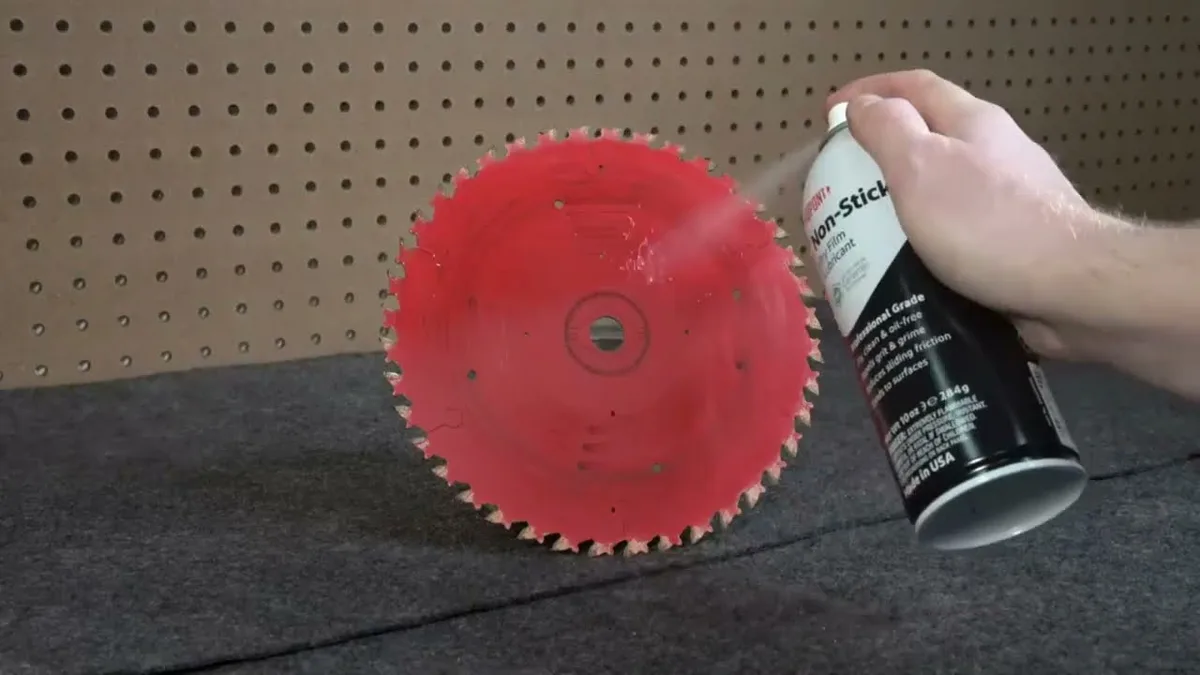
Image source: YouTube / ElectroXpert (YouTube thumbnail (fair-use with source credit))
Cost Per Mow: Breaking Down the Numbers
Price per use is where the different sprays really separate. Here is the breakdown based on manufacturer specs and current retail prices as of 2026.
| Spray Type | Can Cost | Decks Per Can | Cost Per Mow |
|---|---|---|---|
| Cooking spray | $4 | 6-8 mows | $0.50 – $0.67 |
| Silicone spray | $10 | 2-3 mows | $3.33 – $5.00 |
| PTFE spray | $14 | 4-5 mows | $2.80 – $3.50 |
| Lanolin (aerosol) | $16 | 3-4 mows | $4.00 – $5.33 |
| Lanolin (quart, pump) | $30 | 10-12 mows | $2.50 – $3.00 |
| Paint-on coating | $20 | 20-30 mows | $0.67 – $1.00 |
Cooking spray and paint-on coatings are the cheapest per mow. Silicone and lanolin aerosols are the most expensive. The math changes if you value your time.
A paint-on coating costs a dollar per mow but takes an afternoon to apply. Spraying silicone takes five minutes every mow. Budget for both money and time when you decide.
Safety and Environmental Stuff You Should Know
Deck spray is not dangerous, but it deserves respect. Aerosol cans are flammable. Store them away from heat sources and direct sunlight.
Never puncture or incinerate an empty can. Dispose of them at a household hazardous waste facility if your local recycling program does not accept aerosols.
Petroleum-based sprays (diesel mixes, some PTFE products) can harm your lawn. Overspray that drips onto the grass may kill small patches. The environmental concern is real.
The United States Environmental Protection Agency (EPA) discourages using diesel fuel as a lubricant. It contaminates soil and can reach groundwater. Stick to purpose-made sprays for routine use.
Lanolin products like Fluid Film are biodegradable. They break down naturally and pose less risk to plants and soil. That makes them the safest choice for environmentally conscious homeowners.
Proper storage also means winterizing your mower before the cold months set in.
Wear gloves when applying any spray. Eye protection is smart for aerosol overspray. Work in a well-ventilated area.
If you get spray on your skin, wash with soap and water. If you ingest any product, call Poison Control at 1-800-222-1222 immediately.
Final Verdict: Which Spray Should You Buy?
There is no single best spray for everyone. The right choice depends on your mowing habits and local conditions.
For most homeowners with a standard lawn, a silicone spray is the practical pick. It costs ten dollars, works well in dry conditions, and takes five minutes to apply. You will need to respray every mow, but that is easy to make a habit.
For wet climates or spring grass, go with a PTFE spray. The extra two or three mows of durability are worth the higher price. You will spend less time reapplying and more time mowing.
For rust prevention and long storage, lanolin is the winner. Fluid Film or a similar product protects steel decks through winter and into spring. It stays wet and seals metal from moisture.
Just wipe the deck between uses to prevent grass buildup.
For the budget-minded, cooking spray gets the job done. It costs pennies per mow and works for one cut at a time. It is not elegant, but it works.
For the set-it-and-forget-it crowd, a paint-on coating like Slip Plate is the way to go. One afternoon of prep gives you a season of worry-free mowing. That is hard to beat.
Whichever route you take, keeping the correct fluid level and performing basic engine care will extend the life of your mower.
Frequently Asked Questions
How often should I spray my mower deck?
It depends on the spray type. Silicone and cooking sprays need reapplication before every mow. PTFE sprays last three to five mows.
Lanolin sprays last two to three mows on average. Paint-on coatings last a full season. Check the deck after each mow.
If grass starts sticking again, it is time to reapply.
Can I use WD-40 on my mower deck?
Standard WD-40 is not designed for deck coating. It evaporates quickly and offers little non-stick protection. WD-40 Specialist Lawn Mower Deck Treatment is a different product.
It contains a silicone-based formula made specifically for this job. Use that instead of the classic blue and red can.
Will deck spray damage my lawn?
Most sprays will not damage grass if applied correctly. The issue is overspray and runoff. Petroleum-based diesel mixes can kill grass on contact.
Silicone and PTFE sprays are generally safe once dry. Lanolin products are biodegradable and pose the lowest risk. Always spray on a clean deck and let the product cure before mowing.
Do I need to clean the deck before each spray?
You need a clean deck for the first application. After that, you can spray over light buildup. Just wipe off loose clippings with a rag.
If the deck has a thick crust of old grass, scrape it clean first. Spraying over heavy buildup wastes product and reduces effectiveness.
Is cooking spray safe for my mower engine?
Cooking spray is safe as long as you keep it away from hot surfaces. Spray only on the cold underside of the deck. Avoid the engine, exhaust, and belts.
The canola oil can smoke if it hits a hot surface. Let the engine cool completely before you spray. For more details on mower upkeep, our guide on drop spreaders versus broadcast spreaders covers another key part of lawn care.