
So, you've planted a plum tree and you're eager for that first taste of sweet, juicy fruit. It's a common question: plum tree how long to fruit? While the thought of your own homegrown plums is exciting, patience is definitely a virtue when it comes to fruit trees.
Generally, you can expect that first significant harvest between 3 to 5 years after planting a young, grafted tree. Of course, a variety of factors play a role in this timeline, and understanding them helps set realistic expectations for your home orchard.
Quick Answer: First Plums in 3-5 Years
Plum trees typically start producing fruit 3 to 5 years after planting a nursery-grade grafted tree. Trees grown from seed may take considerably longer, potentially 5 to 7 years, and their fruit quality can be unpredictable. Key factors influencing this timeline include the specific plum variety, proper pollination, and overall tree health.
Understanding Plum Tree Growth Cycles
A plum tree goes through distinct phases of development from planting to peak fruit production. These phases are driven by the tree’s biological needs: establishing a strong foundation, growing vegetatively, and then shifting energy into producing flowers and fruit. For new gardeners, recognizing these stages is crucial for understanding why fruit doesn't appear immediately.
The first few years are all about building a robust root system and a healthy tree structure. Think of it like a plant’s adolescence; it’s focused on getting bigger and stronger, not on producing off-spring (in this case, fruit). This period of vegetative growth is essential for the tree's long-term health and its eventual ability to bear abundant fruit.
Understanding these cycles helps manage expectations and ensures you're providing the right care at the right time.
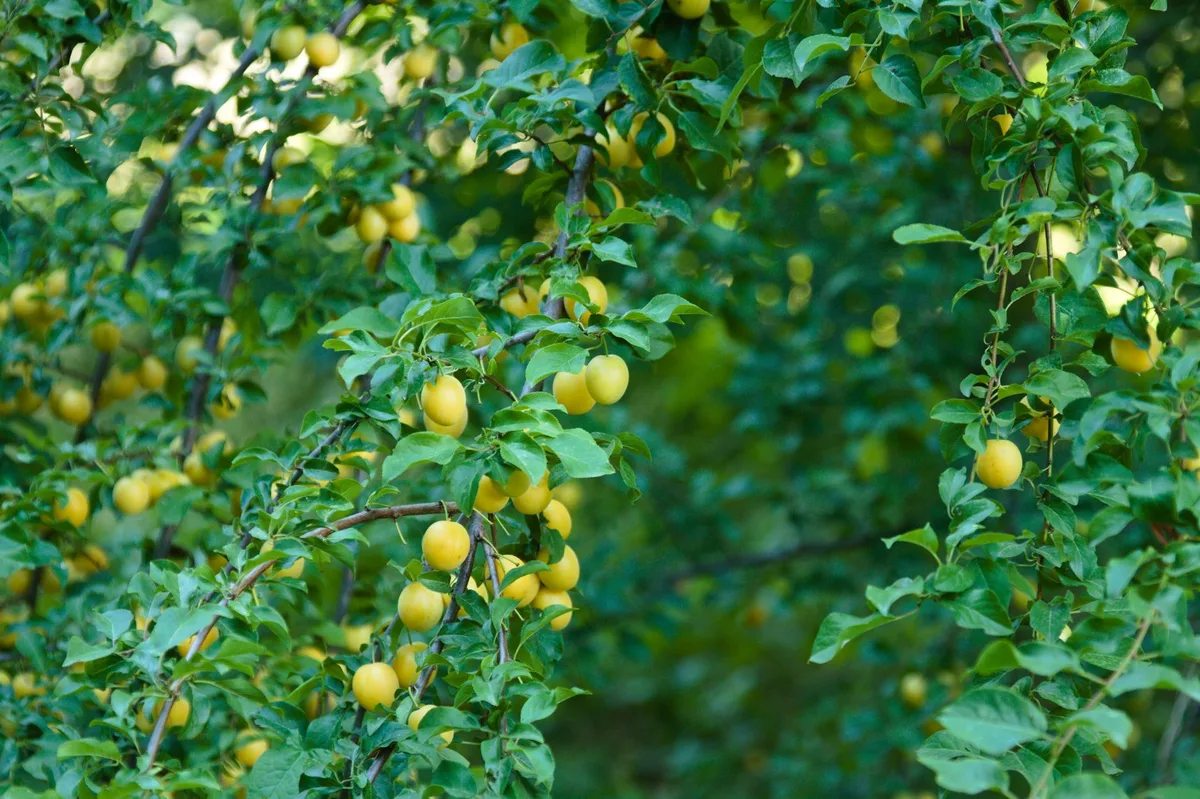
What Influences How Soon Your Plum Tree Fruits?
Several factors determine when your plum tree will start rewarding you with delicious fruit. It’s not just a simple waiting game; active care and the right conditions significantly impact the fruiting timeline.
Plum Tree Varieties & Fruiting Speed
Just like different types of apples ripen at different times, plum varieties have their own natural schedules for reaching fruiting maturity. Some are bred to be early producers, while others might take a bit longer to establish themselves before they start setting fruit. Dwarf varieties, often chosen for smaller gardens, can sometimes begin fruiting a year or two sooner than their standard-sized counterparts.
This is because their overall growth is naturally more compact, putting them into a reproductive phase more quickly.
The Impact of Planting: Grafted vs. Seed-Sprouted Trees
When you buy a plum tree from a nursery, it’s almost always a grafted tree. This means a desirable fruiting variety (scion) has been joined to a hardy rootstock. This process guarantees you get the specific type and quality of fruit you expect, and more importantly, it significantly speeds up the time to first fruit.
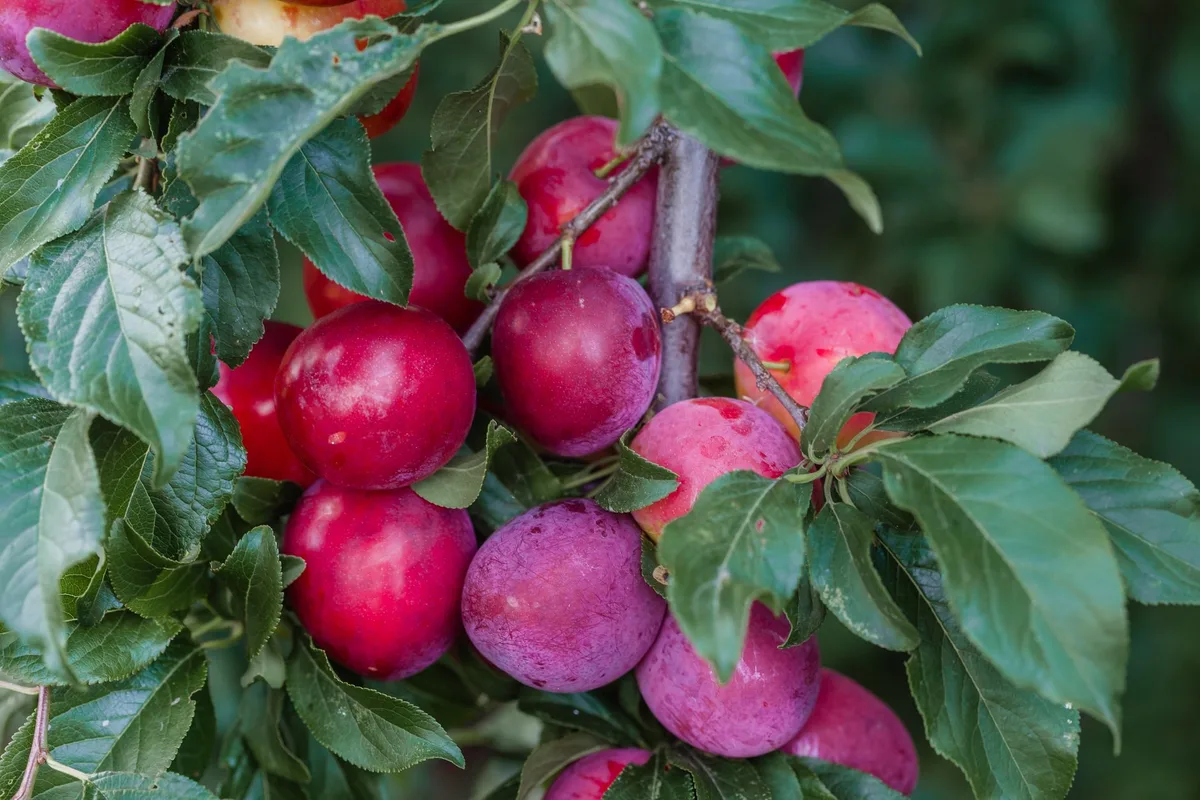
Growing a plum tree from a seed (or pit) is a completely different story. While it’s a fun experiment, you’re essentially starting from scratch. These trees can take much longer to mature, often 5 to 7 years, and there's no guarantee the resulting fruit will be similar to the parent plum.
Commercial growers and experienced gardeners almost exclusively use grafted trees for predictable results and shorter wait times.
Essential Pollination Partners for Your Plum Tree
This is a critical factor that many new growers overlook! Many plum varieties are not self-fertile, meaning they need pollen from a different plum tree of a compatible variety to produce fruit. If you have only one plum tree and it requires cross-pollination, you might wait years for fruit, or never get any at all.
When selecting trees, it's vital to check the pollination requirements for your specific variety. Often, you'll need to plant at least two different plum trees that bloom around the same time. There are also self-fertile varieties, but even these can sometimes benefit from a nearby pollinator for a heavier crop.
Always confirm the needs of your tree to avoid disappointment.
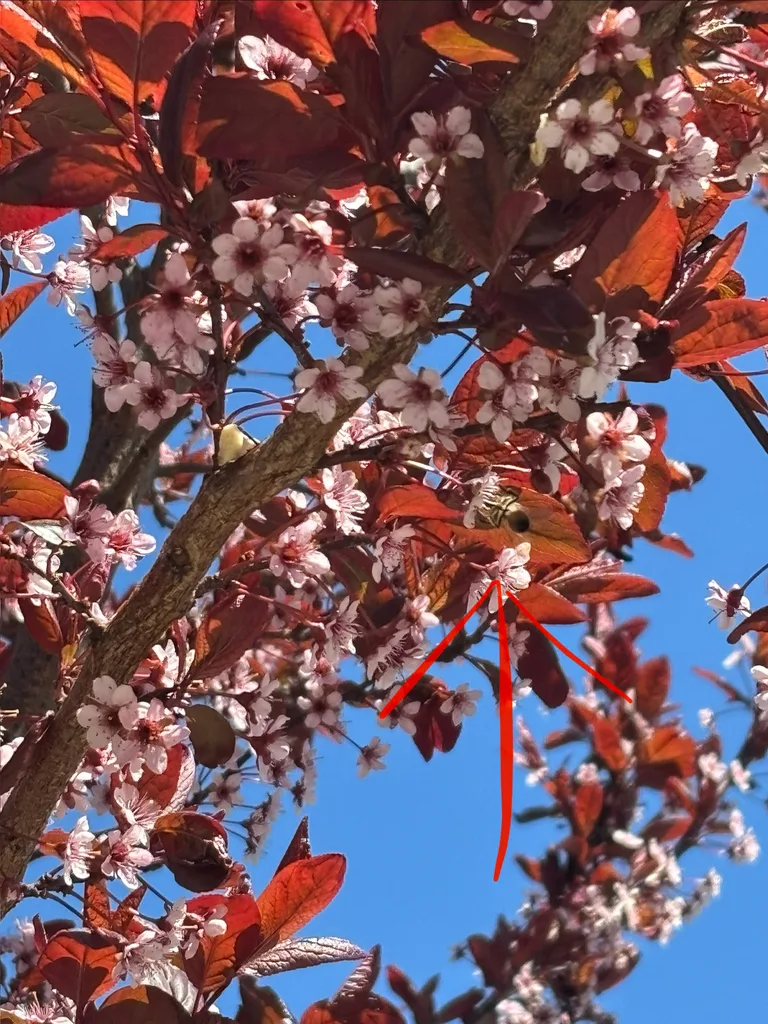
The First Few Years: Growth and Establishment
Those initial years are crucial for developing a strong, healthy plum tree that will provide fruit for decades. It’s a period of learning for the tree as it settles into its environment.
Year 1-2: Building Roots and Structure
When you first plant your young plum tree, its primary focus is on root development. It needs to establish a strong anchor in the soil and begin drawing up the water and nutrients needed for growth. You’ll notice new leaf and branch growth, but this is all about building the tree’s framework.
Commercial specifications for optimal tree establishment often recommend consistent watering and avoiding excessive pruning during this phase.
Many horticulturists advise against letting a young tree bear fruit in its first year or two. If a few flowers do appear, it’s often best practice to thin them out or remove them entirely. This allows the tree to channel all its energy into growing a robust root system and a sturdy trunk and branch structure, which will support much heavier fruit loads later on.
Year 3-5: The Anticipated First Harvest
This is the sweet spot where your patience starts to pay off. By year three, and certainly by year five, your plum tree should be mature enough to produce its first significant crop of plums. You'll see a good number of blossoms in the spring, and if pollination has been successful, those flowers will develop into developing fruit.
The yield in these early fruiting years might not be massive. You'll likely get a few plum-sized fruits that grow and ripen. This is a normal part of the process.
The tree is still getting accustomed to the demands of fruit production. Don't be discouraged if the first crop is somewhat small; it's a sign of good things to come. This is also a good time to start thinking about pruning techniques to maintain fruit quality and tree health, similar to how one might approach maintenance for garden tools.
Beyond the First Harvest: Moving Towards Prime Production
Once your plum tree has successfully fruited for the first time, it enters a new phase of its life. From year five onwards, it typically transitions into its prime fruiting years. The tree's structure is well-established, its root system is extensive, and it has built up the reserves needed to produce abundant crops consistently.
In these prime years, you can expect larger yields and better-quality fruit, assuming you continue with good horticultural practices. This includes proper pruning to manage disease, improve air circulation, and encourage the growth of strong fruiting spurs. Regular fertilization tailored to fruit trees, such as using a balanced fertilizer in spring, can also support this production.
For advice on general garden feeding, you might look into what kind of fertilizer for grass to use. The tree becomes a reliable source of fruit, providing a satisfying harvest year after year.
Key Mistakes That Delay Plum Tree Fruiting
Sometimes, plum trees don't produce fruit as expected, and it's often due to common, correctable mistakes. Understanding these pitfalls can save you years of waiting and ensure your tree thrives.
Choosing the Wrong Variety
Selecting a plum variety without considering your local climate or pollination needs is a surefire way to delay or prevent fruiting. Some varieties require specific chilling hours (number of cold days per year) to set fruit, while others are more suited to warmer climates. If you plant a variety that struggles in your region, it won't have the vigor to produce fruit.
It's essential to research varieties recommended for your specific USDA hardiness zone.
Neglecting Pollination Needs
As mentioned earlier, many plum trees rely on cross-pollination. If you plant a single, non-self-fertile tree, it simply won't have the necessary pollen source to create fruit. This is one of the most common reasons for a lack of fruit for years.
Always confirm if your tree is self-fertile or if it requires a companion pollinator planted nearby.
Poor Planting and Early Care
A tree planted in poor soil, without adequate sunlight (at least 6-8 hours daily), or with inconsistent watering will struggle to establish itself. A stressed tree will prioritize survival over fruit production. For instance, inadequate water can lead to wilting and stunted growth, hindering its ability to perform the complex biological processes needed for flowering and fruiting.
Proper soil preparation, using the right tools like a shovel for planting, and consistent aftercare are fundamental. For related garden maintenance topics, understanding when to fertilize lawn or how to use a leaf blower can offer broader insights into consistent garden care.
Expert Insights for Faster Fruiting
Experienced growers and horticulturalists often employ specific strategies to encourage plum trees to fruit sooner and more reliably. These aren't strictly required, but they can nudge a tree along.
- Proper Site Selection: Ensure your tree is planted in a location that receives full sun (6-8 hours minimum daily) and has well-draining soil. Avoid areas prone to frost or waterlogging.
- Consistent Watering: Especially during the establishment phase and dry periods, regular watering is key. The soil should be moist but not saturated.
- Balanced Fertilization: Use a fertilizer formulated for fruit trees, or a balanced general fertilizer, in the early spring. Avoid over-fertilizing, which can promote excessive leafy growth at the expense of flower bud formation. For grass, the spring application might be around what fertilizer to use in spring at your garden.
- Strategic Pruning: While you don't want to prune heavily in the first few years, proper structural pruning in late winter or early spring can encourage better branching and fruiting wood development. This is a skill that improves with practice, much like learning how to start a lawn mower after winter or figuring out maintenance.
- Encourage Pollinators: Plant flowering plants nearby that attract bees and other beneficial insects. The more pollinators you have, the better your chances of successful fruit set.
Real Scenarios: What "Fruiting" Actually Looks Like
The term "fruiting" can mean different things to different people. For a plum tree, it begins with blossoms, which then develop into small, green fruits. These fruits will then swell and ripen over the summer months, changing color and texture.
A true fruiting experience means successfully growing these plums to a point where they are edible and enjoyable.
For a young tree, the first few years of "fruiting" might only involve a handful of fruits per season. This is entirely normal. The tree is still maturing and building its capacity.
By year 5, as mentioned, the expectation shifts to a more substantial yield, with dozens of plums developing on well-cared-for trees. It’s a gradual progression, not an overnight transformation.
FAQs About Plum Tree Fruit Timelines
How long does it take for a plum tree to produce fruit?
A typical plum tree, when grafted, will start producing fruit within 3 to 5 years of planting. Trees grown intentionally from seed will take longer, often 5 to 7 years, and may not produce fruit true to the parent.
Can I speed up my plum tree's fruiting?
You can encourage faster fruiting by ensuring optimal growing conditions: full sun, well-drained soil, adequate watering, and crucially, the correct pollinator. Proper pruning and balanced feeding also support quicker maturity.
What if my plum tree has flowers but no fruit?
This usually indicates a pollination problem. If your plum tree variety requires cross-pollination, the absence of a compatible pollinator is the likely cause. Alternatively, poor weather during the bloom period or a stressed tree can also lead to a lack of fruit set.
Is it normal for a young plum tree to drop its fruit?
Yes, it’s quite normal for young plum trees to drop a significant portion of their developing fruit, especially in the first few years. This is a natural thinning process the tree performs to ensure it can adequately support the remaining fruit.
How many plum trees do I need for fruit?
This depends entirely on the variety. Self-fertile varieties can produce fruit with just one tree. However, many common plum varieties are not self-fertile and require at least one other compatible plum tree variety to be planted nearby for successful pollination and fruit production.
Will a dwarf plum tree fruit faster?
Dwarf plum trees often begin fruiting a bit earlier, typically within 2 to 4 years, compared to standard varieties. Their compact growth habit means they reach maturity more quickly.
What does a plum tree look like in its first year?
In its first year, a plum tree focuses on root development and establishing a healthy canopy. You'll see new leafy growth and branches, but it's unlikely to produce significant flowers or fruit. It's common for experienced gardeners to remove any early fruit sets to help the tree conserve energy for growth.