

Let's Talk Grass: Quackgrass vs. Tall Fescue
If you're staring at your lawn and can't tell the difference between the grass you want and the grass you don't, you're not alone. Understanding how to distinguish aggressive weeds from desirable turf makes all the difference in achieving that picture-perfect yard. Getting this identification right is the first step to taking control.
Our research indicates that many homeowners struggle with identifying invasive grasses. For instance, quackgrass (Agropyron repens) can quickly take over, but tall fescue (Festuca arundinacea) offers a resilient and attractive alternative. Knowing their key features, like growth habits and leaf texture, is crucial, and industry standards often cite specific morphological differences for accurate turfgrass identification.
Quick Answer
Quackgrass is a highly invasive weed known for aggressive spreading via rhizomes. Tall fescue is a desirable, cool-season turfgrass with deep roots and good drought tolerance. The main differences lie in quackgrass's invasive rhizome system compared to tall fescue's more clumping growth habit and superior lawn-building qualities.
Is This Grassy Invader Taking Over Your Lawn? Identifying Quackgrass
That stubborn, fast-spreading grass popping up everywhere? There's a good chance it's quackgrass. This perennial weed is a real opportunist, willing to grow in almost any spot it can get a foothold.
Its primary characteristic that makes it a lawn nightmare is its aggressive underground network of stems called rhizomes.
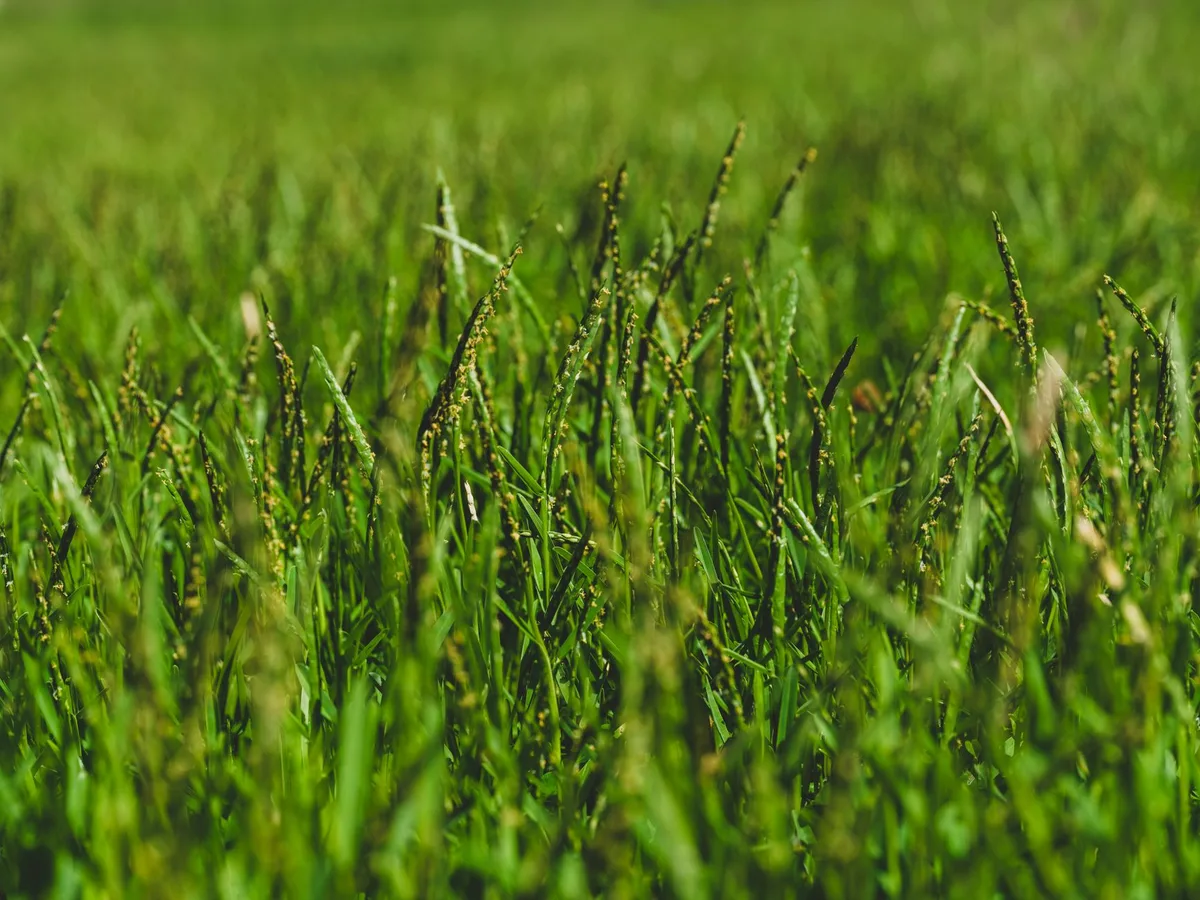
These rhizomes are what allow quackgrass to spread so rapidly and make it incredibly difficult to get rid of. If a piece of a rhizome breaks off, it can grow into a new plant. Our research shows that this fragmentation is why digging it out can sometimes make the problem worse if you're not careful.
The leaves themselves tend to be a lighter green, often feeling a bit rough to the touch, and can look straw-like when dry.
Leaf Texture and Feel
When you run your hand along a blade of quackgrass, you'll likely notice it feels a bit rough or even slightly stiff. This isn't as soft and pliable as some other lawn grasses. It's a subtle characteristic, but combined with others, it helps paint a clearer picture of what you're dealing with.
Seed Heads and Growth Habits
Quackgrass typically produces distinctive, spiky seed heads that appear in late spring and early summer. These aren't the neat, fluffy seed heads you might see on ornamental grasses; they're more like slender spikes. Its growth habit is also defined by those creeping rhizomes, allowing it to spread horizontally under the soil surface and emerge as new shoots.
Root Systems and Rhizomes
The real enemy of a tidy lawn when it comes to quackgrass is its root system, which is both extensive and rhizomatous. These thick, yellowish rhizomes run just below the soil surface and can reach depths of several inches. They are the primary means by which quackgrass colonizes new territory, making it a formidable opponent in any established lawn.
Meet Tall Fescue: The Desirable Lawn Grass
On the flip side, tall fescue is the grass many of us want in our yards. It's a popular choice for lawns across cooler regions because it's tough, looks good, and can handle a lot of foot traffic. Unlike the invasive nature of quackgrass, tall fescue generally forms dense clumps, which is ideal for creating a uniform turf without aggressive spreading into flower beds.
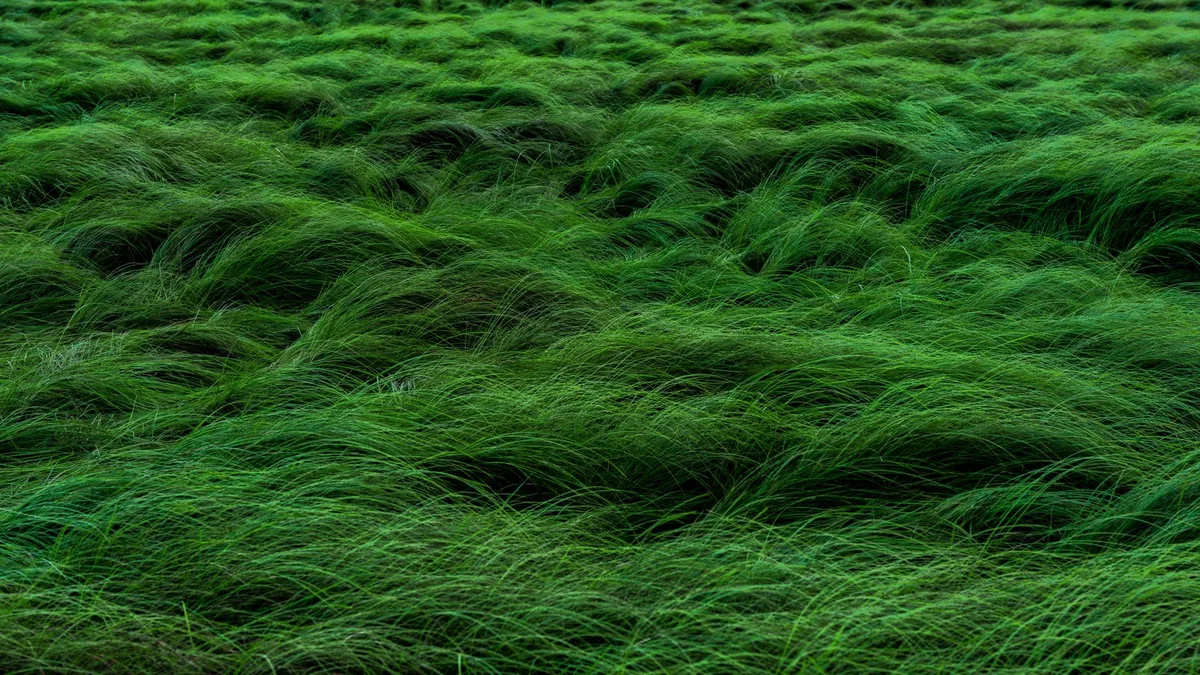
Tall fescue is known for its deep root system, which is a huge advantage, especially in drier climates. These deep roots help it access moisture further down in the soil than many other grasses can reach. This makes it more drought-tolerant and helps it stay green longer during hot spells.
Many modern cultivars offer improved finer textures and better disease resistance, making it a workhorse for family lawns.
Key Differences: Spotting Quackgrass vs. Tall Fescue
The struggle to maintain a beautiful lawn often comes down to telling these two grasses apart. While they might look similar from across the yard, a closer inspection reveals distinct differences that are key to managing your turf effectively. This isn't just about aesthetics; it's about understanding growth patterns and potential problems.
Leaf Texture and Feel
When you pick up a blade of tall fescue, you'll notice it's generally coarser and stiffer than many finer lawn grasses. It has a robust feel. Quackgrass, while also somewhat stiff, often feels more rough on its edges due to its blade structure.
The difference isn't always dramatic, but it's a tactile clue.
Seed Heads and Growth Habits
Tall fescue typically grows in dense bunches, forming thick clumps. While newer varieties might have some limited spreading ability, they don't exhibit the invasive rhizome network of quackgrass. Quackgrass, as noted, spreads aggressively via horizontal underground stems (rhizomes) and often produces more spindly, spiky seed heads.
The presence of prominent, creeping rhizomes is a dead giveaway for quackgrass.
Root Systems and Rhizomes
This is perhaps the most critical distinction. Tall fescue boasts a significantly deeper root system, which is why it handles drought so well. Its roots can penetrate soil up to 2 feet or more.
Quackgrass has a more complex system with both shallow and deeper roots, but its defining feature is the network of tough, starchy rhizomes that readily spread and regenerate new plants. Their presence indicates you likely have quackgrass, not desirable fescue.
The Real Dirt: Why This Comparison Matters for Your Lawn
Deciding the fate of your lawn often hinges on correctly identifying what's growing there, and the distinction between quackgrass and tall fescue is a prime example. If you've ever battled a lawn that just won't cooperate, understanding these two grasses is your starting point. It dictates your entire approach to lawn care.
Treating tall fescue like a weed, or trying to live with invasive quackgrass, leads to wasted effort and a less-than-ideal yard. Knowing what you're up against, whether it's a desirable turf that needs proper care or a weed that needs eradication, saves you time, money, and frustration. It’s the foundation for any successful lawn maintenance plan.
Quackgrass: The Troublesome Tenant
When quackgrass decides to move in, it doesn't ask permission, and it certainly doesn't plan on leaving anytime soon. This perennial grass is infamous for its ability to quickly invade and dominate lawns, gardens, and even agricultural fields. Its tenacity is legendary among gardeners and lawn enthusiasts alike, making it a persistent problem.
What Makes Quackgrass Such a Pain?
The primary reason quackgrass is such a headache is its aggressive growth strategy. It spreads relentlessly through those hidden rhizomes, which act like underground highways for rapid colonization. If you’ve ever tried to pull it out, you know how easily it breaks apart, with each segment containing the potential to sprout a new plant.
This makes complete removal a real challenge. Our research confirms that fragments as small as an inch can regenerate.
Where Does Quackgrass Thrive?
Quackgrass isn't picky. It can tolerate a wide range of soil conditions, from dry, sandy soils to wetter, clay-heavy ones. It also handles both full sun and partial shade fairly well.
This adaptability means it can take hold in neglected lawn areas, along walkways, or even creep into garden beds where it competes with your prized plants. Its resilience is both a testament to its survival instincts and a source of homeowner frustration.
Tall Fescue: The Dependable Lawn Star
On the flip side, tall fescue is the grass many of us want in our yards. It's a popular choice for lawns across cooler regions because it's tough, looks good, and can handle a lot of foot traffic. Unlike the invasive nature of quackgrass, tall fescue generally forms dense clumps, which is ideal for creating a uniform turf without aggressive spreading into flower beds.
Tall fescue is known for its deep root system, which is a huge advantage, especially in drier climates. These deep roots help it access moisture further down in the soil than many other grasses can reach. This makes it more drought-tolerant and helps it stay green longer during hot spells.
Many modern cultivars offer improved finer textures and better disease resistance, making it a workhorse for family lawns.
What Are Tall Fescue's Best Qualities?
Tall fescue shines when it comes to durability and resilience. Its deep roots, often reaching down 2 feet or more, make it exceptionally good at conserving water and staying green during summer heat. This reduces the need for frequent watering.
It also forms a dense, attractive turf that can stand up to heavy use, making it ideal for active families and areas with lots of play.
Where Does Tall Fescue Do Best?
This grass thrives in the transition zones and cooler regions of the U.S. It performs well in areas that experience a good range of temperatures, from warm summers to cold winters. While it prefers full sun, newer varieties show better shade tolerance, allowing it to be a good choice for yards with mixed sun and shade.
It's adaptable to various soil types as well.
Putting Them Side-by-Side: A Clearer Picture
The easiest way to get a handle on these two grasses is to see their key differences laid out clearly. Understanding their distinct characteristics helps you determine what's growing in your yard and how to manage it effectively. This isn't just about knowing names; it's about understanding how each grass behaves in a typical lawn setting.
| Feature | Quackgrass | Tall Fescue |
|---|---|---|
| Growth Habit | Aggressive spreading via rhizomes | Mostly bunching (some cultivars rhizomatous) |
| Leaf Texture | Rough, somewhat stiff | Coarse, stiff |
| Root System | Extensive, shallow and deep | Deep |
| Invasiveness | High | Low (in a lawn setting) |
| Drought Tolerance | Moderate | High |
| Shade Tolerance | Moderate | Moderate to Good (cultivar dependent) |
| Wear Tolerance | Poor | Good |
| Color | Lighter green, can look yellowish | Dark green |
When Is Quackgrass a Problem?
Quackgrass becomes a significant problem when it invades a desirable lawn or garden space. Its aggressive, spreading nature means it will quickly outcompete finer grasses and desirable plants for light, water, and nutrients. If you want a manicured lawn or a garden bed free of unwanted growth, quackgrass is definitely something you'll want to address.
Its ability to spread rapidly means that a small patch can become a widespread issue within a single growing season. This makes early detection and intervention critical. For instance, if you notice grassy weeds taking over areas where you've recently seeded or sodded, suspect quackgrass and investigate thoroughly.
When Is Tall Fescue the Right Choice?
Tall fescue is often the go-to choice for homeowners looking for a durable, low-maintenance lawn, especially in cooler climates. It’s especially suited for yards that experience a lot of activity, such as children playing or pets running around. Its deep root system also makes it a water-wise option, minimizing the need for constant irrigation.
If you're looking for a grass that maintains a good dark green color throughout the growing season, resists drought, and can withstand moderate shade, tall fescue is an excellent candidate. It establishes well from seed and can thicken over time to create a dense, weed-resistant turf. This makes it a practical and attractive option for much of the country.
Tackling Quackgrass: Your Control Game Plan
Dealing with quackgrass requires a strategic approach. Simply pulling it rarely works because of its rhizome system. You need a plan that addresses both the existing plants and any potential regrowth.
Our research suggests that a combination of methods is often most effective, tailored to the severity of the infestation and your lawn's overall health.
Step 1: Identify It Clearly
Before you do anything, confirm it's quackgrass. As we've discussed, look for rough leaf texture and those creeping underground stems. If you're unsure, consult local extension office resources or detailed botanical guides.
Making the right identification ensures you're not wasting time on the wrong problem.
Step 2: Choose Your Strategy (Mechanical vs. Chemical)
For small patches, mechanical removal might suffice, but it's labor-intensive. Digging out the entire plant, including all rhizomes, is crucial. For larger infestations, chemical control might be necessary.
Many selective herbicides target grassy weeds without harming broadleaf plants, but always read and follow label instructions carefully. Some non-selective herbicides will kill any plant they contact, including your lawn.
Step 3: Eradication and Re-seeding/Sodding
After removal, whether mechanical or chemical, the area needs to be prepared for re-establishment. For chemical treatments, wait the recommended time before reseeding or sodding to ensure the herbicide has dissipated. Preparing the soil is key for new growth.
You might need to loosen the soil, add compost, and ensure good drainage. We've found that proper soil preparation significantly increases the success rate of reseeding. Compost Vs Fertilizer can offer insights into soil amendments.
Growing a Great Tall Fescue Lawn: Best Practices
Once you've got a handle on any quackgrass and are looking to establish or improve a tall fescue lawn, there are some foundational steps to follow. Tall fescue is resilient, but giving it the right start and maintaining it properly will pay dividends in a lush, healthy turf. This grass is forgiving, but smart practices make it thrive.
Seeding and Sodding Essentials
When planting tall fescue, whether from seed or sod, proper timing is crucial. The best times are typically early fall or early spring when temperatures are moderate. Ensure the soil is well-prepared, free of debris and rocks.
Proper seedling establishment is key, and this involves consistent moisture. If you’re using seed, consider what kind of fertilizer for grass to use to support new growth.
Mowing, Watering, and Feeding
Mow tall fescue at a higher setting, typically between 3 to 4 inches. This helps shade out potential weeds and keeps the grass cooler in summer. Water deeply and infrequently rather than shallowly and often.
Aim for about an inch of water per week, including rainfall. Fertilizing is also important; understanding when to fertilize lawn and using the right product ensures optimal health.
Common Mistakes to Sidestep
Several common missteps can sabotage your efforts with both weed control and desirable grass establishment. For quackgrass, the biggest mistake is not removing all the rhizomes or not waiting long enough after using herbicides. This leads to frustrating regrowth.
With tall fescue, common errors include mowing too short, watering too frequently with little depth, or expecting it to thrive in conditions it's not suited for.
Another oversight is improper soil preparation when establishing new grass. Compacted soil or a lack of vital nutrients will hinder any grass type. For example, if you’re dealing with a lawn mower issue that prevents proper cutting, like a clogged air filter, it might impact your mowing height and overall lawn health.
Checking how to clean lawn mower air filter could be a useful step for maintenance. Also, ensure you know how much oil does a lawn mower take to keep it running smoothly.
Expert Tips for a Better Lawn
To get the best out of your lawn, think about long-term health rather than quick fixes. Aerating your lawn annually can improve soil structure and water penetration, benefiting deep-rooted grasses like tall fescue. Dethatching also helps prevent thatch buildup, which can harbor pests and diseases.
Consider overseeding in the fall to keep your tall fescue lawn dense and vigorous.
For weed control, persistence is key. Don't get discouraged if you don't see results immediately. Integrated pest management, combining cultural practices with targeted treatments, is often the most effective strategy.
Tools like hoes can be helpful for removing individual weeds from garden beds, and understanding hoes to get rid of garden weeds can be part of your arsenal. Remember that a healthy, dense lawn is your best defense against weeds.
Your Lawn's Future: Making the Right Choice
Ultimately, understanding the difference between quackgrass and tall fescue empowers you to make informed decisions for your yard. While quackgrass is a formidable weed that requires dedicated effort to control, tall fescue offers a reliable, attractive, and robust turfgrass solution. By correctly identifying the grass species and applying the right management strategies, you can achieve the lawn you've always wanted.