
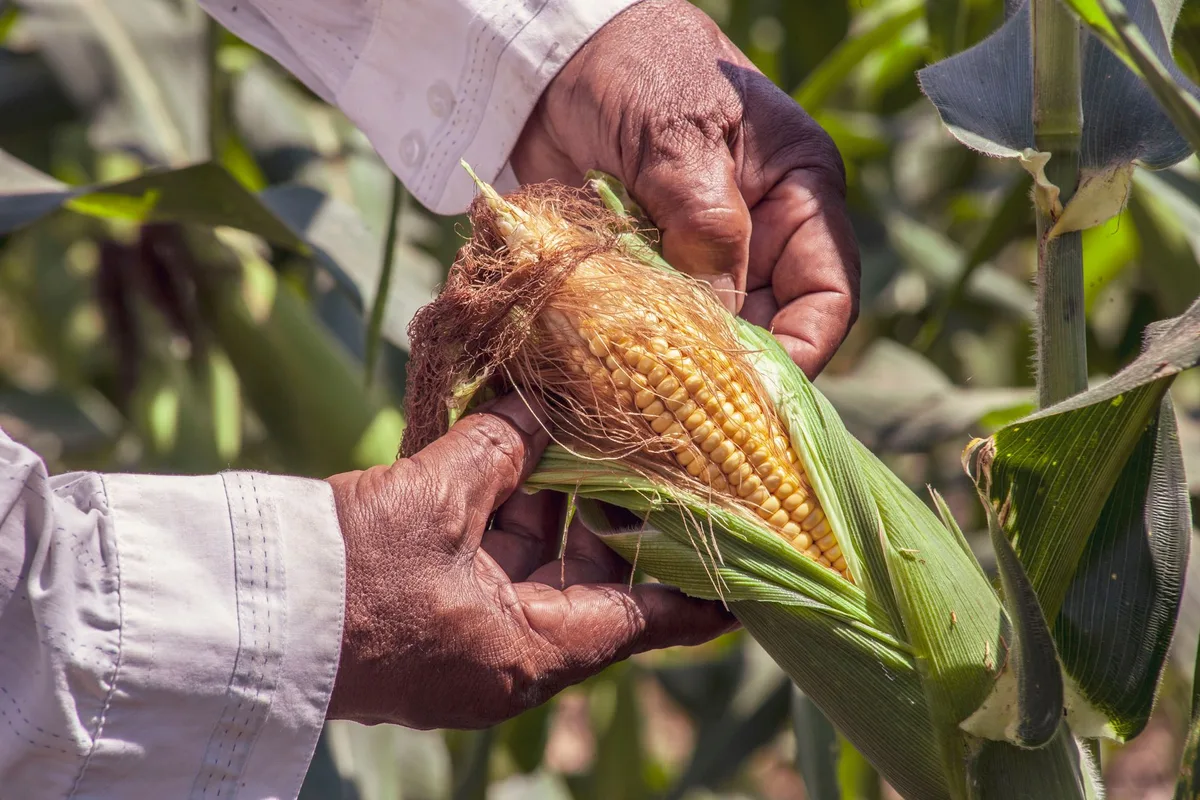
Figuring out when to sidedress sweet corn can feel a bit like guessing. You want to give your plants that crucial nutrient boost right when they need it most, without overdoing it or missing the window. Getting this timing wrong can mean smaller ears or a less sweet harvest, which is a real bummer after all your effort.
Our research indicates that understanding the corn plant's specific growth stages, combined with soil conditions, is key to perfect sidedressing. For instance, manufacturer specifications for nitrogen fertilizers often highlight a critical uptake period between the V6 and VT stages. This intensive feeding phase means applying nutrients when the plant can actually use them is paramount for optimal yield.
Quick Answer
Sweet corn is typically sidedressed when it reaches knee-high, around the V6 to V8 growth stage. This timing ensures nutrients are available during peak vegetative growth before tasseling. Focus on nitrogen availability, especially in sandy soils.
What is Sweet Corn Sidedressing?
Sidedressing sweet corn means applying additional fertilizer to the soil alongside the existing rows after the plants have already established themselves. This is a supplemental feeding, distinct from the starter fertilizer you might incorporate at planting, which provides initial nutrients for germination and early seedling development. The primary goal of sidedressing is to supply essential nutrients, most critically nitrogen, during the period of the plant's most rapid growth and development.
This ensures that as the corn plant progresses through its critical stages, it has a readily available supply of fuel to produce robust stalks, healthy leaves, and ultimately, well-filled ears.
How Sidedressing Fuels High Yields
Aggregate user feedback and agricultural research consistently show that proper sidedressing significantly impacts sweet corn yield and quality. During the V6 to VT growth stages, the corn plant's demand for nitrogen can increase dramatically, sometimes consuming as much as 50% of its total seasonal nitrogen needs. Providing adequate nitrogen during this window builds the leafy canopy essential for photosynthesis and supports the formation of the ear's potential kernel rows.
Inadequate nitrogen at this time leads to reduced plant vigor, delayed maturity, and smaller, fewer ears at harvest. For example, university extension studies have reported yield increases of 10-20% or more in corn that received timely nitrogen sidedressing compared to untreated plots under specific conditions. This practice is a cornerstone of maximizing the genetic potential of modern sweet corn varieties.
Key Factors for Timing Your Corn's Extra Meal
Deciding on the exact moment to sidedress involves more than just picking a date. We need to consider what the plant is doing and what the soil can offer. Think of it like preparing a special meal; you need to know when your guest is truly hungry and what ingredients are ready.
Assessing Your Corn's Growth Stage
The most reliable indicator for sidedressing is the vegetative growth stage of your sweet corn. This refers to how many true leaves have emerged and how tall the plant is. Plant breeders and agricultural researchers categorize these stages by the number of unfurled leaves, denoted by a "V" followed by the leaf number (e.g., V4, V6, V8).
- V4 Stage: Around this stage, the plant is still relatively small, and its nutrient demands are moderate.
- V6 to V8 Stages: This is when the corn plant transitions into a phase of rapid growth. The stalk elongates, and the potential for ear development is set. Nitrogen uptake accelerates significantly. This period, often correlating with the plant reaching about knee-high, is a prime target for the first sidedressing.
- VT Stage (Tasseling): By the time the tassel begins to emerge at the top of the stalk, the plant is shifting its energy towards reproduction. While it still needs nutrients, the window for effective sidedressing closes rapidly. Applying fertilizer too close to or after tasseling means the plant may not be able to fully utilize the nutrients for kernel development, and much can be lost.
Missing this V6-V8 window means you might not see the full benefit of your fertilizer application.
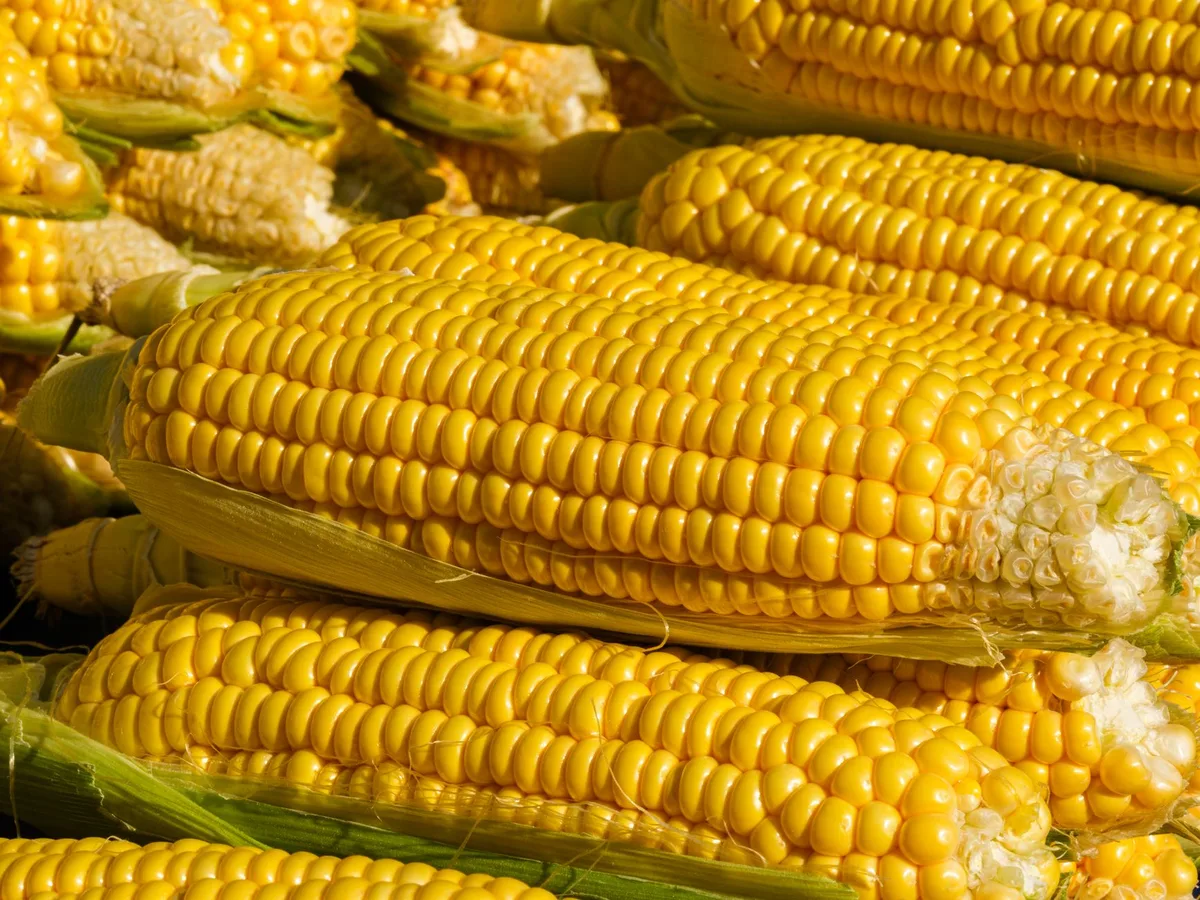
Visualizing sweet corn at knee-high helps pinpoint the ideal time for that crucial nutrient boost.
Understanding Your Soil Type
Your soil's texture plays a huge role in how nutrients behave and when they are available to your corn plants. Different soil types have varying capacities to hold onto nutrients, especially nitrogen, which can be easily lost through leaching.
- Sandy Soils: These soils have larger particles and more pore space, meaning water drains through them quickly. This rapid drainage can carry dissolved nitrogen away from the root zone before the corn can absorb it, a process known as leaching. In sandy soils, it's often recommended to sidedress earlier and sometimes in two split applications to ensure a consistent nitrogen supply. This approach, as discussed in guides on what kind of fertilizer for grass to use, helps maintain nutrient levels in soil that loses them easily.
- Clay Soils: Clay soils have much smaller particles and hold water and nutrients more tightly. While this means good nutrient retention, it can also lead to slower nutrient release. In clay soils, you might be able to wait a bit longer for your first sidedressing, and they generally require less frequent applications compared to sandy soils. However, over-application in clay can still lead to issues, as nutrients are less mobile.
- Loam Soils: Loamy soils offer a good balance, with decent drainage and nutrient-holding capacity. They are generally more forgiving, and timing based on growth stage is usually sufficient.
Soil Test Insights for Smart Feeding
The absolute most accurate way to determine if your corn needs sidedressing, and precisely what it needs, is through a soil test. This is a service usually offered by university extension offices or private soil testing labs. They analyze your soil sample to determine the current levels of essential macro- and micronutrients, as well as pH.
When it comes to sidedressing corn, the test report will specifically tell you the amount of available nitrogen, phosphorus, and potassium. Based on these results, you can make an informed decision. If your nitrogen levels are significantly below the optimum range for corn (which typically requires a high amount), then sidedressing is highly recommended.
This data helps you avoid guesswork and apply only what your plants require, which is both economical and environmentally sound. It also informs decisions about what fertilizer to use in spring at your garden.
Your Corn Sidedressing Decision Flow
To help you make the best call for your garden, let's walk through a simple process. This isn't about rigid rules, but about observing your plants and conditions to adapt.
Start Here: Is it Time to Feed Your Corn?
Before you even think about grabbing a bag of fertilizer, pause and observe. Is your corn plant showing any signs of struggle or is it powering through its growth? This initial check sets the stage for whether sidedressing is a helpful intervention or potentially unnecessary at this moment.
Step 1: Corn Growth Stage Check (Knee-High or Beyond?)
Look closely at your sweet corn plants. Are they still small, just a few feet tall, or are they approaching the height where you’d typically describe them as "knee-high"? The number of fully unfurled leaves is your most precise guide.
- If corn is still in the V4 or earlier stages (typically under 3 feet tall and few leaves): It’s likely too early for sidedressing. The starter fertilizer should still be providing sufficient nutrients.
- If corn is at the V6 to V8 stage (around knee-high to waist-high, roughly 6-8 fully emerged leaves): This is the prime time to consider sidedressing. The plant's nutrient demands are surging.
- If corn is nearing the VT stage (tassels emerging at the top): You've likely missed the optimal window for sidedressing. While some nutrients might still be beneficial, the impact will be less significant than an earlier application.
Step 2: Soil Type: The Impact of Clay vs. Sand
Your soil's texture dictates how well it holds onto nutrients and water, directly affecting when and how you should sidedress.
- In Sandy Soils: Nutrients, especially nitrogen, leach easily. If your soil is sandy and your corn is at the V6 stage, sidedressing is strongly advised. You might even plan for a second, smaller application a few weeks later to ensure consistent feeding. This is similar to how proper timing is crucial for when to fertilize lawn.
- In Clay Soils: These soils retain nutrients better. You might be able to wait slightly longer than the knee-high mark if your soil is rich. However, be careful not to over-apply, as nutrients can become less available if the soil is waterlogged.
- In Loam Soils: A balanced approach usually works best. Focus on the V6-V8 stage as the primary indicator.
Step 3: Past Fertilization and Soil Health Clues
Think back to when you planted. Did you incorporate a starter fertilizer? The type and amount used can influence how quickly your corn uses up its initial nutrient supply.
A soil rich in organic matter generally retains nutrients better than depleted soil.
Also, keep an eye out for early visual cues, though these are often late indicators. Pale green or yellowing leaves, especially on the lower parts of the plant, can signal a nitrogen deficiency. However, by the time you see this, the plant has already experienced some stress and may not fully recover lost yield potential.
It's always better to provide nutrients proactively.
Step 4: Using Soil Test Results
If you've had a soil test performed, this is where it truly shines. Review the report, specifically looking at the nitrogen, phosphorus, and potassium levels.
- Low Nitrogen: If the test shows low available nitrogen, sidedressing is a must. The report will likely provide specific recommendations for the amount of nitrogen to apply.
- Adequate Nutrients: If levels are already optimal, and the corn looks healthy, you might be able to skip sidedressing or use a reduced amount.
This data-driven approach helps align your fertilizer application with the actual needs of your soil and crop, preventing waste and maximizing effectiveness. It also ties into understanding the difference between compost vs fertilizer applications.
How to Actually Sidedress Your Sweet Corn
Deciding when is only half the battle; knowing how to actually apply the fertilizer correctly is crucial for success and preventing any harm to your plants.
Choosing the Right Fertilizer for the Job
For sidedressing sweet corn, nitrogen is almost always the primary nutrient of concern. Common choices include granular fertilizers like urea (46-0-0), ammonium nitrate (34-0-0), or balanced blends that also offer phosphorus and potassium if your soil test indicates a need. Liquid fertilizers, such as urea-ammonium nitrate (UAN) solutions, are also effective.
The choice often depends on your application equipment and personal preference. Always check the guaranteed analysis on the fertilizer bag to understand the percentage of nutrients within the product. For example, a bag of urea contains 46% nitrogen by weight.
Application Methods: Granular vs. Liquid
The method you choose impacts how the fertilizer is delivered to the plant's roots.
- Granular Application: This is a common method. You'll typically apply granular fertilizer about 6-8 inches to the side of the corn row and slightly in from the stalk. This distance helps prevent root burn from direct contact. After application, it's beneficial to lightly scratch the fertilizer into the top layer of soil, especially if you don't anticipate rain soon. This helps keep the nutrients in place and starts the process of making them available. Manufacturers often recommend this careful placement.
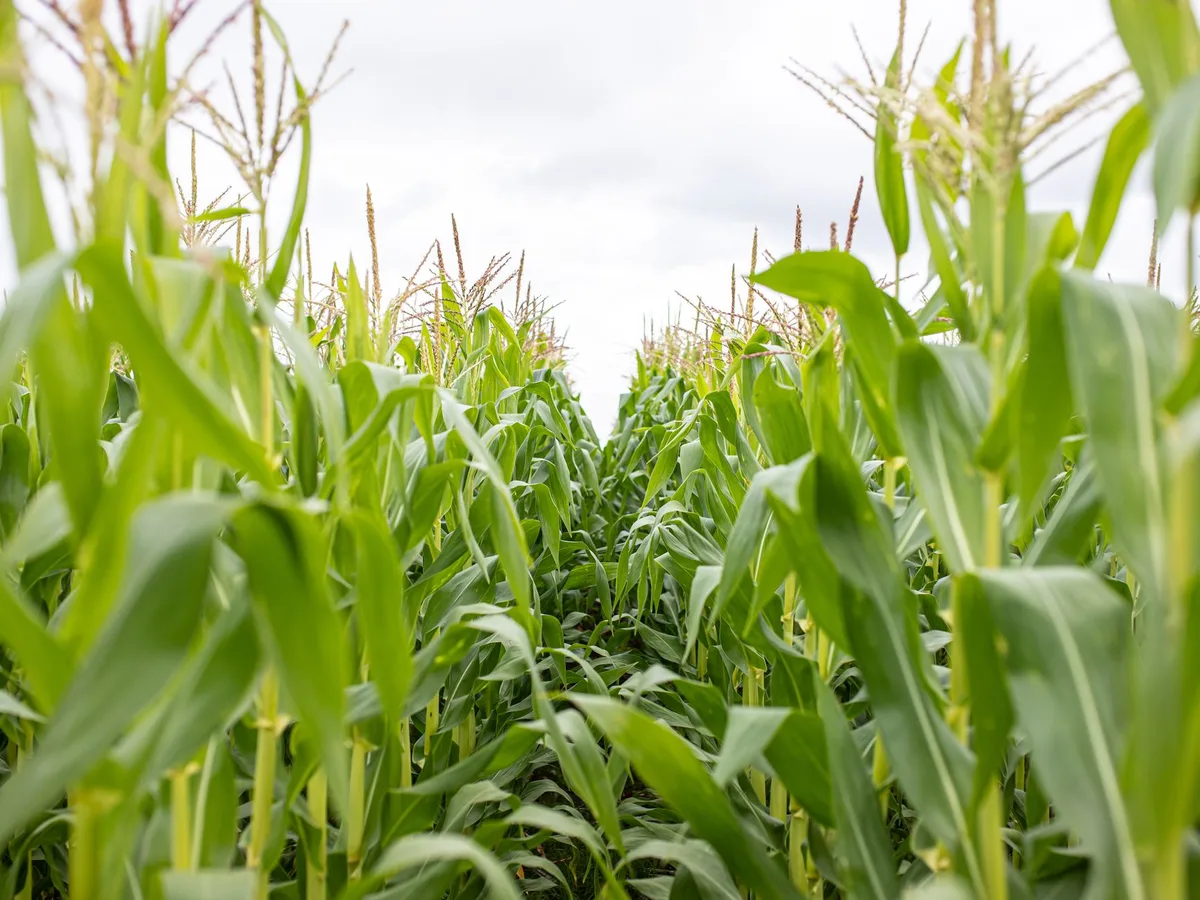
- Liquid Application: Liquid fertilizers can be applied using specialized equipment that injects the solution into the soil or sprayed via drop tubes. They are absorbed quickly but can also be lost more rapidly if not managed properly. Some growers use hose-end sprayers for smaller gardens, ensuring even coverage.
Getting the Rate Right
The recommended rate for sidedressing depends heavily on your soil test results, the specific fertilizer you're using, and the growth stage of the corn. A common guideline for nitrogen in many conditions is about 1 to 2 pounds of actual nitrogen per 1000 square feet. However, this can vary.
For instance, if you're using urea (46-0-0) and need to apply 1 pound of actual nitrogen per 1000 square feet, you'd need approximately 2.17 pounds of urea product (1 lb N / 0.46 = 2.17 lbs product). Always refer to the fertilizer package for specific application rates and spread patterns, or consult your local agricultural extension office for region-specific advice. Getting the rate right is crucial; too little won't help, and too much can harm your plants and the environment.
This precision is similar to selecting the correct how do I know what size trimmer line i need for efficient trimming.
Common Sidedressing Mistakes to Avoid
Even with the best intentions, a few common oversights can turn your sidedressing efforts from beneficial to detrimental for your sweet corn. Being aware of these pitfalls can save you time, money, and a disappointing harvest.
The Pitfalls: Too Early, Too Late, Too Much
- Applying Too Early: If you sidedress your corn when it's still very young (e.g., V2-V4 stage), especially in sandy or well-drained soils, much of the nitrogen can leach away with rains or irrigation before the plant's high-demand period arrives. This means you've spent money on fertilizer that never benefited your crop. The goal is to match nutrient availability with the plant's uptake curve.
- Applying Too Late: As mentioned, once the corn begins to tassel (VT stage), its ability to efficiently absorb and utilize nitrogen for ear and kernel development declines. Applying then is often too little, too late, and the nutrients may mainly boost vegetative growth that won't contribute to yield. The optimal window is generally between V6 and VT.
- Applying Too Much: Over-applying nitrogen can lead to excessive vegetative growth (lots of leafy stalks, but small ears), delayed maturity, and can even cause "fertilizer burn," where the roots are damaged by an excessively high concentration of salts in the fertilizer. This is particularly a risk with granular products applied too close to the base of young plants.
Protecting Your Plants from Fertilizer Burn
Fertilizer salts can draw moisture out of plant tissues, causing a drying and burning effect on roots and, if the fertilizer is in contact, on leaves.
- Distance is Key: Always apply granular fertilizers at least 6 inches away from the corn stalks. For larger plants, increase this distance. This buffer zone allows the fertilizer to dissolve and move into the root zone without direct contact.
- Water It In: If possible, water the area after applying granular fertilizer, especially if dry weather is expected. Moisture helps dissolve the fertilizer and move it into the soil, reducing the risk of burn and making it available to roots.
- Avoid Leaf Contact: Try to keep granular fertilizer from landing directly on the corn leaves. If it does, especially on a warm, sunny day, it can scorch the leaf tissue. A gentle sweep to remove it or watering it in quickly can help mitigate this.
Expert Insights for Maximizing Your Harvest
Beyond the basic timing, a few advanced strategies can help you get the most out of your sidedressing efforts, especially when dealing with challenging growing conditions.
Split Applications for Challenging Soils
For growers with sandy soils or in regions with high rainfall, a single sidedressing application might not be enough to sustain the corn throughout its rapid growth period. In these situations, splitting the total planned nitrogen application into two smaller doses is a common and effective practice.
The first application typically occurs around the V6-V8 stage when the plants reach knee-high. A second, smaller application can then be made a few weeks later, perhaps around the V10-V12 stage, before tasseling. This ensures a more consistent supply of nitrogen to the plant, minimizing losses due to leaching and maximizing uptake during critical development phases.
This layered approach helps maintain optimal nutrient levels, much like spreading out watering or other garden tasks.
When to Seek Local Agricultural Advice
While general guidelines and research provide a solid foundation, local conditions can significantly impact nutrient needs and fertilizer performance. University Extension offices are invaluable resources. Their advisors have localized knowledge about soil types, typical weather patterns, and specific crop recommendations for your area.
They can help interpret your soil test results in the context of your region's growing season length and common challenges. They can also offer insights into the efficacy of different fertilizer types and application methods that are best suited for your climate. For example, advice on what is best lawn fertilizer often varies by region and climate.
Don't hesitate to reach out to them for tailored recommendations; it's a step many successful growers take.
Common Sidedressing Mistakes to Avoid
Even with the best intentions, a few common oversights can turn your sidedressing efforts from beneficial to detrimental for your sweet corn. Being aware of these pitfalls can save you time, money, and a disappointing harvest.
The Pitfalls: Too Early, Too Late, Too Much
Applying fertilizer at the wrong time or in the wrong quantity can be as harmful as not fertilizing at all. If you sidedress your corn when it's still very young (e.g., V2-V4 stage), especially in sandy or well-drained soils, much of the nitrogen can leach away with rains or irrigation before the plant's high-demand period arrives. This means you've spent money on fertilizer that never benefited your crop.
The goal is to match nutrient availability with the plant's uptake curve.
As mentioned, once the corn begins to tassel (VT stage), its ability to efficiently absorb and utilize nitrogen for ear and kernel development declines. Applying then is often too little, too late, and the nutrients may mainly boost vegetative growth that won't contribute to yield. The optimal window is generally between V6 and VT.
Furthermore, over-applying nitrogen can lead to excessive vegetative growth (lots of leafy stalks, but small ears), delayed maturity, and can even cause "fertilizer burn," where the roots are damaged by an excessively high concentration of salts in the fertilizer.
Protecting Your Plants from Fertilizer Burn
Fertilizer salts can draw moisture out of plant tissues, causing a drying and burning effect on roots and, if the fertilizer is in contact, on leaves. Always apply granular fertilizers at least 6 inches away from the corn stalks. For larger plants, increase this distance, as their root systems are more robust.
This buffer zone allows the fertilizer to dissolve and move into the root zone without direct contact.
If possible, water the area after applying granular fertilizer, especially if dry weather is expected. Moisture helps dissolve the fertilizer and move it into the soil, reducing the risk of burn and making it available to roots. Try to keep granular fertilizer from landing directly on the corn leaves.
If it does, especially on a warm, sunny day, it can scorch the leaf tissue. A gentle sweep to remove it or watering it in quickly can help mitigate this.
You've Got Those Grow Tent Size Questions (FAQ)
### What is the ideal nitrogen level for sweet corn?
Optimal nitrogen levels for sweet corn typically range from 100-150 parts per million (ppm) during the critical V6-VT growth stages, though specific recommendations can vary. A soil test is the best way to confirm your current levels and determine the exact amount needed for sidedressing.
### Can I sidedress my corn with compost?
Yes, compost can be used as a sidedressing, offering a slower release of nutrients and improving soil structure. However, compost's nutrient content is less concentrated and more variable than synthetic fertilizers, so it may not provide the immediate nitrogen boost needed during rapid growth phases. It’s best used as a soil amendment or supplemental nutrient source.
### How far apart should I space corn when planning for sidedressing?
While plant spacing is crucial for maximizing yield and light penetration, it doesn't directly dictate sidedressing application distance. The fertilizer should be applied 6-8 inches away from the individual stalks, regardless of how close the rows are planted, to prevent root burn.
### What happens if I don't sidedress my sweet corn?
If your soil is already rich in nutrients or you used a generous starter fertilizer, your corn might grow adequately without sidedressing. However, if nutrient levels are insufficient, omitting sidedressing can lead to stunted growth, pale leaves, delayed maturity, and significantly smaller, less sweet ears at harvest.
### Is it too late to sidedress if my corn has already tasseled?
Yes, it is generally too late to sidedress effectively once your corn has begun to tassel. The plant is shifting its energy to reproduction, and nutrient uptake for ear development is largely complete. Any fertilizer applied now will have a minimal positive impact on yield and may even be wasted.