
Seeing your butterfly bush appear lifeless after a cold snap is disheartening. Many gardeners dread this sight, wondering if their beloved plant has survived the harsh winter months. We understand that feeling.
This guide aims to demystify the signs of a dormant versus a truly dead butterfly bush. Research shows that many plants that look dead are merely waiting for warmer conditions, and with the correct diagnosis, you can often revive them. As of 2026, the primary indicator of plant viability remains the presence of living tissue below the bark.
Quick Answer
Your butterfly bush might not be dead. Check for green under the bark. If you find green, prune dead stems and water it.
New growth should appear in weeks. If all stems are brown and brittle, the plant may have died. Watch the soil base for new shoots.
Is My Butterfly Bush Really Dead? The Essential Check
The first, most crucial step when you think your butterfly bush has died over winter is to confirm it. It’s easy to jump to conclusions, but these plants can often look much worse than they are and still pull through. We need to be detectives.
The underlying issue is distinguishing between a plant that is fully deceased and one that is simply dormant. Dormancy is a natural resting state plants enter during cold periods to conserve energy. True death means all vital systems have ceased.
The Scratch Test: Finding Hidden Life
This is your most reliable method. Grab clean, sharp pruning shears or even your fingernail. Gently scratch away a small sliver of the outer bark on several different stems.
- If you see green underneath: This is fantastic news! It means there's still living tissue, and the stem is likely dormant or has only suffered tip dieback. Your bush has a good chance of recovery.
- If it's dry, brown, and brittle: That particular section of the stem has likely died. Don't stop here. Keep scratching lower down the same branch, or move to an entirely different stem. We're looking for any sign of green.
What a Dead Stem Looks Like
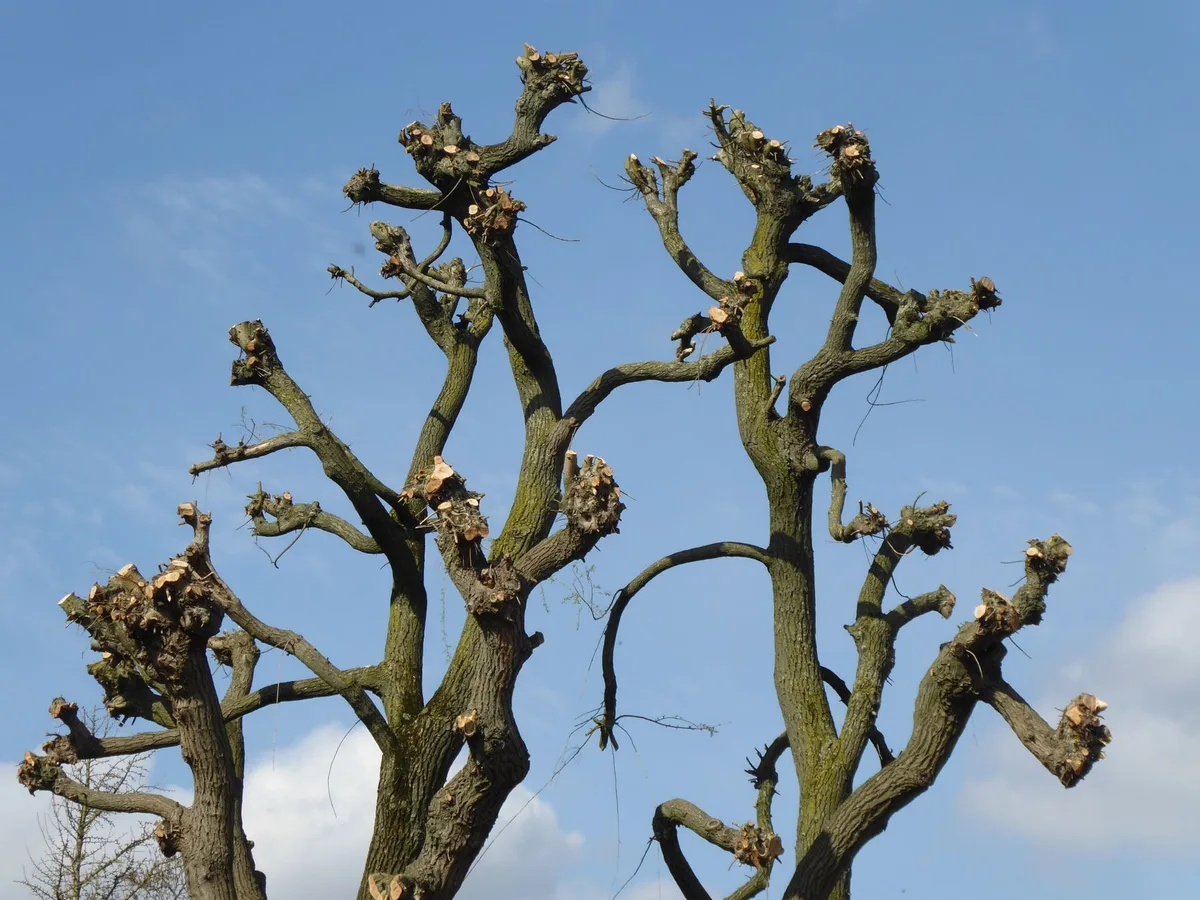
A stem that has died over winter will consistently show a dry, brown, and brittle interior when you perform the scratch test. There won't be any moisture or flexibility; it will snap easily. If you find this on all stems from top to bottom, the plant has likely succumbed.
Signs of Healthy Roots
Even if the upper parts of your butterfly bush are completely brown, the root system can remain healthy and viable. The roots are crucial for drawing up water and nutrients to fuel new growth.
Look closely at the base of the plant, right at the soil line. Perform the scratch test here as well. If you find green living tissue at the base, even if the rest appears dead, new shoots could emerge from the roots in spring.
This is a good indicator that the plant might still be salvageable.
What to Do If You Find Green: Bringing It Back
Finding green beneath the bark is a strong signal that your butterfly bush is alive and just needs some help to wake up. This is where active care comes into play. We're aiming to nurture that existing life and encourage vigorous new growth.
If you've performed the scratch test and confirmed there's green, it means the plant can likely recover. Think of it like a person waking up after a long sleep, they might be groggy and stiff, but they're still alive and ready to get moving. Your job now is to provide the best conditions for its recovery.
Pruning Away the Dead Wood
Once you've confirmed viability, the next logical step is to remove the parts of the plant that are clearly dead. This might involve a significant amount of pruning. Use clean, sharp bypass pruners to cut back each visibly dead stem.
Your goal is to cut back until you reach a section of the stem that shows green or live wood. For particularly rough winters, this might mean cutting back almost to ground level. Don't be shy about pruning; new growth always emerges from live wood, and removing the dead material allows the plant to focus its energy on recovering and producing healthy new shoots.
This process is akin to preparing a lawn mower for spring; clearing away debris and making sure essential parts are functional is key for proper operation. You can learn more about preparing equipment for seasonal use in our guide on how to start a lawn mower after winter.
Giving Your Bush a Good Drink
After pruning, the plant needs a substantial amount of water to help its roots get going. Water deeply and thoroughly, ensuring the moisture penetrates well into the soil and reaches the root zone.
Consistent hydration is vital because the roots need to be able to absorb nutrients and begin the process of sending sap up to the remaining live stem tissue. If the soil remains dry, the plant will struggle to recover, even with live tissue present. Think of it like giving a parched person a large glass of water.
The Power of Mulch
Adding a layer of mulch around the base of your butterfly bush is a highly beneficial practice for recovery. Use organic materials like wood chips, shredded bark, or compost. Apply a layer about 2 to 3 inches thick.
Crucially, keep the mulch a few inches away from the main stems of the plant. This prevents moisture buildup directly against the bark, which can lead to fungal issues or rot. Mulch helps the soil retain moisture, moderates soil temperature, and suppresses weeds that could compete for resources.
This practice is also fundamental for what fertilizer to use in spring at your garden, as it helps retain moisture and nutrients.
Patience for New Growth
After pruning and watering, the most important thing you can do is be patient. New shoots may not appear immediately. Depending on the severity of the winter damage and how far back you had to prune, it could take several weeks for visible signs of new growth to emerge.
Keep an eye on the plant, especially during the warmer spring months. Continue to water consistently if the soil starts to dry out. The emergence of new leaves and stems is the ultimate affirmation that your butterfly bush has survived and is on its way to recovery.
This patience is similar to waiting for grass to establish after fertilization, a process detailed in guides about when to fertilize lawn.
What If It's All Brown and Brittle?
When you've performed the scratch test across every manageable branch and the very base of the plant, and all you find is dry, brown, brittle material, it’s a tough sign. It's disappointing, but it means the plant has likely not survived the winter. However, even in this scenario, there's a slim chance and a specific area to watch.
It's hard to accept when a plant you've cared for doesn't make it. But before you declare it completely gone, there's one last place to look for hope, and one final decision to make regarding its future in your garden. This stage is about the final confirmation of demise and deciding how to proceed.
Watching for New Shoots from the Base
Occasionally, a butterfly bush can have its above-ground stems killed entirely by extreme cold, but the root system can still be alive and healthy. If this is the case, you might see brand new green shoots emerging directly from the ground at the base of where the old plant was.
If you spot these new shoots, treat them as if you found green on the stems. Prune away all the old, dead woody material completely, cutting it back to just above the level where the new shoots are emerging. These new shoots will form the basis of your plant's recovery and future growth.
This is similar to how one might prepare a garden bed with hoes to get rid of garden weeds before planting anew.
When It's Time to Let Go
If, after a thorough examination, you find absolutely no signs of green living tissue anywhere, not on the stems, not at the base, and no new shoots are emerging from the ground, then it is time to conclude that your butterfly bush has died. At this point, it's best to remove the deceased plant to make space for new additions to your garden.
Removing a dead plant needs to be done carefully. Dig out the entire root ball if possible. You can then amend the soil with compost before planting something new.
This is similar to preparing a surface for painting; a clean, prepared area is essential for good results, much like in our article about spray or brush paint which one is better for fence.
Common Reasons for Winter Damage
Understanding why your butterfly bush might have succumbed to winter helps prevent similar issues in the future. Several environmental factors come into play, and knowing them can make your gardening efforts more successful year after year. These factors often interact, making a plant vulnerable to one even if it's strong against another.
Our research indicates that different cultivars of butterfly bush can have varying levels of cold hardiness. For instance, some varieties are rated for USDA hardiness zones as low as 5, while others are better suited to warmer climates. When a plant is exposed to temperatures beyond its rated hardiness, damage is likely.
Frost and Freeze Havoc
Extreme cold is the most obvious culprit. While many butterfly bushes are classified as hardy perennials, prolonged exposure to severe sub-zero temperatures can overwhelm their natural defenses. If a cold snap dips significantly below the plant's tolerance, cells can rupture, leading to tissue death.
This is particularly problematic if the plant established poorly in the previous growing season. A weaker plant has fewer reserves to draw upon when facing extreme cold. It's also a concern when followed by periods of freeze-thaw cycles, which can damage roots.
Drainage Woes
Butterfly bushes, like many perennials, absolutely detest sitting in waterlogged soil, especially over winter. Poorly draining soil means water can pool around the roots, freezing and expanding. This freeze-thaw action literally tears roots apart and can lead to root rot, weakening the plant significantly.
Good drainage is non-negotiable for these plants. If your garden soil is heavy clay and doesn't drain well, consider amending it heavily with organic matter or planting in raised beds. This is a concept that also applies to ensuring proper conditions in grow tents, where controlling moisture is key; see our guide on grow tent setup guide for managing environments.
Warm Spells Gone Wrong
Winter can be tricky, with periods of warmth sometimes occurring before the last frost. If a warm spell in late winter or early spring tricks your butterfly bush into budding out prematurely, and then a hard freeze follows, that new tender growth can be killed.
This early budding can also deplete the plant's energy reserves prematurely, making it more vulnerable to subsequent cold snaps. It's a frustrating cycle that can leave the plant looking worse for wear, even if the core structure remains alive. This type of environmental stress is something to consider when selecting plants, much like choosing the right what kind of fertilizer for grass to use.
Expert Tips for Butterfly Bush Survival
Even after a harsh winter, certain actions can dramatically increase your butterfly bush's chances of recovery. These tips focus on providing the plant with optimal conditions to rebound and thrive. Think of them as giving your confused plant a clear set of instructions for waking up.
Our research shows that consistent, appropriate care in the spring is paramount. Many resources for plant care, such as those discussing what fertilizer to use in spring at your garden, highlight how feeding at the right time supports new growth. Applying a balanced, slow-release fertilizer after you see signs of life can give your bush a nutritional boost.
Choose the Right Spot
If your butterfly bush seems to have died and you're replanting, or if you're moving a struggling plant, location is key. Butterfly bushes need full sun, at least six to eight hours a day. They also require well-draining soil; they do not tolerate wet feet, especially during the cold months.
Consider the plant's mature size as well. Many varieties can grow quite large. Ensure you're giving it enough space to grow without overcrowding other plants.
Poor air circulation can also contribute to disease issues over time.
Use a Balanced Fertilizer
Once you have confirmed signs of life and have pruned back the dead material, a gentle application of fertilizer can help. Opt for a balanced, slow-release granular fertilizer, perhaps with an N-P-K ratio like 10-10-10 or something similar. This won't shock the plant but will provide sustained nutrition.
Apply it according to the product's instructions, typically around the drip line of the plant and gently worked into the top inch of soil. Avoid fertilizing a plant that shows no signs of life, as it won't be able to utilize the nutrients and could even harm dormant roots. It's also essential to understand the difference between fertilizers and compost; our article on compost vs fertilizer can clarify this.
Provide Consistent Moisture
After pruning and fertilizing, ensure the soil remains consistently moist, but not waterlogged. This is especially important during the initial recovery phase. Water deeply whenever the top inch or two of soil feels dry to the touch.
In spring, as temperatures rise, evaporation increases. You might find yourself watering more frequently. If you're using a sprinkler system, check regularly if it's reaching the root zone effectively.
For broader lawn care, understanding sprinklers and broadcast vs. drop spreaders is vital; for more on this, see drop spreader vs broadcast spreader.
Monitor for Pests and Diseases
Plants that have been stressed by winter damage can be more susceptible to pests and diseases. Keep a close eye on your recovering butterfly bush for any signs of trouble. Look for common issues like aphids, spider mites, or fungal spots on new leaves.
Early detection is key. If you spot pests, a strong spray of water can often dislodge them. For more persistent problems, consider organic insecticidal soaps or horticultural oils.
Addressing issues promptly prevents them from becoming major problems.
Mistakes to Avoid When It Looks Dead
When faced with a seemingly dead plant, it's easy to make hasty decisions that can harm it further or result in unnecessary disposal. Being aware of common mistakes is just as important as knowing the recovery steps. These errors often stem from impatience or a lack of understanding of plant dormancy.
Mistakes can lead to discarding a plant that could have been saved, or conversely, over-handling a plant that did not need intervention. Our analysis of gardening forums and expert advice highlights several key missteps. One common issue is mistaking dormancy for death.
Assuming Death Too Soon
The most common mistake is giving up too early. Butterfly bushes are known for their resilience, and sometimes they wait until much later in spring, even into early summer in cooler climates, to show new growth. Patience is critical.
Don't reach for the shovel simply because you don't see leaves by late April. Continue with the scratch test periodically. If you find green, keep nurturing the plant.
This patience is key in many gardening tasks, such as waiting for the right time to fertilize your lawn.
Over-Pruning
While pruning is necessary to remove dead wood, over-pruning can sometimes be detrimental. If you cut back too aggressively without checking for green, you might accidentally remove all the live portions of the plant. Always prune back only to live tissue.
If your plant has many stems, and you find green on only a few, focus your pruning efforts on those with signs of life. The dead stems can be removed entirely. It might look messy for a while, but this allows the plant to direct its energy into the successful growing points.
Incorrect Watering Practices
Watering too little stresses an already weakened plant, preventing it from drawing up the moisture and nutrients needed for recovery. Conversely, overwatering a plant that is not actively growing can lead to root rot, as the soil stays saturated for too long and air circulation to the roots is cut off.
As mentioned, aim for consistent moisture but ensure good drainage. If your soil holds a lot of water, consider amending it or planting in a raised bed. This is a critical consideration, much like understanding how much oil does a lawn mower take to ensure the engine runs properly without over or under-lubrication.
Neglecting Soil Health
Even if the plant survives, poor soil conditions can lead to a weak, stunted plant that is prone to future issues. If your soil is compacted, lacking nutrients, or drains poorly, your butterfly bush will struggle.
Amending the soil with compost before or after the survival check is always a good idea. Compost improves soil structure, drainage, and fertility. This proactive approach helps the plant not just survive but thrive.
Similar to preparing a growing space, ensuring the soil is healthy is fundamental.