
Wondering how long those battery-powered lawn mowers actually run on a single charge? You're not alone. It's the question that can make or break your decision to ditch the gas can for good.
While manufacturers often give impressive figures, real-world performance can vary quite a bit based on your yard and how you mow.
Manufacturer specifications typically indicate run times ranging from 30 to 75 minutes, depending heavily on the battery's capacity, measured in Amp-hours (Ah) or Watt-hours (Wh). But simply looking at the number on the box doesn't tell the whole story before we dive into the details, let's get straight to the core of it.
Quick Answer
Cordless lawn mower batteries generally last between 30 to 60 minutes on a single charge for average yards. This run time can increase to 75 minutes or more for high-capacity batteries on smaller, easier lawns. Tougher grass, hilly terrain, or older batteries can significantly shorten this duration.
Having a spare battery handy is often essential for larger properties.
Real-World Run Time Estimates: What to Expect
When folks ask "how long do cordless lawn mower batteries last?" they're really asking about practical mowing time on their specific lawn. In our research and based on aggregate user feedback, you'll typically see these estimates:
- Smaller Lawns (under 1/4 acre): Expect around 25 to 45 minutes of continuous mowing. This is often enough to complete the job without interruption for most compact suburban yards.
- Medium Lawns (1/4 to 1/2 acre): A good estimate here is 40 to 60 minutes per charge. This range allows for a more comfortable mowing session without feeling rushed.
- Larger Lawns (over 1/2 acre): For bigger properties, run times can extend to 50 to 75 minutes or even a bit more with high-end models and large batteries. However, most users with larger lawns opt for multiple batteries to ensure they can finish the job.
It's important to note that these figures are based on ideal conditions, such as dry, short grass on relatively flat terrain. As of 2026, battery technology continues to improve, but these core run time ranges provide a solid baseline for your planning.
Key Factors That Eat Up Battery Life
Several elements directly impact how long your cordless mower’s battery will keep going. Understanding these can help you manage expectations and get the most out of your equipment.
Battery Capacity: More is Usually More
The most significant factor determining run time is the battery's capacity. This is measured in Amp-hours (Ah) or Watt-hours (Wh). Think of it like the size of the fuel tank in a car.
- Amp-hours (Ah): This measures how much current a battery can deliver over time. A higher Ah rating means more energy storage. For example, a 5.0 Ah battery can deliver 5 amps for one hour, or 10 amps for half an hour.
- Watt-hours (Wh): This is often considered a more direct indicator of total energy, as it accounts for voltage. It's calculated by multiplying voltage (V) by Amp-hours (Ah). A 40V, 5.0 Ah battery has 200 Wh of energy (40V * 5.0Ah = 200Wh).
In practice, a mower with a higher Wh battery will offer a longer run time, all other factors being equal. Most residential cordless mowers today fall in the 40V to 80V range, with battery capacities varying from around 2.0 Ah to 8.0 Ah or even higher for professional-grade models.
Grass Conditions: The Mower's Workout
How your grass looks is a direct indicator of how hard your mower’s motor, and thus its battery, will have to work. Cutting tough conditions can drastically reduce run time.
- Length and Thickness: Mowing grass that's very long or thick is like asking your mower to sprint uphill. The motor has to exert significantly more power to cut through the dense blades. This increased demand will drain the battery much faster than a routine trim.
- Dampness: Wet grass is heavier and sticks together more than dry grass. This adds extra resistance for the mower’s blade to overcome, requiring more energy from the battery. It’s why mowing in the morning after dew has dried (or in the late afternoon/evening) is generally more efficient than tackling dew-laden grass.
Terrain and Technique: The Little Things That Add Up
The type of land you're mowing and your approach can also influence battery consumption. Think of it as the efficiency of your mowing strategy.
- Slopes and Hills: Navigating inclines requires your mower to work harder to move itself and cut the grass. If your lawn has significant slopes, you'll likely see a noticeable reduction in run time compared to a flat yard of the same size.
- Cutting Overlap: While some overlap is necessary to avoid missed strips, excessive overlapping means you're cutting grass that's already been cut, adding unnecessary load.
- Cutting Height: Trying to cut a lot of grass at once from a high setting demands more power than making a light trim. Regular mowing adjusted to the season, like maintaining healthy grass with What Kind Of Fertilizer For Grass To Use, can help keep cutting conditions more manageable.
Battery Age and Health: Time Takes Its Toll
Like any rechargeable battery, those in cordless lawn mowers degrade over time. Their capacity to hold a full charge diminishes with each charge cycle and exposure to environmental factors.
- Charge Cycles: Every time you charge and discharge a battery, it counts as a cycle. Over hundreds of cycles, the battery's internal chemistry changes, reducing its maximum capacity.
- Storage Conditions: Storing batteries in extremely hot or cold temperatures, or leaving them fully discharged for extended periods, can accelerate degradation. Ideally, batteries should be stored in a cool, dry place at around 50-70% charge if not in regular use.
Maximizing Your Mow Time: Expert Tips & Tricks
To get the longest possible mowing sessions from your cordless lawn mower, employing a few smart strategies and understanding your equipment is key. It’s about working with the technology, not just relying on a specific battery rating.
Choosing the Right Battery for Your Yard
When you're shopping for a cordless mower, the battery is a critical component to consider, especially if you have a larger or more challenging yard. Don't just go for the cheapest option; look at the specifications.
- Match Capacity to Yard Size: Manufacturers often provide guidelines for which battery capacity is suitable for different lawn sizes. For instance, a 4.0 Ah battery might be fine for a quarter-acre lot, while a 6.0 Ah or 8.0 Ah battery would be better for a half-acre or larger.
- Consider Voltage: Higher voltage generally means more power, which can be beneficial for tackling thicker grass. However, it doesn't always directly translate to longer run time without also considering the Ah rating.
- System Compatibility: If you already own other cordless tools from a brand, check if their batteries are compatible with the lawn mower. This can save you money and give you more flexibility with power sources.
Mowing Smart: Techniques for Efficiency
The way you approach mowing can have a surprisingly big impact on how long your battery lasts. Small adjustments can lead to noticeable gains in run time.
- Mow When Grass is Dry: This is perhaps the single most impactful tip. Dry grass offers less resistance, allowing the mower's motor to spin at optimal speed with less strain. Wet grass is heavier and more prone to clumping, forcing the motor to work harder and drain the battery faster.
- Regular Maintenance Cuts: Mowing your lawn regularly, perhaps once a week, or even more frequently if grass grows fast, is more energy-efficient than letting it get overgrown. Taking off just the tips of the grass blades is much easier on the battery than trying to cut several inches of dense growth. If your lawn is looking a bit wild, consider using a tool like Hoes To Get Rid Of Garden Weeds to manage growth between mowing sessions.
- Optimal Cutting Height: Adjust your cutting deck to a height that removes only the top third of the grass blade. This promotes healthier grass growth and reduces the load on the mower. For broader lawn care, consult resources on What Is The Best Lawn Fertilizer and When To Fertilize Lawn to ensure your grass is in prime condition for easier cutting.
Battery Care: Storage and Maintenance for Longevity
Proper care of your cordless mower's batteries is crucial for maximizing their lifespan and ensuring consistent performance. Treat them with care, and they'll serve you well.
- Store at Moderate Temperatures: Avoid storing batteries in extreme heat (like a hot shed or direct sunlight in summer) or extreme cold (like an unheated garage in winter). The ideal storage temperature is between 40°F and 70°F (4°C and 21°C).
- Avoid Deep Discharges: While modern lithium-ion batteries are generally good at preventing over-discharge, it's best not to run them completely dead every single time. If the mower starts to noticeably lose power, it's a good cue to stop and swap or charge.
- Clean Battery Terminals: Occasionally, check the battery terminals for any dirt or debris. A quick wipe with a dry cloth can ensure a clean connection, which is essential for efficient charging and power delivery.
When a Single Battery Isn't Enough
For many homeowners with smaller, well-maintained yards, a single battery might be all you need. But if you have a larger property, thick or fast-growing grass, or simply want the convenience of uninterrupted mowing, a spare battery is a game-changer.
The Power of a Spare: Why It Matters
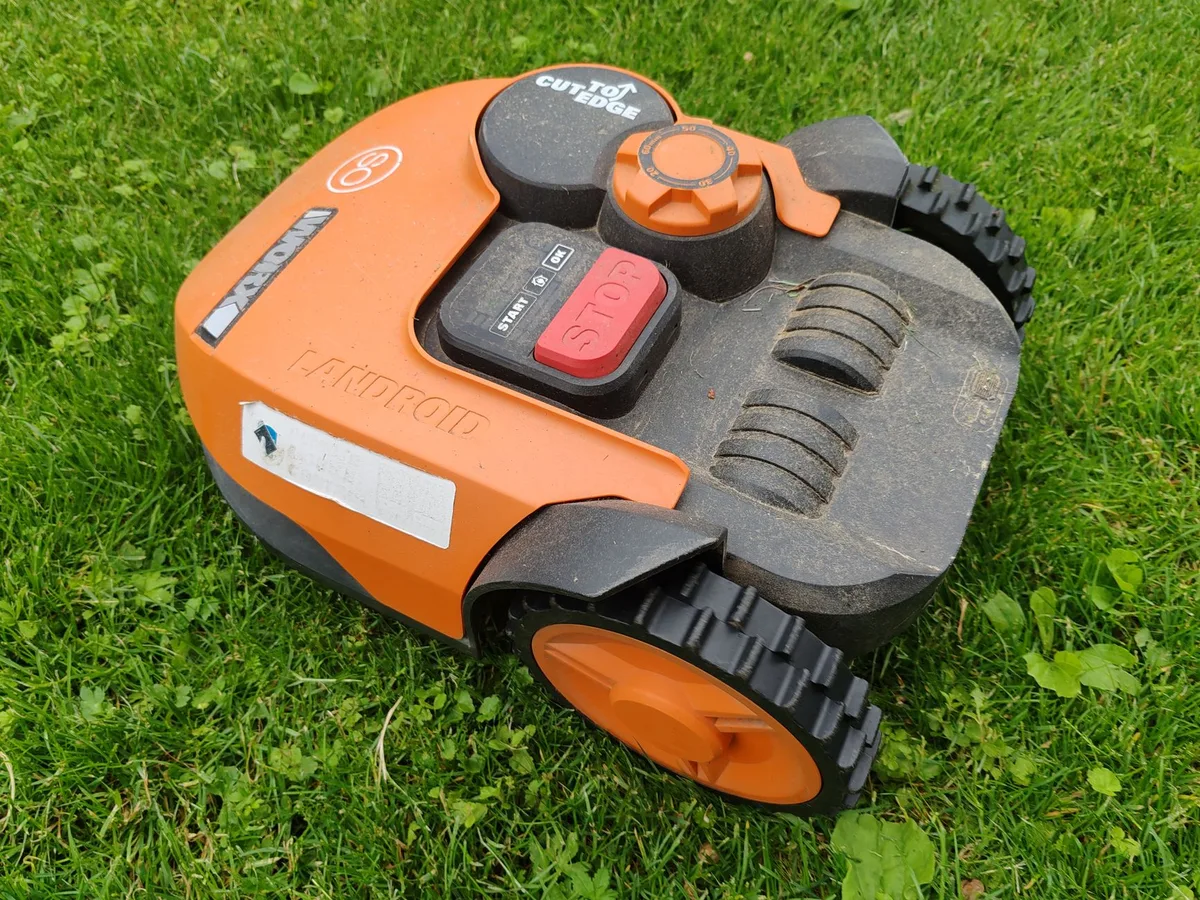
Having a second battery ready to go transforms the mowing experience for larger lawns. Instead of stopping mid-job to wait for a recharge, you simply take out the depleted battery and insert a fresh one. This effectively doubles, triples, or quadruples your total mowing capacity for the day.
- Uninterrupted Workflow: This is the primary benefit. You can finish your entire lawn in one session, regardless of its size.
- Tackling Tough Conditions: If you know you'll be facing thick grass or a long mowing day, having a spare means you have backup power without needing to meticulously plan around recharge times.
- Battery Rotation: Using two batteries and alternating them can also be beneficial for battery health over the long term, allowing one to cool down while the other is in use, and preventing one battery from being constantly drained to 0%.
Cordless vs. Gas Mowers: Battery Life in Context
Comparing battery life is key when deciding between a cordless electric mower and a traditional gas model. While gas mowers offer "unlimited" run time as long as you have fuel, they come with their own set of considerations that cordless models bypass.
- Gas Mower Fueling: You run out of gas, you refuel. This takes minutes, but requires purchasing and storing gasoline, dealing with fumes, and more frequent maintenance (oil changes, spark plugs, air filters, learn How To Clean Lawn Mower Air Filter and How Much Oil Does A Lawn Mower Take).
- Cordless Mower Charging: You run out of battery power, you need to recharge or swap. Charging can take from 30 minutes to several hours, depending on the charger and battery. This is where having a spare battery becomes invaluable for larger properties, effectively creating a "refuel" time of just seconds.
- Environmental Impact & Noise: Cordless mowers significantly reduce noise pollution and emit zero direct emissions, making them a more environmentally friendly option for many suburban settings. Gas mowers, by contrast, are noisy and produce exhaust.
- Maintenance: Cordless mowers generally require less maintenance than gas engines, primarily focusing on blade sharpening and deck cleaning. Gas mowers need regular tune-ups. If your gas mower needs attention, check out How To Repair A Lawn Mower Without A Technician or How To Start A Lawn Mower After Winter.
For many users, the convenience of cordless operation, reduced noise, and lower maintenance outweigh the potential need for managing charging times or investing in extra batteries, especially for properties under an acre.
Common Mistakes That Shorten Battery Performance
Even with the best intentions, some common practices can unintentionally reduce the lifespan and performance of your cordless lawn mower batteries. Avoiding these can help you get more seasons out of your investment.
- Neglecting Proper Storage: Leaving batteries in extreme temperatures or at a full charge/discharge for long periods, as mentioned, can degrade them prematurely. Always aim for moderate temperatures and a partial charge for long-term storage.
- Using the Wrong Charger: Always use the charger specifically designed for your mower's battery system, preferably the one provided by the manufacturer. Using an incompatible charger can lead to inefficient charging, overheating, or damage.
- Ignoring Battery Degradation: Batteries have a finite lifespan. Don't expect a battery that's several years old to perform like one that's brand new, even with perfect care. As performance noticeably wanes, it may be time to consider replacements.
- Mowing While Overly Wet: Pushing the mower through thick, wet grass is one of the most common ways to strain the battery and motor. It's a short-term convenience that can impact long-term battery health and run time.
- Over-reliance on a Single Battery: For larger lawns, expecting a single battery to handle the entire job repeatedly will lead to constant deep discharges, which can stress the battery and shorten its overall life. Planning with a spare is part of smart battery management.
Cordless vs. Gas Mowers: Battery Life in Context
Comparing battery life is key when deciding between a cordless electric mower and a traditional gas model. While gas mowers offer "unlimited" run time as long as you have fuel, they come with their own set of considerations that cordless models bypass.
- Gas Mower Fueling: You run out of gas, you refuel. This takes minutes, but requires purchasing and storing gasoline, dealing with fumes, and more frequent maintenance (oil changes, spark plugs, air filters, learn How To Clean Lawn Mower Air Filter and How Much Oil Does A Lawn Mower Take).
- Cordless Mower Charging: You run out of battery power, you need to recharge or swap. Charging can take from 30 minutes to several hours, depending on the charger and battery. This is where having a spare battery becomes invaluable for larger properties, effectively creating a "refuel" time of just seconds.
- Environmental Impact & Noise: Cordless mowers significantly reduce noise pollution and emit zero direct emissions, making them a more environmentally friendly option for many suburban settings. Gas mowers, by contrast, are noisy and produce exhaust.
- Maintenance: Cordless mowers generally require less maintenance than gas engines, primarily focusing on blade sharpening and deck cleaning. Gas mowers need regular tune-ups. If your gas mower needs attention, check out How To Repair A Lawn Mower Without A Technician or How To Start A Lawn Mower After Winter.
For many users, the convenience of cordless operation, reduced noise, and lower maintenance outweigh the potential need for managing charging times or investing in extra batteries, especially for properties under an acre.
Common Mistakes That Shorten Battery Performance
Even with the best intentions, some common practices can unintentionally reduce the lifespan and performance of your cordless lawn mower batteries. Avoiding these can help you get more seasons out of your investment.
- Neglecting Proper Storage: Leaving batteries in extreme temperatures or at a full charge/discharge for long periods, as mentioned, can degrade them prematurely. Always aim for moderate temperatures and a partial charge for long-term storage.
- Using the Wrong Charger: Always use the charger specifically designed for your mower's battery system, preferably the one provided by the manufacturer. Using an incompatible charger can lead to inefficient charging, overheating, or damage.
- Ignoring Battery Degradation: Batteries have a finite lifespan. Don't expect a battery that's several years old to perform like one that's brand new, even with perfect care. As performance noticeably wanes, it may be time to consider replacements.
- Mowing While Overly Wet: Pushing the mower through thick, wet grass is one of the most common ways to strain the battery and motor. It's a short-term convenience that can impact long-term battery health and run time.
- Over-reliance on a Single Battery: For larger lawns, expecting a single battery to handle the entire job repeatedly will lead to constant deep discharges, which can stress the battery and shorten its overall life. Planning with a spare is part of smart battery management.
Using Multiple Batteries: A Workflow for Larger Lawns
When your yard is too big for one battery charge, or you simply prefer to get the job done in one go, a multi-battery strategy is the way to go. It's less about raw run time on a single unit and more about maintaining continuous workflow.
This approach requires a bit of planning. You'll need at least two batteries, ideally from the same voltage and Ah rating, and their corresponding chargers. One battery is in the mower, the second is fully charged and ready.
As the first one depletes, you swap it out for the fresh one.
This system works well because most cordless mowers are designed for such swaps. The battery compartment is usually easily accessible, allowing for a quick exchange. It’s a simple process that extends your total mowing capability indefinitely, as long as you manage your charging on an ongoing basis.
This also applies to managing your garden tools; understand How Do I Know What Size Trimmer Line I Need for efficient garden upkeep.
Battery Charging and Maintenance Habits
Getting the most out of your cordless mower's batteries isn't just about how long they last during a mow, but also how you care for them when they're not in use. Good habits prolong their overall useful life.
- Smart Charging Practices: Avoid charging a battery immediately after a strenuous mowing session if it's still very warm. Let it cool down for about 20-30 minutes first. This prevents unnecessary heat stress on the battery cells.
- Charge Before Storage (if long-term): For extended periods of non-use (e.g., over winter), it’s generally recommended to store lithium-ion batteries at about a 50-70% charge. Check your manufacturer's specific guidance on this. Avoid storing them completely dead or fully charged for months on end.
- Regular Inspection: Periodically check batteries for any physical damage, such as cracks or swelling. If you notice any signs of compromise, discontinue use immediately and consult the manufacturer. Damaged batteries can be a safety hazard.
Real Lawn Mowing Scenarios & Expected Outcomes
Let's put this into perspective with a couple of common backyard scenarios. These examples illustrate how different lawn conditions and user habits directly influence battery performance.
Scenario 1: The Pristine Suburban Lawn
- Yard Size: 1/3 acre, mostly flat.
- Grass Type: Healthy, maintained fescue blend.
- Conditions: Dry, mowed weekly, grass ~3 inches tall.
- Mower: 40V system, 5.0 Ah battery.
- Expected Run Time: 50-60 minutes. This allows for a complete mow on a single charge with a little buffer.
Scenario 2: The Rugged Backyard
- Yard Size: 2/3 acre, some slopes.
- Grass Type: Mixed, thick bluegrass, occasional weeds.
- Conditions: Slightly damp from morning dew, mowing after a few weeks of growth, grass ~5 inches tall.
- Mower: 80V system, 6.0 Ah battery.
- Expected Run Time: 45-55 minutes. The increased voltage and capacity help, but the tough conditions reduce the potential. This user would likely need a second battery to finish comfortably.
These examples highlight that battery life isn't static; it's dynamic and highly dependent on the specific demands placed on the mower and its power source.
Frequently Asked Questions
How many batteries do I need for a 1/2 acre lawn?
For a half-acre lawn, our research indicates that at least one spare battery, in addition to the one that comes with the mower, is highly recommended for most users. This allows for continuous mowing without mid-job interruptions. Having two spares provides even more flexibility for difficult conditions or faster mowing.
Can I use batteries from another brand on my mower?
Generally, no. Cordless lawn mower batteries are designed for specific voltage and connector systems of a particular brand or even a particular line within a brand. Using incompatible batteries can damage the mower, the battery, or pose a safety risk.
Always stick to batteries designed for your mower model.
How often should I replace my cordless mower battery?
The lifespan of a lithium-ion battery for a cordless mower typically ranges from 3 to 5 years of regular use, or between 300 to 500 full charge cycles, depending on the manufacturer and usage patterns. You'll notice diminishing run times as the battery ages.
What's the fastest way to charge my mower battery?
Many manufacturers offer rapid chargers, which can significantly reduce charging times, often replenishing a battery to 80% capacity in 30-45 minutes. Always check if your mower model or battery system has a rapid charging option available, as this is the quickest way to get back to mowing.
Does charging in cold weather affect battery life?
Yes, charging lithium-ion batteries in very cold temperatures (below freezing) can potentially damage them and reduce their overall lifespan. Most manufacturers recommend charging within a moderate temperature range, typically between 40°F and 70°F (4°C and 21°C).