
Will Gasoline Kill Nettles? It’s a question that pops up every spring when those stinging patches get out of hand. You’ve probably heard someone mention pouring gasoline on weeds, and it sounds fast and cheap. But the real answer is more complicated, and a lot riskier, than most people realize.
Gasoline will indeed kill the above-ground leaves and stems of stinging nettle (Urtica dioica) within hours. But that quick kill comes with serious downsides. A 2023 report from the National Pesticide Information Center (NPIC) notes that using unregistered products like gasoline as herbicides can harm soil health, groundwater, and the user.
And because nettles spread through underground rhizomes, gasoline rarely wipes out the whole plant. Let’s walk through what really happens, why it’s dangerous, and far safer alternatives that actually work.
Quick Answer
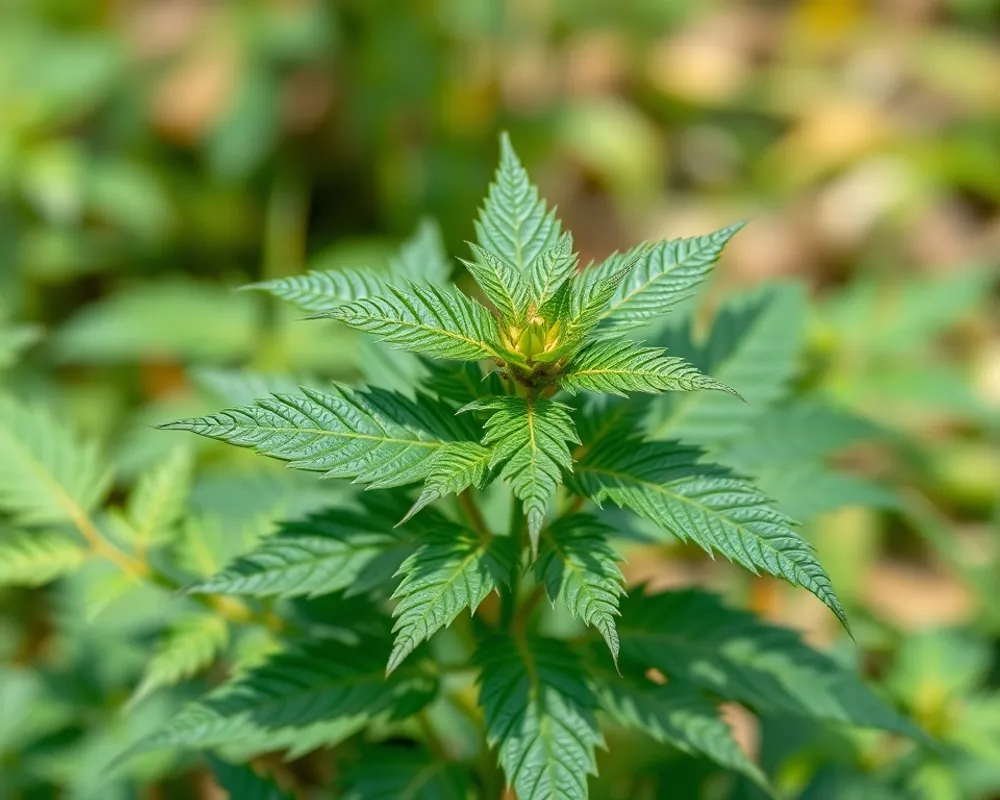
Gasoline kills nettle leaves and stems on contact. You’ll see wilting within hours. But the roots and rhizomes usually survive.
Gasoline is not a systemic herbicide. It stays on the surface and evaporates quickly. The nettle patch will regrow in two to four weeks.
The risks far outweigh the temporary benefit. Fire, soil contamination, personal injury, and legal trouble are all real. Safer methods like boiling water, horticultural vinegar, or manual removal give better long-term results.
Why People Consider Gasoline for Nettle Control
Stinging nettles are tough. They spread through underground rhizomes that can run several feet in every direction. A single patch can double in size each year if left unchecked.
So when you find a thick stand of nettles taking over a corner of the garden, it’s tempting to grab the nearest can of fuel.
Gasoline is already sitting in the garage. It’s cheap compared to a bottle of commercial herbicide. You don’t need to mix or measure, just pour it on.
That convenience makes it a go‑to for people who want a quick fix. Old gardening forums and anecdotal advice sometimes recommend it, which keeps the idea alive.
But convenience isn’t the same as effectiveness. What looks like a dead nettle patch after a gasoline treatment is often just a sleeping root system waiting to resprout. And the mess you create in the soil, the air, and on your hands lasts a lot longer than the nettles do.
How Gasoline Works (and Fails) on Nettles
Understanding the science helps explain why gasoline is a poor choice. Nettles have two parts: the above‑ground stems and leaves, and the below‑ground rhizome network. Gasoline is a contact herbicide, it burns whatever it touches.
But it doesn’t travel through the plant’s vascular system the way a systemic herbicide like glyphosate does.
What Happens Above Ground
When gasoline hits nettle leaves, it strips away the waxy cuticle that protects the plant. The cells underneath dry out and die within hours. The leaves turn brown, the stems wilt, and within a day the whole visible plant looks dead.
If your only goal is to remove the stinging top growth so you can walk through an area, gasoline achieves that.
But here’s the catch: gasoline evaporates rapidly. In warm weather, most of it is gone within 30 to 60 minutes. That short contact time means the chemical never reaches the deeper root system.
The top dies, but the roots remain alive and undamaged.
Why Rhizomes Usually Survive
Nettle rhizomes are thick, white, underground stems that store energy and send up new shoots. They can lie 6 to 12 inches deep and spread horizontally for several feet. Gasoline poured onto the soil surface rarely penetrates more than an inch or two before evaporating or being broken down by soil microbes.
Even if some gasoline seeps deeper, the rhizomes are protected by layers of soil and organic matter. They simply wait for the next rain or warm spell and send up fresh shoots. Aggregate user reports consistently show that gasoline‑treated nettle patches regrow within two to four weeks.
You end up with dead leaves and a toxic soil problem, but the nettles come back anyway.
The Real Dangers Nobody Talks About
The risks of using gasoline as a herbicide go far beyond a failed weed‑killing attempt. They include fire, long‑term soil damage, health hazards, and legal consequences. These aren’t theoretical, they’re documented by agencies like the Environmental Protection Agency (EPA) and local fire departments.
Fire and Explosion Risk
Gasoline has a flash point of -45°F (-43°C). That means it can ignite from a spark, a hot exhaust pipe, or even static electricity on a dry day. If you’re pouring gasoline near dry grass, fence lines, or garden tools, a single spark from a mower blade or a weed trimmer can turn the whole area into a fireball.
The National Fire Protection Association (NFPA) classifies gasoline as a Class 1 flammable liquid. Fire departments across the U.S. have responded to dozens of incidents where people used gasoline for weed control and accidentally set their yards on fire. In our research, fire risk is the number one reason experts advise against this method.
Soil and Groundwater Contamination
Gasoline is a mixture of over 150 hydrocarbons, including benzene, toluene, and xylene. These compounds are toxic to soil microbes, earthworms, and beneficial fungi. One gallon of gasoline can contaminate up to a million gallons of groundwater, according to the EPA.
Once it seeps into the soil, it can take years for natural breakdown to occur.
Affected soil loses its ability to support healthy plant growth. Even after the nettles regrow, you may find that vegetables, flowers, or grass refuse to take root in the same spot. The soil becomes sterile in practical terms.
Personal Health Hazards
Skin contact with gasoline causes irritation, redness, and chemical burns. Inhalation of fumes, especially in a confined garden shed or on a still day, can lead to dizziness, headaches, nausea, and in extreme cases, loss of consciousness. The Agency for Toxic Substances and Disease Registry (ATSDR) warns that repeated exposure can damage the nervous system, liver, and kidneys.
Poison Control (1-800-222-1222) reports hundreds of calls each year related to gasoline ingestion or improper handling. Children and pets are especially vulnerable if they wander into a treated area.
Legal Trouble You Didn’t Expect
Using gasoline as a pesticide is illegal under the Federal Insecticide, Fungicide, and Rodenticide Act (FIFRA). The EPA requires all pesticides to be registered and tested for safety. Gasoline is not registered for that use.
In many states, applying an unregistered pesticide can result in fines of up to $10,000 per violation.
If your gasoline application runs off into a storm drain or neighbor’s property, you could also face environmental cleanup costs. Local ordinances in some areas specifically prohibit using fuel as a herbicide. It’s not just a bad idea, it’s against the law.
Better Ways to Kill Nettles That Actually Work
You don’t need gasoline to get rid of nettles. The methods below are proven, safer, and often more effective in the long run. Each one has its own pros and cons.
Manual Removal (Digging and Pulling)
For small patches, digging out the entire root system is the most permanent solution. Use a garden fork or a dedicated weeding hoe to loosen the soil, then pull the rhizomes by hand. Wear thick gloves and long sleeves.
Dig down at least 12 inches to get the main rhizomes. Any piece left behind can regrow, so be thorough.
Boiling Water (Cheap and Chemical-Free)
Boiling water kills nettle leaves on contact and also damages shallow roots. It’s free if you have a kettle. Pour it directly onto the base of the plant.
Boiling water doesn’t linger in the soil, so you can replant immediately. You’ll need to repeat it every few days for a couple of weeks to exhaust the rhizomes.
Horticultural Vinegar (20% Acetic Acid)
Household vinegar (5% acetic acid) is too weak for nettles. Horticultural vinegar with 20% acetic acid works much better. It burns the leaves and stems within hours.
Unlike gasoline, it breaks down quickly in the soil and doesn’t leave toxic residues. Use a sprayer on a calm day and avoid drift onto desirable plants.
Glyphosate-Based Herbicides (When You Need a Chemical)
Glyphosate is a systemic herbicide that travels to the roots and kills the entire plant, including rhizomes. It’s available at most garden centers. Apply it when nettles are actively growing and not under drought stress.
One treatment often does the job, though a follow‑up may be needed for large patches. Follow all label directions, glyphosate can harm other plants and aquatic life if misused.
Smothering (Cardboard, Mulch, or Black Plastic)
For large areas where you don’t mind waiting, smothering works well. Lay down cardboard or thick layers of newspaper, then cover with 4 to 6 inches of mulch or black plastic. This blocks sunlight and prevents nettles from photosynthesizing.
After one full growing season, the rhizomes starve and die. It’s slow but low‑effort and chemical‑free.
Flame Weeding (Propane Torch)
A propane weed torch delivers intense heat that bursts plant cells and kills the top growth instantly. Flame weeding works best on young nettles or after you’ve cut the patch low. It does not kill deep rhizomes, so you’ll need to repeat it every few weeks.
Keep a hose ready and avoid using it near dry grass or structures.
Gasoline vs. The Alternatives: A Side-by-Side Comparison
Choosing the right method depends on your situation. The table below compares gasoline against the six alternatives we covered.
| Method | Kills Rhizomes? | Fire Risk | Soil Safety | Cost per Patch | Effort Level | Wait Time |
|---|---|---|---|---|---|---|
| Gasoline | Rarely | Extreme | Toxic for years | $3–$5 per gallon | Low | 2–4 weeks regrowth |
| Manual digging | Yes, if thorough | None | Excellent | Free | High | Immediate |
| Boiling water | Partially | Low | Excellent | Free | Medium | 2–3 weeks (repeated) |
| Horticultural vinegar | No | Low | Good | $10–$20 per quart | Medium | 2–3 weeks (repeated) |
| Glyphosate | Yes | None | Moderate | $15–$30 per bottle | Low | 1–2 weeks |
| Smothering | Yes, over time | None | Excellent | $0–$20 (cardboard) | Low | One full growing season |
| Flame weeding | No | High (dry conditions) | Excellent | $30–$60 (torch) | Medium | Weekly repeats |
Gasoline sits in a category of its own. It combines high risk with poor long-term results. Every other method beats it on at least two key factors.
Manual digging or smothering gives the best outcome for most home gardens. Glyphosate works well for larger patches where digging is impractical. Just be careful with drift and follow the label.
Step-by-Step: How to Safely Remove a Nettle Patch
Here is a practical workflow for tackling a nettle problem without gasoline. Choose the method that fits your patch size and patience level.
For small patches (under 10 square feet):
Start with manual removal. Put on thick gloves, long sleeves, and sturdy boots. Use a garden fork to loosen the soil around the patch.
Pull each nettle clump by the base and shake off the soil. Aim to get as much of the white rhizome as possible.
Place the pulled plants in a sturdy bag. Do not compost them. Nettle seeds and root fragments can survive in a compost pile and spread later.
For medium patches (10 to 50 square feet):
Cut the nettles down to ground level with a string trimmer or shears. Wait for fresh growth to emerge. Then apply horticultural vinegar or glyphosate to the new leaves.
Young growth absorbs chemicals better than mature leaves.
Repeat the application after two weeks if regrowth appears. This method exhausts the rhizomes over time.
For large patches (over 50 square feet):
Smothering is your best bet. Mow or cut the nettles as low as possible. Lay down overlapping layers of cardboard or thick newspaper.
Wet the cardboard so it stays in place. Cover with 4 to 6 inches of wood mulch, straw, or compost.
Leave the area covered for at least one full growing season. By the following spring, most rhizomes will have starved and died. If any nettles poke through, pull them immediately.
Early summer, when nettles are actively growing but have not yet gone to seed, is the best time to treat. Fall treatments are less effective because the plant is storing energy for winter.
Mistakes to Avoid When Dealing with Nettles
Even with good intentions, people make common errors that waste time or make the problem worse.
Pouring gasoline or diesel on a patch. It does not kill the roots. It creates a fire hazard. It contaminates your soil for years.
Digging when the soil is wet. Wet soil compacts easily and makes it harder to remove rhizomes. Wait for a dry spell when the soil crumbles, not clumps.
Leaving root fragments behind. Nettles regenerate from even small pieces of rhizome. A one-inch fragment can produce a new plant. Take your time and sift through the soil.
Fertilizing before removing nettles. Adding fertilizer to a weedy area feeds the nettles, not your garden. Remove the patch first. Then apply fertilizer to establish new plants.
If you're unsure about the right product, check our guide on what kind of fertilizer for grass to use once the area is ready.
Tilling a nettle patch. Tilling chops rhizomes into many small pieces. Each piece can sprout into a new plant. You end up with a hundred nettles where you had one.
Never till a nettle patch as a first step.
Applying herbicide before rain. Rain washes the herbicide off the leaves before it can be absorbed. Check the forecast. Apply when no rain is expected for at least 24 hours.
Ignoring the seed bank. Nettles produce thousands of seeds. If you disturb the soil without removing the seed heads first, you'll have a new crop next season. Cut seed heads off and bag them before digging or applying any treatment.
What the Law Says About Using Gasoline as a Herbicide
The Federal Insecticide, Fungicide, and Rodenticide Act (FIFRA) requires all pesticides used in the United States to be registered with the EPA. Gasoline is not registered as a pesticide. Using it to kill nettles is considered off-label use of an unregistered product.
The EPA can impose civil penalties of up to $10,000 per violation for misuse of a pesticide. Criminal penalties are possible for repeat or intentional violations. While enforcement is rare for small-scale home use, the law is clear.
Several states have their own pesticide regulations that are even stricter. California, Oregon, Washington, and New York all classify unregistered pesticide use as a misdemeanor. Fines start at $500 and go up from there.
If you are renting your property, using gasoline as a herbicide could violate your lease. Landlords have been known to terminate leases over environmental contamination risks. If gasoline runoff from your property contaminates a neighbor's well or garden, you could be held responsible for cleanup costs running into the tens of thousands of dollars.
The safest legal position is simple: use a registered herbicide or a non-chemical method. Gasoline belongs in your lawn mower, not your garden sprayer. For proper care of the equipment that does use gasoline, regular maintenance like cleaning the air filter and checking the right oil level keeps things running smoothly.
When Gasoline Might Actually Be Your Only Option (Rare Scenarios)
We believe in honest advice. There are very rare situations where gasoline could be the least bad option. These are not home garden scenarios.
They are extreme cases.
Industrial or construction sites with no access to water. If you are clearing a remote construction site and need to kill vegetation on a concrete slab or gravel lot, gasoline might be the only liquid you have on hand. Even then, a propane torch is safer and just as effective.
Emergency removal of poison ivy or giant hogweed. Some invasive plants require immediate removal due to health risks. If you have no other tool available and the patch is small, gasoline will kill the top growth fast. But you still face the same root regrowth and contamination issues.
Last resort before paving or laying gravel. If you are about to cover an area with concrete, asphalt, or heavy gravel, the long-term soil damage from gasoline is irrelevant. The area will be sealed anyway. Still, a non-flammable herbicide is a better choice.
In every other case, alternatives outperform gasoline. No credible garden or farming authority recommends gasoline for weed control. Not the USDA, not any university extension service, not the EPA.
If you find yourself reaching for the gas can, stop and ask why. Is it convenience? Is it frustration with repeated regrowth?
Address the root cause instead. Use a method that kills the rhizomes for good.
Expert Tips for Long-Term Nettle Prevention
Mow or trim nettle patches before they flower. This prevents seed production and starves the roots over time. Keep the area covered with dense mulch or ground cover.
Nettles need sunlight to germinate and spread.
Inspect fence lines and garden edges regularly. Early removal of small patches is far easier than tackling a mature stand. Keep your soil healthy and well-fed.
Nettles thrive in compacted, nitrogen-rich soil. Test your soil pH after removal and adjust it. A balanced lawn care routine with proper fertilizer timing helps.
Check our guide on when to fertilize lawn for seasonal tips.
Frequently Asked Questions
Can I use diesel instead of gasoline on nettles?
Diesel is slightly less flammable but still toxic to soil and unregistered as a pesticide. It carries the same legal and environmental risks. Avoid both.
How long until nettles regrow after gasoline treatment?
Most treated patches show new growth within two to four weeks. The rhizomes survive and push up fresh shoots. Repeat applications create more contamination without long‑term control.
Is it safe to compost nettles killed with gasoline?
No. Gasoline residues persist in plant tissue and soil. Never compost gasoline‑treated weeds.
Dispose of them in sealed bags with household trash.
What kills nettles permanently without chemicals?
Manual digging that removes all rhizomes is the most permanent non-chemical method. Smothering with cardboard and mulch for one full season also works well. Both methods leave the soil healthy and ready for new plants.
Final Verdict: Should You Use Gasoline on Nettles?
No. Gasoline kills the top growth temporarily, but it fails to kill rhizomes. It creates serious fire and health hazards.
It contaminates soil. It is illegal as a pesticide. Safer, cheaper, and more effective alternatives exist for every situation.
Manual removal, smothering, horticultural vinegar, or glyphosate give you real results without the risks. Skip the gas can. Your garden and your safety are worth it.