
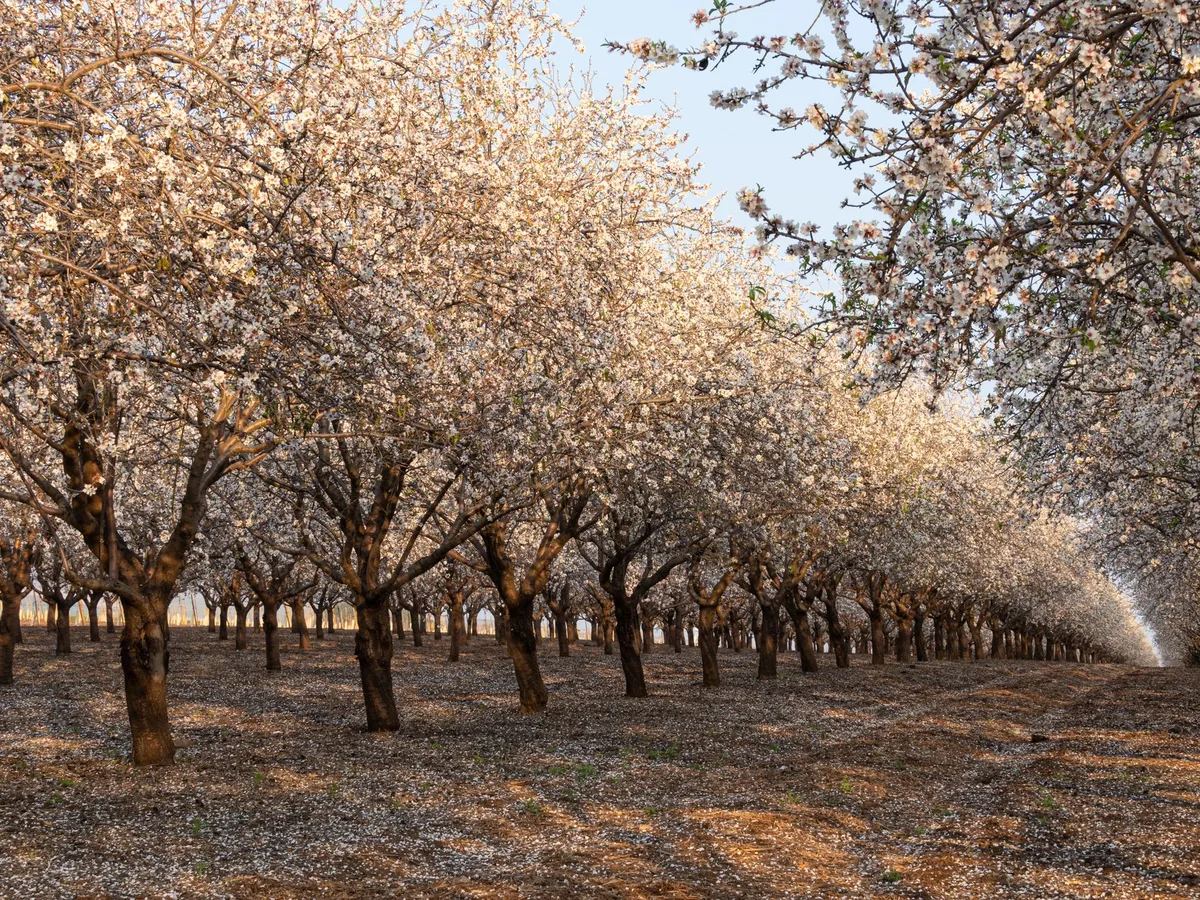
Deciding if an almond tree can flourish in your Texas backyard is a question that requires looking closely at the state's varied climate and the specific needs of Prunus dulcis. While California dominates almond production, some Texans dream of harvesting their own nuts. It's not as simple as planting a seed and waiting, however.
Many factors, particularly chilling hours and frost dates, play a critical role. Our research indicates that while some regions offer potential, most of Texas presents significant challenges for reliable almond cultivation, often falling short of the approximately 600-1,000 chilling hours needed for many common varieties. Understanding these nuances is key before you even consider digging a hole.
Quick Answer
Growing an almond tree in Texas is difficult. Most of the state lacks sufficient chilling hours. Late spring frosts frequently damage blossoms.
Almonds need about 600-1,000 chilling hours. Many Texas regions offer less than half that. Pests and diseases are also major concerns.
It’s generally not recommended for home growers.
Understanding Texas Almond Tree Needs: The Chilling Hours Puzzle
Almond trees, like many temperate fruit and nut trees, depend on a specific period of cold weather during winter to properly break their dormancy. This period, known as chilling hours, is typically measured in hours below 45°F (7°C). Different almond varieties have different chilling requirements, but most established commercial types need somewhere between 600 and 1,000 hours per winter to produce a satisfactory crop.

The critical issue for aspiring almond growers in Texas is that most of the state simply doesn't get enough consistent, prolonged cold. While West Texas might get closer in some years, the vast majority of the state, including populated areas like Central and East Texas, experiences winters that are too mild. Too few chilling hours means the tree's buds won't develop properly, leading to poor flowering and, consequently, little to no fruit.
This is why understanding the local chilling hour accumulation is the absolute first step. Texas A&M AgriLife Extension provides regional data that can help assess your specific microclimate's potential.
Why Chilling Hours Matter for Fruit Set
When winter temperatures drop sufficiently for extended periods, it signals to the almond tree that it’s time to rest and prepare for spring growth. This rest period is crucial because it allows the tree to build up the necessary hormones and compounds for blooming and fruit development. Without that adequate cold signal, the tree’s internal clock gets disrupted.
When spring arrives, even if temperatures are warm, trees that haven't received enough chilling might exhibit erratic blooming patterns. You might see flowers open all at once, or sporadically over a long period, making pollination less effective. In some cases, the tree might not flower at all.
This lack of proper bud break is the primary reason why almond trees fail to produce nuts in warmer climates, even if they survive the cold temperatures.
How Much Chill Does Texas Offer?
Texas is a big state with diverse climates, and this directly impacts chilling hour accumulation. Generally, the western parts of the state, particularly the Panhandle and some higher elevations, tend to receive the most chilling hours. Estimates for areas like Lubbock or Amarillo can sometimes approach the lower end of the required range, around 500-700 hours in a good year.
However, move towards Central Texas (think Austin, Dallas, San Antonio), and those numbers drop significantly, often ranging from 300 to 500 hours. East Texas, with its generally milder winters and higher humidity, often receives even fewer, sometimes below 300 hours. South Texas is typically far too warm, usually getting less than 200 chilling hours, making it almost impossible for standard almond varieties to fruit.
It’s important to remember these are averages; winter weather can be unpredictable, and a single warm winter can set back production for multiple years. For reliable fruiting, you generally need consistent weather and higher totals than most of Texas can provide.
Almond Varieties: Picking the Right Fit (or Not) for Texas
Given the chilling hour challenges, selecting the right almond variety is paramount, but it’s also where many potential Texas growers run into trouble. The most common and widely available almond varieties, like 'Nonpareil', 'Carmel', and 'Peerless', are bred for and thrive in the specific climate conditions of California’s Central Valley, which offers ample chilling hours and a lower risk of late frosts.
Trying to grow these in Texas is often a losing battle. Our research consistently shows that even with the most favorable microclimate a Texas property might offer, these standard varieties will likely struggle. You might manage to keep the tree alive, but harvesting nuts will be rare.
Varieties That Might Work (and Why They're Tricky)
There are some almond varieties developed for warmer climates, sometimes referred to as "low-chill" almonds. These are specifically bred to require fewer chilling hours, perhaps in the 300-500 hour range. Examples sometimes mentioned include 'All-in-One', 'Reliance', or 'Mission'.
These are the types you'd look at if you were absolutely set on trying an almond tree in a marginal Texas climate.
However, even these "low-chill" varieties present significant hurdles. While they require fewer hours, they still need a substantial amount of cold to set fruit reliably. Texas winters, while generally warmer than traditional almond-growing regions, can also be erratic.
A few mild winters in a row could mean no fruit for years. Furthermore, these varieties might be more susceptible to pests and diseases in Texas's humid or semi-arid conditions. Their nut quality may also not match that of standard commercial varieties.
What About Self-Fertile Options?
Many fruit and nut trees require cross-pollination, meaning you need at least two different compatible varieties planted close to each other for pollination to occur. For almonds, this is often the case. However, a few varieties are advertised as self-fertile, meaning they can pollinate themselves.
This sounds like a great solution for a home gardener who only wants to plant one tree.
Unfortunately, "self-fertile" in almonds doesn't necessarily guarantee fruit if the other crucial environmental factors aren't met. Even a self-fertile variety still needs adequate chilling hours to break dormancy and flower properly. If the chilling hours are insufficient, the flowers might not develop correctly, or they may open at the wrong time for pollination, even with the tree's own pollen.
So, while a self-fertile variety can simplify planting logistics, it doesn't eliminate the primary challenge of Texas's climate for almond cultivation.
Solving Almond Tree Problems in the Texas Climate
Even if you manage to select a somewhat suitable variety and site, growing almond trees in Texas will inevitably present challenges. These aren't passive plants; they require vigilance. The primary foes are nature itself and various bugs and blights.
The Frost Factor: Protecting Blossoms
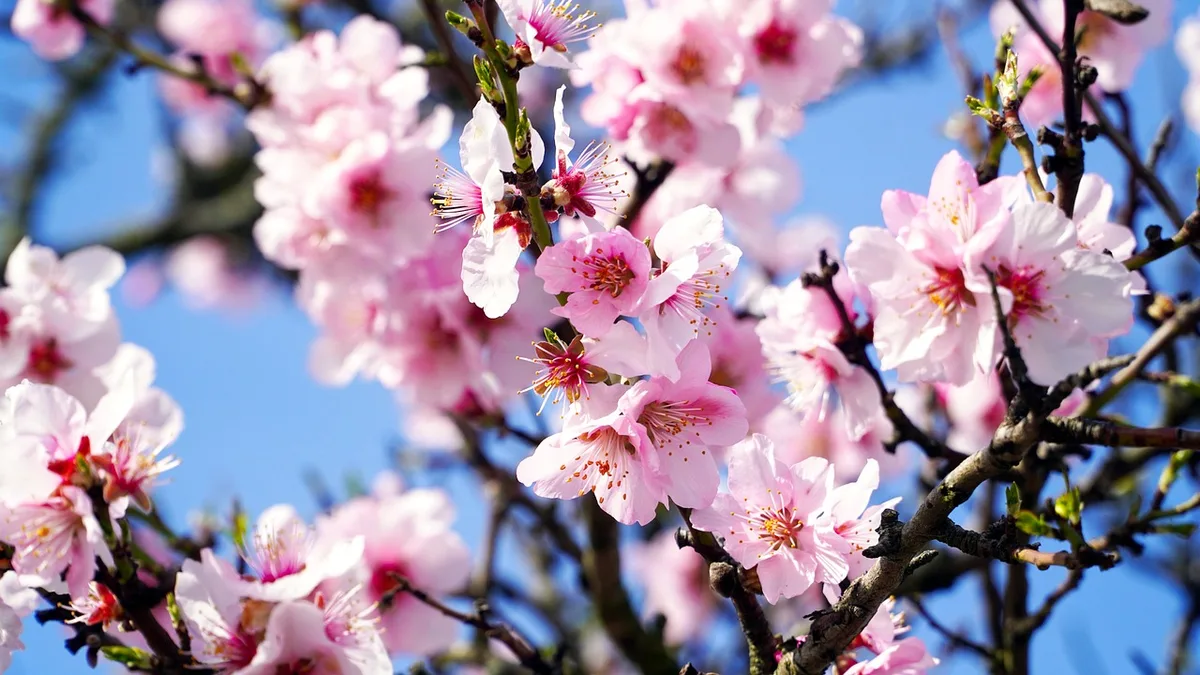
One of the biggest nightmares for any fruit or nut grower in a marginal climate is the late spring frost. Almond trees are notorious for blooming very early in the season, often as early as February or March, depending on the specific region and variety. This early bloom is a problem because Texas weather is notoriously unpredictable.
It’s not uncommon for a warm spell in late winter to encourage the trees to bloom, only for a sudden, hard freeze to return in March or even April. These freezes can kill the delicate blossoms outright or damage the tiny, developing nuts. When this happens, any potential crop for the year is wiped out.
Protecting vulnerable blossoms from these late frosts can involve covering young trees, using overhead irrigation systems (though this has its own risks), or even planting in microclimates that are slightly warmer or protected from cold air drainage. For a home gardener, this level of intervention can be quite labor-intensive.
Drought and Water Management for Almonds
Texas summers are typically hot and dry, and almond trees, while showing some drought tolerance once established, are heavy feeders and drinkers, especially when they are young and trying to establish a strong root system. They need consistent moisture to thrive and produce nuts. In many parts of Texas, this means supplemental irrigation is non-negotiable, particularly during the crucial periods of bud swell, bloom, and nut development.
This can be a significant challenge, especially in drought-prone regions or during years with water restrictions. Over-watering can also be an issue, leading to root rot, particularly in poorly draining soils, which are common in some Texas soils. Finding that perfect balance of providing enough water without waterlogging the roots requires careful monitoring and understanding of the soil's properties.
This is a key consideration when you look at the what kind of fertilizer for grass to use or other lawn care articles.
Common Pests and Diseases in Texas
Almond trees are susceptible to a range of pests and diseases, and Texas's climate can sometimes exacerbate these issues. Mites, aphids, and various borers can weaken the tree and damage the nuts. Fungal diseases like brown rot, leaf spot, and scab can also be prevalent, especially in areas with higher humidity or during wet spring periods.
Managing these issues effectively in a home garden setting can be complex and may require regular spraying with appropriate treatments. This can range from horticultural oils and insecticidal soaps for milder infestations to more potent fungicides and insecticides for severe outbreaks. Keeping up with preventative measures and timely treatments is crucial, and it adds another layer of effort and potential cost to growing almonds successfully.
For anyone managing a garden, understanding pest control is akin to hoes to get rid of garden weeds, it’s an essential part of the process.
Deciding IF Almonds Are Right For Your Texas Spot
Given the challenges we've discussed, insufficient chilling hours, frost risk, water demands, and pest pressures, the decision to try growing an almond tree in Texas boils down to a realistic assessment of your location and your commitment. For most home gardeners, especially those in Central, East, or South Texas, the odds are stacked against you for a consistent yield. It's important to be honest about how much effort you're willing to put in for a potentially modest return.
Your Texas Location: A Climate Decision Tree
The first and most critical step is to understand your specific climate zone within Texas. This isn't just about USDA hardiness zones, but also about microclimates and historical weather patterns. A tree that might marginally survive in one part of the state could fail completely just a few hundred miles away.
- West Texas: This region, particularly the Panhandle and higher elevations, offers the best chance for adequate chilling hours, potentially reaching 500-700 hours in good years. However, you must contend with extreme aridity, intense sun, and the persistent risk of drought. Water availability will be your biggest challenge.
- Central Texas: Areas like the Austin, Dallas, and San Antonio corridors typically receive less chilling, often 300-500 hours. Your major threat here is the late spring frost, which can easily wipe out early blooms. You'll need strategic site selection to mitigate frost damage.
- East Texas: With higher humidity and often milder winters, East Texas may not consistently reach the necessary chilling hours. Soil types also vary, and some areas can be prone to drainage issues. This region presents one of the tougher environments for almonds.
- South Texas: Generally, the southern parts of the state are far too warm, accumulating well under 300 chilling hours annually. Almond trees are highly unlikely to produce fruit here, though they might survive as decorative trees.
What Nut Trees Actually Thrive Here?
If the thought of homegrown nuts is appealing, but almonds seem like too much of a gamble, consider what does reliably grow in Texas. The state excels in growing nut trees that are perfectly adapted to its climate. This is often a much more rewarding path for home gardeners seeking a harvest.
The undisputed champion of Texas nut trees is the pecan. Pecan trees (Carya illinoinensis) are native to much of the state and thrive across various Texas climates, requiring less fuss than almonds. Other nuts that can do well, depending on the region, include certain varieties of walnuts, especially if you can find or develop trees with good disease resistance.
For those in East Texas, Eastern Black Walnut (Juglans nigra) might be an option, while other varieties exist for different parts of the state. Exploring these native or well-adapted alternatives means a higher probability of success and a more substantial harvest without the constant worry that almonds present. You might also find our insights on what fertilizer to use in spring at your garden or compost vs fertilizer helpful for any tree you decide to plant.
Planting and Caring for Almond Trees in Texas
If, after considering the significant challenges, you're still determined to try an almond tree, careful planning and diligent care are essential. This isn't a plant-and-forget situation. Success hinges on meticulous site selection, proper planting, and consistent management throughout the year.
Getting these foundational steps right will give your tree the best possible chance.
Choosing the Perfect Spot: Sun, Soil, and Shelter
The ideal location for an almond tree in Texas needs to tick several boxes. Firstly, it requires full sun, meaning at least six to eight hours of direct sunlight daily, preferably facing south or southeast to maximize sun exposure. Secondly, soil drainage is non-negotiable.
Almonds hate wet feet; if water pools around the roots, root rot is almost guaranteed. If your soil is heavy clay, amending it heavily with organic matter or planting on a raised mound is crucial.
Consider air drainage as well, especially for frost protection. Planting on a slight rise or slope can allow cold air to drain away from the tree, reducing frost damage risk. Avoid low-lying areas where cold air settles.
Lastly, think about wind protection. While trees need some airflow, severe winds can damage branches and blossoms. A location somewhat sheltered from the harshest winds can be beneficial.
This careful site selection is similar to preparing for other large plantings, like deciding what is the best lawn fertilizer or how to use a lawn roller for your garden.
Planting Your Almond Tree
So, you've found a spot. Now it's time to get the tree in the ground. This is usually done in late fall or early winter, allowing the tree to establish roots before the stress of summer heat.
Dig a hole that's about twice as wide as the root ball but only as deep as the root ball itself. You don't want to plant the tree too deep.
Gently loosen any circling roots on the root ball before placing the tree in the hole. The top of the root ball should be level with or slightly above the surrounding soil surface. Backfill the hole with the native soil you removed, breaking up any large clods.
Avoid adding too much extra compost or amendments directly into the planting hole, as this can create a "bathtub" effect where water drains poorly. Water the tree thoroughly after planting to settle the soil and eliminate air pockets.
Watering Smart in Texas Heat
Consistent moisture is key for almond trees, especially during their first few years and while nuts are developing. In Texas, this means you'll likely need to irrigate, even if you have decent rainfall. Young trees, in particular, need regular watering to establish a strong root system capable of seeking out moisture deeper in the soil.
Water deeply and less frequently rather than shallowly and often. Aim to moisten the soil out to the drip line of the tree. The exact frequency will depend heavily on your soil type, local rainfall, and the summer temperatures.
During the hottest months, you might need to water every week or two. As the tree matures and its roots go deeper, its drought tolerance will increase, but it will still benefit from supplemental water during extended dry spells, especially when nuts are forming. For irrigation advice, consider resources on managing water for plants, similar to understanding when to fertilize lawn.
Pruning for Success and Survival
Pruning is an essential part of almond tree care, serving multiple purposes: shaping the tree, removing dead or diseased branches, improving air circulation, and managing its size. For young trees, the goal is to establish a strong structural framework, typically a vase shape with three to four main scaffold branches. This shape opens up the center of the tree, allowing sunlight and air to penetrate, which aids in ripening nuts and reducing disease.
Major pruning is usually done in late winter when the tree is dormant. This is also the best time to remove any branches that were damaged by frost or ice. During the growing season, you can do light pruning to remove suckers (shoots growing from the base of the tree) or water sprouts (vigorous vertical shoots).
Over-pruning can stress the tree, so aim for removal of about 20-25% of the canopy at most in a single dormant season. Proper pruning is vital for the tree's overall health, much like ensuring a clean lawn mower air filter is critical for efficient operation.
Almond Tree Maintenance and Troubleshooting
Even with the best planting and care, your almond tree will likely encounter issues in a Texas environment. Regular inspection and a proactive approach to problems are key to keeping your tree healthy and potentially yielding a crop. Many problems can be spotted early and addressed with simple interventions, preventing them from becoming major threats.
Monitoring for Pests and Diseases
Consistent observation is your best defense. Regularly walk around your tree, looking for any signs of trouble. Check the leaves for discoloration, spots, or chew marks.
Inspect the bark for any oozing or signs of borers. Look for excessive webbing or unusual insect activity. Familiarizing yourself with common almond pests and diseases can help you identify problems quickly.
In our research, common issues include spider mites, which thrive in hot, dry conditions and cause stippling on leaves; aphids, which cluster on new growth and weaken the plant; and various borers that attack the trunk and branches. Fungal diseases like brown rot can affect blossoms, leaves, and fruit, appearing as fuzzy gray mold. Early detection allows for targeted treatments, whether it's a strong spray of water to dislodge aphids or using appropriate horticultural oils or fungicides when necessary.
This vigilance is akin to knowing how to use a leaf blower to keep your property clear of debris that can harbor pests.
When to Get Expert Help
While DIY solutions are often effective, there are times when you'll need to consult with local experts. If you're unsure about a pest or disease identification, or if an issue seems to be spreading rapidly despite your efforts, it's time to seek advice. Your local Texas A&M AgriLife Extension office is an invaluable resource.
They have horticultural agents who are familiar with regional problems and can offer specific recommendations for your area.
They can help diagnose complex issues, identify specific pests or diseases, and suggest the most effective and environmentally responsible treatment options. Don't hesitate to send them photos or samples if requested. Sometimes a small problem can escalate quickly, and professional guidance can save your tree.
In situations where specialized equipment might be needed, like certain types of sprayers, understanding the best tool for the job is also important, similar to knowing how do I know what size trimmer line I need.