
When you're out trying to get your lawn looking great or tackling a pest problem, using the right amount of product is key. A tool like a hose end sprayer seems straightforward, but getting the mixture right can turn a simple task into a guesswork game. That's where understanding dilution ratios and having a solid hose end sprayer conversion chart becomes essential for successful application.
Getting your dilutions wrong can mean ineffective treatments or, worse, damaging your plants and lawn. Manufacturer specifications often list dilution requirements in various formats, but your sprayer might only have specific settings. For instance, many chemical concentrates are measured in ounces per gallon (oz/gal), while some sprayers are calibrated in gallons per acre (GPA) or simple ratio settings like 1:10.
As of 2026, this variability still catches many people off guard.
Quick Answer
A hose end sprayer conversion chart translates different measurement units for product dilution into usable figures for your sprayer settings. It helps you correctly mix concentrates, like pesticides or fertilizers, by converting label directions (e.g., ounces per gallon) into the specific dial setting needed on your sprayer. This ensures effective application, prevents plant damage from over-concentration, and avoids wasted product.
Why You Need a Hose End Sprayer Conversion Chart
Using a hose end sprayer effectively hinges on accurately applying the correct product concentration. This isn't just about getting the lawn green; it's about ensuring weed killers actually kill weeds without harming grass, or that pest treatments eliminate the bugs without stressing your plants. Many product labels provide instructions in one set of units, like ounces per gallon (oz/gal), but the sprayer itself might be calibrated differently, often with settings like 1:10, 1:20, or specific GPA rates.
Without a conversion chart, you're essentially guessing, which can lead to disappointing results or costly mistakes.
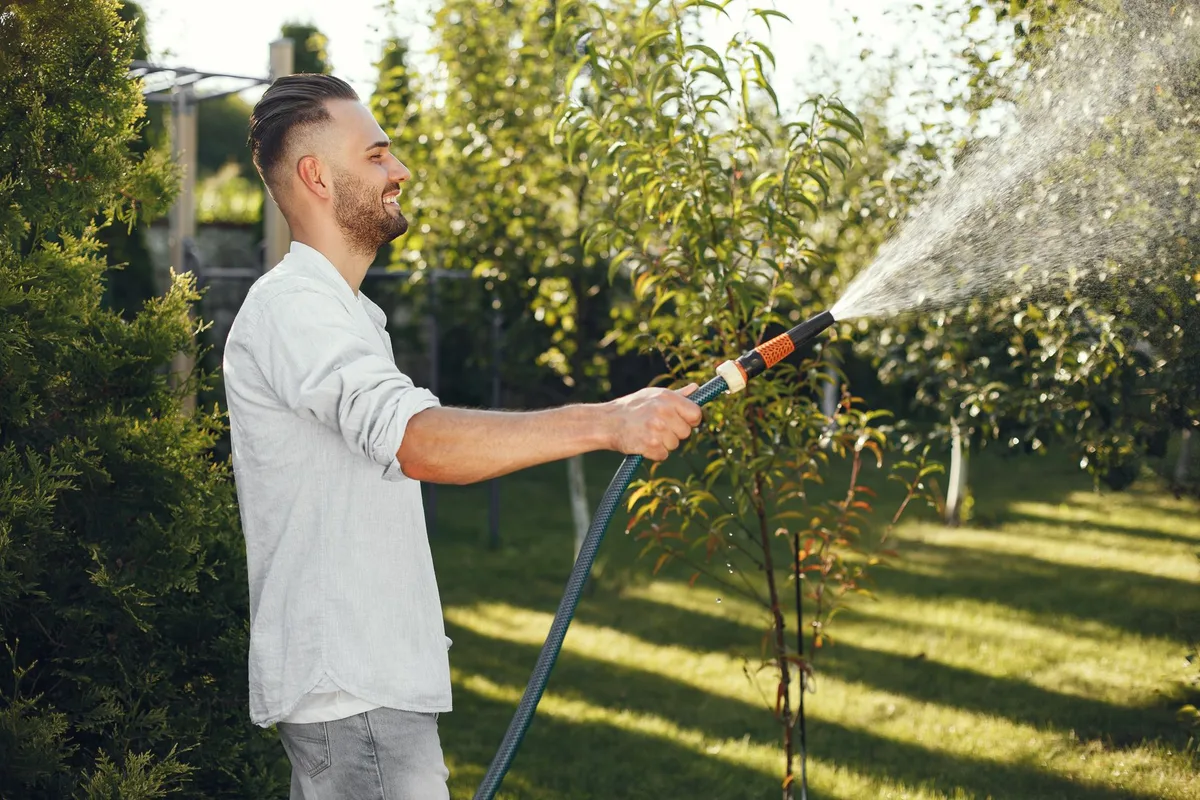
The goal is precise application, where the active ingredient is present at the optimal level for efficacy and safety. This is particularly true for regulated substances like pesticides, where the Environmental Protection Agency (EPA) sets strict guidelines for use.
Understanding Dilution Ratios: The Basics
At its heart, a dilution ratio tells you how much of a concentrated product (like a liquid fertilizer or a herbicide) needs to be mixed with a carrier, usually water, to achieve the desired strength. These ratios are critical for two main reasons: effectiveness and safety. If you don't use enough product, it might not work as intended, leaving you with ongoing weed problems or lingering pests.
On the other hand, using too much concentrate can burn your plants, damage your lawn's root system, or even pose risks to pets and people.
Ratios are commonly expressed in a few ways:
- Concentrate to Water: For example, a 1:10 ratio means one part concentrate mixes with ten parts water.
- Volume per Volume: This is often seen as ounces per gallon (oz/gal). A product might call for 4 oz of concentrate per gallon of water.
- Area Coverage: Some applications are measured in gallons per acre (GPA), especially for large-scale treatments.
Your hose end sprayer will have its own set of settings that correspond to one of these measurement types. The conversion chart acts as a translator between the product's instructions and your sprayer's capabilities.
Common Hose End Sprayer Settings and What They Mean
Most hose end sprayers have adjustable settings that determine how much concentrate they draw from the bottle and mix with the water flowing through them. These settings are designed to handle different dilution needs without requiring you to pre-mix everything in a separate tank. Understanding what each setting literally means is the first step to accurate application.
1:10 Sprayers
When your hose end sprayer is set to 1:10, it's designed to mix one part of the concentrated product with ten parts of water. This is a relatively high concentration, often used for products that are potent and require less dilution. Think of it as a "richer" mixture.
If you pour one ounce of product into the sprayer's reservoir, the sprayer will pull that one ounce and then pull ten ounces of water to mix with it, resulting in a total of eleven ounces of diluted spray. This setting is typically for, for instance, specific types of potent insecticides or cleaning solutions where a smaller amount goes a long way.
1:100 Sprayers
A 1:100 setting is a much leaner dilution. Here, for every one part of concentrate, the sprayer pulls one hundred parts of water. This is ideal for products that are less potent, require a very light application, or need to cover a large area where a less concentrated spray is more appropriate.
For example, some liquid fertilizers or milder weed deterrents might be recommended at this dilution. If the reservoir holds one ounce of product, the sprayer will be set up to draw that one ounce and mix it with one hundred ounces of water, creating a total of 101 ounces of diluted spray. This ensures a broad, even coverage without risking over-application.
1:1000 Sprayers (or higher)
Sprayers with even higher ratio settings, like 1:1000, are for extremely dilute applications. These are less common for general lawn and garden use and are more often found in specialized agricultural or horticultural scenarios. At 1:1000, a tiny amount of concentrate is mixed with a very large volume of water.
This might be used for certain micronutrients, very specific biostimulants, or specialized pest management programs where the active ingredient is meant to be present in trace amounts to affect pest behavior or plant growth subtly. For these, precision is paramount, and having a chart to confirm the math is non-negotiable.
Converting Fluid Ounces to Gallons: The Core Math
The real challenge with hose end sprayers often comes down to matching the product label's requirements with your sprayer's settings. Many product labels specify dilution rates in fluid ounces per gallon (oz/gal). For instance, a herbicide might instruct you to use 4 oz of product for every gallon of water applied to your lawn.
Your hose end sprayer, however, might have dial settings indicating a ratio like 1:20 or a specific rate like 2 gallons per acre (GPA). This is where the fundamental math of conversion becomes your best friend.
A standard U.S. gallon contains 128 fluid ounces. So, if a product calls for 4 oz per gallon, this means you want a ratio of 4 oz of concentrate to 128 oz of water. This ratio simplifies to 1 part concentrate to 32 parts water (128 oz / 4 oz = 32).
If your sprayer can be set to a 1:32 ratio, you've found your match. If it can't, you'll need to use a conversion chart to figure out which of its available settings comes closest to that 1:32 ratio or adjust your thinking to achieve the same result. Understanding this core relationship between fluid ounces and gallons is the foundation upon which all hose end sprayer conversions are built.
Using the Conversion Chart: A Step-by-Step Guide
Navigating the sometimes-confusing world of product labels and sprayer settings is straightforward once you know how to use a conversion chart. Think of the chart as your personal translator, bridging the gap between what the product manufacturer recommends and what your equipment can deliver. Here’s a breakdown of how to get it right every time.
Step 1: Read Your Product Label
This is the absolute first and most crucial step. Grab your bottle or bag of whatever you plan to spray, be it fertilizer, weed killer, or insecticide. Carefully read the entire label, paying close attention to the "Directions for Use" or "Application Instructions" section.
Look for how the product recommends dilution. It might be in ounces per gallon (e.g., 3 oz/gal), a ratio (e.g., 1:20), or sometimes even gallons per acre (GPA) for larger-scale applications. Note down this exact number or ratio.

Don't skim! Labels contain vital information not just on dilution but also on what surfaces or plants the product is safe for, necessary personal protective equipment (PPE), and any environmental precautions you need to take. For example, many lawn fertilizers include specific use instructions based on their nitrogen content, which can influence the rate you apply them.
This is critical information, especially when considering what kind of fertilizer for grass to use.
Step 2: Identify Your Sprayer's Setting
Now, turn your attention to your hose end sprayer. Most sprayers have a dial or a series of numbered holes/settings on them. These settings represent the sprayer's dilution capabilities.
They might be labeled as ratios (like 1:10, 1:20), volumes per gallon (like 1 oz/gal, 2 oz/gal), or even deliver a specific amount for a certain area coverage (like 2 GPA or 4 GPA). Take a moment to understand what each setting on your specific sprayer means. Your sprayer's manual is the best place to clarify these settings definitively.
Step 3: Find the Match on the Chart
This is where the conversion chart becomes indispensable. You'll look for the recommendation from your product label (e.g., 4 oz/gal) and then find that figure on the chart. The chart will then show you which setting on your hose end sprayer corresponds to that specific dilution rate.
For instance, if the label says 4 oz/gal and your chart indicates that your sprayer's "Setting 3" delivers 4 oz/gal, then Setting 3 is what you'll use. If your product label gives a ratio (e.g., 1:32) and your sprayer has ratio settings, you'll look for the closest match. This step is crucial, if you pick the wrong setting, you risk ineffective application or damage.
For instance, when dealing with lawn issues, using the incorrect concentration can be worse than not treating them at all, highlighting the importance of knowing when to fertilize lawn and how to apply it correctly.
Step 4: Measure Your Concentrate
Once you've identified the correct setting on your sprayer, you'll need to measure the concentrated product. A set of good quality measuring cups or spoons designed for liquids is best, especially for smaller amounts required in the sprayer's reservoir or if you're mixing a smaller batch. Many products come with their own measuring aids, or some specialty gardening stores sell them.
Ensure you're using the correct units, if the label says fluid ounces, use a fluid ounce measure. Avoid using kitchen measuring cups meant for dry ingredients, as they can be inaccurate for liquids. Accuracy here ensures the dilution ratio is precisely what you’ve matched on the chart.
Step 5: Fill Your Sprayer Tank
With the concentrate measured and your sprayer set to the correct dilution, you can now fill the sprayer's tank. Most hose end sprayers have a reservoir at the bottom where you pour the measured concentrate. The product label or the sprayer's instructions will tell you how much total liquid volume the sprayer is designed to hold or mix per cycle.
You'll then connect the sprayer to your garden hose, turn on the water, and the sprayer will automatically siphon the concentrate and mix it with the water as it flows through. Ensure the water pressure is adequate (typically 40-60 PSI) for the sprayer to function correctly. After application, remember to rinse your sprayer thoroughly to prevent the concentrate from damaging it.
When to Use Which Sprayer Setting: Practical Applications
Choosing the right application rate for your treatments isn't just about following instructions; it’s about matching the product’s intended use to your specific needs and goals in the yard. Different products and treatments require different concentrations to be effective without causing harm. Your hose end sprayer’s adjustable settings, guided by a conversion chart, allow you to fine-tune this application for optimal results.
For Lawn Fertilizers
When you're feeding your lawn, the goal is consistent nutrient delivery. Most lawn fertilizers, whether granular or liquid, call for a specific amount of nitrogen, phosphorus, or potassium per 1,000 square feet. If you’re using a liquid fertilizer concentrate with your hose end sprayer, you'll want to consult the label for its recommended application rate, usually in ounces per gallon or pounds per acre.
For example, if the label states 2 oz of liquid fertilizer per 100 sq ft, and you know your sprayer covers 500 sq ft per tank at a certain setting, you'd need to calculate 10 oz total for that tank. Use your conversion chart to find the sprayer setting that delivers this target amount. Applying the right fertilizer at the right time is key to turf health; see guidance on what fertilizer to use in spring at your garden.
For Weed Killers
Targeting unwanted plants requires precision because herbicides can damage desirable ones if misapplied. Weed killer labels typically specify a concentration range (like 1 to 3 ounces of product per gallon of water) or a rate per area (like pints per acre). It's important to match this recommendation precisely, as under-application means weeds might survive, while over-application can damage or kill your lawn grass or ornamental plants.
For instance, a broadleaf weed killer might be safe for your turf at a 2 oz/gal dilution, but could injure ornamental flowers if applied too strongly. A conversion chart helps you dial in that exact concentration for effective weed removal without collateral damage. You might also find specific hoes useful for certain types of weed removal from garden beds, as discussed in hoes to get rid of garden weeds.
For Insecticides and Fungicides
Controlling pests and diseases is critical for plant health, and it demands careful application of insecticides and fungicides. These products often have low application rates to be effective without harming beneficial insects or the plants themselves. For instance, a fungicide might call for only a few ounces of concentrate per 100 gallons of spray for a specific disease.
You'll need to know how much total spray volume your hose end sprayer can deliver per minute or per area to accurately use your conversion chart to achieve the label's precise dilution. Over-application here can lead to plant injury (phytotoxicity) or resistance development in pests, so accuracy is paramount.
Common Mistakes When Using a Hose End Sprayer
Even with a handy conversion chart, there are pitfalls that can lead to less-than-ideal results. These mistakes often stem from cutting corners or not fully understanding the equipment and product. Being aware of these common errors can help you avoid them and ensure your spraying efforts are successful.
Guessing Measurements
The most frequent mistake is simply not measuring accurately or guessing the amount of concentrate needed. You might eyeball the product pouring it into the sprayer's reservoir, thinking "close enough." However, a few extra ounces can drastically alter the dilution, potentially turning an effective treatment into a damaging one. Always use calibrated measuring devices and refer to your conversion chart and product label for precise amounts.
Even small discrepancies can matter, especially with potent chemicals.
Misinterpreting the Label
Product labels can sometimes be confusing, especially if they offer multiple dilution options for different pests, plants, or growth stages. Some labels might provide rates in ounces per acre, while your sprayer is set to deliver ounces per gallon. Without a conversion chart, translating these figures correctly can be difficult.
Always double-check what units the label is using and how your sprayer's settings correspond. When in doubt, consult the manufacturer or a local agricultural extension office. Understanding these specific rates is crucial, similar to how one might look into what is the best lawn fertilizer to ensure optimal soil health.
Not Calibrating Your Sprayer
Even if your sprayer has a dial, the actual amount it dispenses can vary slightly from its settings due to factors like water pressure, nozzle wear, or build-up. Professional applicators often perform a simple calibration test to ensure their sprayer dispenses the precise amount it claims to. For home users, regular checks by comparing the sprayer's output against a measured volume of water over a set time can confirm its accuracy.
If your sprayer's output is significantly different from its setting, your conversion chart's accuracy will be compromised. This is akin to checking your lawn mower air filter for clogs to ensure optimal engine performance; maintenance matters.
Benefits of Accurate Dilution
Achieving the correct dilution ratio with your hose end sprayer isn't just about following instructions; it directly translates into tangible benefits for your lawn, garden, and wallet. When you use the product as intended, you unlock its full potential while minimizing risks.
Better Product Performance
Products are formulated for specific concentrations to work effectively. A weed killer that's too dilute might not kill the targeted weeds, requiring repeat applications which wastes time and product. Conversely, a too-strong mix might damage beneficial plants or not be absorbed properly by the pest.
Accurate dilution ensures the active ingredients are present at the optimal level to perform their intended function efficiently, leading to healthier plants and a more successful outcome. This precision is also key for products like fertilizers, ensuring they provide the right nutrients without overwhelming the plant; see our guide on what kind of fertilizer for grass to use.
Protecting Your Plants and Lawn
The most significant benefit of accurate dilution is safeguarding your valuable greenery. Over-concentration from a poorly mixed spray can cause leaf burn, root damage, and stunted growth, essentially killing the very things you're trying to help. Under-dilution might mean the treatment is ineffective, but over-application poses a direct threat.
By using a conversion chart and measuring carefully, you ensure the concentration your plants are exposed to is within the safe limits outlined by the product manufacturer. This careful approach helps maintain the health and appearance of your lawn and garden.
Saving Money
Accurate dilution directly impacts your budget. When you use the correct amount of concentrate, you maximize the number of applications you can get from a single bottle. This means fewer trips to the store and less money spent on replacements.
Furthermore, preventing damage to your plants means you won't have to spend money on costly remedies or replanting efforts. Effective application from the start ensures you get the most value out of every dollar spent on lawn and garden treatments. This efficiency is part of a broader approach to garden maintenance, similar to learning how to use a leaf blower to manage yard debris effectively.
Alternatives to Hose End Sprayers
While hose end sprayers are convenient, they aren't the only tool for applying liquids. Depending on your task, scale, and budget, other options might be more suitable. Considering these alternatives can help you choose the best method for your specific needs, ensuring efficiency and effectiveness.
Backpack Sprayers
For larger areas or when you need more precise control over application, backpack sprayers are a common choice. These units hold a greater volume of liquid, often 2 to 5 gallons, and are carried on your back. This increased capacity means fewer refills, saving time on extensive tasks.
They typically offer more consistent spray patterns and can be manually pumped or battery-powered for easier use over prolonged periods. Backpack sprayers are great for applying treatments to large lawns, gardens, or even for some landscaping projects. Proper maintenance, like cleaning the air filter if it has a gas-powered pump, ensures longevity, similar to tips in how to clean lawn mower air filter.
Handheld Trigger Sprayers
When you have small, localized treatment areas, handheld trigger sprayers are the go-to solution. These are perfect for spot-treating a few weeds in a flower bed, applying a targeted insecticide to a single plant, or dispensing spot cleaners. They offer excellent control and are very easy to use, requiring just a squeeze of the trigger.
Because they hold a smaller volume, they are best for small jobs and avoid the need to mix large batches of product. For managing very small garden areas, various specialized tools might come into play, like understanding how to use a lawn roller for soil compaction.
Expert Tips for Sprayer Success
Getting the most out of your hose end sprayer involves more than just correctly setting the dial. Our research indicates that a few best practices can significantly improve your results and extend the life of your equipment. These tips focus on preparation, application, and post-use care.
Always read the product label thoroughly before mixing and applying any chemical. Ensure you are using the correct personal protective equipment (PPE) as recommended. For instance, if what is best lawn fertilizer contains micronutrients that require specific handling, follow those instructions.
Also, consider the weather conditions; avoid spraying on windy days to prevent drift or on extremely hot days which can stress plants.
After each use, flush the sprayer thoroughly with clean water. This prevents residues from clogging the sprayer or becoming corrosive and damaging internal parts. Store your sprayer in a protected area, away from direct sunlight and extreme temperatures.
This simple maintenance routine ensures your sprayer is ready and functioning correctly for your next application.
Safety First: Handling Concentrates and Sprayers
Working with any chemical, even those labeled for home garden use, demands a commitment to safety. Concentrates are, by definition, highly potent forms of the active ingredients. Understanding the risks and taking appropriate precautions is not optional; it's essential for protecting yourself, others, and the environment.
Always wear the recommended personal protective equipment (PPE). This typically includes chemical-resistant gloves, eye protection like safety glasses or goggles, and long sleeves and pants. If the product label suggests a respirator, use one.
This is particularly important when dealing with pesticides or herbicides that can be absorbed through skin or inhaled. For tasks involving lawn equipment, remembering to check things like how much oil does a lawn mower take is also part of safe operation.
Frequently Asked Questions
How long does it take to set up a hose end sprayer?
Setup typically takes just a few minutes. After reading the product label and understanding your sprayer's settings, you measure the concentrate and attach the sprayer to your hose. The complexity increases slightly if you need to consult a conversion chart for the first time for a specific product.
Can I use the same sprayer for fertilizer and pesticide?
It’s generally not recommended to use the same sprayer for both fertilizers and pesticides without thorough cleaning in between. Residue from one product can contaminate the other, potentially harming plants or reducing effectiveness. If you plan to use different chemicals, having dedicated sprayers for each is the safest approach, or follow strict cleaning protocols.
What happens if I use too much product?
Using too much concentrate can lead to phytotoxicity, which is damage to plants. This can manifest as leaf burn, yellowing, wilting, or even death of desirable plants. It can also waste product and potentially harm beneficial insects or soil microbes.
How do I clean my hose end sprayer?
After each use, disconnect the sprayer from the hose and empty any remaining mixture. Then, fill the sprayer's reservoir halfway with clean water, reattach it to the hose, and run water through it for about a minute to rinse internal components and the nozzle. Dispose of the rinse water responsibly, away from waterways or sensitive plants.